

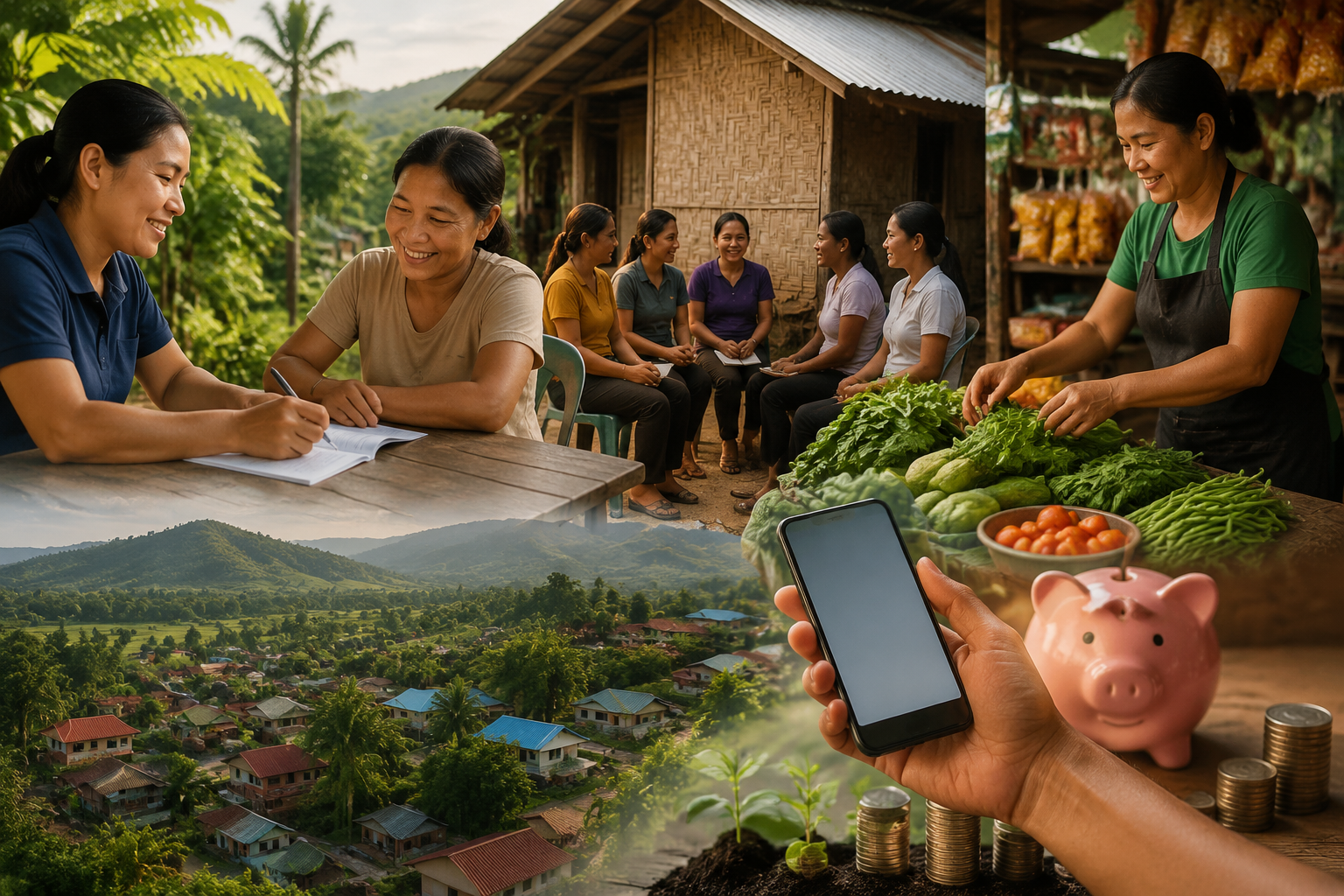
The microfinance system in the Philippines plays a crucial role in supporting financial inclusion, especially for individuals and communities that lack access to traditional banking services. In many rural and semi-urban areas, people often rely on informal lending sources with high interest rates and limited reliability. Microfinance institutions (MFIs) fill this gap by offering small loans, savings programs, and other financial services tailored to low-income households and micro-entrepreneurs.
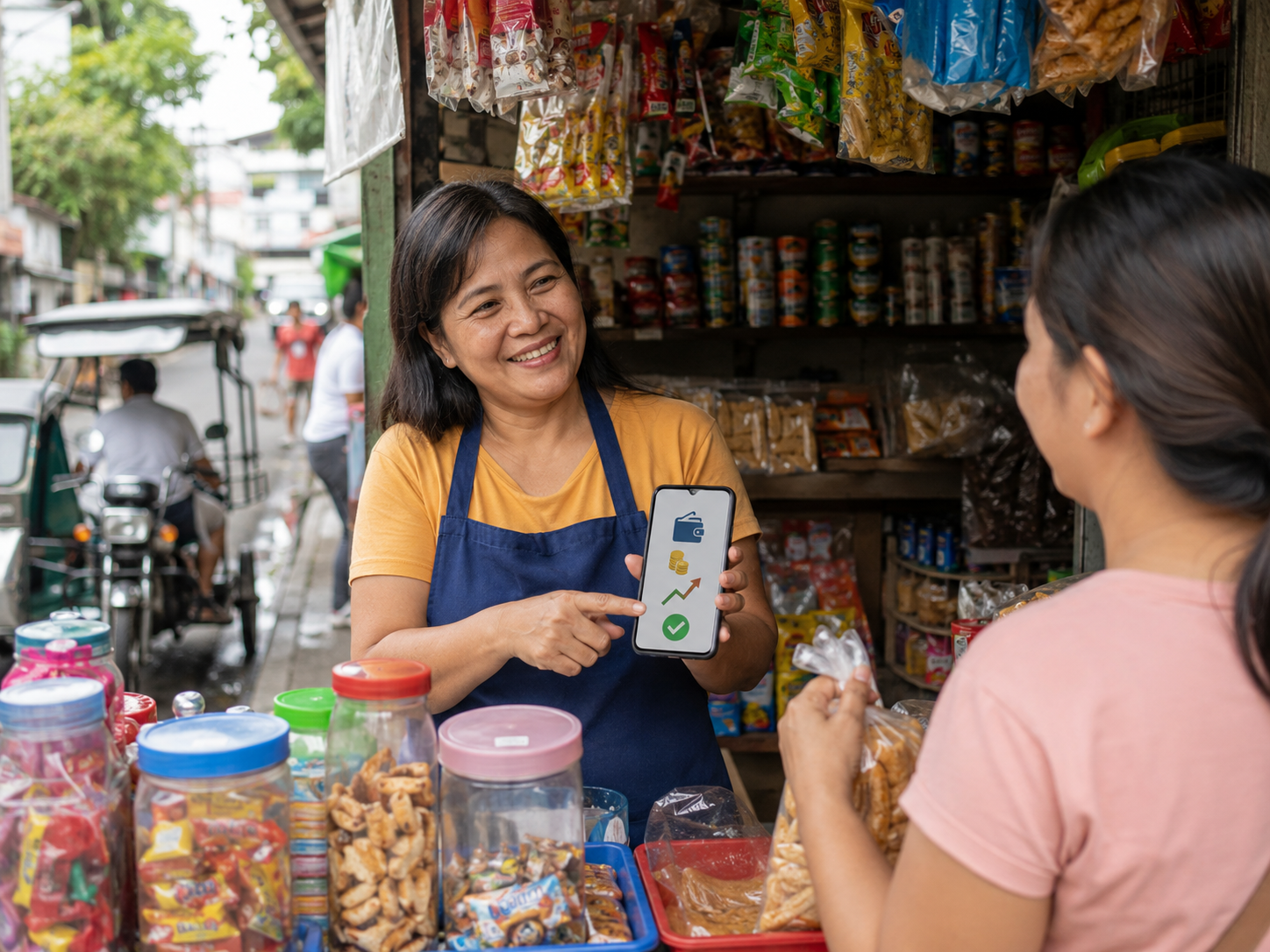
One of the most significant contributions of microfinance in the Philippines is its ability to empower small business owners. Many Filipinos engage in micro-enterprises such as sari-sari stores, food vending, farming, and handicrafts. With limited capital, these businesses often struggle to grow. MFIs provide accessible credit that enables entrepreneurs to expand inventory, improve operations, and increase income stability.
Beyond credit access, microfinance also promotes financial literacy. Many institutions include training programs that teach budgeting, savings discipline, and basic business management. This educational component helps borrowers make informed financial decisions and reduces the risk of debt mismanagement. Over time, this strengthens the overall financial resilience of communities.
Another important aspect is the role of microfinance in women’s empowerment. A large percentage of borrowers are women, particularly in rural areas. By giving them access to financial resources, microfinance helps women contribute more significantly to household income and gain greater economic independence. This shift often leads to improved family welfare, including better access to education and healthcare.
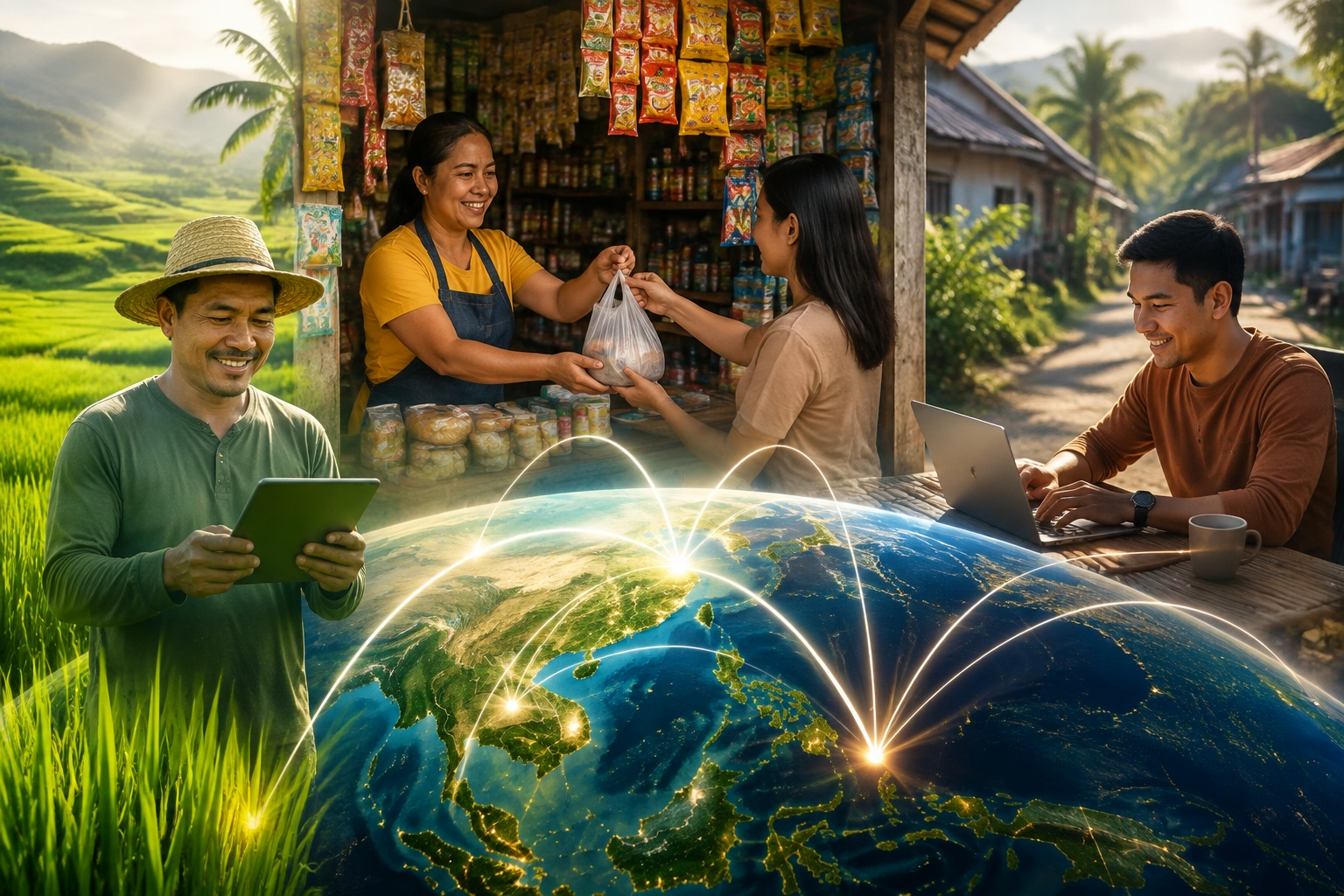
Despite its benefits, the system faces challenges such as high operational costs, limited scalability in remote regions, and occasional over-indebtedness among borrowers. However, ongoing innovation in digital finance and mobile banking is helping expand reach and efficiency.
Overall, microfinance in the Philippines serves as a foundation for inclusive economic development by bridging financial gaps and fostering entrepreneurship at the grassroots level.










Leave a Reply