

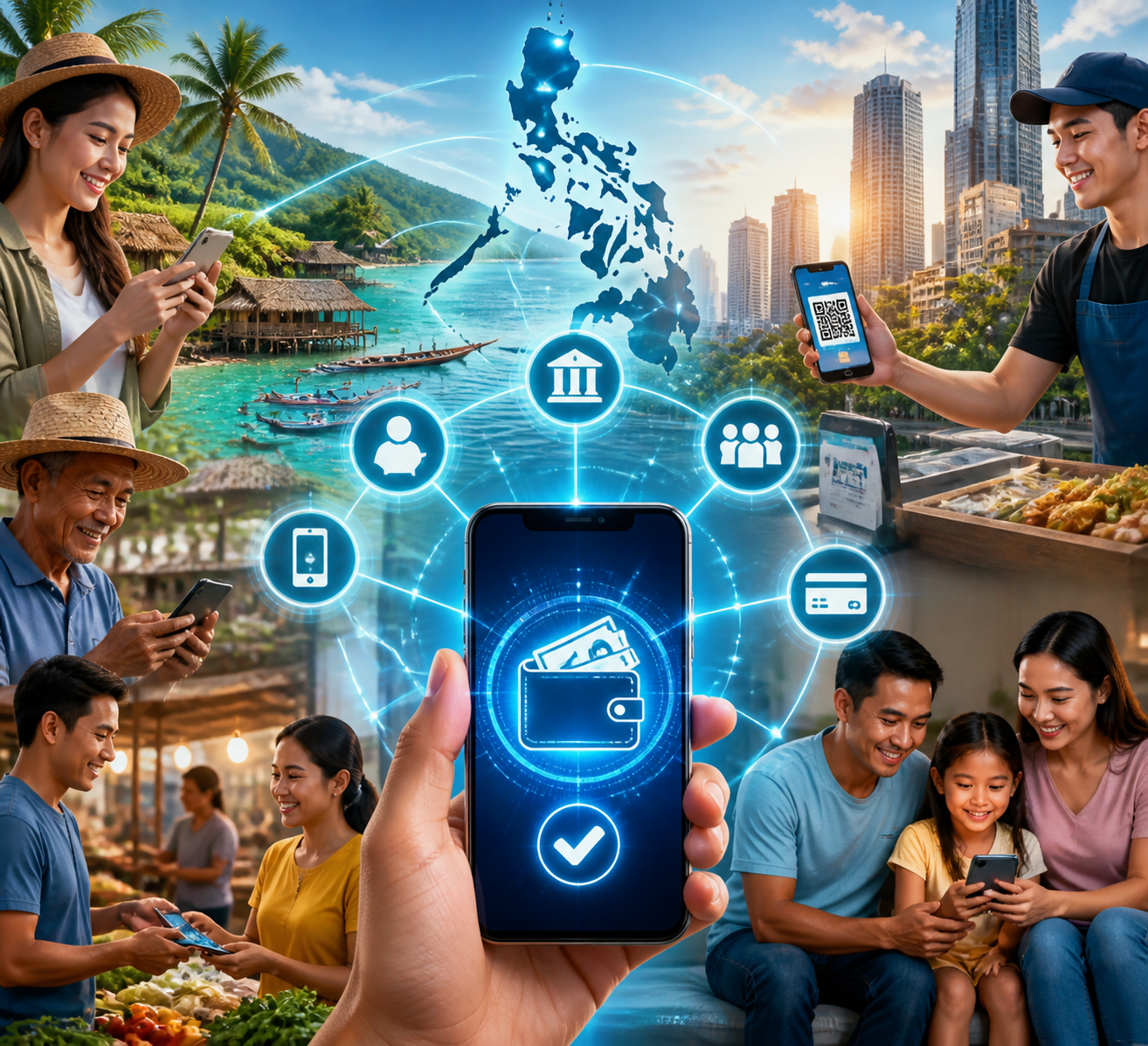
The Philippines has witnessed significant growth in the digital payments sector in recent years. With a population of over 100 million and a high mobile phone penetration rate, digital payments have become a catalyst for enhancing access to financial services, especially in rural and underserved areas. The surge in mobile wallets, online banking, and digital platforms has led to an unprecedented shift in how Filipinos handle their daily transactions.
One of the primary reasons for the rapid adoption of digital payments is the government’s commitment to promoting financial inclusion. The Philippine central bank, Bangko Sentral ng Pilipinas (BSP), has set ambitious goals, including achieving 50% of total transactions through digital means by 2023. This vision is supported by various initiatives aimed at increasing internet connectivity, improving mobile network infrastructure, and fostering partnerships between financial institutions and tech companies.
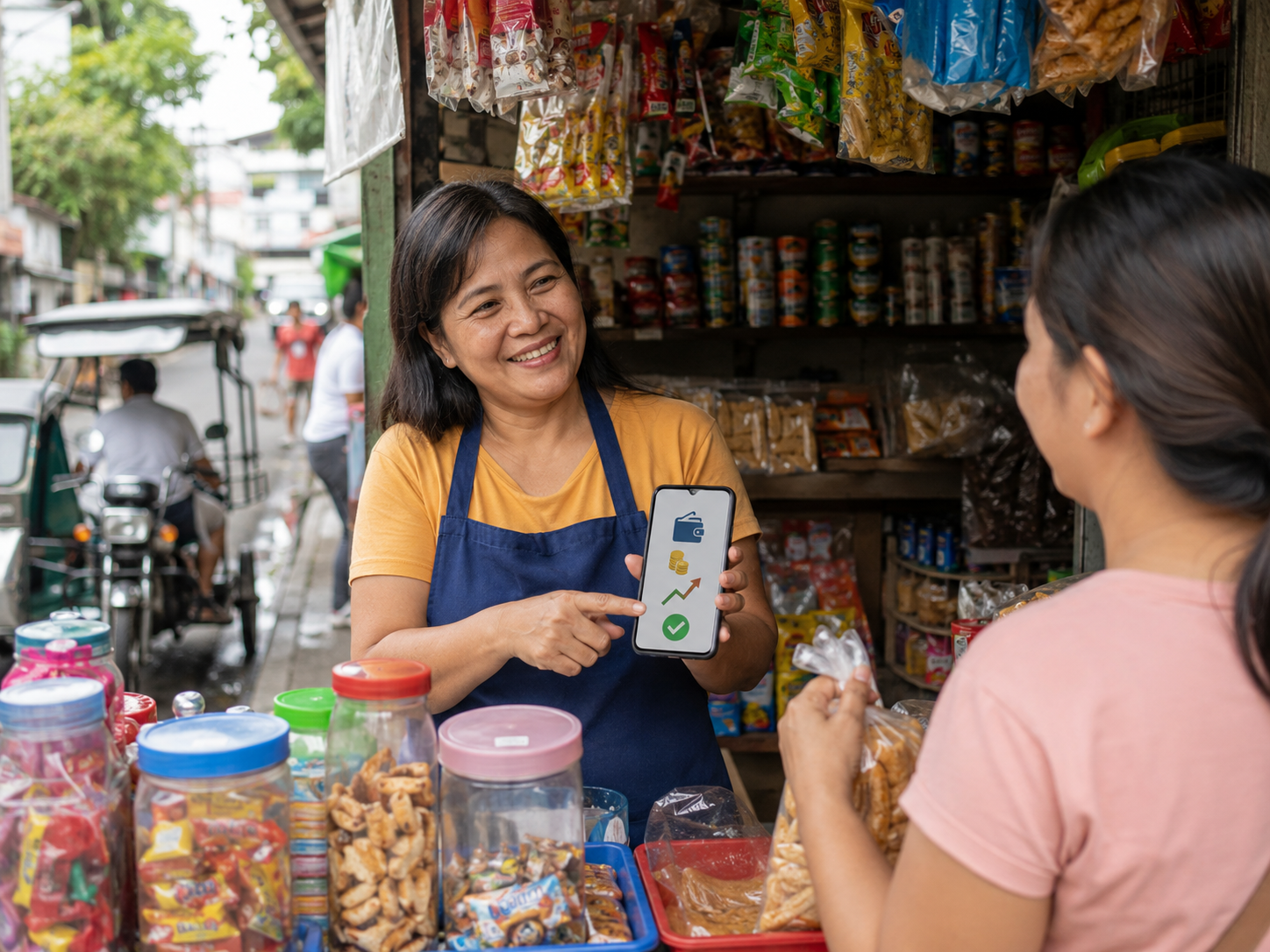
The expansion of digital payments has made it easier for Filipinos to access services such as remittances, bill payments, and e-commerce, all of which were once challenges in rural communities. Platforms like GCash, PayMaya, and Coins.ph have gained widespread popularity by offering accessible and secure payment solutions that don’t require users to have a traditional bank account. By leveraging mobile technology, these platforms have revolutionized the way people send money, make purchases, and even invest.
Financial inclusion is a pressing issue in the Philippines, with around 70% of the population still unbanked. Digital payment solutions address this gap by providing access to financial services without the need for a physical bank branch. The ability to transfer money digitally, access savings and loan products, and pay for goods and services using mobile phones has transformed the daily lives of many Filipinos.
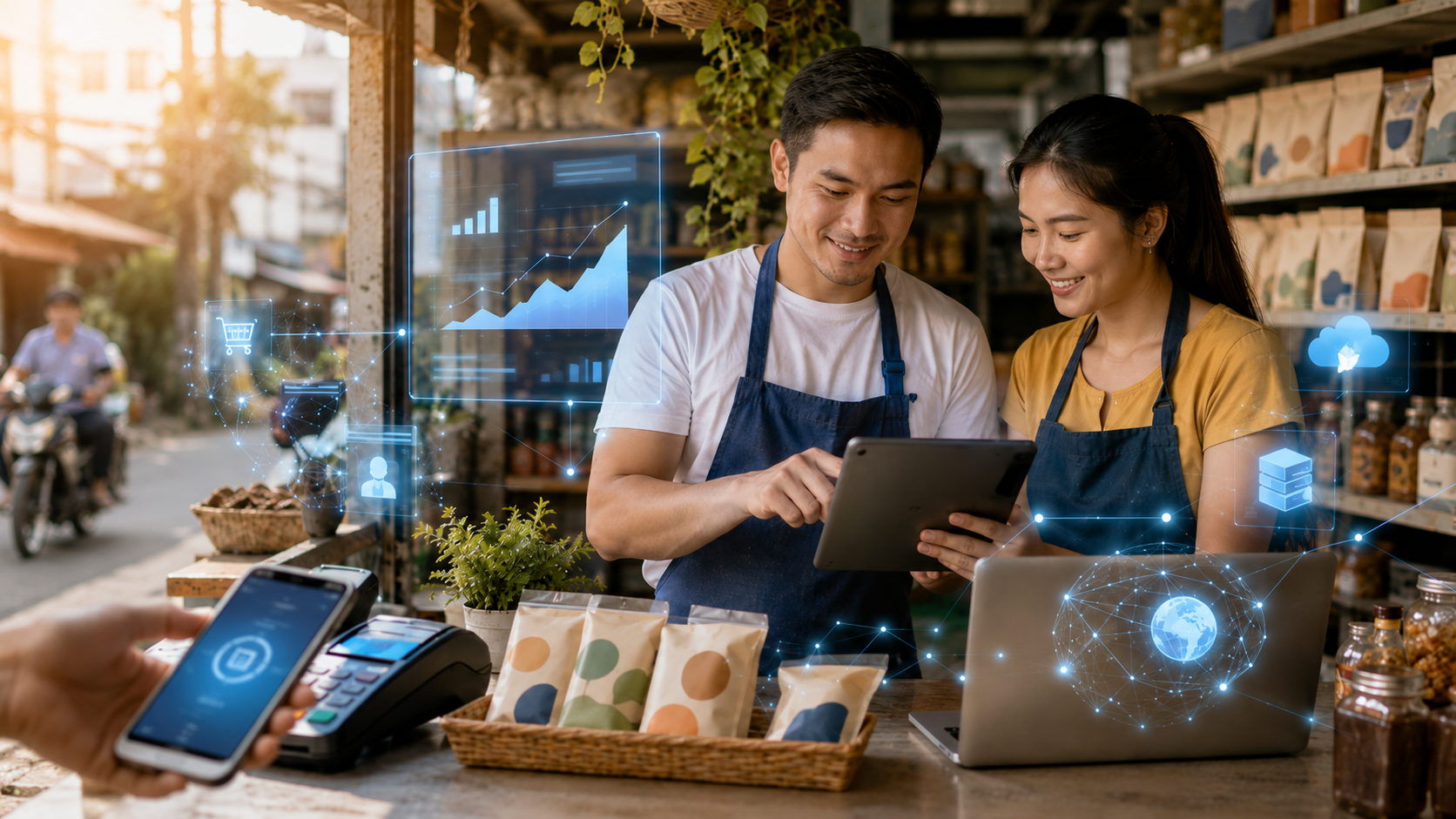
Moreover, the COVID-19 pandemic accelerated the shift toward digital payments. With lockdowns and restrictions in place, people were forced to adapt to online platforms to conduct their transactions. This surge in demand for contactless payments highlighted the need for a more inclusive digital ecosystem. For instance, many businesses, particularly small and medium-sized enterprises (SMEs), quickly adopted digital payment systems to stay operational during the crisis, ensuring business continuity while adhering to health protocols.
In addition to enhancing financial inclusion, digital payments have opened up new opportunities for economic growth in the Philippines. By embracing cashless transactions, the government aims to reduce the informal economy, making it easier to track transactions and increase tax compliance. This transparency helps ensure that more businesses are contributing to the national economy.
The integration of digital payments into the everyday lives of Filipinos represents a significant leap towards an inclusive financial system. As the country continues to innovate and improve its digital infrastructure, the potential for further advancements in financial inclusion remains promising. The evolution of digital payments is not just a technological shift—it is a transformative force in empowering individuals and businesses, particularly in underserved communities, to engage more actively in the economy.








Leave a Reply