


The Philippines has emerged as a vibrant hub for digital economic growth, and one of the key drivers of this transformation has been the active involvement of the banking sector. As digitalization reshapes the global economy, banks in the Philippines are playing a pivotal role in facilitating the growth of digital services, which is essential for the country’s economic future. This article explores how Filipino banks are contributing to this new digital landscape and the implications for businesses and consumers alike.
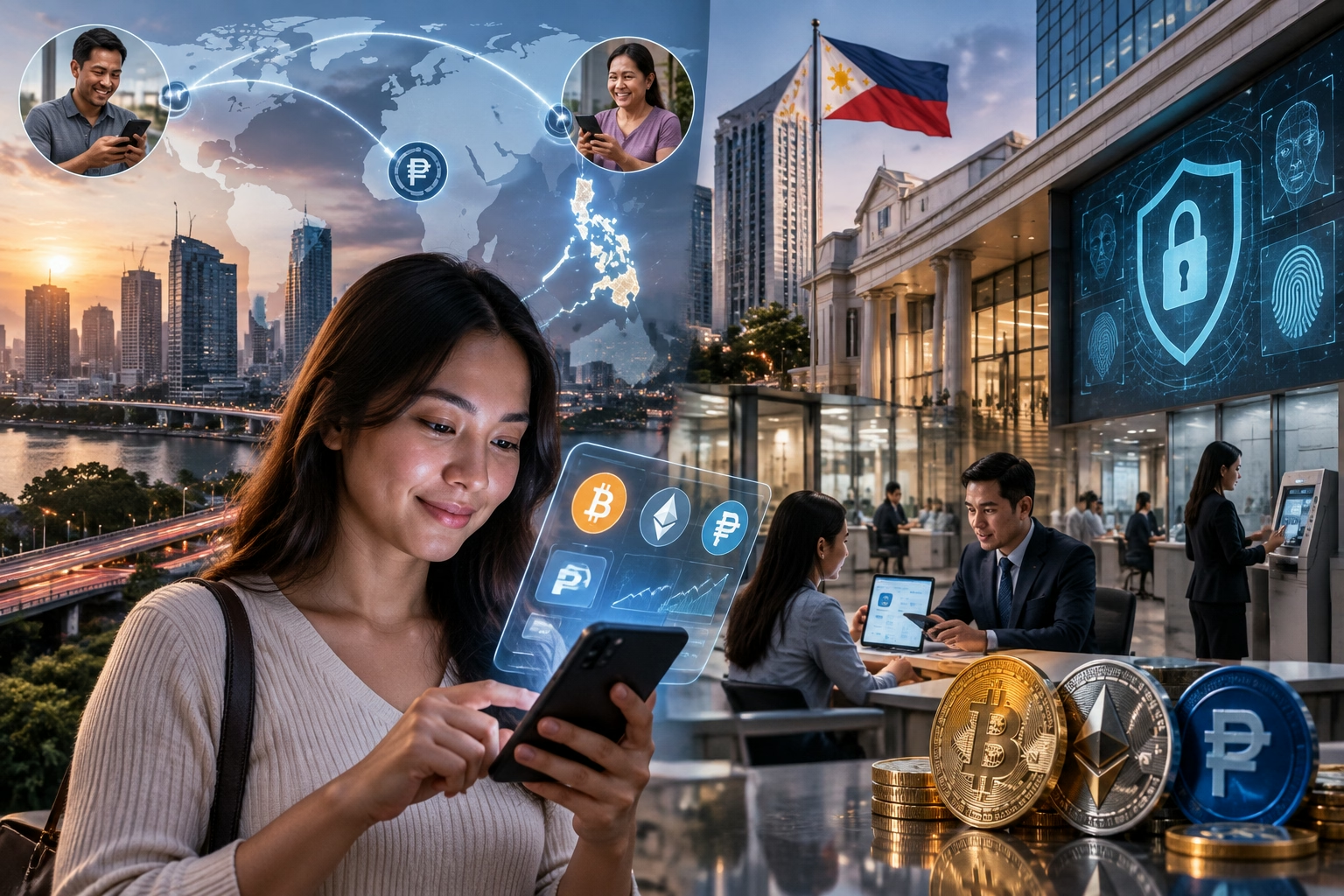
One of the main ways that banks are fostering digital economic growth in the Philippines is through the promotion of digital payment systems. The Central Bank of the Philippines (Bangko Sentral ng Pilipinas or BSP) has been heavily encouraging the adoption of cashless transactions, with an eye on increasing digital payment volumes. In response, banks have developed innovative mobile banking applications and digital wallets, making it easier for Filipinos to access financial services. Banks like BDO, Metrobank, and RCBC have introduced mobile apps that allow users to send money, pay bills, and manage their finances with just a few clicks, helping to reduce the reliance on physical cash and promoting a digital economy.
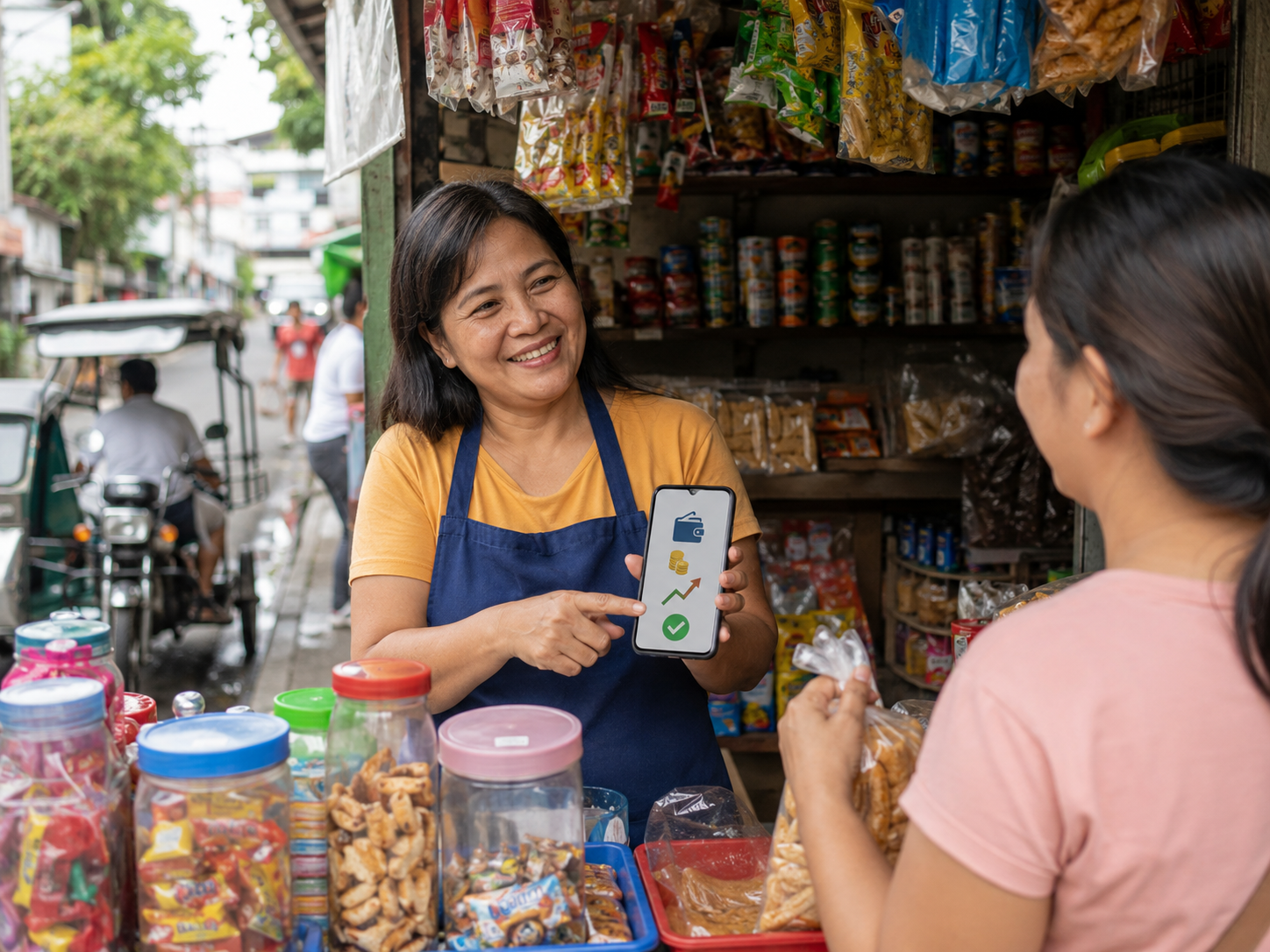
Furthermore, banks in the Philippines have been instrumental in supporting small and medium-sized enterprises (SMEs) by providing them with digital banking tools. As SMEs make up a significant portion of the Philippine economy, it is crucial for these businesses to access modern banking services that can enhance their operations. Through digital lending platforms, SMEs can now easily apply for loans online without the need to visit a physical branch. This convenience has democratized access to finance and allowed businesses in remote areas to expand their operations, fueling further economic development.
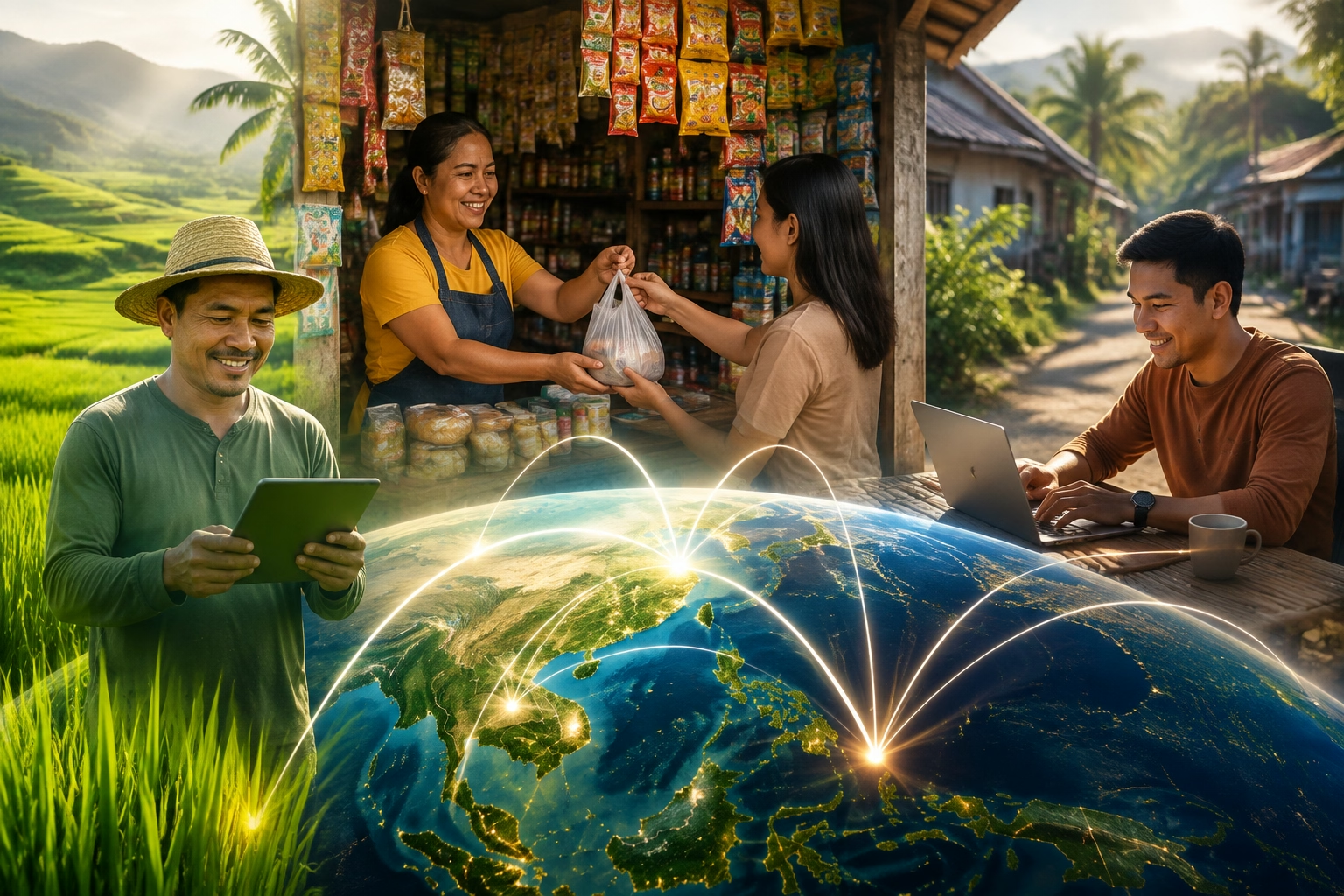
Moreover, the banking sector’s role extends to promoting financial inclusion, particularly in underserved areas. According to a report by the BSP, around 70% of Filipinos do not have access to formal financial services. Banks have sought to address this gap by leveraging digital platforms to reach a wider population. Digital banking services have enabled individuals in rural areas to open bank accounts, transfer money, and access other financial services without the need to travel long distances. This has been a significant step in integrating more people into the digital economy, fostering economic participation and growth.
The collaboration between the banking sector and fintech companies has also played a crucial role in advancing the digital economy. Fintech firms, with their focus on innovation, have partnered with traditional banks to offer more advanced financial solutions, such as peer-to-peer lending and blockchain-based transactions. These partnerships have not only made banking services more efficient but have also created new opportunities for investment and wealth creation.
While the digital transformation presents opportunities, it also comes with challenges. One of the main concerns is cybersecurity. As more financial transactions move online, the risk of cyberattacks increases. To address this, Filipino banks have been investing in advanced security technologies such as biometric verification, two-factor authentication, and encryption to ensure the safety and privacy of their customers’ financial data. In addition, the BSP has implemented stringent regulations to ensure that banks maintain high standards of cybersecurity, protecting consumers and supporting the growth of the digital economy.
In summary, the banking sector in the Philippines plays an essential role in supporting the country’s digital economic growth. By offering digital banking services, supporting SMEs, promoting financial inclusion, and collaborating with fintech companies, banks are helping to reshape the financial landscape. These efforts are critical for building a more robust, inclusive, and digital economy in the Philippines.









Leave a Reply