

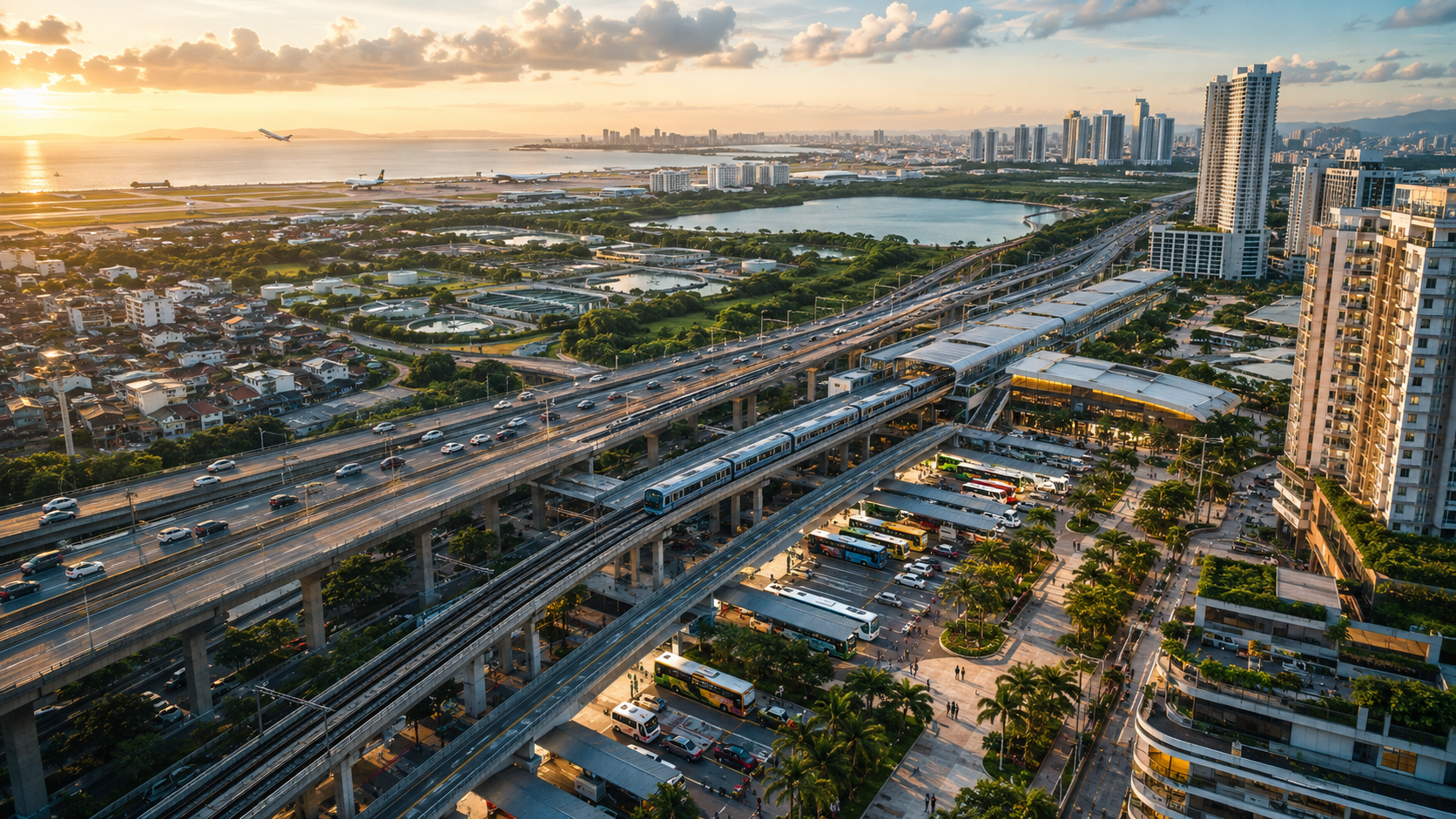
The Philippines is experiencing one of the fastest urbanisation rates in Southeast Asia. Metro Manila alone houses over 13 million residents, while peripheral regions such as Calabarzon and Central Luzon are swelling into mega-urban corridors. This demographic pressure has exposed deep gaps in mobility, water supply, and digital connectivity. In response, a handful of dominant Filipino conglomerates have moved beyond their traditional industries to become the primary drivers of urban infrastructure development. Using the Public-Private Partnership (PPP) framework and direct corporate investments, these entities are redesigning city life.
The Urban Infrastructure Imperative
The national government’s “Build Better More” programme has flagged over 185 strategic projects, many of which lean heavily on private capital and technical expertise. According to the National Economic and Development Authority’s 2026 Flagship Projects Update, 48 percent of active infrastructure undertakings involve private sector participation, reflecting a deliberate policy to accelerate completion while controlling public debt. The result is a new generation of highways, airports, rail systems, and water networks that are fundamentally altering how Filipinos commute, live, and work.
San Miguel Corporation’s Nation-Building Transport Network
San Miguel Corporation (SMC), historically known for food and beverages, has poured billions of dollars into transport infrastructure through its subsidiary SMC Infrastructure. The Skyway System, a multi-level expressway that connects the North and South Luzon Expressways, has cut travel time from Makati to Alabang to under 15 minutes during peak hours. The ongoing Metro Rail Transit Line 7 (MRT-7) is on track for full operations in early 2027, linking Quezon City to Bulacan and providing an alternative to the congested EDSA thoroughfare. Perhaps most transformative is the New Manila International Airport (NMIA) in Bulacan, envisioned as a four-runway gateway capable of handling 100 million passengers annually. Partial terminal operations commenced in mid-2026, already reducing pressure on Ninoy Aquino International Airport.
Ayala Corporation’s Integrated Urban Solutions
Ayala Corporation, through AC Infrastructure Holdings, embraces a philosophy of building complete ecosystems. The conglomerate’s involvement in the LRT-1 Cavite Extension has extended the light rail line deep into the southern suburbs, connecting previously underserved communities to central business districts. Beyond rail, Ayala’s water concession through Manila Water provides 24/7 supply to millions, while its toll road assets in Cebu and Luzon enhance regional logistics. The company often clusters residential townships, office towers, and transit stations into walkable mixed-use developments, creating micro-cities that reduce car dependency.
Metro Pacific’s Expanding Tollway Ecosystem
Metro Pacific Tollways Corporation (MPTC), a unit of Metro Pacific Investments Corporation, operates some of the most critical road networks in the country. The North Luzon Expressway (NLEX), Subic-Clark-Tarlac Expressway (SCTEX), and Cavite-Laguna Expressway (CALAX) collectively span hundreds of kilometers, linking economic zones, ports, and residential hubs. The Cebu-Cordova Link Expressway (CCLEX), an iconic cable-stayed bridge completed in 2022, has since spurred commercial growth on both islands and serves as a model for future inter-island fixed links.
Megawide’s Engineering-Led Urban Hubs
Megawide Construction Corporation has differentiated itself through design-build-operate capabilities. The Mactan-Cebu International Airport Terminal 2, a Megawide-GMR joint venture, has won multiple international awards for its resort-inspired architecture and efficient passenger flow. In Metro Manila, the Parañaque Integrated Terminal Exchange (PITX) functions as the country’s first landport, seamlessly connecting provincial buses, city buses, jeepneys, and future rail lines. Megawide is also active in data centre construction and school infrastructure, supporting the digital and social layers of modern cities.
Aboitiz InfraCapital’s Smart and Sustainable Projects
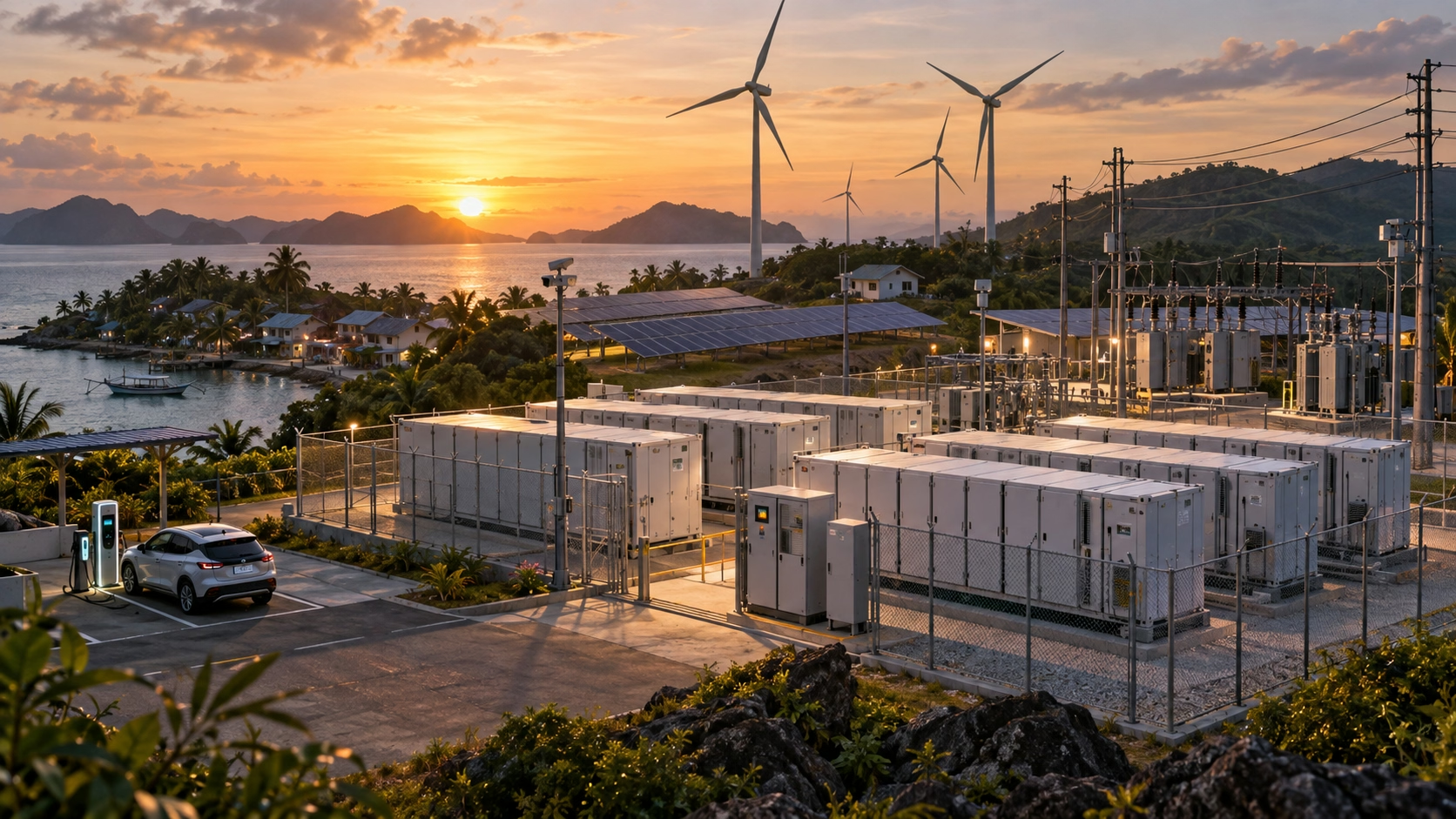
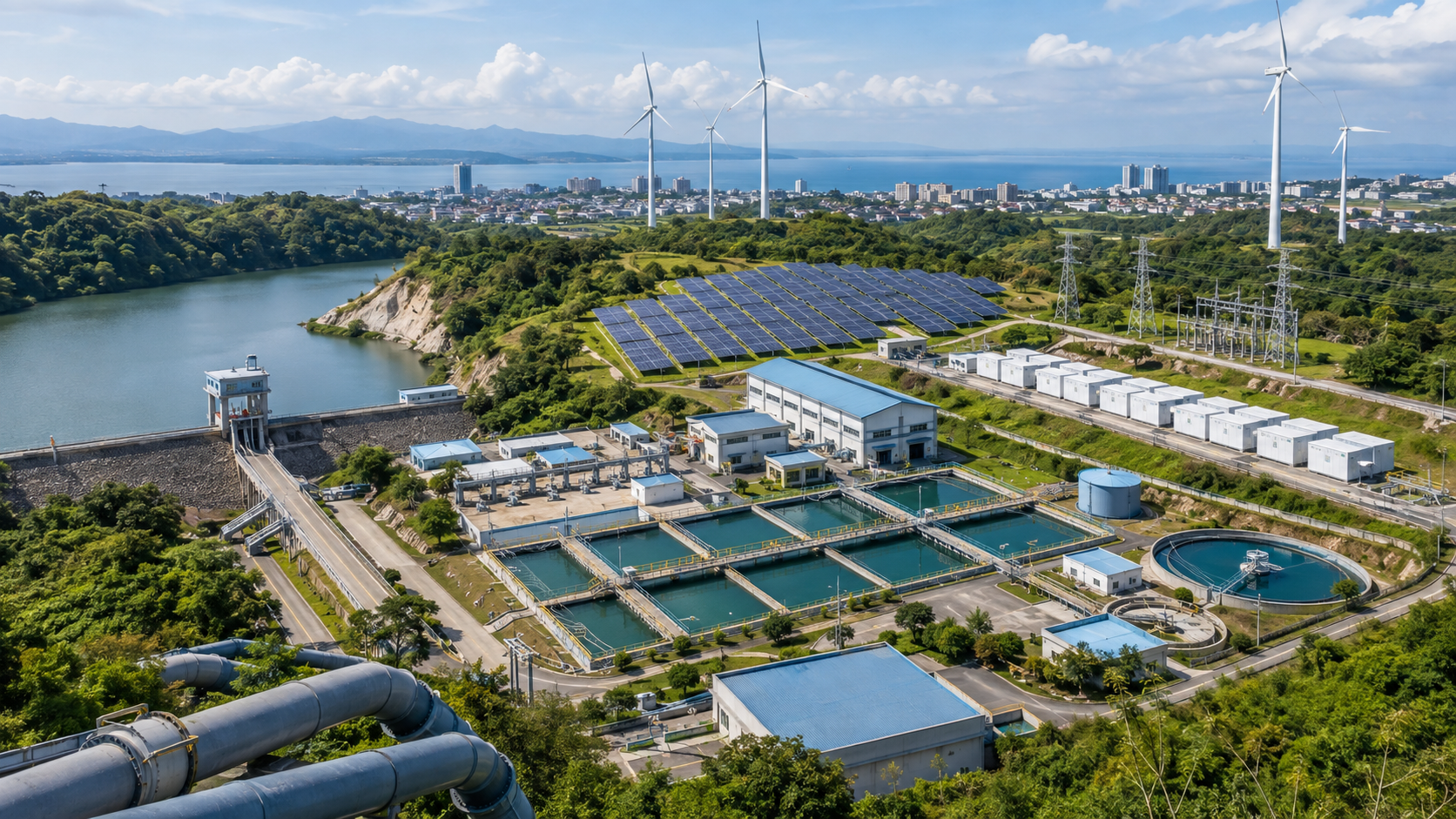
Aboitiz InfraCapital (AIC) has carved a niche in technology-driven infrastructure. The group operates Laguindingan Airport’s upgrade under a hybrid PPP, deploying digital air traffic management systems to increase flight capacity. Its economic estates in Batangas and Cebu feature smart grid micro-utilities, water recycling, and fibre-optic networks that attract global locators. AIC’s bulk water supply projects in Davao and Bohol directly address urban water scarcity, proving that profitability and sustainability can coexist.
For precise figures, the Philippine Statistics Authority’s 2026 Construction Industry Performance Report highlights a 9.2 percent year-on-year growth in private construction spending for transport and water utilities, underscoring the momentum these conglomerates are generating (https://psa.gov.ph/). As these corporations continue to execute complex projects, the face of Philippine urban life is being reshaped block by block, with benefits radiating far beyond the capital.










Leave a Reply