

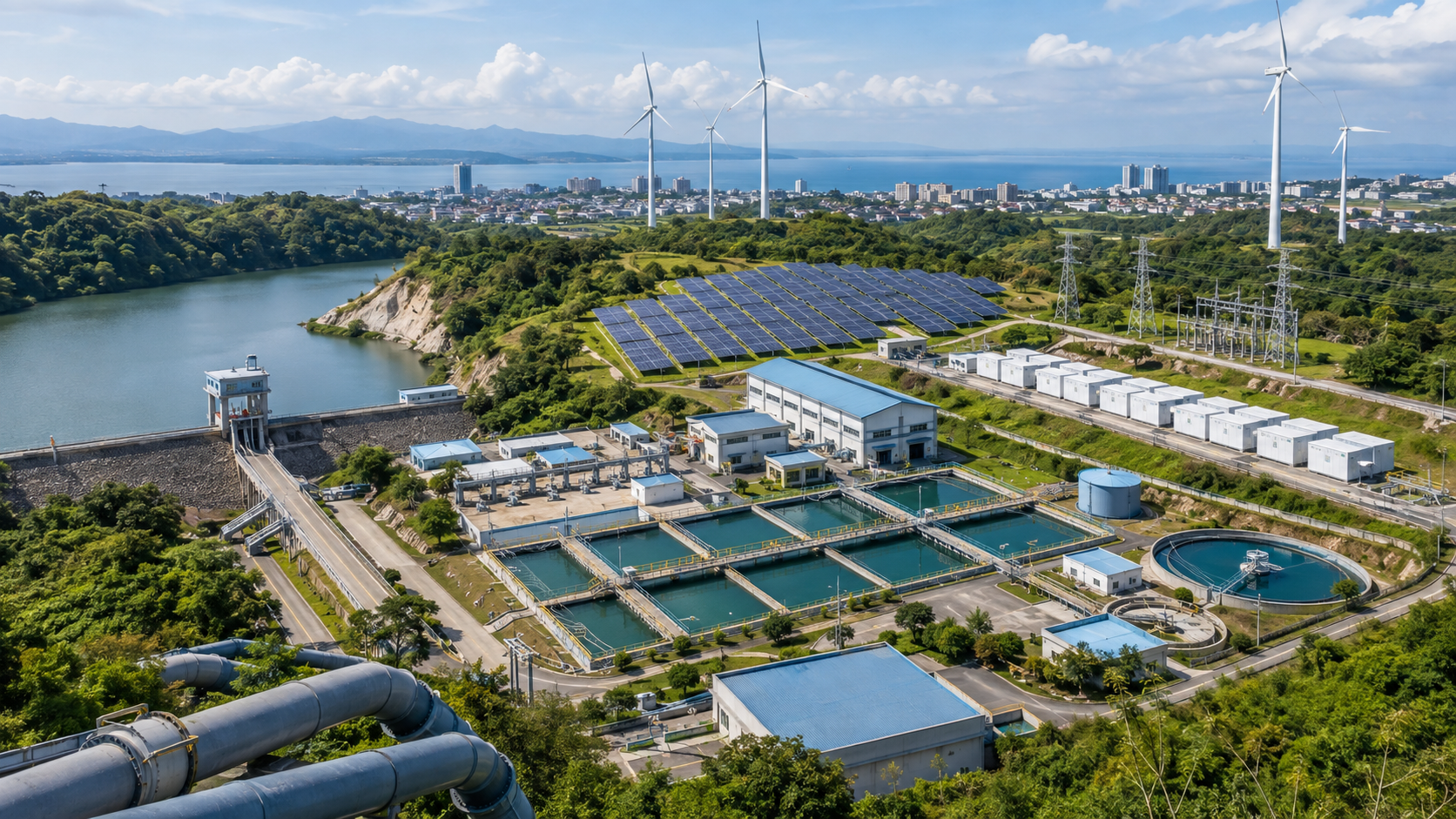
The Philippines enters 2026 with one of Southeast Asia’s most ambitious infrastructure agendas. Under the Build Better More program, the national government has moved beyond relying solely on public funds and is now aggressively courting private capital to finance, build, and operate critical assets. According to the Public-Private Partnership Center of the Philippines, the 2026 project pipeline includes more than 100 projects spanning transport, water, digital connectivity, and energy. This shift marks a structural change in how the country delivers infrastructure, positioning public-private partnerships as the primary vehicle for development.
The 2026 PPP Landscape in the Philippines
The government has streamlined approvals through the revised Build-Operate-Transfer law and the PPP Governing Board. In 2026, these reforms are reducing the time from proposal to financial close, making the Philippines more attractive to foreign and local investors. The PPP Center now publishes a dynamic project dashboard that allows private firms to track opportunities in real time, increasing transparency and competition.
Government Targets and Private Sector Response
The National Economic and Development Authority has prioritized projects that can generate revenue and attract private operations and maintenance expertise. Large conglomerates, Japanese trading houses, South Korean engineering firms, and European infrastructure funds are responding with unsolicited proposals and competitive bids. The PPP Center’s project dashboard shows a growing share of unsolicited proposals in sectors such as airports, water, and solid waste management. This signals that private players see long-term value in Philippine infrastructure.
Flagship Projects Driving Collaboration
Several high-profile projects illustrate the depth of public-private collaboration in 2026.
Transport, Water, and Digital Infrastructure
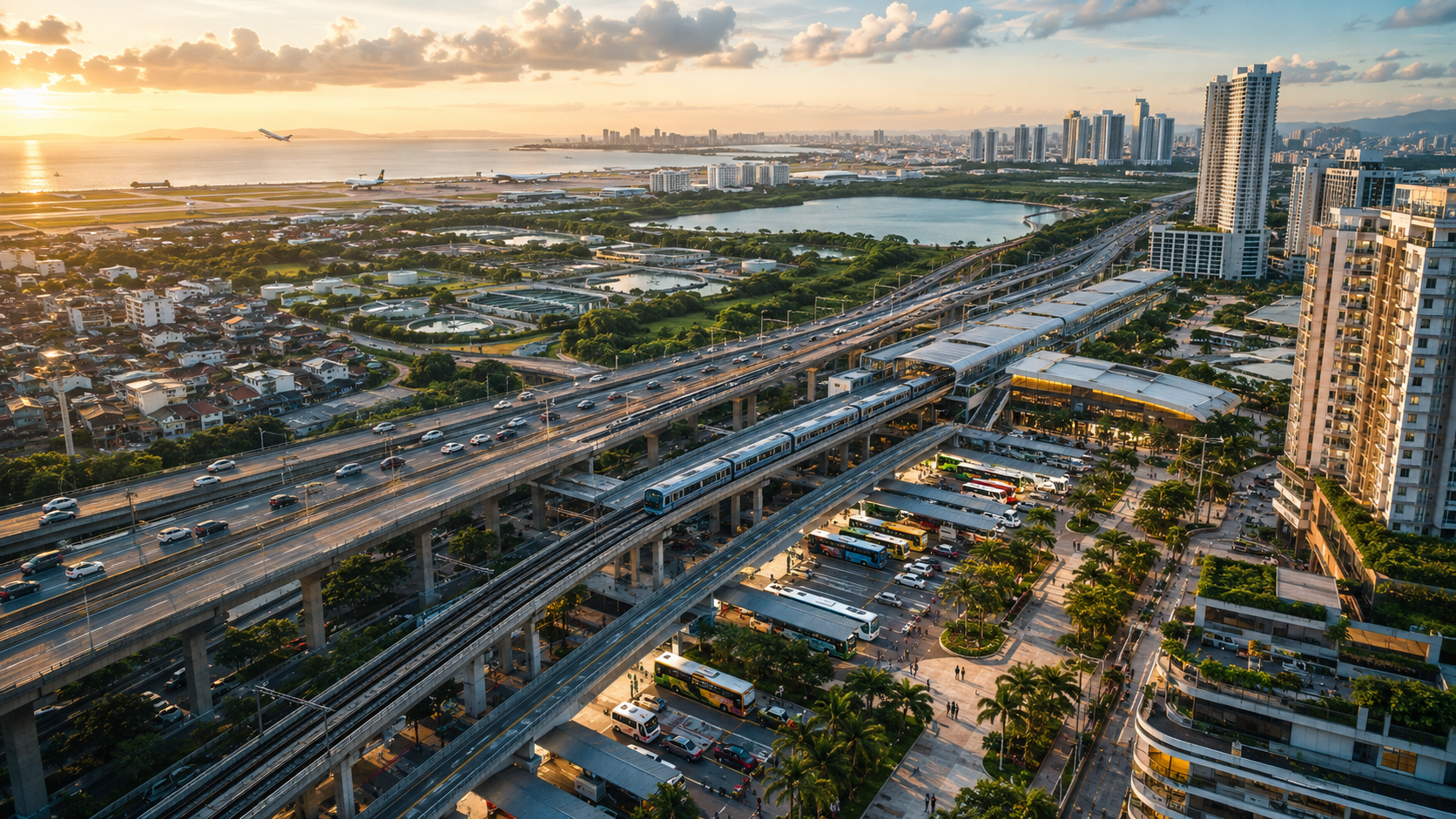
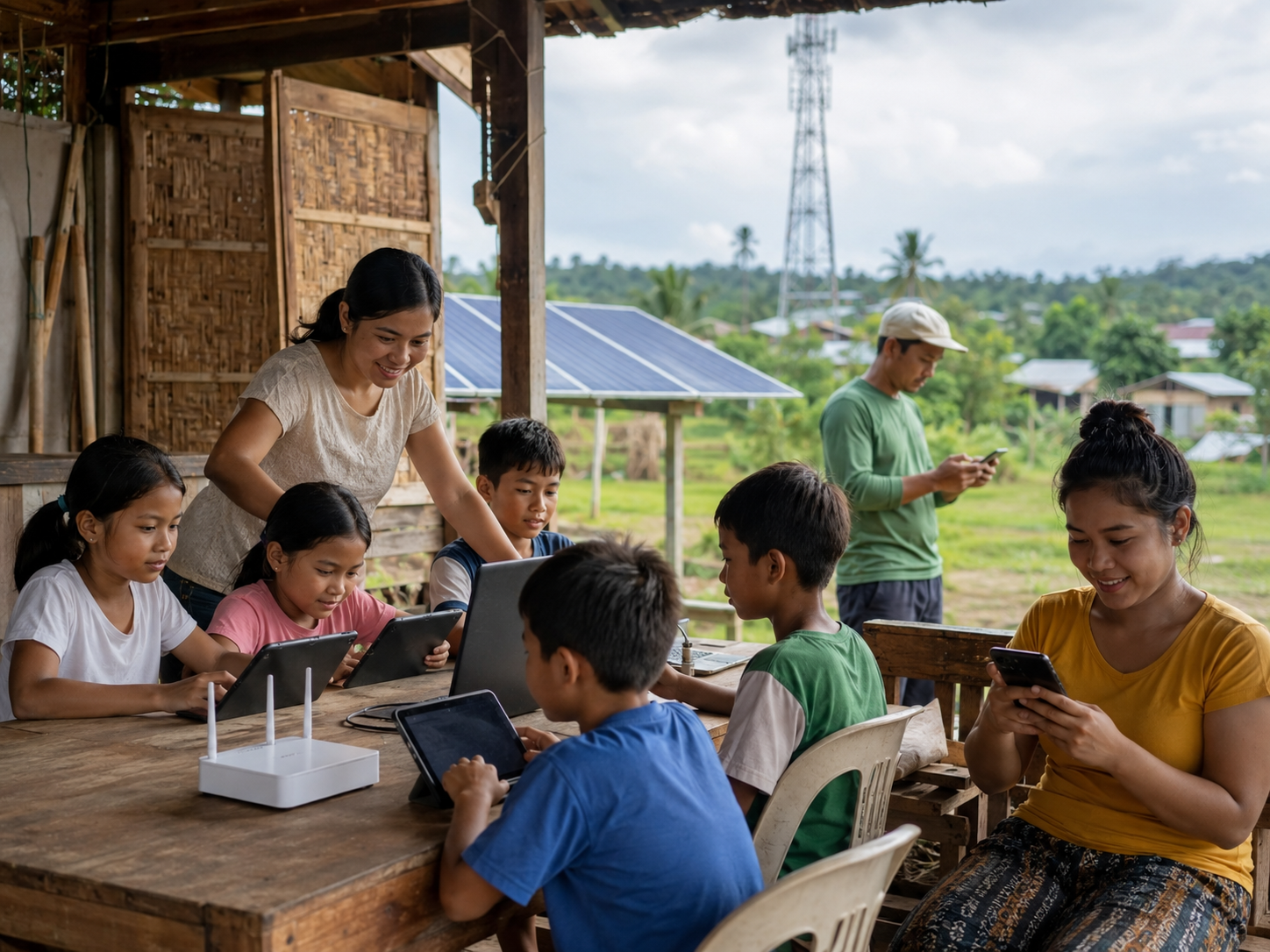
On the transport front, the NAIA Public-Private Partnership has moved into full rehabilitation, while the North-South Commuter Railway continues to attract private contractors for civil works, signaling, and rolling stock. In water, the government is pushing bulk water supply projects in Cebu, Davao, and Iloilo through PPP frameworks. Digital infrastructure is also gaining momentum, with common tower providers expanding rural coverage under new permits issued by the Department of Information and Communications Technology. These projects demonstrate that collaboration is not limited to Metro Manila; it is spreading across the archipelago.
Financing and Risk-Sharing Innovations
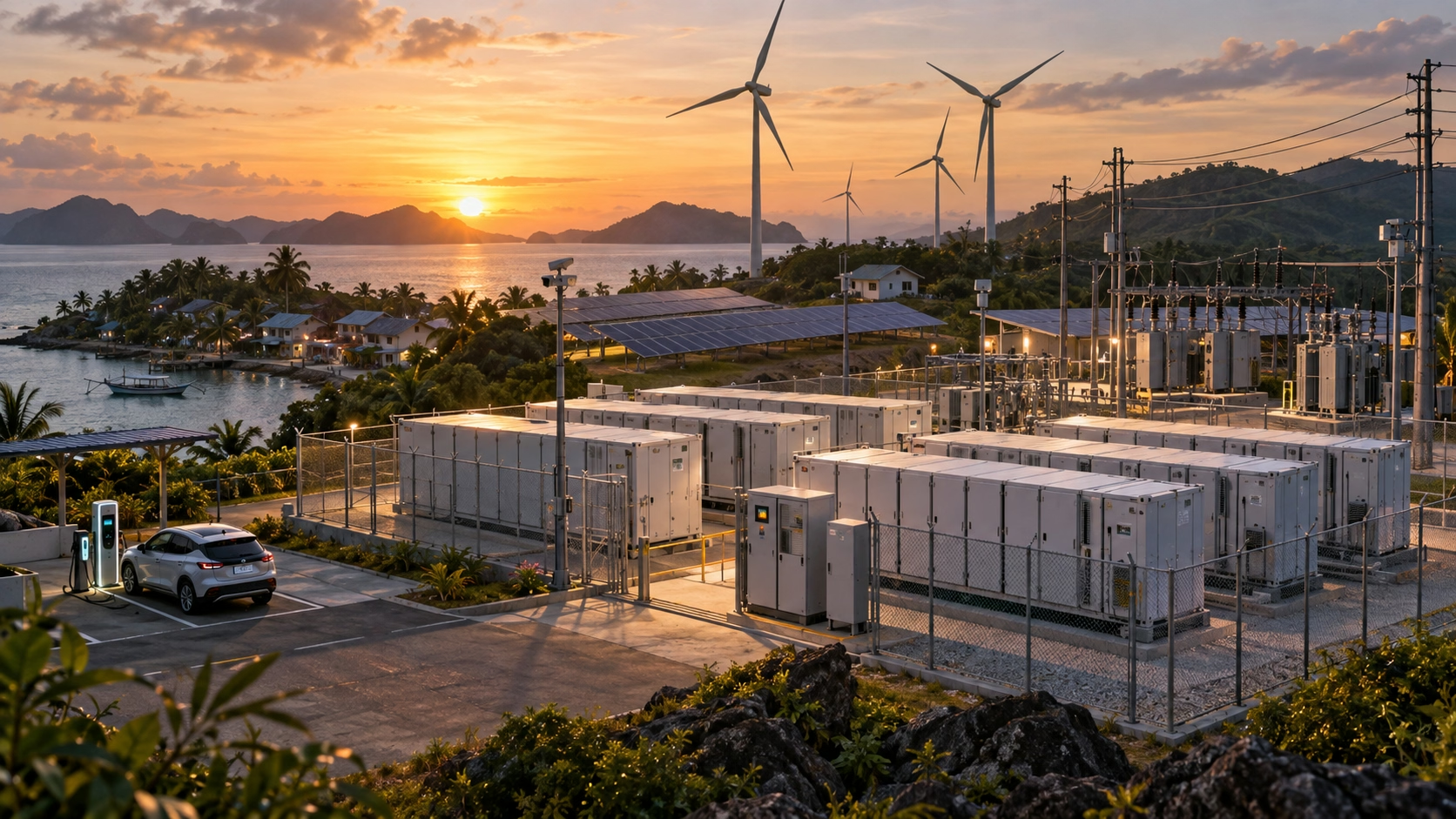
The 2026 PPP landscape is not just about projects; it is also about smarter risk allocation. The government now offers viability gap funding, performance-based payments, and clear termination clauses to reduce private sector uncertainty. Long-term concession agreements of 25 to 35 years are becoming standard for airports and rail systems, giving investors stable revenue horizons. Local banks are also stepping up, providing peso-denominated loans that reduce foreign exchange risk for infrastructure developers.
These financing tools are critical because many projects require multi-billion-dollar investments. By blending government guarantees with private operational discipline, the Philippines is creating a more bankable pipeline that can move from announcement to construction faster than in previous decades. As the 2026 fiscal year progresses, the collaboration between Philippine agencies and private companies is expected to deepen. The real test will be execution: converting signed concession agreements into completed infrastructure that improves daily life for Filipinos.









Leave a Reply