


The tourism industry in the Philippines has experienced a major transformation, and local companies have played a central role in this change. As an archipelagic nation with more than 7,000 islands, the Philippines has long depended on natural attractions such as beaches, mountains, dive sites, heritage towns, and cultural festivals. However, the modern growth of tourism is not driven by scenery alone. Local businesses have helped connect destinations, improve services, promote Filipino identity, and make travel more accessible for both domestic and international visitors.
One of the most important contributions comes from local transportation companies. Airlines such as Cebu Pacific and Philippine Airlines have made inter-island travel more practical by expanding routes to major tourism centers like Cebu, Palawan, Bohol, Davao, Boracay, and Siargao. Ferry operators and local transport services also support movement between islands, especially in areas where air travel is limited. By improving mobility, these companies help spread tourist spending beyond major cities and into provincial communities.
Local hospitality companies have also changed the way visitors experience the country. Filipino-owned hotel groups, boutique resorts, and family-run accommodations provide options for different market segments, from budget travelers to luxury tourists. Groups such as Henann, Discovery Hospitality, Megaworld Hotels, and El Nido Resorts have contributed to the development of more professional accommodation standards. At the same time, smaller local inns and homestays give travelers a more personal experience by introducing them to local food, traditions, and everyday community life.
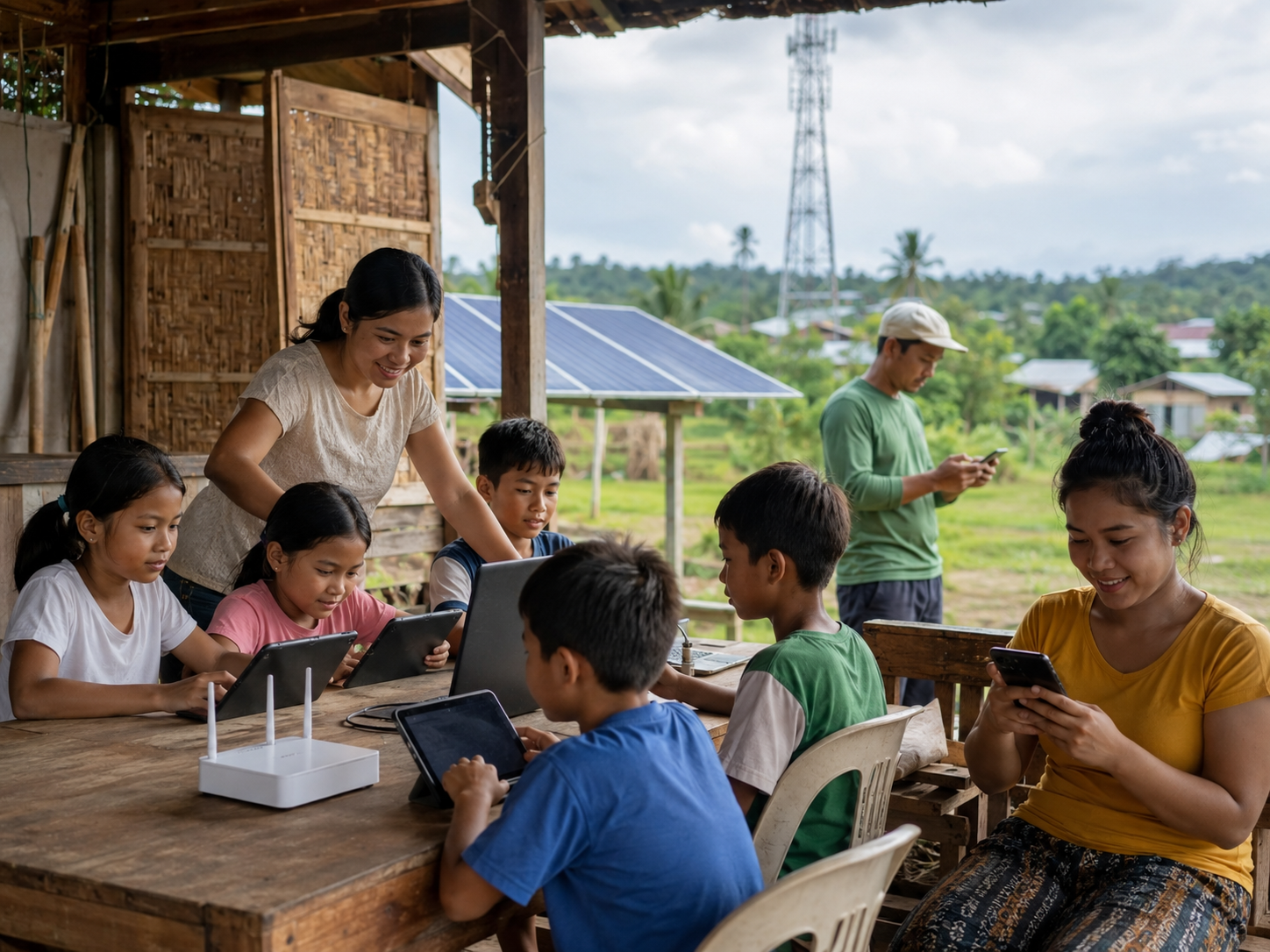
Digital transformation has become another major force. Local travel agencies, booking services, payment providers, and tour operators increasingly use online platforms to reach customers. Digital payments through services such as GCash and Maya have made transactions easier for hotels, restaurants, souvenir shops, and transport providers. This is especially useful for small tourism businesses that previously depended only on cash payments. Online visibility allows local operators to compete with larger brands and attract travelers who plan trips through mobile phones.
Local companies also help promote sustainable and community-based tourism. In destinations such as Palawan, Bohol, Siargao, and the Cordilleras, many tour operators work with communities to offer island-hopping, diving, trekking, farm visits, cultural workshops, and heritage tours. These experiences allow tourists to interact with local guides, artisans, farmers, boatmen, and food producers. When managed properly, this model distributes income more fairly and encourages communities to protect the environment and cultural resources that attract visitors.
Food and retail businesses are also part of the transformation. Filipino restaurants, cafés, pasalubong producers, and local markets enrich the visitor experience. Tourism is no longer limited to sightseeing; it now includes tasting regional dishes, buying handmade products, learning local crafts, and joining festivals. This strengthens the connection between tourism and the creative economy.
The transformation of Philippine tourism through local companies shows that industry growth depends on more than foreign investment or government campaigns. Local enterprises understand the culture, geography, and needs of communities. Their role is essential in building a tourism industry that is accessible, authentic, resilient, and beneficial to Filipinos across the islands.











Leave a Reply