

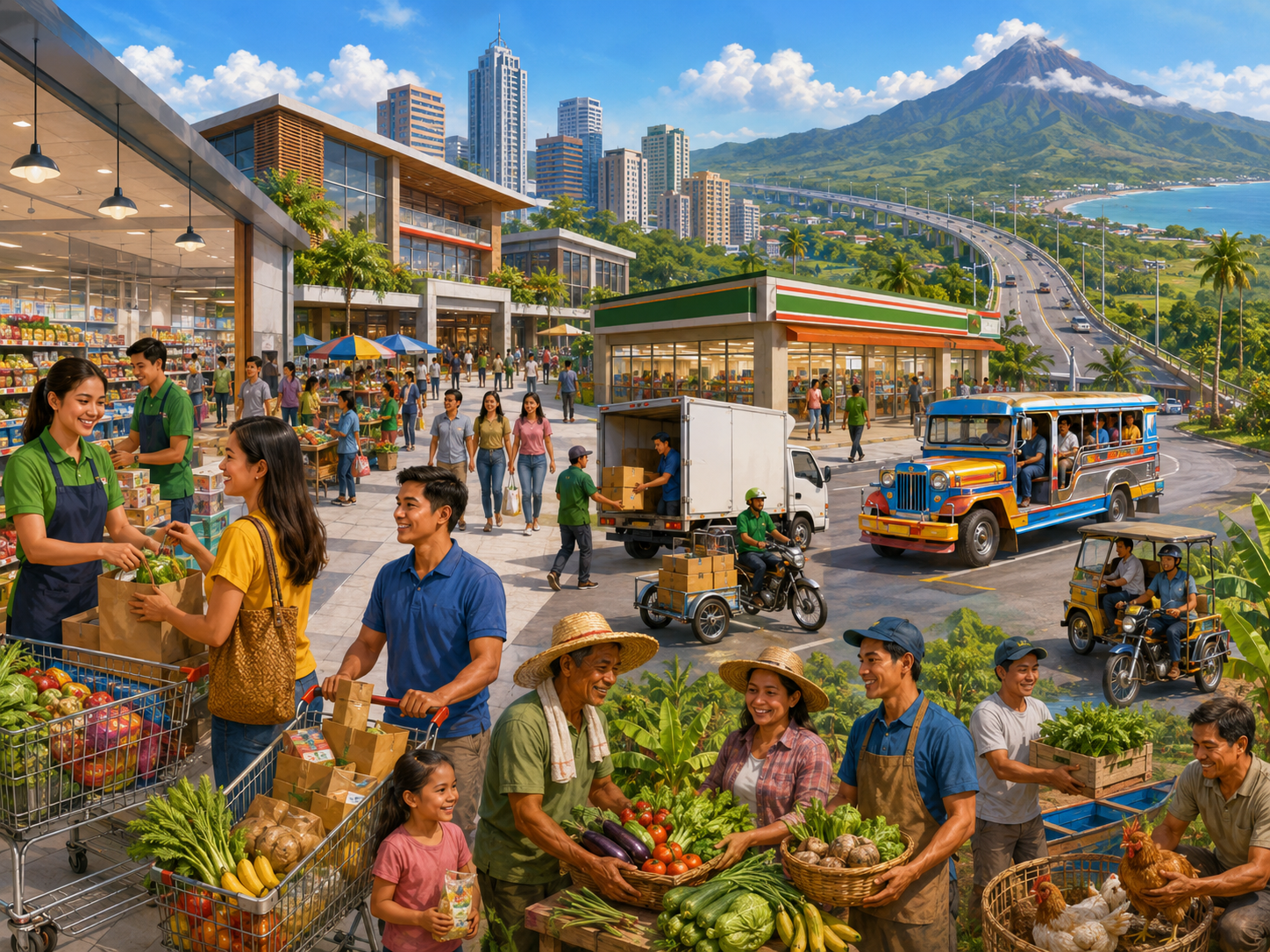
The retail sector in the Philippines has experienced significant growth over the last two decades, with both local and international companies expanding their presence. This growth has had a profound impact on the local economy, influencing employment patterns, consumer behavior, and small business development. Retail companies, ranging from large supermarkets to specialty stores, are central to economic activity, contributing to GDP and generating jobs for millions of Filipinos.
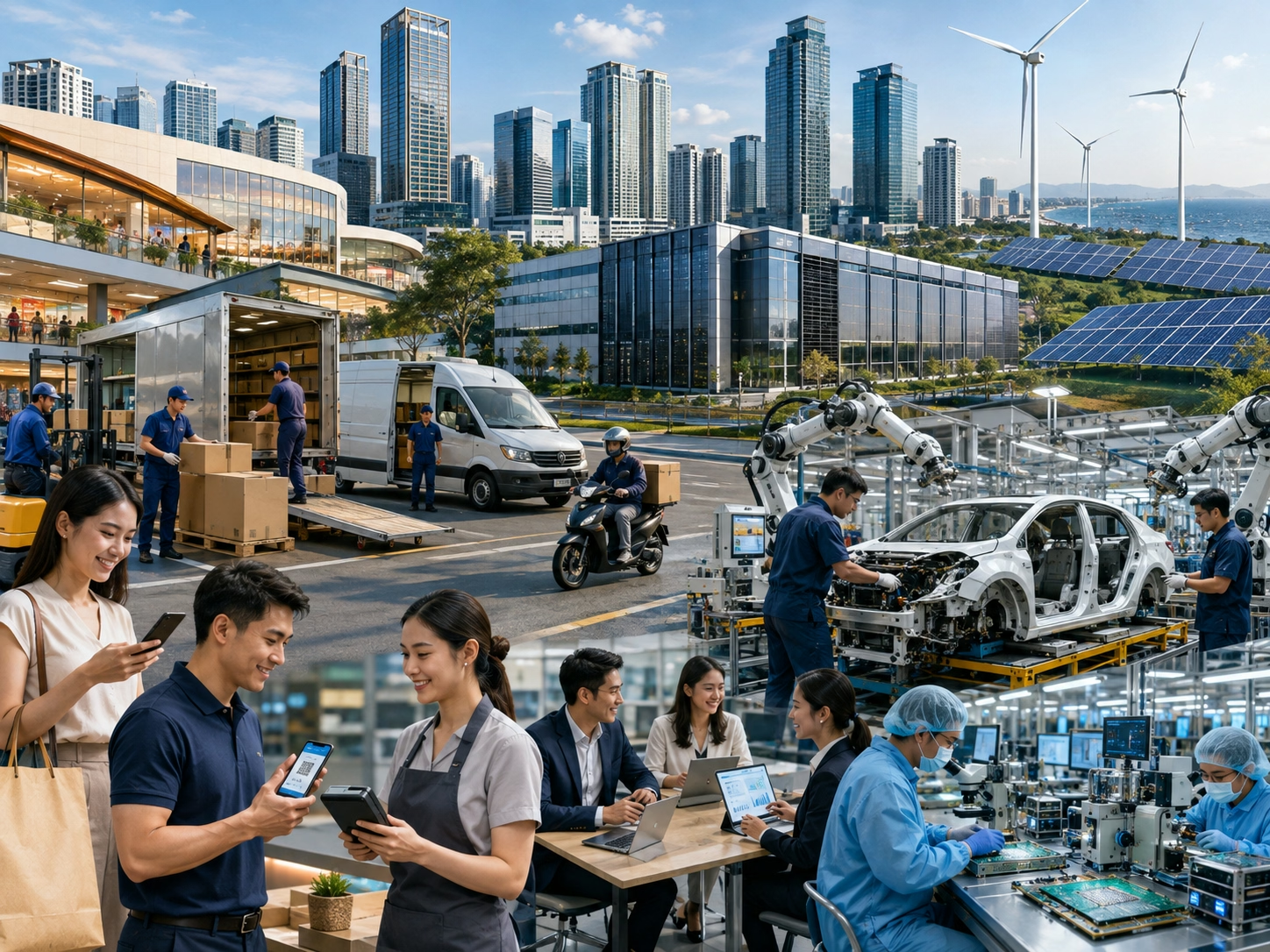
Employment is one of the most visible impacts of retail companies on local communities. Large retail chains such as SM, Robinsons, and Puregold employ thousands of workers across multiple regions. These positions often include cashiers, stock clerks, managers, and administrative staff. By providing steady employment, retail companies help stabilize household incomes, improve living standards, and stimulate local spending. Furthermore, retail businesses often offer training programs that enhance employee skills, contributing to a more skilled workforce in the country.
Beyond direct employment, retail companies indirectly support local suppliers and producers. Many retailers source products from local farmers, manufacturers, and small-scale producers, creating opportunities for micro and small enterprises to participate in the supply chain. For instance, local agricultural products like rice, fruits, and seafood are often sold through supermarket chains, providing farmers with access to a wider market. This relationship not only increases farmers’ incomes but also strengthens local agricultural and manufacturing industries.
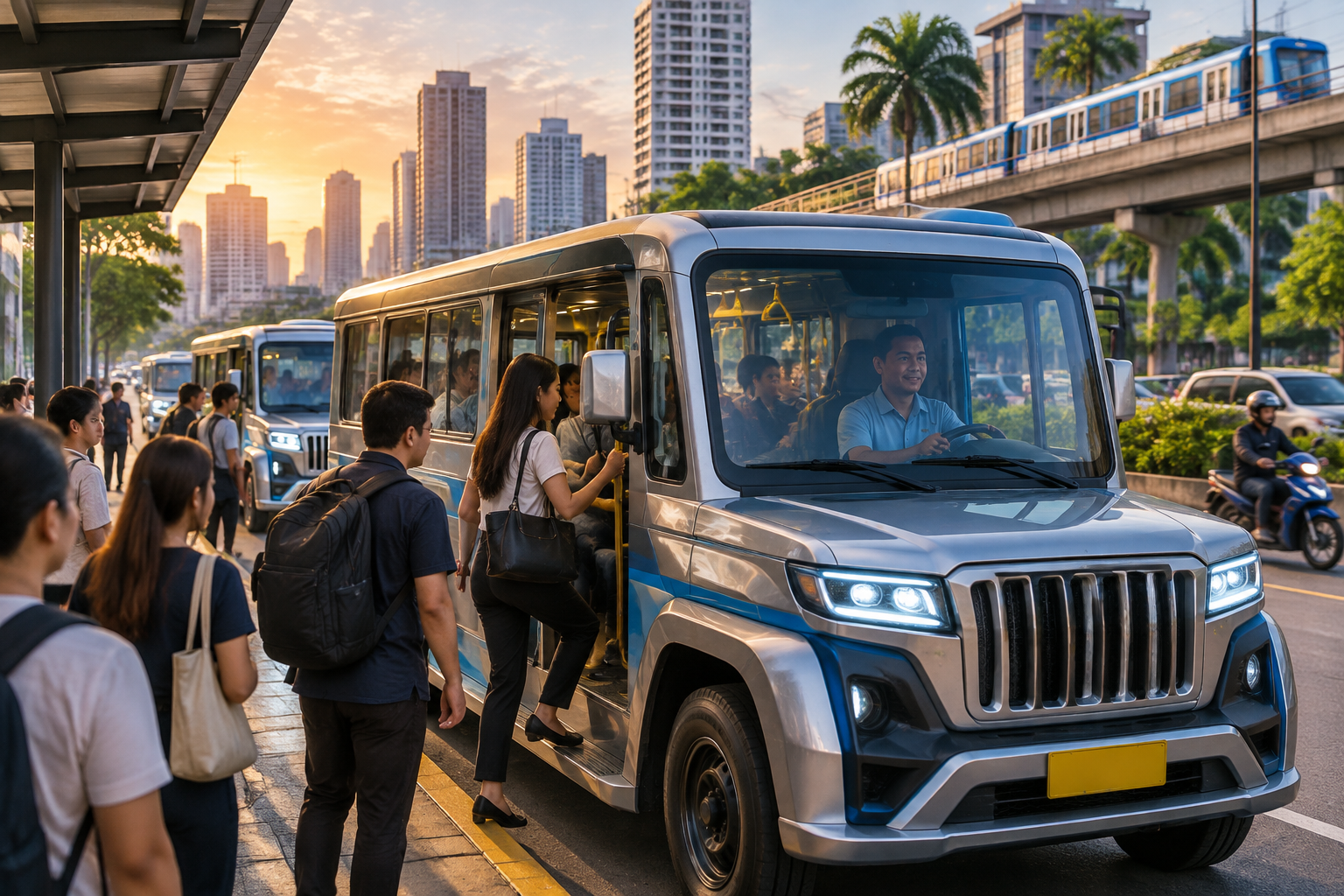
The expansion of retail chains also drives infrastructure development and urbanization. New shopping centers, logistics hubs, and distribution networks stimulate investments in roads, public transport, and utilities. These developments often attract other businesses, such as restaurants, banks, and service providers, creating economic clusters that benefit local communities. Additionally, the presence of retail giants can influence regional economic planning and policy, encouraging local governments to support business-friendly initiatives.
However, the influence of large retail companies is not entirely positive. Small, independent retailers often face stiff competition from large chains, which can offer lower prices due to economies of scale. This competitive pressure sometimes leads to the closure of family-owned shops, reducing business diversity in certain neighborhoods. To mitigate these effects, policymakers and business associations encourage partnerships between large retailers and local suppliers, ensuring that small enterprises remain integrated into the economic ecosystem.
Consumer behavior is another dimension where retail companies impact local economies. Modern retail stores offer convenience, product variety, and competitive pricing, which shape purchasing patterns. As consumers increasingly rely on these stores, demand for local goods rises, creating a symbiotic relationship between retailers and suppliers. Furthermore, promotions, loyalty programs, and digital payment options introduced by retail chains encourage more organized and efficient commerce, boosting overall economic productivity.
In summary, retail companies in the Philippines play a pivotal role in shaping local economies. They provide employment, support local producers, stimulate infrastructure development, and influence consumer habits. While challenges exist, such as competition affecting small businesses, the overall economic impact is substantial, making retail an essential driver of economic growth and social development in the country.




Leave a Reply