

A Generation That Expects Banking to Work on a Smartphone
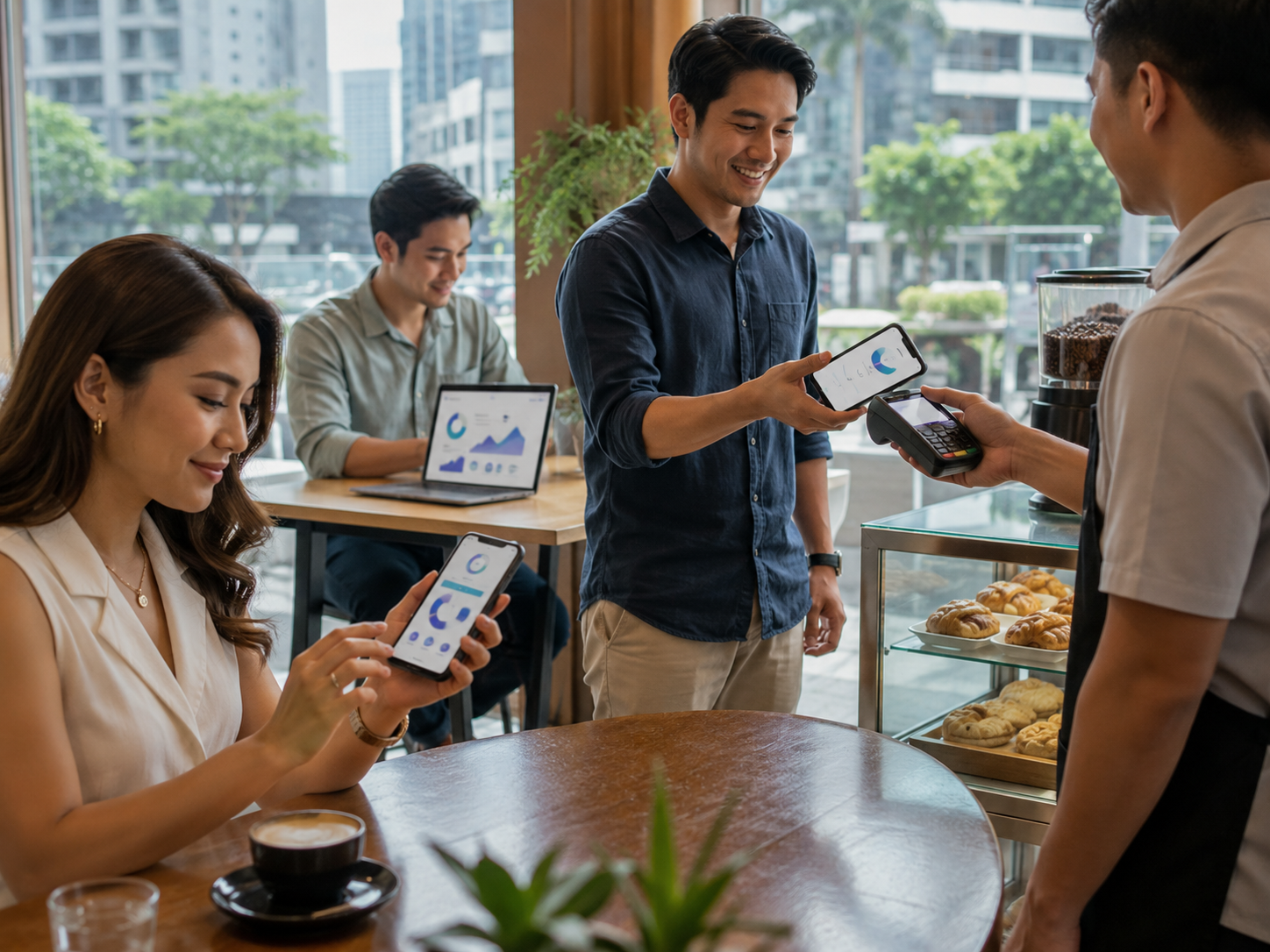
For Filipino millennials, banking is increasingly becoming an activity rather than a place. Adults born between the early 1980s and mid-1990s entered the workforce during a period when traditional banks still relied heavily on branches, paper forms, and scheduled transactions. Today, many of the same consumers expect to open accounts, transfer money, pay bills, save, borrow, and invest from a mobile phone.
This behavioral shift has helped accelerate competition among traditional banks, digital banks, and electronic wallet providers in the Philippines. Established institutions have upgraded their apps, while mobile-first players such as Maya Bank, GoTyme Bank, Tonik, CIMB Bank Philippines, UnionDigital Bank, and UNO Digital Bank have challenged older assumptions about how banking services should be delivered.
The change is supported by a broader national transition toward digital payments. According to the Bangko Sentral ng Pilipinas, the share of digital payments reached more than half of total retail payment volume in 2023, exceeding the central bank’s earlier 50 percent target. The BSP’s broader digital finance strategy can be reviewed through its Digital Payments Transformation Roadmap.
Why Mobile-First Finance Appeals to Millennials
Convenience is only part of the attraction. Filipino millennials often manage several financial responsibilities at once: rent or housing costs, family support, online subscriptions, insurance, loan payments, travel expenses, and emergency savings.
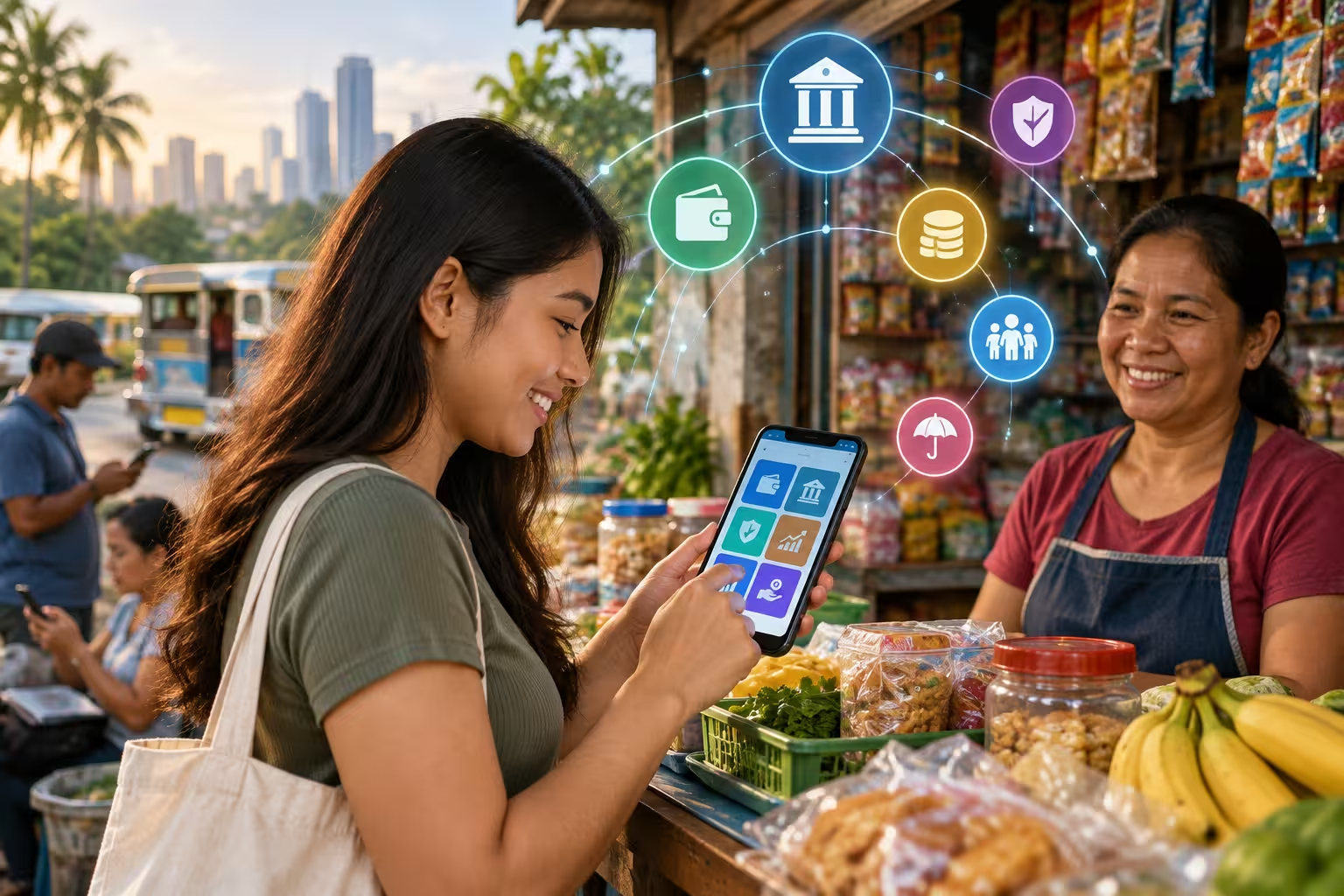
A mobile banking platform can place these obligations inside one interface. Users may receive salary payments, create savings goals, schedule bills, scan QR codes, and move money between accounts without visiting a branch.
The experience is particularly relevant in Metro Manila, Cebu, Davao, and other urban centers where long commutes can make branch visits inefficient. It also matters to freelancers, online sellers, remote workers, and gig-economy professionals whose income may not arrive through a conventional monthly payroll.
Savings Has Become More Visible
Traditional savings accounts often made progress difficult to monitor. Newer banking apps increasingly use dashboards, automated transfers, spending summaries, and separate savings goals.
This can change behavior. A millennial saving for an emergency fund may automatically move part of every salary payment into a separate account. Another user may divide savings into travel, education, housing, and family-support categories.
However, attractive promotional interest rates should not be the only reason to choose a provider. Rates and conditions can change. Consumers should also examine withdrawal rules, account requirements, security controls, customer support, and whether deposits are protected by the Philippine Deposit Insurance Corporation when the product is offered by a licensed bank.
Credit Is Becoming Faster, but Not Necessarily Simpler
Digital finance has also expanded access to credit. Applications that once required branch visits may now be completed online, and some platforms use alternative information to assess borrowers with limited traditional credit histories.
The speed can help responsible users handle urgent expenses or finance productive needs. Yet faster borrowing can also make repeated debt easier to accumulate.
A useful comparison should focus on the total amount payable, effective interest rate, fees, penalties, repayment schedule, and consequences of late payment. The smallest monthly installment is not automatically the least expensive option.
Security Will Define the Next Phase of Growth
As digital finance becomes more common, scams, phishing messages, fake support accounts, and social-engineering attacks remain serious risks. Millennials who are comfortable with technology can still be vulnerable when criminals create convincing messages around urgent transfers or account verification.
Banks and financial platforms can improve authentication and fraud detection, but users also need disciplined habits. One-time passwords should never be shared, suspicious links should be avoided, and financial accounts should use strong, unique credentials.
The strongest financial provider for a millennial is therefore not simply the app with the most features. It is the institution that combines convenience, transparent pricing, dependable protection, and products that support long-term financial goals.










Leave a Reply