


The Philippines has witnessed significant transformations in its financial infrastructure over the past decade, particularly in the realm of digital payments. Among these developments, real-time payment (RTP) systems have emerged as a pivotal force reshaping how Filipinos and businesses conduct financial transactions. These systems enable instantaneous transfer of funds between bank accounts, offering both convenience and efficiency that traditional payment methods cannot match.
The central driving force behind the RTP revolution in the Philippines has been the Bangko Sentral ng Pilipinas (BSP), the country’s central bank. In 2018, the BSP initiated the National Retail Payment System (NRPS), a comprehensive framework designed to modernize payment methods and encourage the shift toward digital transactions. A key component of the NRPS is the Philippine Electronic Fund Transfer System (PhilPaSS+) and InstaPay, which serve as the backbone of real-time retail payments in the country. These systems allow individuals and businesses to conduct low-value fund transfers instantly, 24/7, breaking the constraints of traditional banking hours.
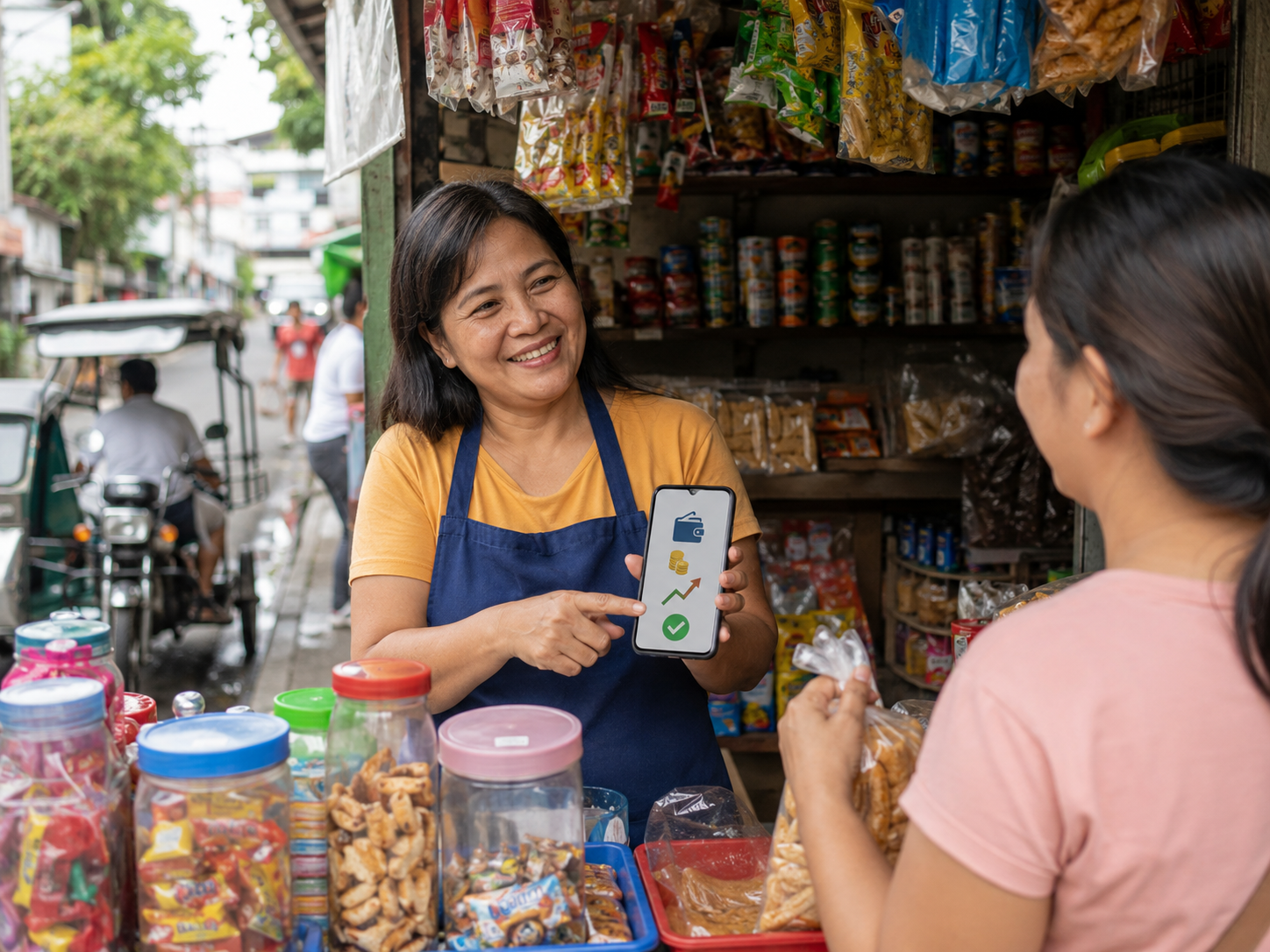
InstaPay, launched by the network of Philippine banks and BSP, has gained widespread adoption due to its accessibility and user-friendly interface. The platform allows transfers using mobile numbers, email addresses, or bank account numbers, minimizing the need for complex banking procedures. This capability has been particularly beneficial in a country where mobile penetration is high, but banking accessibility remains uneven. By integrating RTP systems with mobile wallets and online banking platforms, the Philippines has been able to accelerate financial inclusion, particularly for underserved populations in rural areas.
Beyond individual users, real-time payment systems have also transformed business operations. Small and medium enterprises (SMEs) can now execute supplier payments, payroll disbursements, and customer refunds instantly, reducing the risks associated with delayed transactions. Additionally, the speed and traceability of RTP systems enhance transparency, supporting anti-money laundering and regulatory compliance initiatives. Government agencies have also explored these systems for efficient distribution of social benefits, disaster relief funds, and tax refunds, demonstrating the versatility of real-time payment infrastructure.
Technological innovation has played a crucial role in ensuring the security and reliability of these systems. Modern RTP platforms leverage end-to-end encryption, multi-factor authentication, and transaction monitoring tools to protect users from fraud and unauthorized access. The Philippine financial sector has been proactive in integrating these safeguards, establishing robust cybersecurity protocols that align with international standards.
Despite these advancements, challenges remain. Interoperability between different banks and e-wallet providers, transaction limits, and occasional system downtimes are areas that require ongoing improvement. Nevertheless, the trajectory of real-time payment adoption in the Philippines suggests a promising future. As consumer trust in digital financial services grows, and as technological capabilities expand, the country is well-positioned to embrace a fully digital financial ecosystem where payments are instantaneous, seamless, and secure.
Ultimately, the development of RTP systems in the Philippines represents more than just a technological upgrade—it reflects a broader shift toward financial modernization, digital inclusion, and economic efficiency. By combining policy support, technological innovation, and user-centric design, the Philippines is steadily moving toward a cash-light society where digital payments are the norm rather than the exception.










Leave a Reply