


Life insurance is increasingly becoming a key component of financial planning among Filipino households as families face changing economic conditions, rising living costs, and uncertainty about future income stability. Traditionally, many Filipinos viewed insurance as an optional financial product rather than an essential protection tool. However, growing awareness about financial resilience has changed how households approach risk management.
For millions of Filipino families, particularly those depending on a single income earner, the sudden loss of a family member due to illness, accident, or unexpected events can create severe financial pressure. Life insurance provides a structured solution by ensuring that beneficiaries receive financial support when they need it most.
According to the Insurance Commission of the Philippines, the country’s insurance sector continues to expand as more consumers recognize the importance of protection products. The latest industry updates and reports are available through the official Insurance Commission website:
https://www.insurance.gov.ph/
The increasing adoption of life insurance reflects a broader shift toward proactive financial preparation rather than relying only on savings or government assistance.
How Life Insurance Provides Financial Stability for Filipino Families
Protecting Income When Unexpected Events Occur
One of the most significant roles of life insurance is replacing lost income after the death of a policyholder. In many Filipino households, a parent or primary income earner supports daily expenses such as housing payments, education costs, healthcare needs, and family necessities.
Without financial protection, families may struggle to maintain their standard of living after losing their main source of income. Life insurance benefits can help cover immediate expenses while providing long-term financial support.
For example, a family in Metro Manila relying on a father’s monthly salary may face serious difficulties if he unexpectedly passes away. A life insurance policy can provide funds for mortgage payments, children’s tuition fees, and daily household expenses while family members adjust to their new circumstances.
Supporting Long-Term Financial Goals Beyond Protection
Modern life insurance products in the Philippines are no longer limited to traditional death benefits. Many policies now combine protection features with savings and investment components, allowing policyholders to build financial resources while securing their families.
Products such as variable life insurance and investment-linked insurance plans have attracted attention among Filipinos who want both protection and potential financial growth.
These solutions are particularly relevant for younger professionals who are starting careers, building families, and planning for future goals. Instead of viewing insurance only as a response to emergencies, many Filipinos now consider it part of a broader financial strategy.
Life Insurance as a Response to Economic Challenges in the Philippines
Rising Costs and the Need for Financial Preparedness
Filipino families are experiencing increasing financial pressures due to inflation, healthcare expenses, and educational costs. These challenges have encouraged more individuals to evaluate their ability to handle unexpected financial disruptions.
The Philippine Statistics Authority regularly publishes economic indicators that help illustrate household financial conditions, including inflation and consumer price trends:
https://psa.gov.ph/
These economic realities highlight why financial protection products are becoming more important. Savings alone may not always be enough to cover major emergencies, especially when families face sudden loss of income.
Life insurance acts as a financial safety mechanism that allows families to prepare before difficulties occur.
Real-Life Context: Overseas Filipino Workers and Family Protection
A unique factor influencing life insurance demand in the Philippines is the large number of Overseas Filipino Workers (OFWs). Many OFW families depend heavily on remittances as a primary source of household income.
When an OFW experiences a life-threatening event abroad, the financial impact can affect entire families. Life insurance provides an additional layer of protection by helping dependents manage expenses and maintain stability.
For example, an OFW supporting children’s education and parents’ healthcare needs may use life insurance as a safeguard against the disruption caused by unexpected events overseas.
This situation demonstrates that life insurance is not only a personal financial product but also a family security strategy connected to the economic realities of Filipino households.
Increasing Financial Awareness Among Filipino Consumers
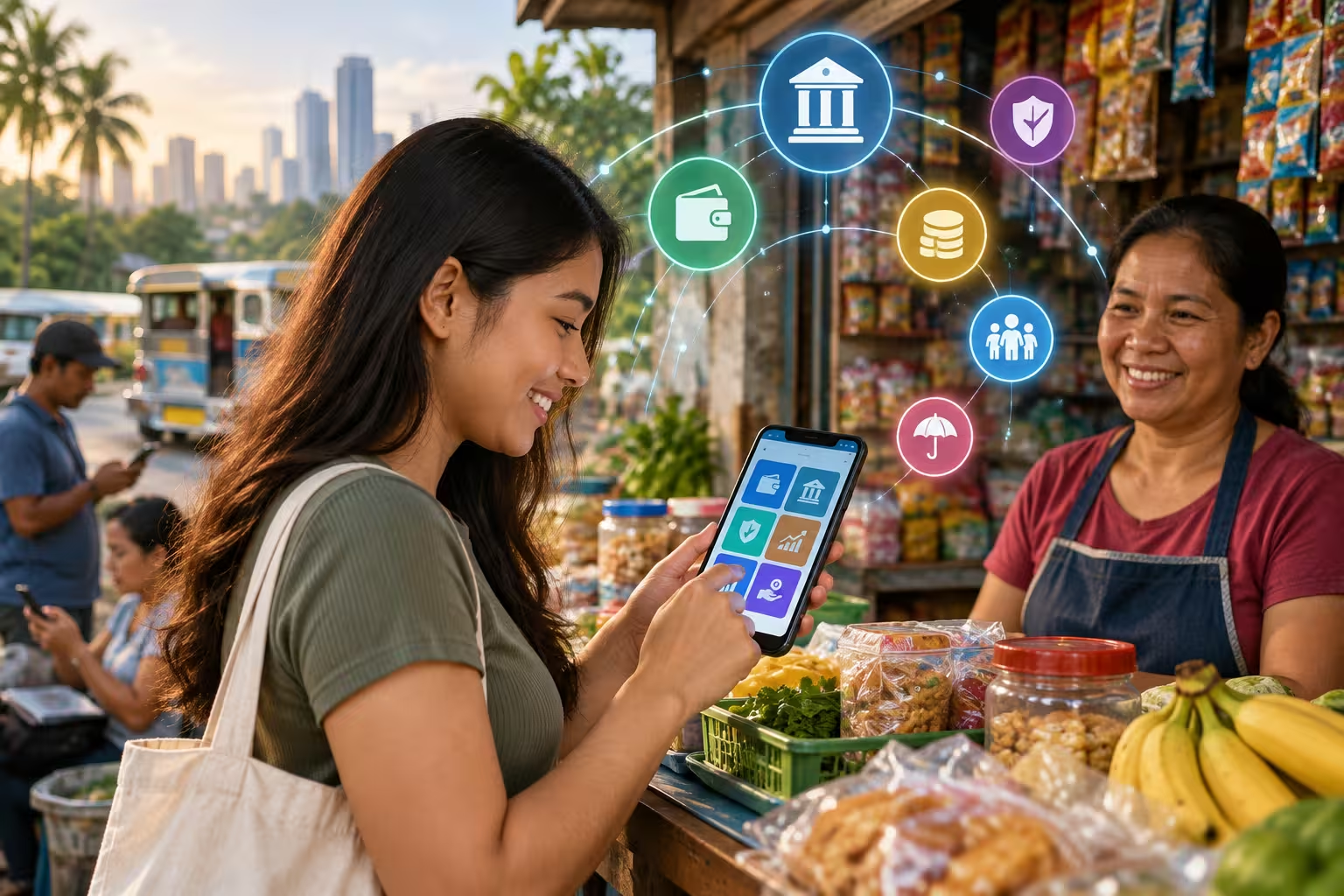
Financial education initiatives, digital insurance platforms, and easier access to online services have contributed to greater awareness of insurance benefits. Younger generations are increasingly researching financial products online and comparing options before making decisions.
Insurance companies in the Philippines are also developing digital solutions that allow customers to apply for policies, manage payments, and access information more conveniently.
This digital transformation helps reduce traditional barriers such as limited knowledge, complicated processes, and lack of accessibility.
Building a More Financially Resilient Filipino Society
Life insurance plays a significant role in strengthening financial security by helping families prepare for uncertain situations while supporting long-term financial planning. As Filipino households become more aware of the importance of risk management, insurance is gradually becoming a necessary part of responsible financial decision-making.
The growing acceptance of life insurance represents a cultural change in how Filipinos view financial protection. Instead of waiting for emergencies to happen, more families are taking preventive steps to protect their future, preserve financial independence, and create greater stability for the next generation.












Leave a Reply