

Across the Philippines’ 7,641 islands, millions of adults still live hours away from the nearest bank branch. Yet in 2026, that isolation is beginning to lose its grip. According to the Bangko Sentral ng Pilipinas’ Financial Inclusion Dashboard, account ownership among Filipino adults has climbed to 68 percent in early 2026, up from less than 30 percent in 2019, driven largely by mobile wallets and agent-based banking. This progress is reshaping how remote communities in Palawan, Sulu, Samar, and the Cordillera save, borrow, and transact.
The Archipelago’s Unique Last-Mile Challenge
The Philippines has more than 7,600 islands, many with rugged terrain, poor road networks, and limited electricity. For commercial banks, opening a physical branch in a small island municipality or upland barangay is rarely profitable. As a result, rural adults often rely on informal lenders, pawnshops, or cash kept under mattresses. The cost of travel alone can eat up a day’s wage, making formal finance impractical for fisherfolk, subsistence farmers, and micro-entrepreneurs. This geography-driven exclusion has long kept millions outside the banking system.
Digital Wallets and Agent Networks Expand the Safety Net
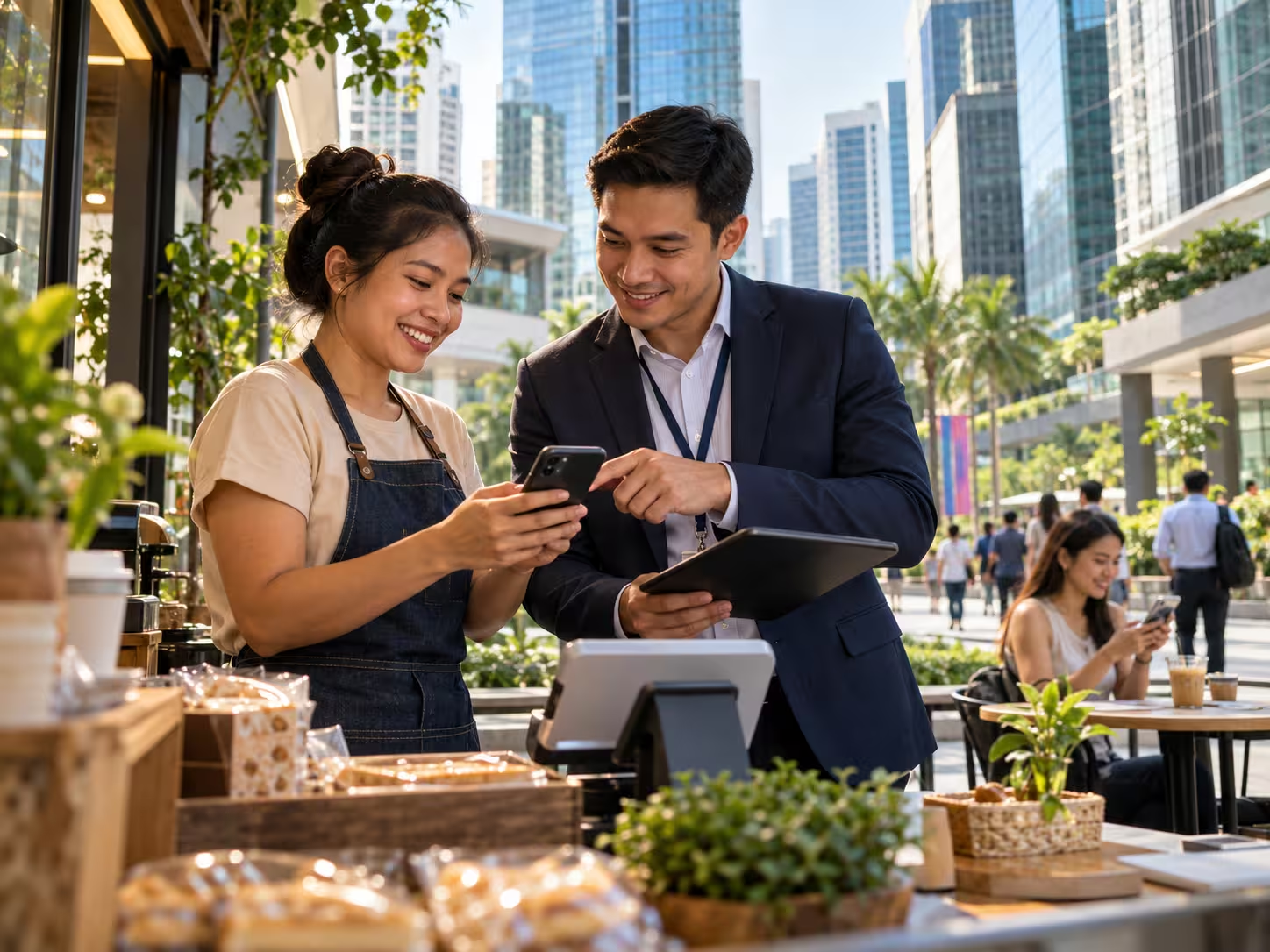
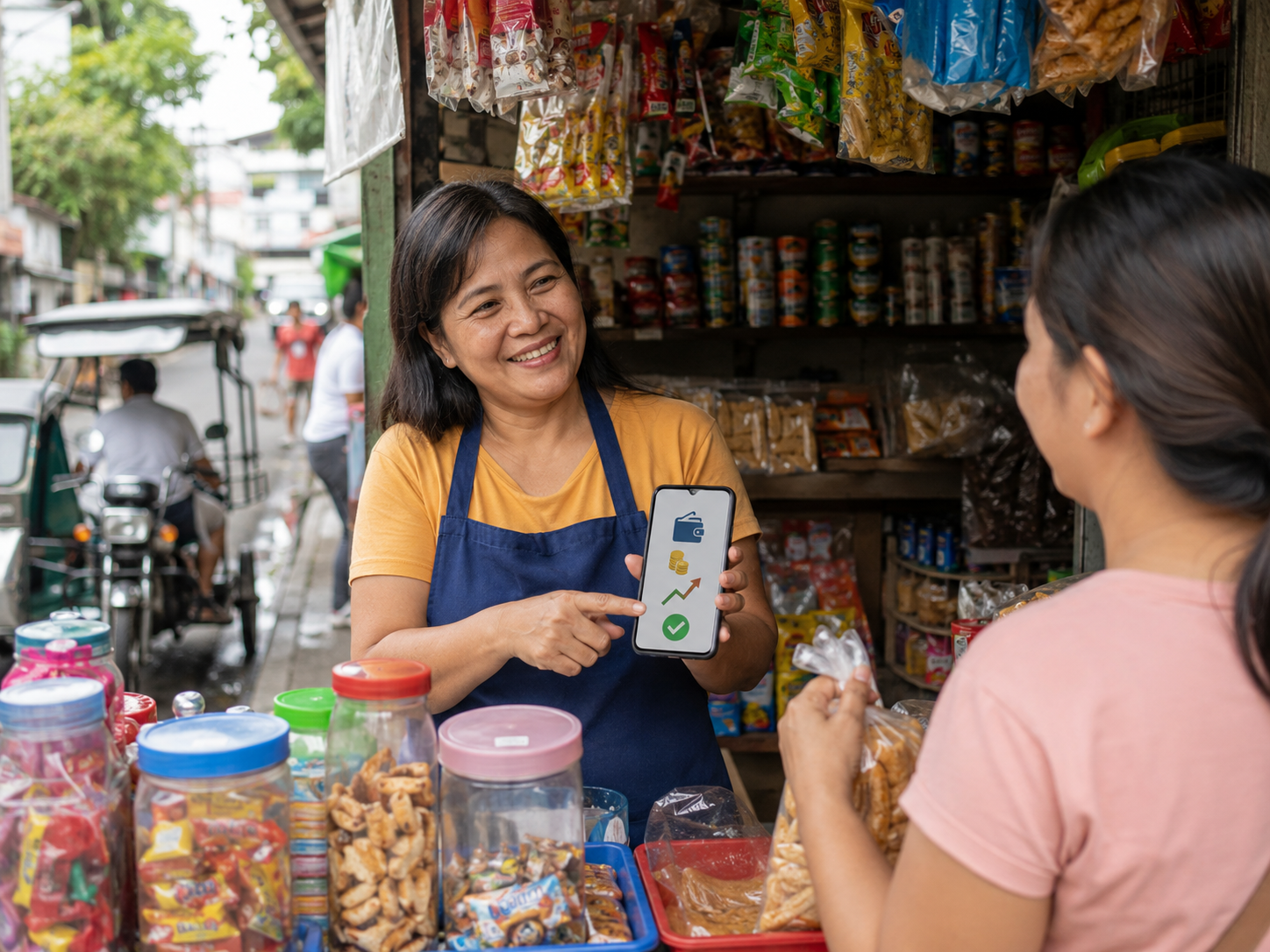
Mobile wallets such as GCash and Maya have turned ordinary sari-sari stores, pharmacies, and remittance counters into de facto bank branches. In 2026, agent banking now covers thousands of previously unserved barangays, allowing residents to cash in, cash out, pay bills, and receive government aid without traveling to a city. A fisher in Coron can sell his catch and receive payment through a QR code, then convert a portion to cash at a roadside agent. The low cost and speed of these transactions reduce leakage and increase trust in digital finance.
Government and Private Sector Push for a Cash-Lite Countryside
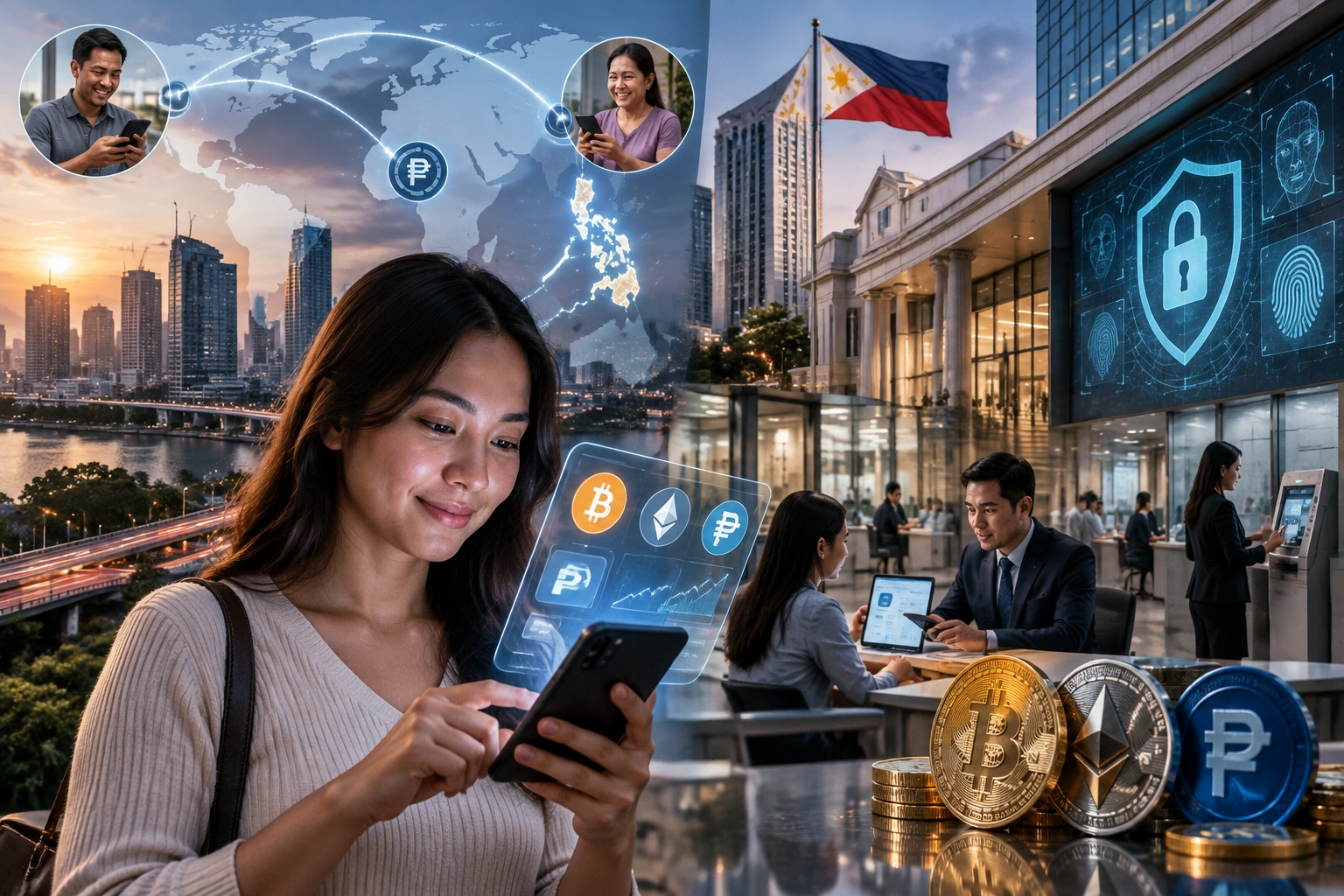
The BSP’s National Strategy for Financial Inclusion 2022–2028 has given policy momentum to digital payments, microinsurance, and microcredit. Programs such as Paleng-QR Ph Plus have enrolled public markets in provinces, training vendors to accept QR Ph payments. The national ID system, PhilSys, has made identity verification easier for rural applicants, while digital banks like Maya Bank, GoTyme, and Tonik offer high-interest savings accounts with no minimum balance. The Department of Social Welfare and Development’s conditional cash transfer program now pays beneficiaries digitally, pulling millions of low-income households into the formal system.
Real-World Impacts in Palawan and Sulu
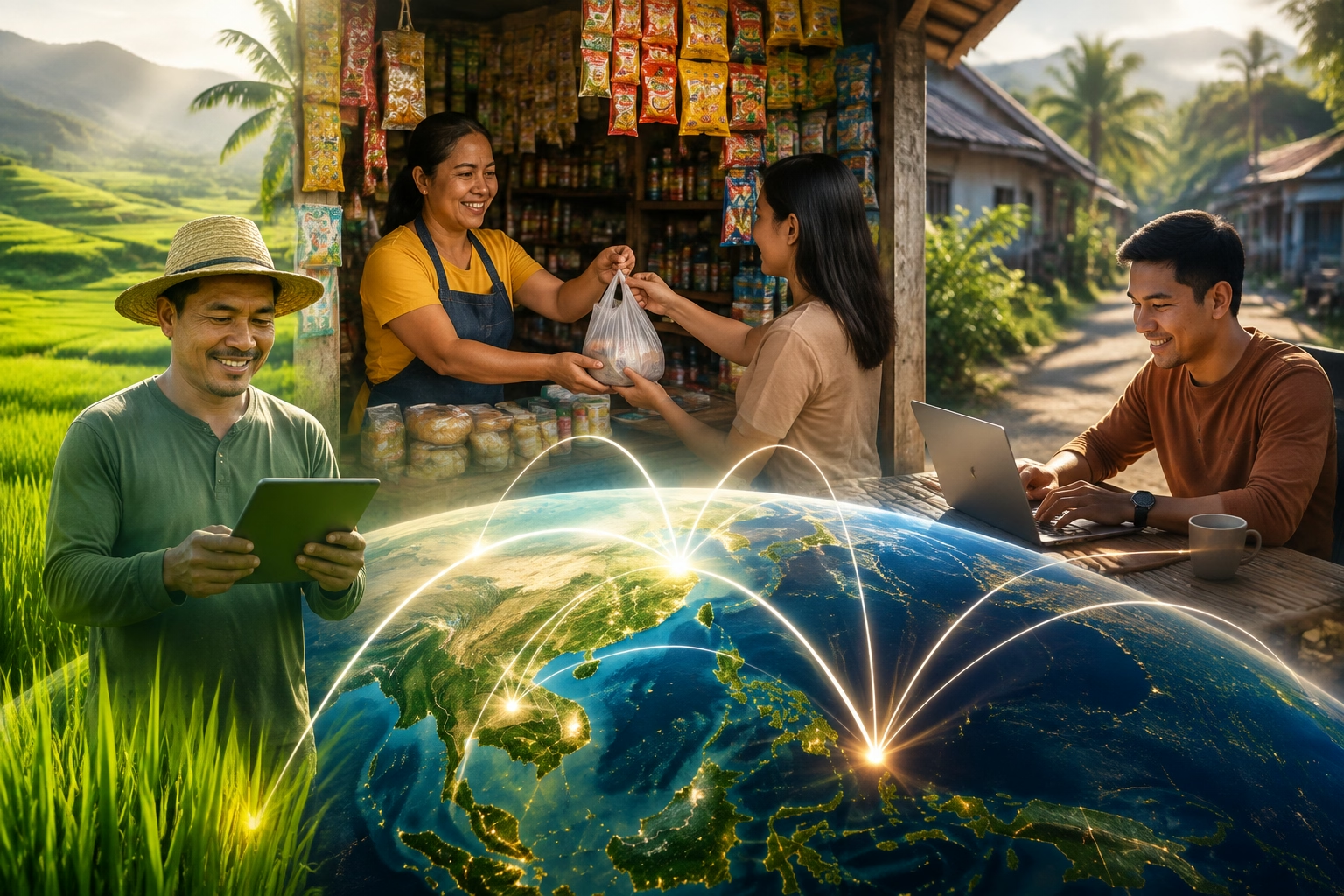
In Palawan’s remote fishing villages, women running small sari-sari stores now accept digital payments and use transaction histories to access microcredit. In Sulu, cooperatives have partnered with e-wallet providers to distribute microloans for seaweed farming. These cases show that inclusion is not just about opening accounts but about creating a cycle of savings, credit, insurance, and investment that strengthens local economies. The shift from cash to digital records also gives informal workers a verifiable financial identity for the first time.
The Next Frontier
Despite the gains, connectivity gaps, smartphone affordability, and digital literacy remain barriers in the most isolated areas. Expanding satellite internet coverage, lowering data costs, and offering more local-language financial education will determine whether the Philippines can reach the hardest-to-serve households. The 2026 landscape suggests the country is moving in the right direction, but the final mile will require continued coordination among regulators, telecoms, fintechs, and rural communities.
Keywords: financial inclusion Philippines 2026, digital wallets rural Philippines, agent banking Philippines, BSP financial inclusion, remote communities financial access
Meta Description: Digital wallets and agent banking are bridging the Philippines’ island-wide financial divide in 2026. Learn how remote communities in Palawan and Sulu are gaining access.







Leave a Reply