


The Silent Revolution in Manila’s Financial Architecture
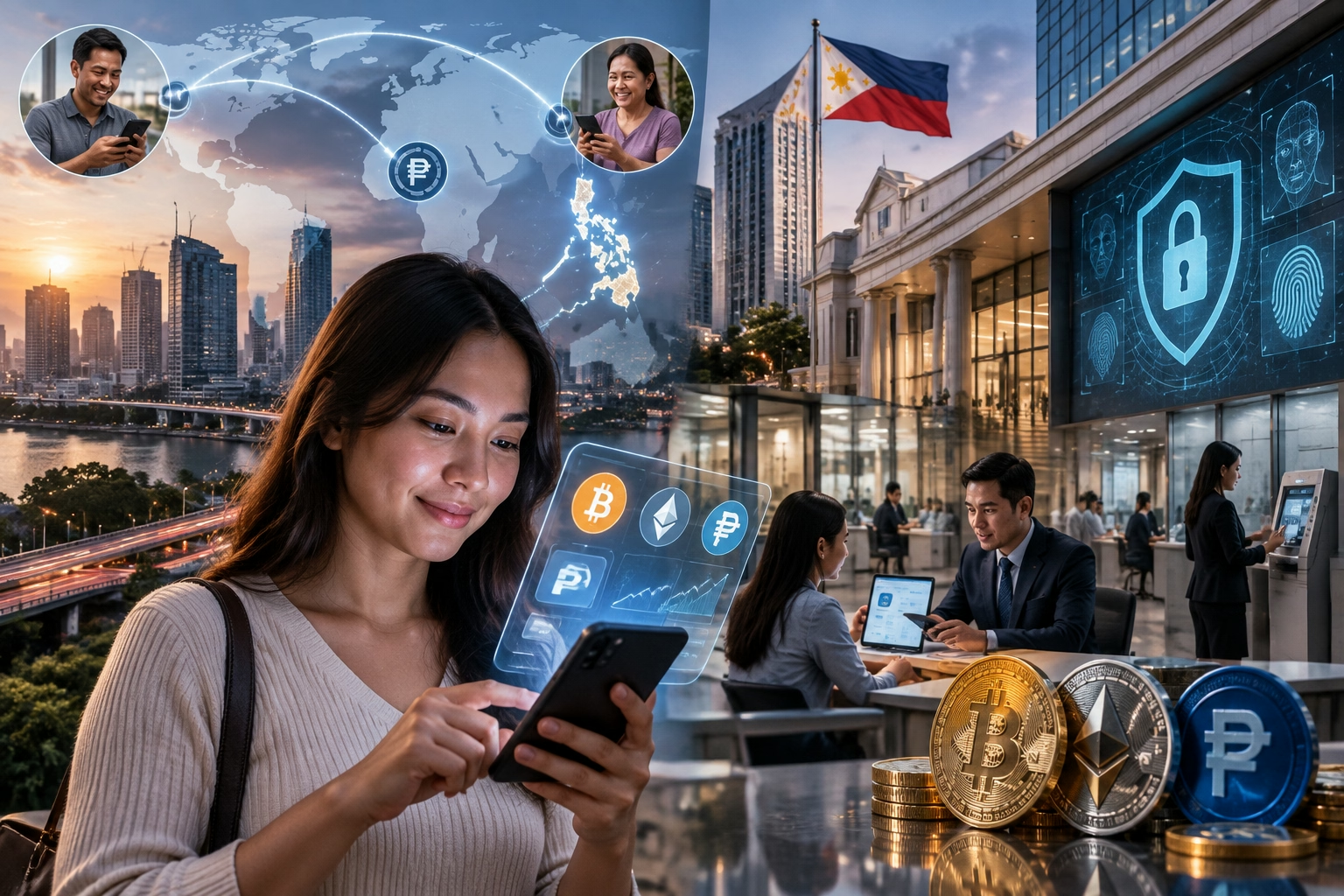
Behind the glass facades of BGC and Makati, a quiet but profound transformation is rewriting the rules of financial inclusion. The Bangko Sentral ng Pilipinas (BSP) has moved beyond theoretical frameworks. In 2026, the Open Finance Framework, anchored on Circular No. 1122, is no longer a pilot concept; it is the operational backbone of a new credit economy.
Beyond the Traditional Credit Score
For decades, millions of Filipinos remained invisible to formal lenders. Without a traditional credit history from a major bank, accessing a loan meant navigating predatory lending or relying on informal sources. Open Finance obliterates this barrier.
By leveraging standardized Application Programming Interfaces (APIs), consumers can now authorize lenders to access up to 24 months of their transactional data from e-wallets, digital banks, and remittance channels. This isn’t just about sharing bank statements; it’s about constructing a reliable financial identity from the digital footprints people already leave behind.
The Legislative Catalyst: House Bill 9149
The momentum is not solely regulatory. The proposed Open Finance and Consumer Data Empowerment Act of 2025 (House Bill No. 9149) seeks to codify these practices into law. By establishing a Consumer Data Commission, the bill aims to ensure that the data-sharing ecosystem operates with robust safeguards, preventing “data creep” while mandating transparent consent mechanisms.
Real-World Impact: The PERA Pilot as a Proof Point
The theory of Open Finance is compelling; its application is transformative. The BSP’s Open Finance for PERA (Personal Equity and Retirement Account) Pilot serves as the most tangible evidence of success. Launched in July 2025, the pilot allowed customers of GCash, UnionBank, PNB, and RCBC to open retirement accounts seamlessly by consenting to share their KYC data.
The results were immediate. By the end of 2025, nearly 67% of new PERA accounts across major administrators were opened through this consent-driven channel. This proves that when friction is removed, Filipinos are eager to engage with long-term financial products.
What Lies Ahead for Filipino Borrowers
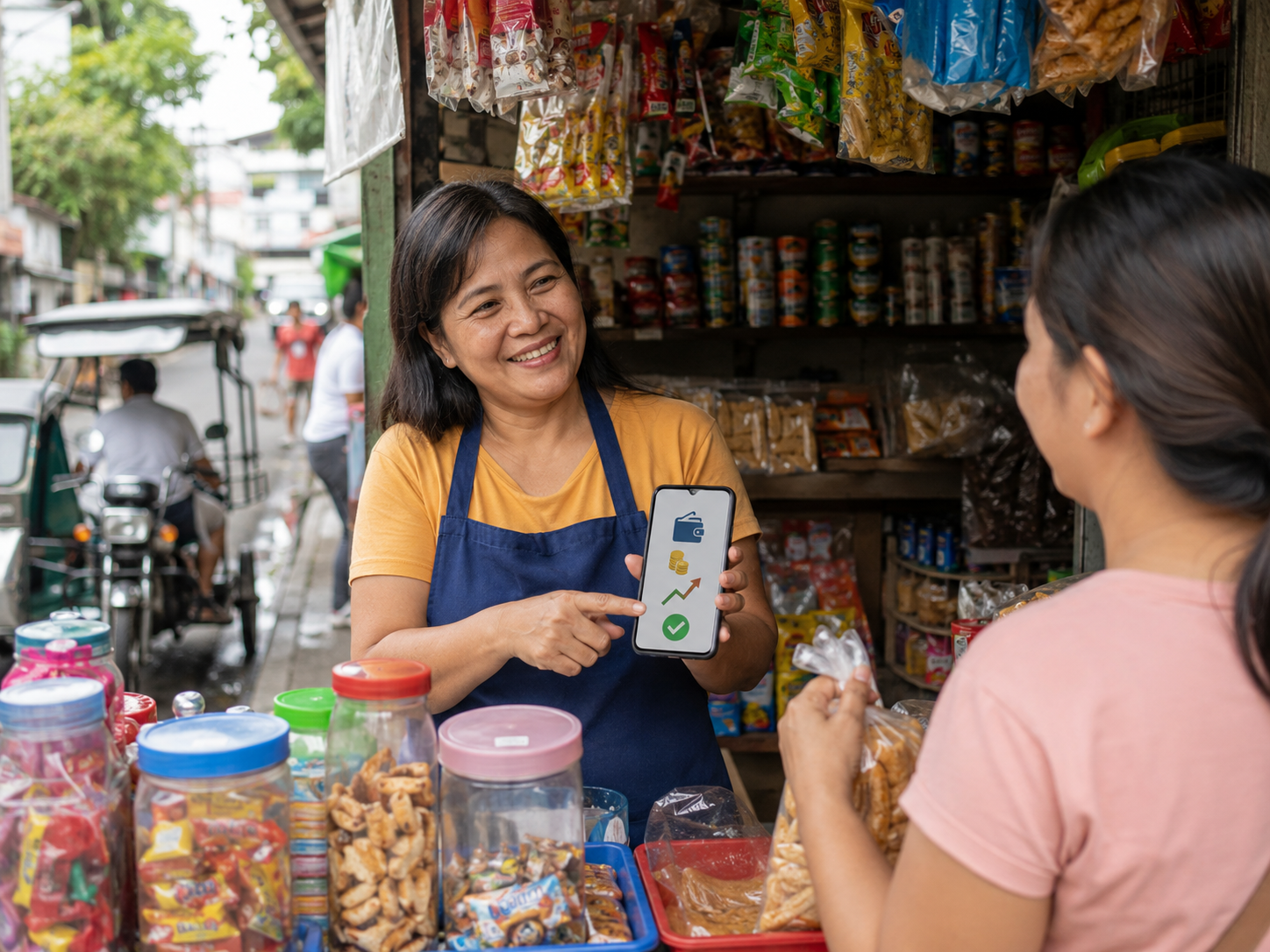
The horizon for 2026 and beyond points toward a fully integrated credit ecosystem. The BSP is actively expanding use cases beyond retirement savings into micro-lending and insurance. For the everyday Filipino, this means the ability to use their GCash transaction history to secure a small business loan at a fair interest rate, effectively democratizing capital.









Leave a Reply