

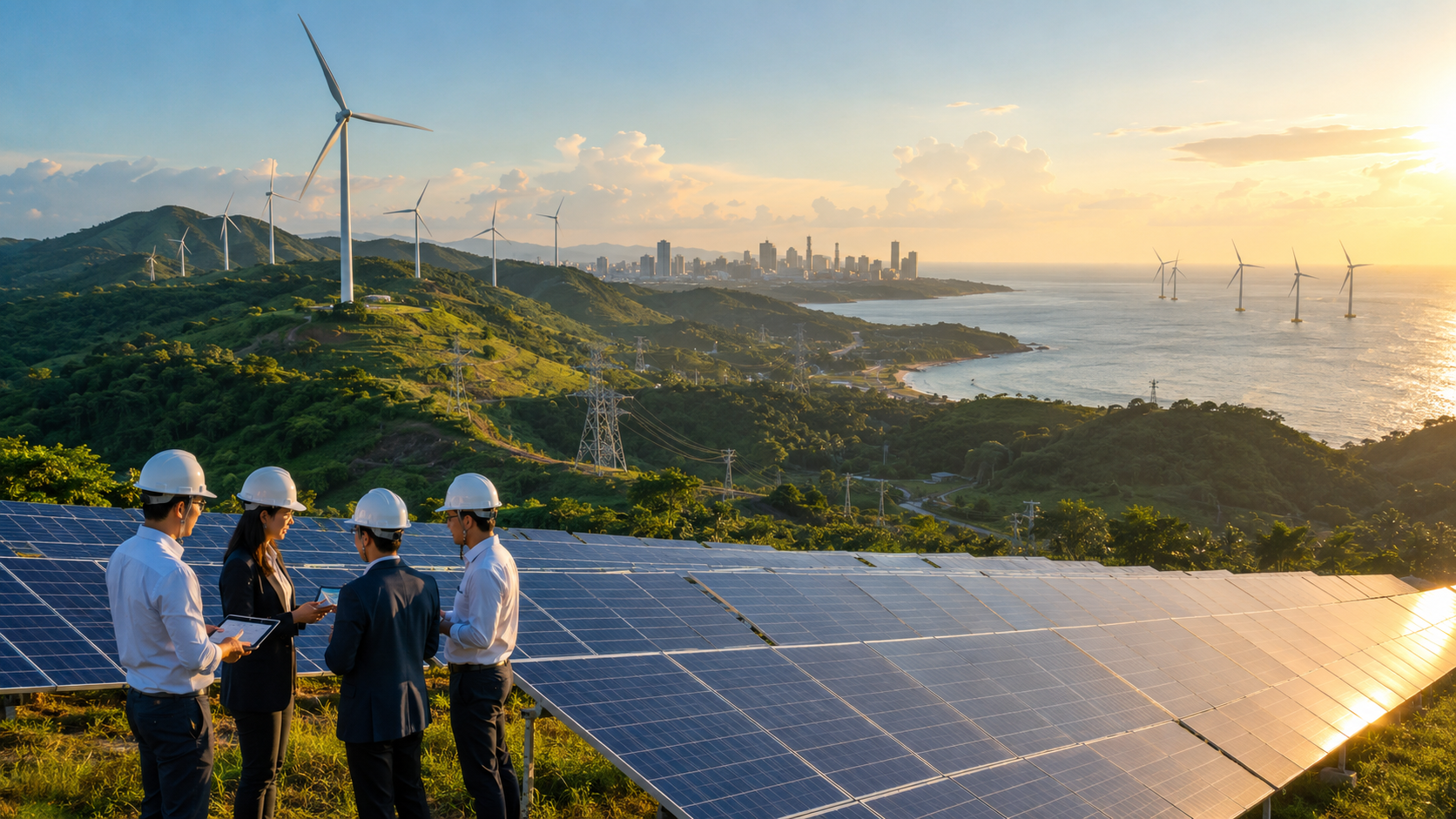
The Philippines is no longer just one of Asia’s most climate-vulnerable nations—it is becoming one of the region’s most active green finance laboratories. In 2026, the convergence of central bank regulation, sovereign green bond momentum, and private sector appetite is turning sustainable finance from a niche compliance topic into a mainstream investment strategy.
The Regulatory Backbone: BSP’s Sustainable Central Banking Program
The Bangko Sentral ng Pilipinas (BSP) has moved aggressively to embed climate risk into the financial system. Its Sustainable Central Banking Program, outlined on the BSP website (https://www.bsp.gov.ph/, accessed August 2026), now requires banks to integrate environmental and social risks into governance, credit underwriting, and stress testing. In 2026, Philippine banks are not only reporting green loan volumes; they are designing sustainability-linked credit facilities with pricing incentives for borrowers that meet emissions or energy efficiency targets. This shift has transformed the BSP from a passive regulator into a market catalyst.
Green and Sustainability Bond Market Growth
The Philippines entered the sovereign green bond market in 2022 with a $600 million issuance, and the pipeline has since broadened. Corporate issuers such as ACEN, Ayala Corporation, and major universal banks have tapped peso and dollar green bonds to fund renewable energy, green buildings, and low-carbon transport. The Securities and Exchange Commission’s green bond guidelines provide clarity on use of proceeds, external review requirements, and post-issuance reporting, which reduces greenwashing risk and strengthens investor confidence. In 2026, the total outstanding Philippine green, social, and sustainability bonds continues to rise, supported by refinancing waves and new infrastructure projects.
Where the Investment Opportunities Are
Renewable Energy Project Finance
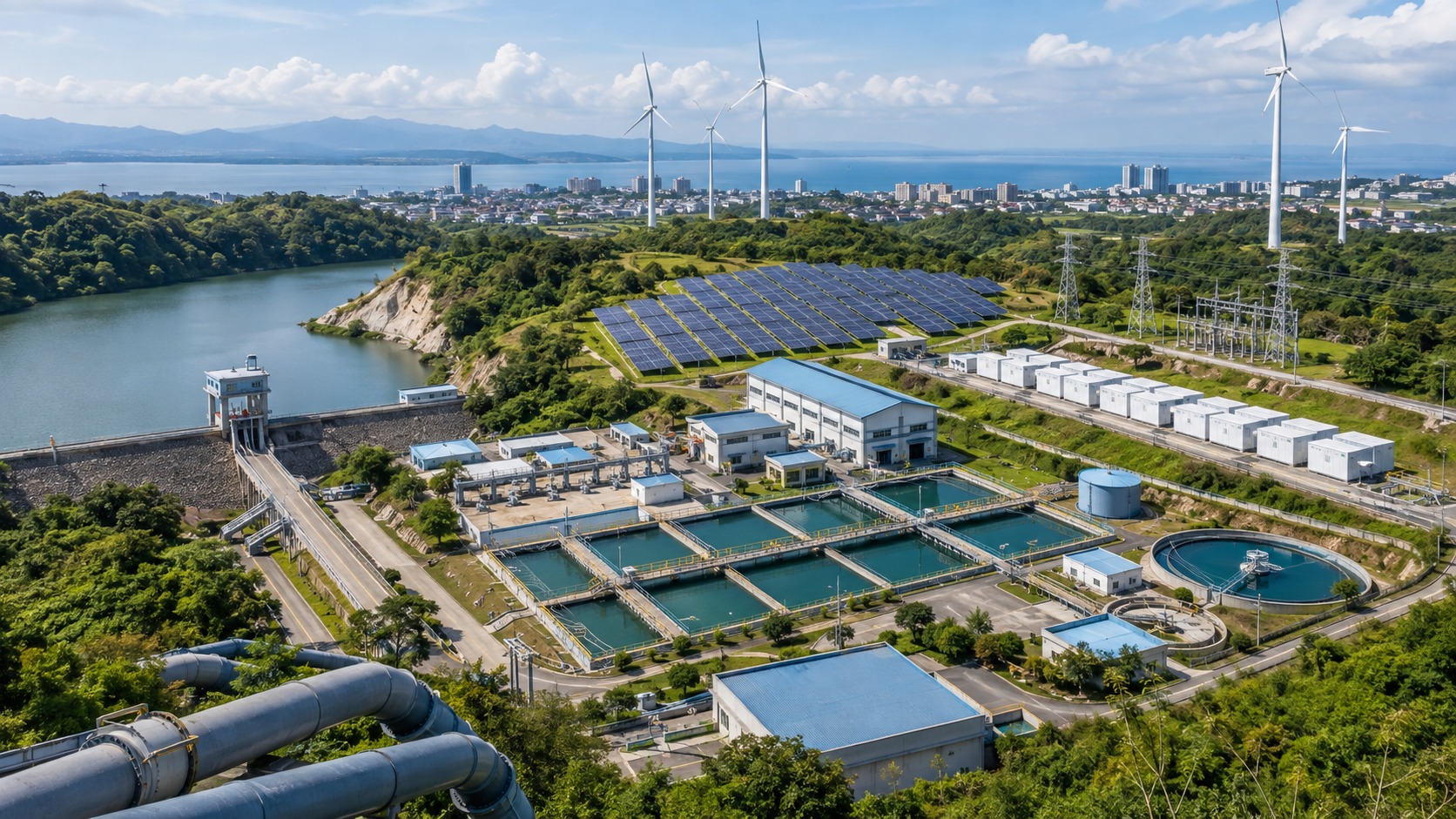
The National Renewable Energy Program targets 35% renewable energy by 2030 and 50% by 2040, creating a project backlog exceeding 20 GW across solar, wind, geothermal, and battery storage. The Department of Energy’s Green Energy Auction Program has allocated thousands of megawatts of renewable capacity through competitive bidding, giving developers revenue certainty. For investors, this translates into opportunities in green bonds, project finance syndications, and listed renewable energy companies.
Climate-Aligned Banking and ESG Funds
Philippine banks now offer green time deposits, sustainability-linked corporate loans, and dedicated ESG unit investment trust funds. The BSP’s push for climate stress testing has also encouraged lenders to publish financed emissions data, giving institutional investors a clearer view of portfolio climate risk. International asset managers are using this data to allocate to Philippine banks and corporates that demonstrate credible transition plans.
The 2026 Outlook for Investors
The combination of regulatory clarity, a deep renewable pipeline, and growing international demand for ASEAN green assets positions the Philippines as a compelling destination for sustainable capital. While challenges remain—such as grid bottlenecks, insurance costs, and data gaps—the direction of travel is unmistakable. Asset owners who enter early through green bonds, ESG-linked loans, or listed renewable vehicles may capture both climate impact and long-term yield.










Leave a Reply