


Micro, small, and medium enterprises (MSMEs) remain one of the most important drivers of economic activity in the Philippines. Representing the majority of registered businesses and providing millions of employment opportunities, MSMEs play a critical role in strengthening local economies. However, limited access to affordable financing, inefficient payment systems, and gaps in financial technology adoption have historically restricted their ability to expand.
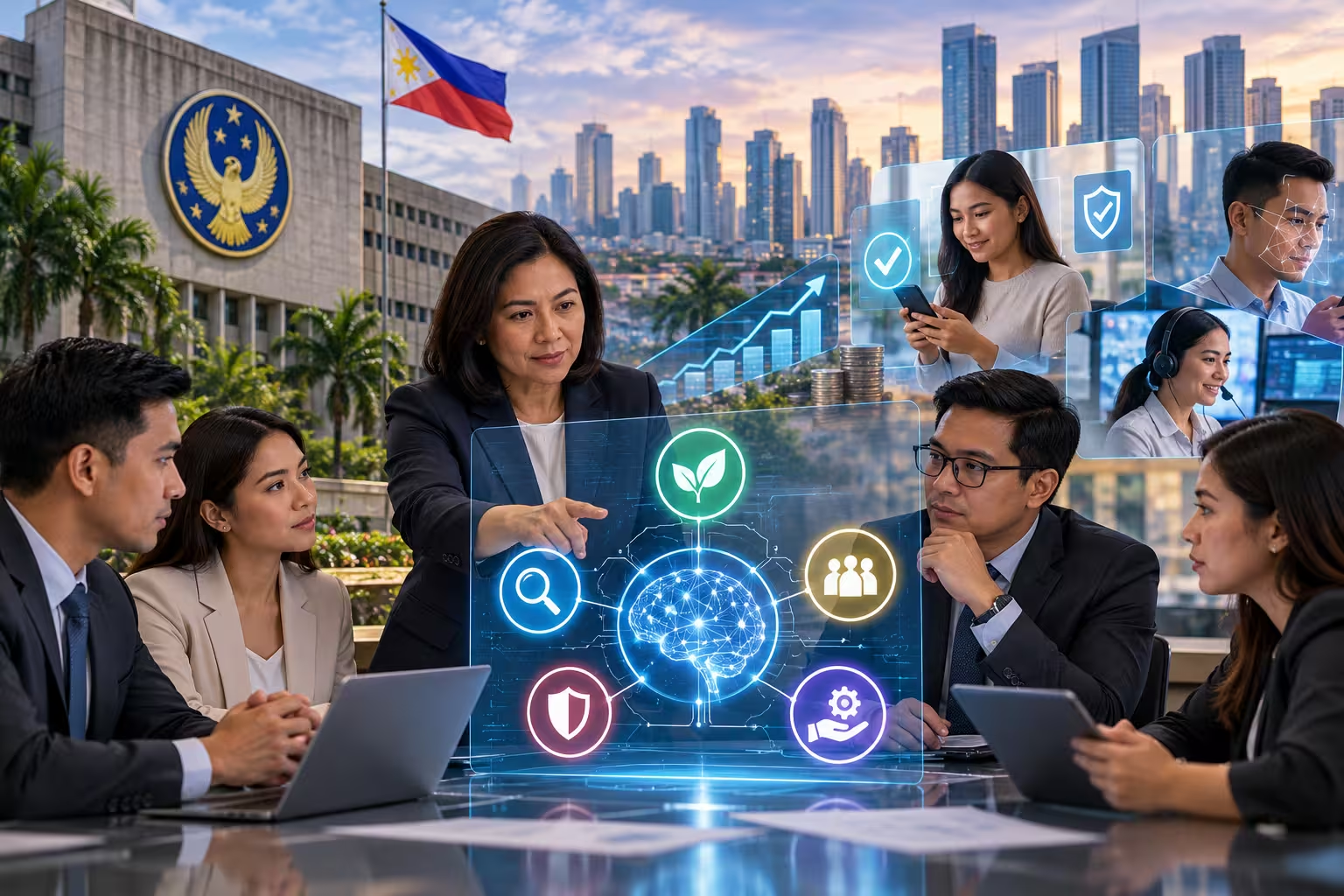
To address these challenges, the Philippine government, financial institutions, and technology companies are accelerating the development of a modern financial infrastructure ecosystem. Through digital banking expansion, improved payment networks, and financial inclusion programs, the country is creating new opportunities for MSMEs to access capital, manage transactions, and compete in an increasingly digital marketplace.
Digital Transformation Becomes the Foundation of MSME Financial Access
One of the biggest changes in the Philippine financial landscape is the rapid adoption of digital financial services. Traditional banking barriers, including strict documentation requirements and limited branch accessibility, have prevented many small businesses from obtaining formal financial support.
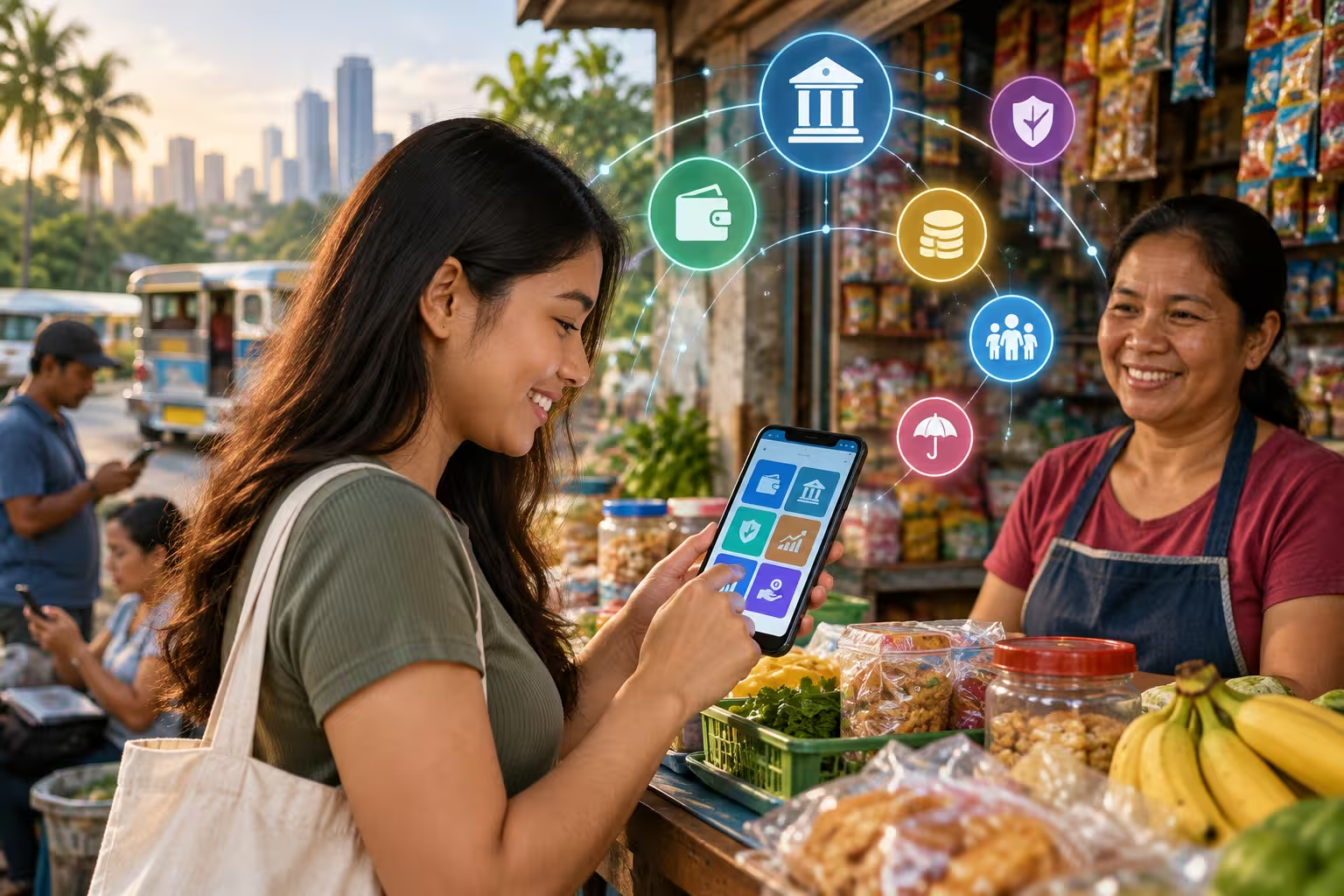
Digital banking platforms are helping overcome these limitations by offering faster account opening processes, online payment solutions, and alternative credit assessment methods. For MSMEs operating in rural provinces, digital financial services provide access to banking facilities without requiring physical visits to financial institutions.
The Bangko Sentral ng Pilipinas (BSP) has identified digital transformation as a major pillar of financial inclusion. According to the BSP’s Digital Payments Transformation Roadmap, the country continues to increase digital payment adoption with the goal of making transactions more accessible and efficient.
Official data from the BSP shows that digital payments accounted for 52.8% of total retail payment transactions in 2023, reflecting a significant shift from cash-based commerce toward digital financial ecosystems. The latest updates and financial inclusion reports are available through the BSP official portal:
https://www.bsp.gov.ph
This transition directly benefits MSMEs by allowing small merchants to accept electronic payments, build transaction histories, and potentially qualify for future financial products.
Fintech Innovation Creates New Financing Opportunities for Small Businesses
A major challenge faced by Philippine MSMEs is limited access to business loans. Many entrepreneurs operate informally or lack traditional credit records, making them difficult customers for conventional banks.
Fintech companies are changing this situation by introducing alternative lending models. Instead of relying only on traditional credit scoring, fintech lenders analyze digital transaction records, online sales performance, and business cash flow patterns to evaluate borrower potential.
For example, small online sellers using e-commerce platforms can increasingly demonstrate business activity through digital payment records. This creates opportunities for entrepreneurs who previously had limited access to formal financing.
The growth of embedded finance is also reshaping how MSMEs interact with financial services. Business owners can now access payment solutions, insurance products, accounting tools, and financing options through integrated digital platforms.
Modern Payment Infrastructure Supports Business Expansion
The development of national payment systems has become another important factor supporting MSME competitiveness. Systems such as InstaPay and PESONet allow businesses to transfer funds electronically with greater speed and convenience.
For small retailers, online sellers, and service providers, efficient payment infrastructure reduces operational costs and improves cash flow management. Faster settlements allow entrepreneurs to reinvest earnings into inventory, marketing, and business expansion.
A practical example can be seen among small businesses operating through social commerce channels. Many Filipino entrepreneurs selling products through Facebook Marketplace, TikTok Shop, and local e-commerce platforms depend on digital payments to complete transactions with customers nationwide.
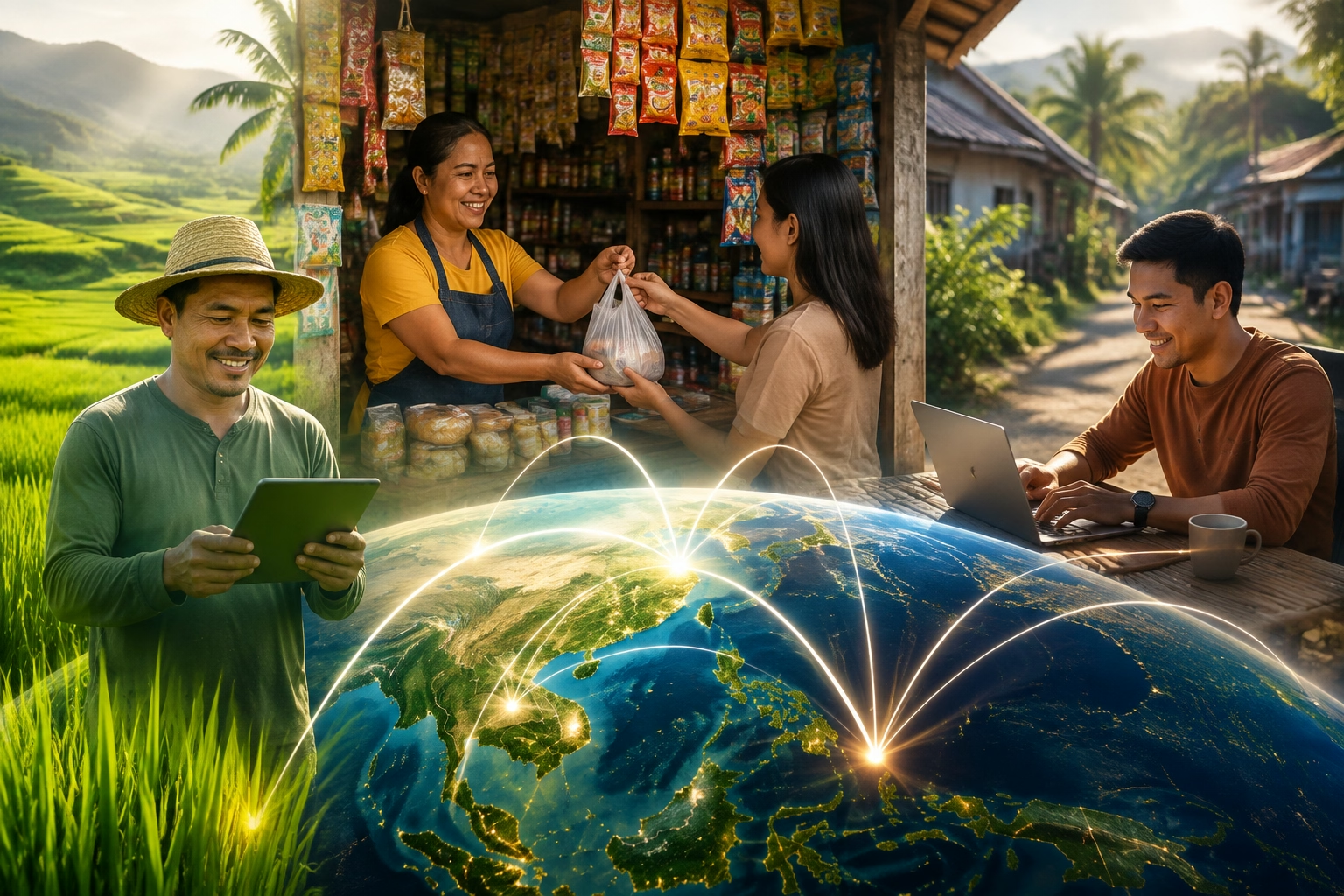
This ecosystem enables even micro-scale businesses from remote communities to participate in the broader digital economy.
Government Initiatives Strengthen Financial Inclusion for MSMEs
Beyond private-sector innovation, government programs are supporting MSME development through regulatory improvements and financial inclusion initiatives.
The Philippine government has introduced programs encouraging digitalization among small businesses, including training initiatives, online registration improvements, and partnerships with financial technology providers.
The National Strategy for Financial Inclusion 2022–2028 emphasizes improving access to financial products, strengthening digital infrastructure, and expanding opportunities for underserved communities. The strategy recognizes MSMEs as a key sector requiring better financial access to support sustainable economic growth.
As financial infrastructure continues to improve, MSMEs are expected to gain stronger connections with formal financial systems. This transformation can help small businesses move beyond survival-based operations toward scalable and competitive enterprises.
The Future of Philippine MSME Growth Through Financial Innovation
The ongoing modernization of financial infrastructure represents a major opportunity for the Philippines. By combining fintech innovation, digital payments, supportive regulations, and inclusive banking strategies, the country is creating an environment where more entrepreneurs can participate in economic growth.
However, challenges remain, including cybersecurity risks, digital literacy gaps, and unequal internet access across regions. Addressing these issues will be essential to ensure that financial innovation benefits MSMEs in both urban centers and rural communities.
The future growth of Philippine MSMEs will depend not only on access to capital but also on the availability of reliable financial technology infrastructure. As the country continues building a more connected financial ecosystem, small businesses will have greater opportunities to expand, innovate, and contribute to long-term economic development.









Leave a Reply