

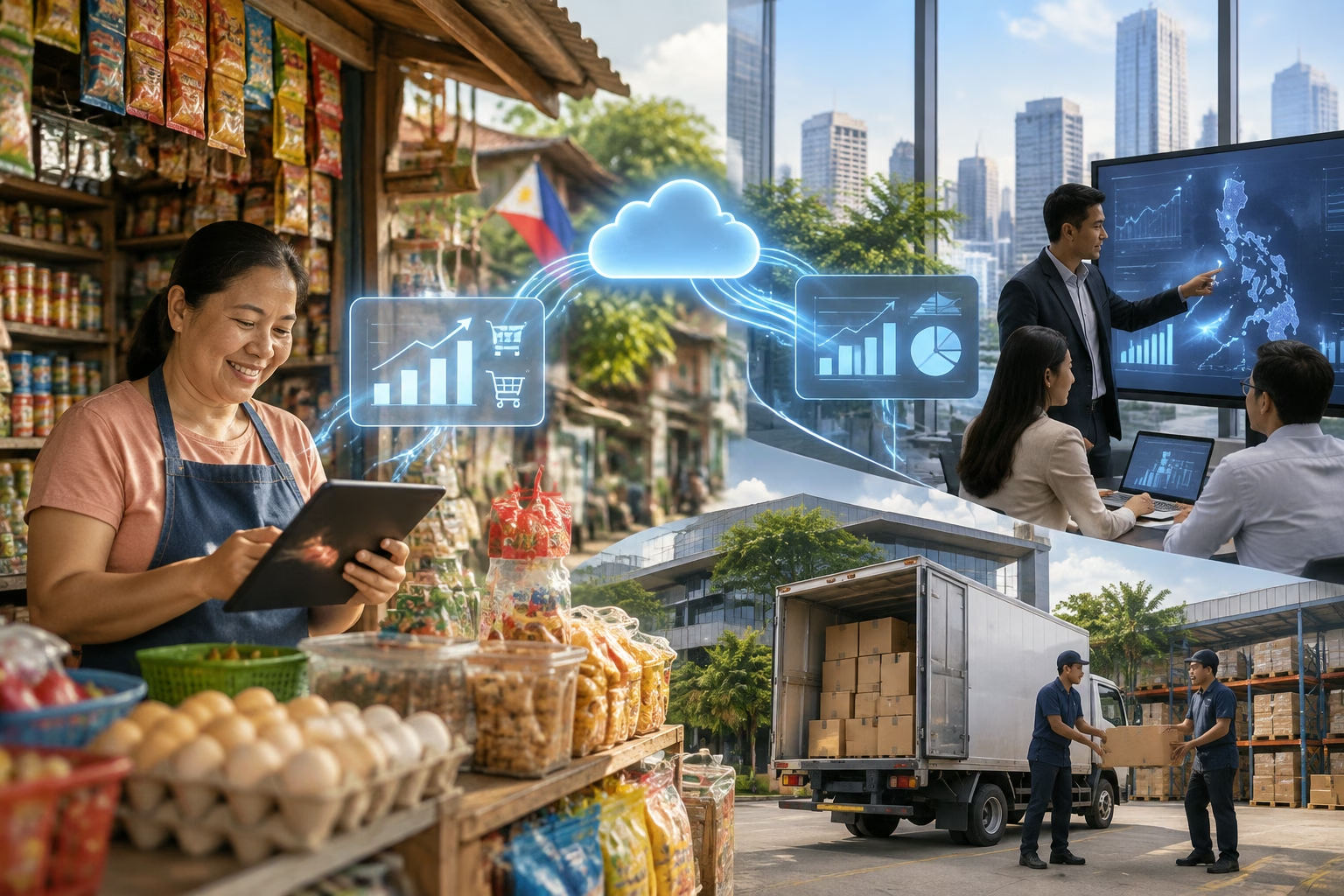
The landscape of Philippine commerce is on the brink of a significant shift, moving away from mere transactional relationships toward deep, data-centric alliances. In 2026, the survival and growth of Small and Medium Enterprises (SMEs) are expected to hinge significantly on their ability to integrate with the digital ecosystems of large corporations. This is no longer just about supply chain placement; it is about co-creating value through intelligence sharing.
The Shift from Vendor to Strategic Data Partner
Historically, large corporations in the Philippines viewed local SMEs primarily as suppliers or distributors. However, the massive digital adoption spurred by the pandemic has generated unprecedented volumes of consumer data. Large conglomerates like the Ayala Group or SM Investments possess the infrastructure to analyze this data, but they often lack the hyper-local insights that nimble SMEs possess. In 2026, we anticipate a model where large firms provide analytical tools to their SME partners in exchange for granular, on-ground market intelligence. This symbiotic relationship allows for precise demand forecasting that neither party could achieve alone.
Real-Time Inventory Optimization
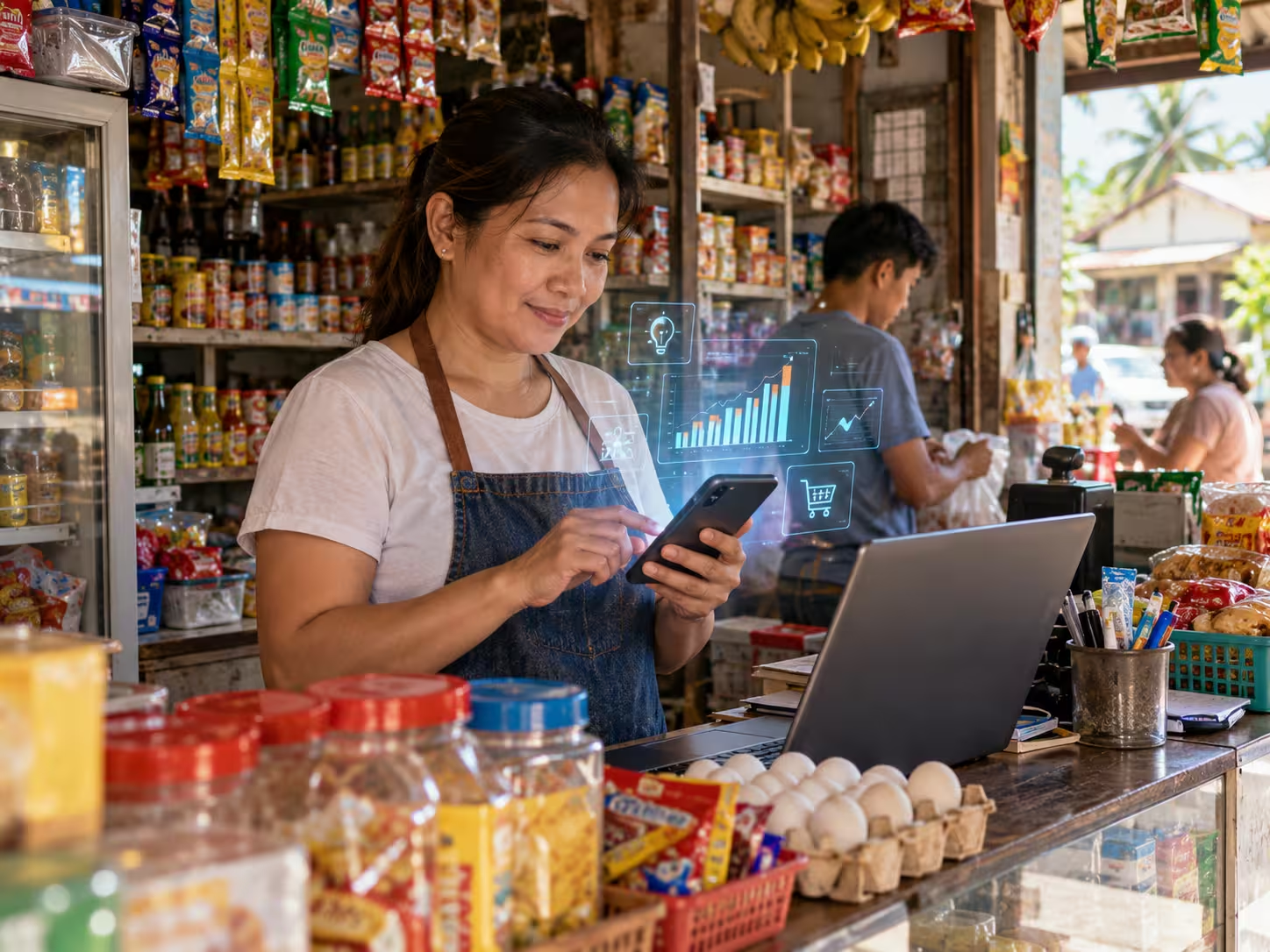
One of the most tangible benefits of this collaboration is the reduction of waste and stockouts. Traditional supply chains suffer from the “bullwhip effect,” where small fluctuations in demand cause massive inefficiencies upstream. By 2026, cloud-based platforms are expected to connect the Point-of-Sale (POS) systems of sari-sari stores and local boutiques directly to the Enterprise Resource Planning (ERP) systems of manufacturers. This integration allows large companies to see, in real-time, which products are moving in specific barangays, enabling them to adjust production schedules accordingly. For the SME, this means automatic replenishment and better credit terms based on verifiable sales data rather than subjective credit scoring.
Navigating the Data Privacy Act
While the benefits are immense, the path to data sharing is fraught with regulatory hurdles. The Philippines’ Data Privacy Act of 2012 remains a strict framework. Collaboration in 2026 will require an architecture of trust. Large corporations must ensure that the data harvested from SME platforms is anonymized and aggregated to comply with the National Privacy Commission (NPC) guidelines. The successful partnerships will be those that position data privacy not as a barrier, but as a selling point, ensuring both parties maintain consumer trust while leveraging insights.
To understand the current trajectory of the Philippine digital economy supporting these trends, the e-Conomy SEA 2025 report by Google, Temasek, and Bain & Company highlights the rapid digitization of MSMEs, projecting continued growth into 2026. You can view the insights here: https://www.temasek.com.sg/en/news-and-views/stories/future/e-conomy-sea-2025.
The enterprises that embrace this fluid exchange of data will likely lead the Philippine market recovery and expansion in 2026, creating a retail ecosystem that is resilient, responsive, and deeply rooted in local reality.








Leave a Reply