

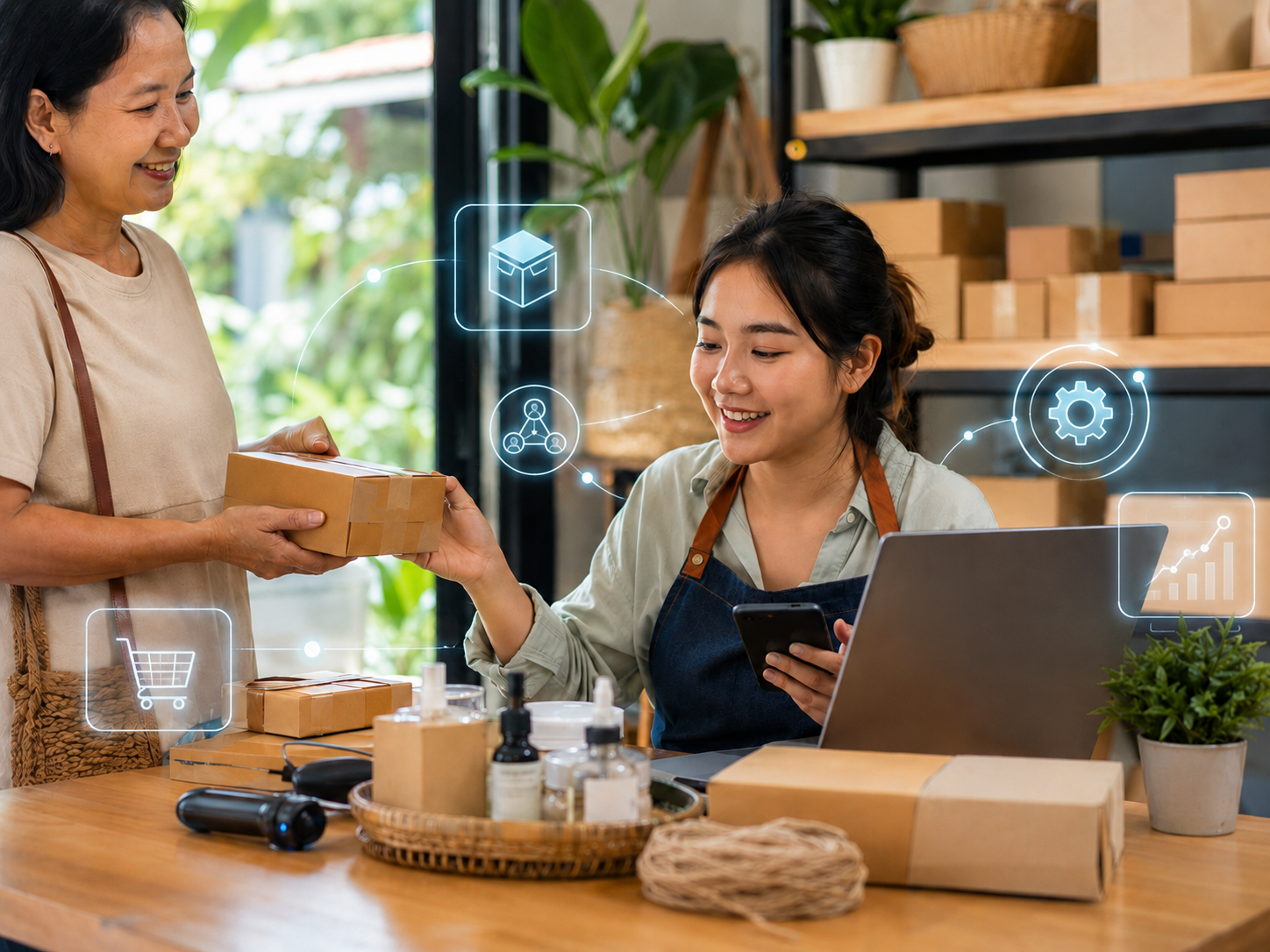
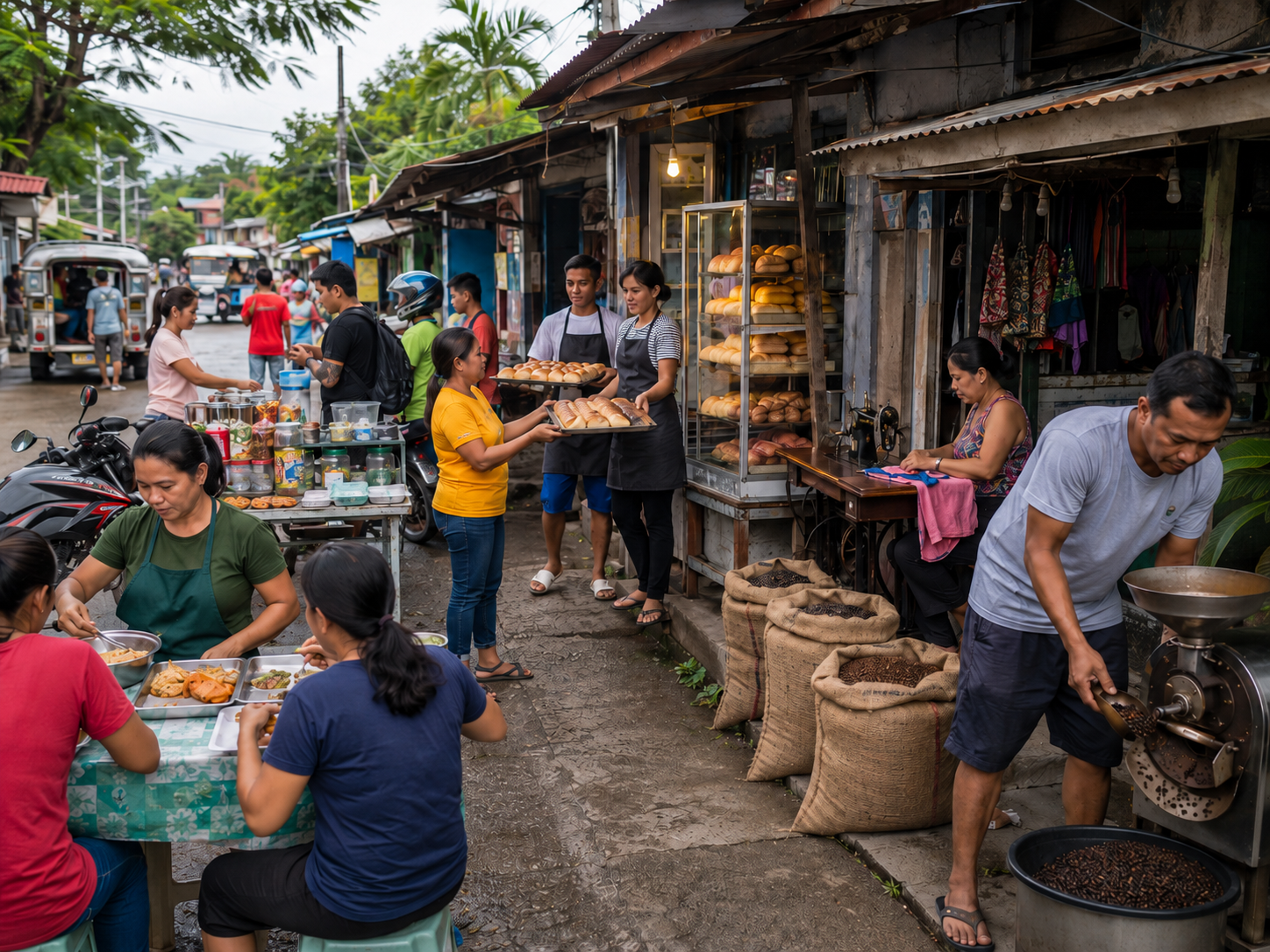
The COVID-19 pandemic reshaped the economic landscape of the Philippines and forced millions of micro, small, and medium enterprises (MSMEs) to rethink traditional ways of operating. Businesses that once depended heavily on physical stores, face-to-face transactions, and local customers have increasingly adopted digital platforms, flexible supply chains, and customer-centered strategies.
The emergence of new business models is not simply a temporary adjustment. Many Filipino entrepreneurs are now creating long-term strategies based on technology, online marketplaces, and changing consumer behavior.
Digital Commerce Becomes a Core Strategy for Filipino Entrepreneurs
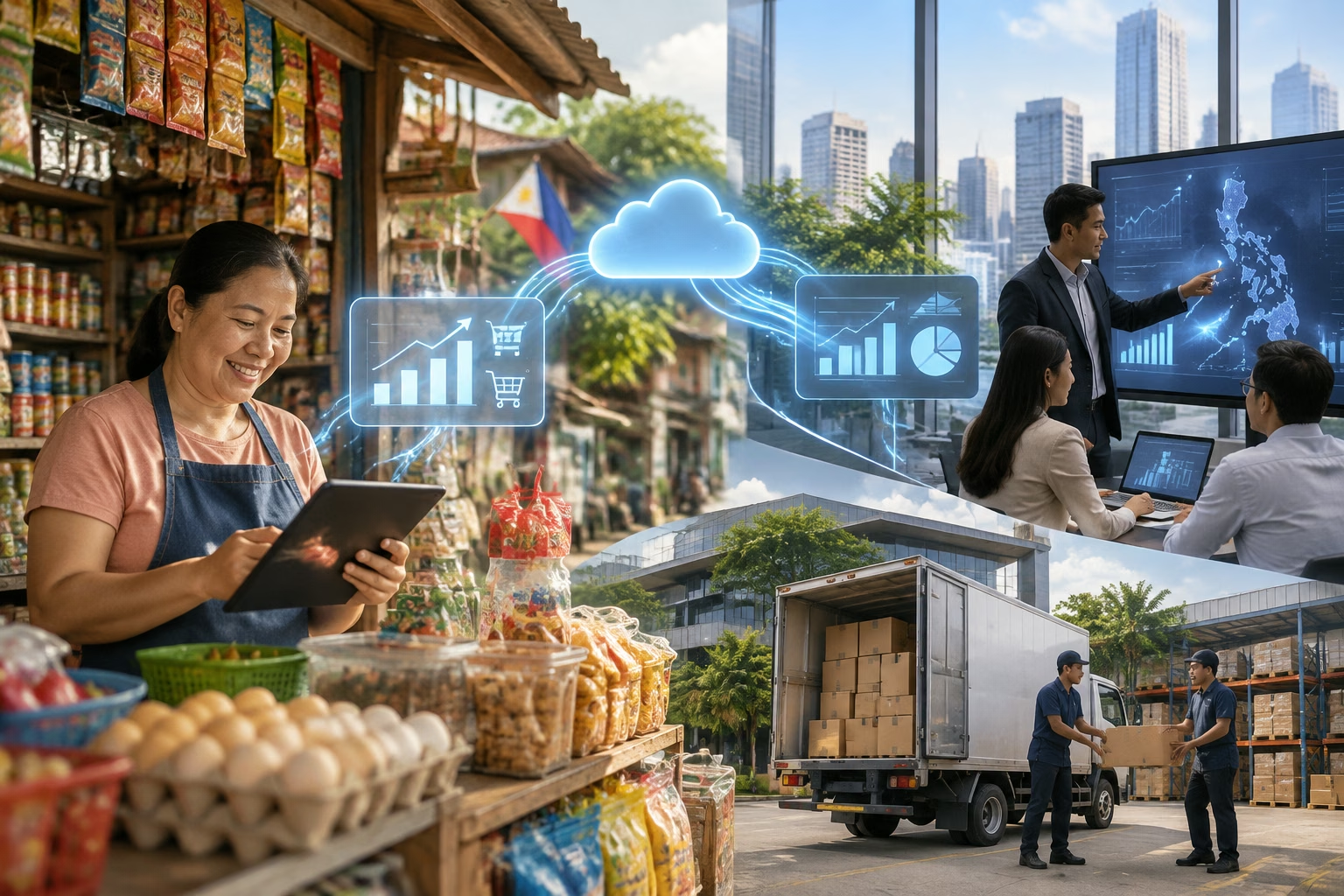
One of the most significant changes among Philippine MSMEs is the rapid adoption of e-commerce. Before the pandemic, many small businesses relied on physical locations and personal networks. Lockdowns accelerated the transition toward platforms such as Lazada, Shopee, TikTok Shop, and Facebook Marketplace.
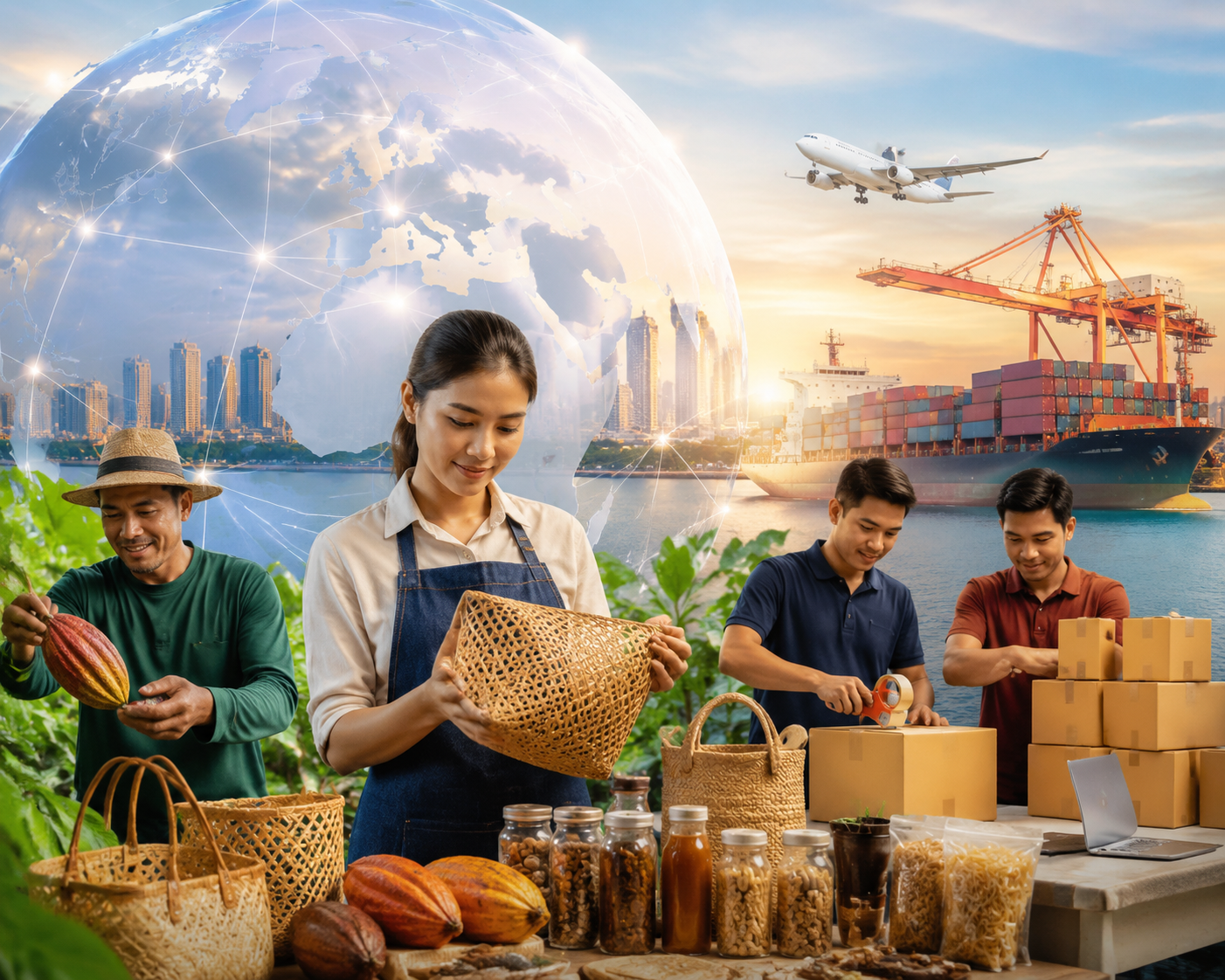
Small retailers, food businesses, and local producers discovered that digital channels allowed them to reach customers beyond their immediate communities. A bakery in Cebu, a handmade craft business in Iloilo, or a clothing entrepreneur in Manila can now sell nationwide without opening multiple physical branches.
According to the Philippine Statistics Authority, MSMEs represent 99.63% of registered businesses in the country, highlighting their importance to economic recovery and innovation.
Reference:
https://psa.gov.ph/statistics/business-and-industry
Social Commerce Creates New Revenue Opportunities
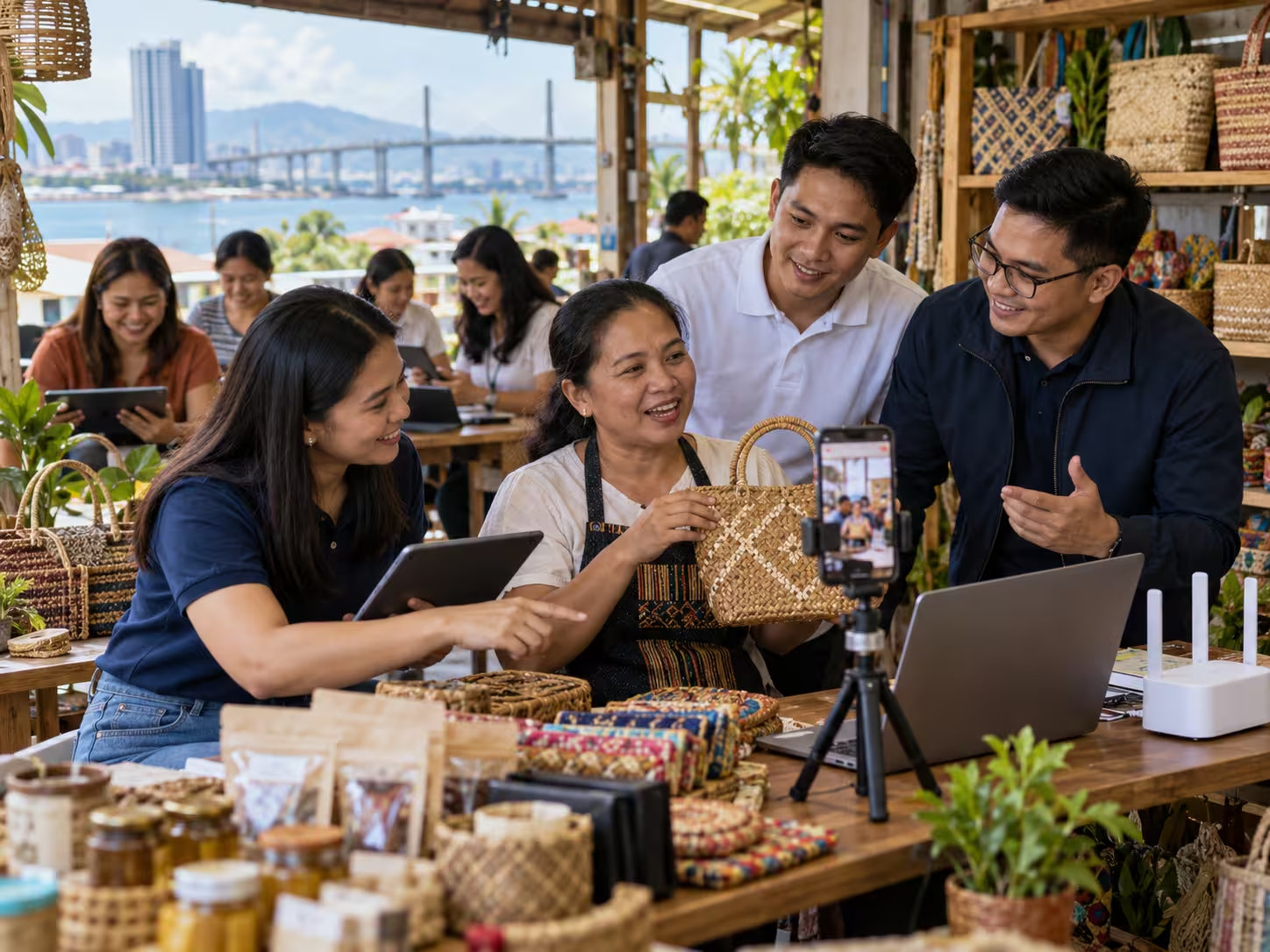
A major post-pandemic business model emerging in the Philippines is social commerce, where entrepreneurs combine entertainment, community engagement, and direct selling.
Platforms like TikTok have changed how small businesses market products. Instead of depending only on advertisements, entrepreneurs create videos demonstrating products, sharing customer experiences, and building relationships with audiences.
For example, Filipino food sellers increasingly use livestream selling to showcase cooking processes, promote limited offers, and interact directly with buyers. This approach reduces marketing costs while creating stronger customer loyalty.
The growth of digital communities has also allowed niche businesses to compete with larger companies. Small brands focusing on organic products, customized items, local crafts, and personalized services can attract highly targeted audiences.
Flexible Business Operations Become More Important
Another important development is the move toward flexible operations. Many MSMEs learned during the pandemic that depending on one supplier or one sales channel created significant risks.
New models now include multiple suppliers, online ordering systems, delivery partnerships, and hybrid business structures. Restaurants, for instance, have expanded from traditional dining models into combinations of dine-in services, food delivery, subscription meals, and online promotions.
This flexibility allows businesses to respond faster to economic changes and consumer preferences.
Digital Payments Support Financial Growth
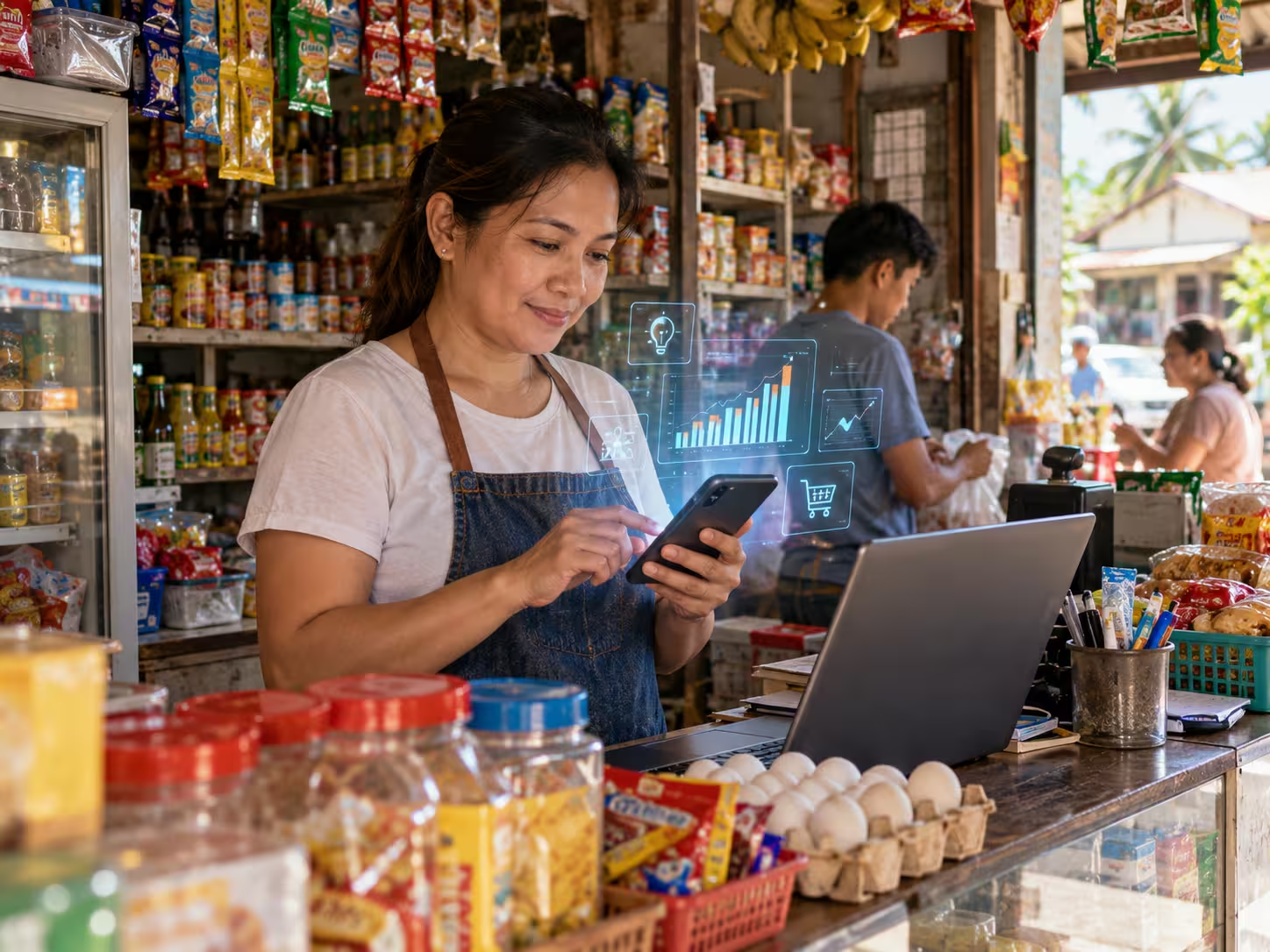
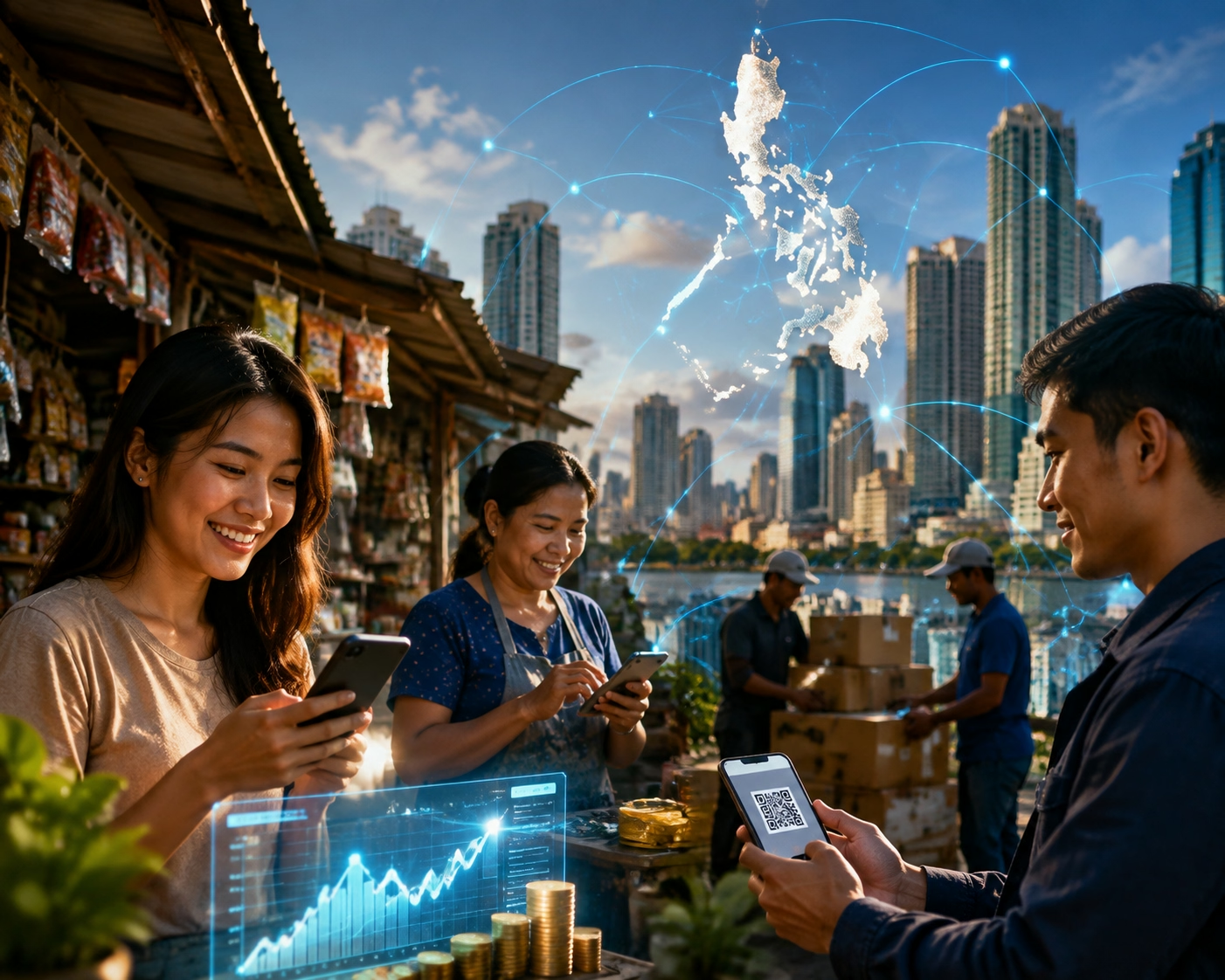
The expansion of digital payment systems has also transformed small business operations. Services such as GCash, Maya, and online banking solutions have made transactions easier for both sellers and customers.
Digital payments help MSMEs track sales, improve financial records, and access future financing opportunities. They also support financial inclusion for entrepreneurs who previously operated mainly through cash transactions.
The Bangko Sentral ng Pilipinas has continued promoting digital financial inclusion through its Digital Payments Transformation Roadmap, encouraging wider adoption of electronic payments.
Reference:
https://www.bsp.gov.ph
The Future Direction of Philippine MSMEs
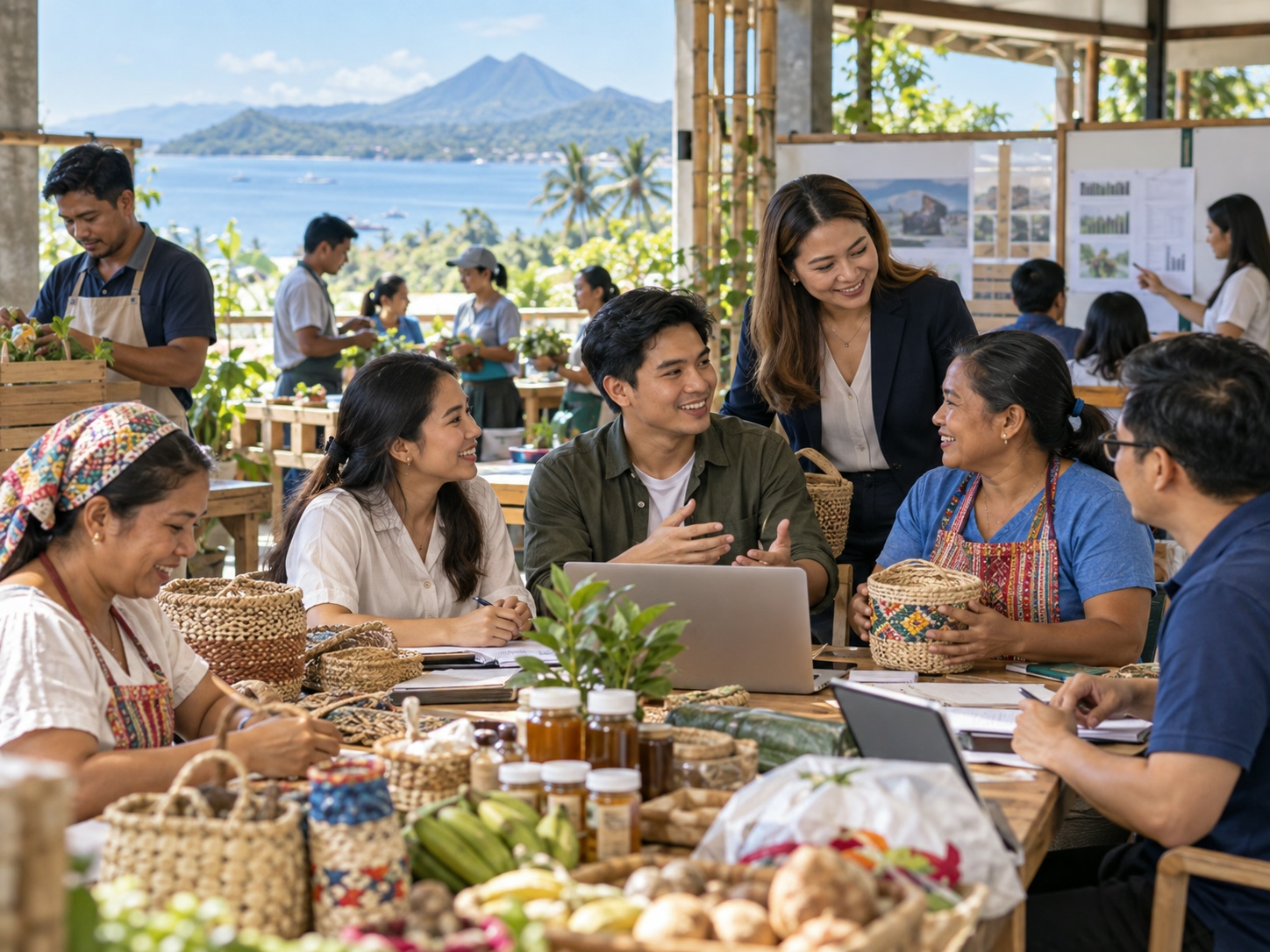
The post-pandemic environment shows that successful MSMEs are no longer defined only by physical presence. Businesses that combine technology, adaptability, and customer understanding are gaining stronger competitive advantages.
The new generation of Filipino entrepreneurs is building models based on accessibility, digital connectivity, and resilience. As consumer behavior continues evolving, MSMEs that embrace innovation will likely play a central role in the Philippines’ economic growth.




Leave a Reply