

The Local Employment Engine
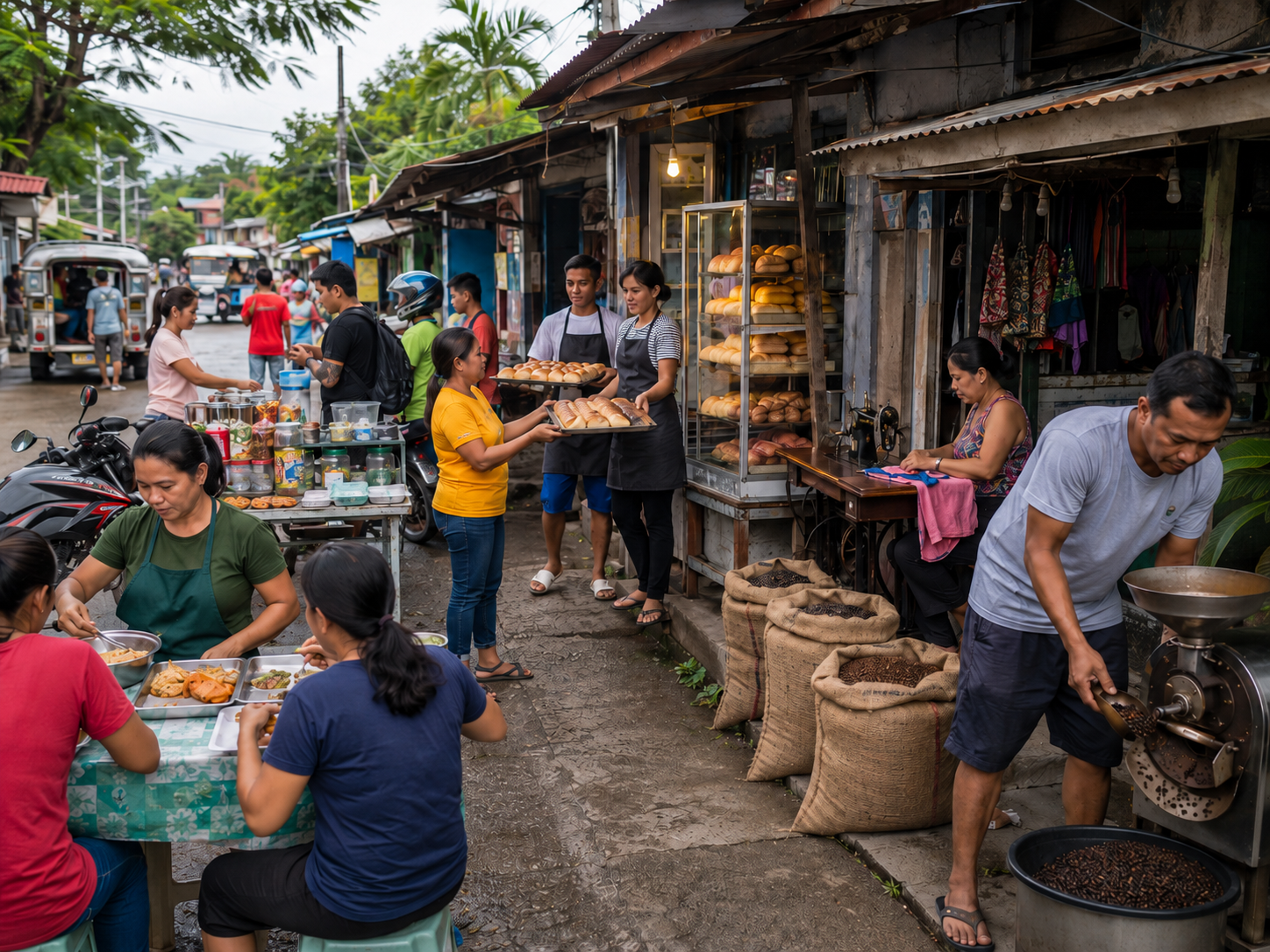
Across the Philippine archipelago, micro, small, and medium enterprises serve as the foundation of daily economic life. According to the Department of Trade and Industry, MSMEs represent 99.59 percent of registered business establishments and provide approximately 65.1 percent of national employment. See DTI MSME Statistics. In provinces outside Metro Manila, where formal wage employment is scarce, these enterprises are often the only stable source of income for families. A single sari-sari store, carinderia, or home-based tailoring shop can support three to six people while also sourcing goods from nearby producers.
Provincial Cases That Show the Multiplier Effect
In Iloilo City, a community bakery cooperative in Mandurriao district has grown from a five-worker operation to a 42-worker enterprise since 2022. It buys flour, eggs, and sugar from local wholesalers, hires delivery riders from the same barangay, and finances a small scholarship fund for employees’ children. In the Bangsamoro Autonomous Region in Muslim Mindanao, coffee processing micro enterprises supported by the Ministry of Trade, Investments, and Tourism now buy raw beans directly from farmers in Lanao del Sur, lifting farm-gate prices and reducing the need for farmers to sell to distant traders at low rates.
Why Local Ownership Builds Stronger Communities
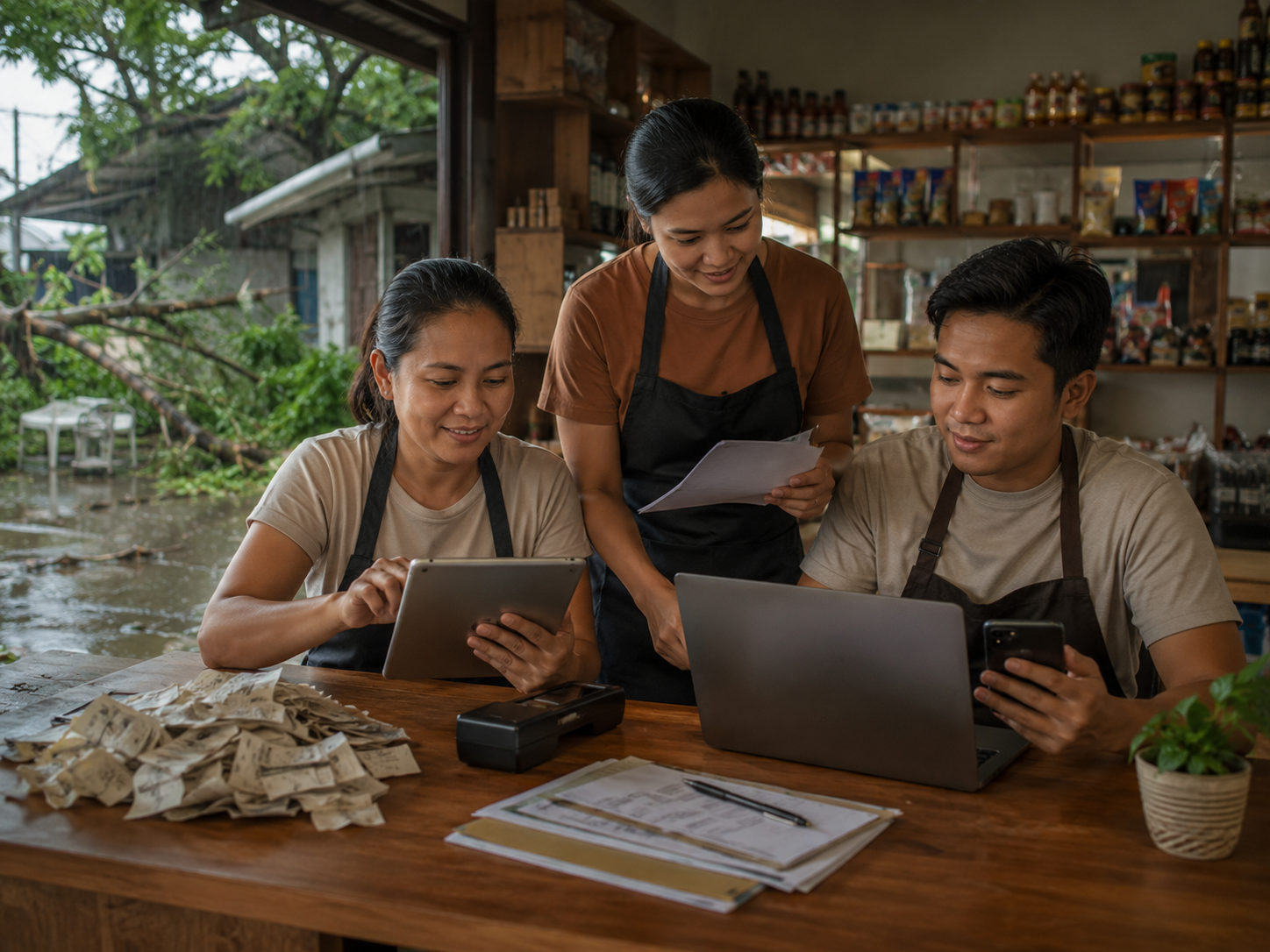
Economists emphasize the local multiplier effect: money spent at a neighborhood enterprise tends to circulate within the municipality several times before leaving the local economy. Local owners pay local suppliers, employ local residents, and often reinvest in community infrastructure such as street lighting, school supplies, and fiesta celebrations. This is why barangays with a dense network of MSMEs typically recover faster from typhoons and economic shocks. Their owners have deep knowledge of local demand and can quickly shift inventory or services when conditions change.
Policy Support and Barriers to Growth
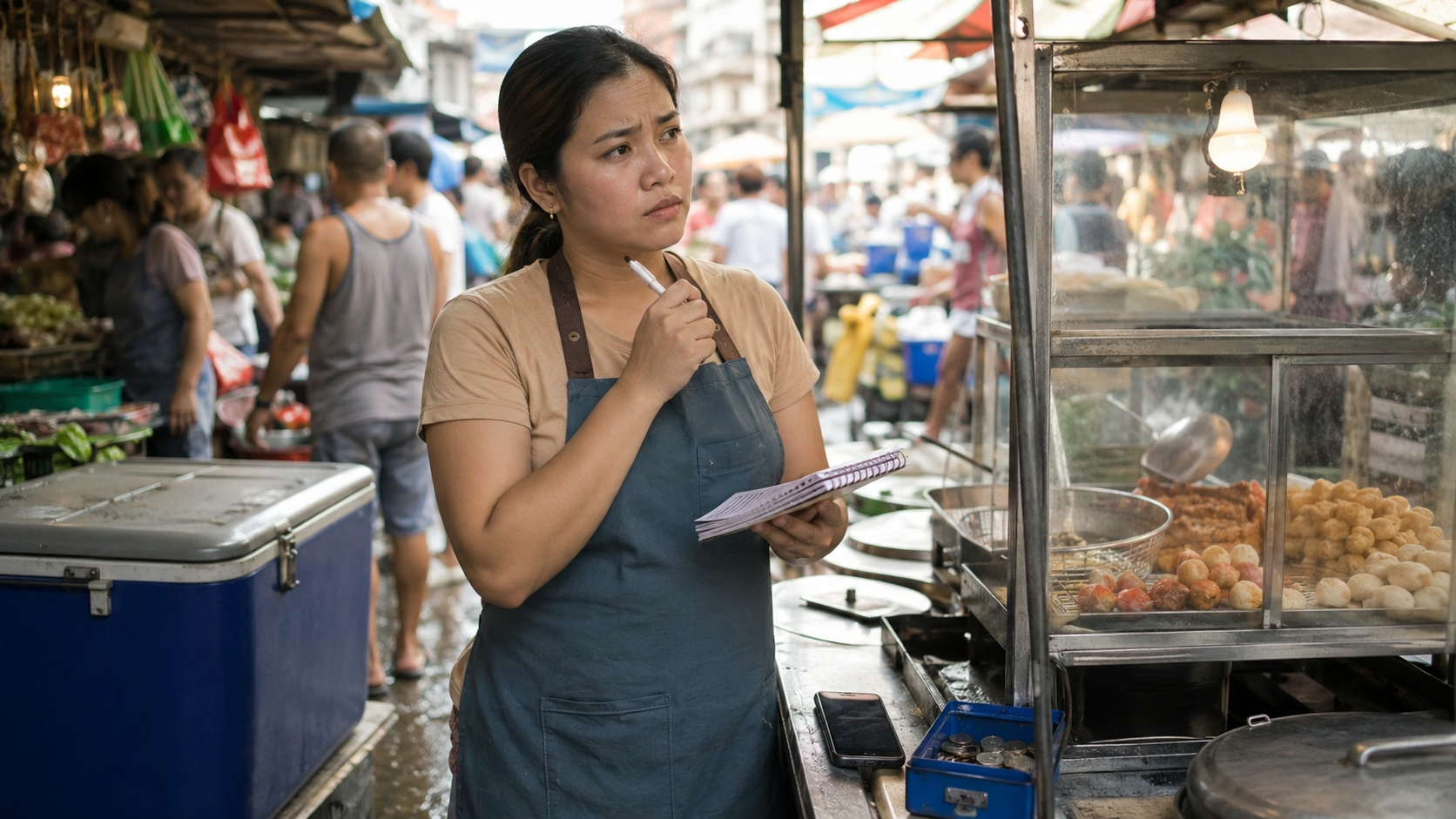
Despite their impact, Philippine MSMEs face persistent obstacles: high electricity costs, limited access to affordable credit, complex permit processes, and weak digital connectivity in remote islands. In response, the government has expanded the Negosyo Center network, which provides business registration assistance, training, and market information. As of 2026, digital lending platforms and microfinance institutions also serve informal sellers who lack traditional collateral. These programs are critical because formalizing a micro enterprise often allows it to access larger orders, hire more workers, and comply with food safety or product standards.
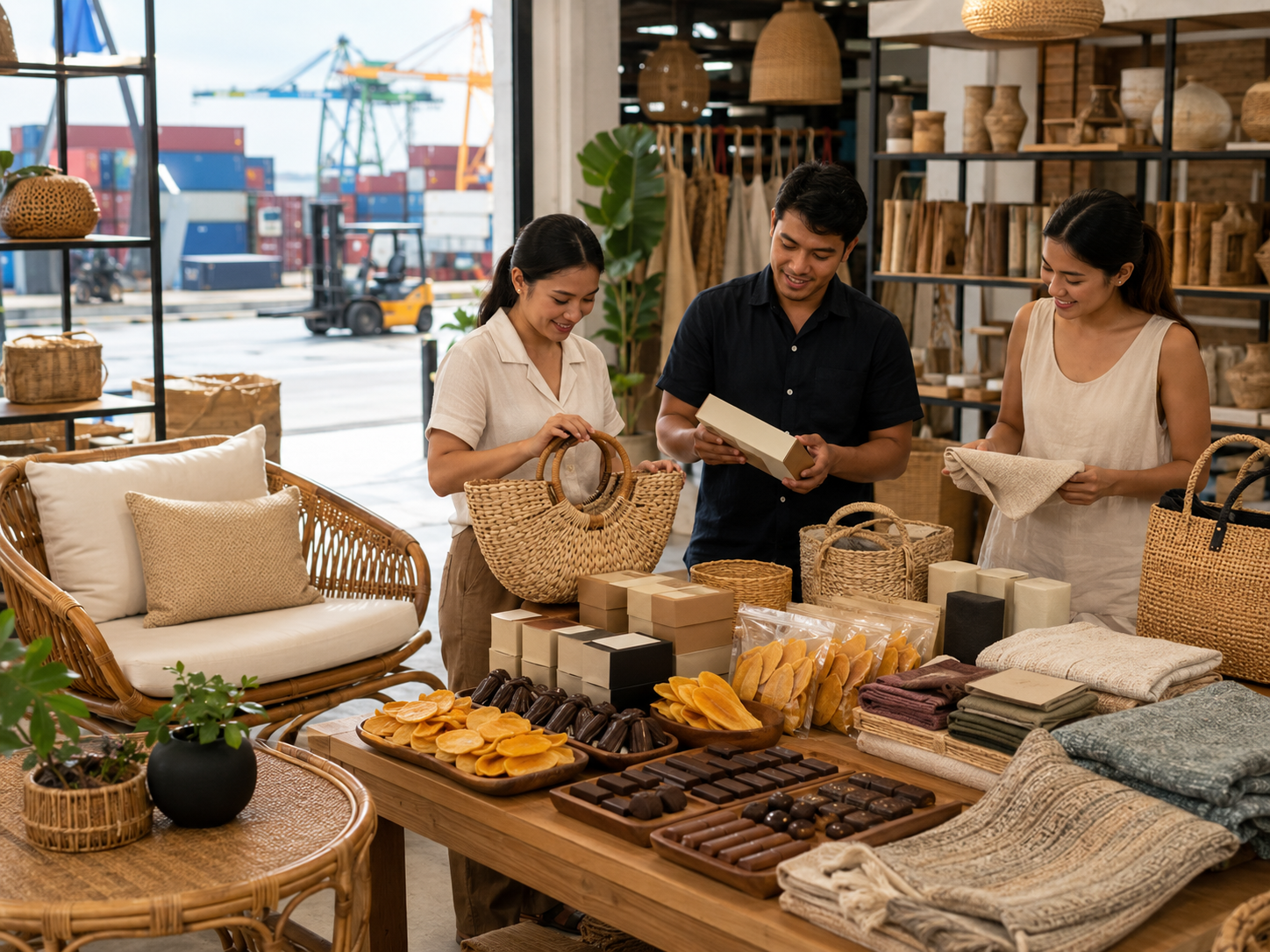
The most realistic route to broad-based community welfare in the Philippines is not waiting for large factories to open in rural areas. It is strengthening thousands of existing micro and small businesses that already know their customers and communities. By reducing red tape, improving internet access, and connecting MSMEs to national supply chains, policymakers can multiply jobs and household savings in every province.









Leave a Reply