

The Persistent Credit Crunch for Small Enterprises
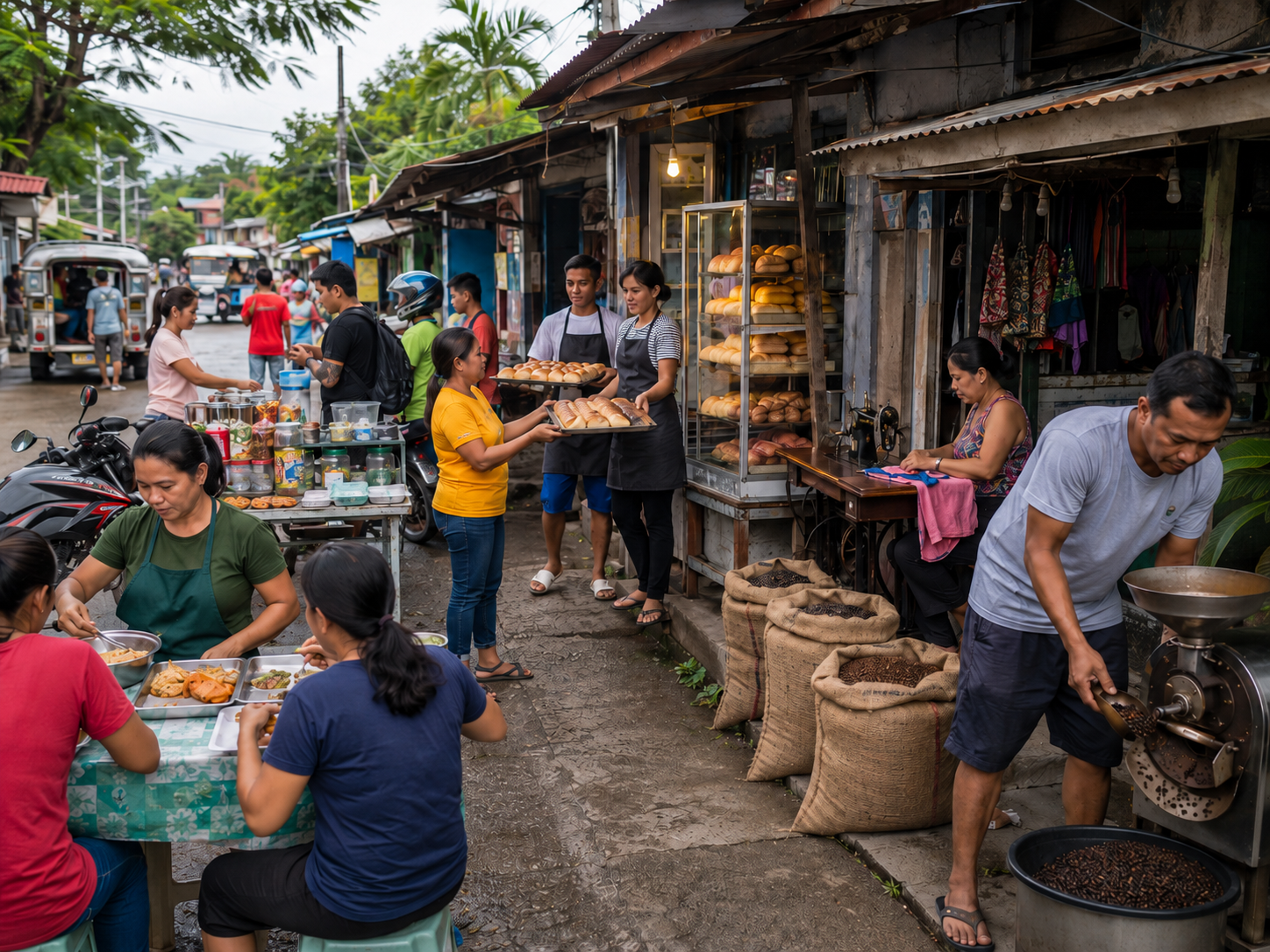
Manila’s wet markets and neighborhood sari-sari stores are the lifeblood of the Philippine economy, yet when these micro-enterprises seek formal credit, most doors close before they can present a business plan. The country has approximately 1.1 million registered micro, small, and medium enterprises, but financing remains heavily skewed toward large corporations with audited financials and tangible collateral. For many small entrepreneurs, the loan application itself is intimidating, and rejection often comes quickly.
Why Collateral and Documentation Still Block Borrowers
Most Philippine commercial lenders require land titles, vehicle registration, or other fixed assets as security. A market vendor who rents a stall and owns no real estate cannot meet that standard. Banks also typically ask for two to three years of income tax returns, but many micro-entrepreneurs operate partly informal and lack complete records. Even business owners with steady daily cash flow struggle to prove creditworthiness under traditional underwriting models.
Real-World Case: A Manila Food Cart Owner’s Loan Rejection
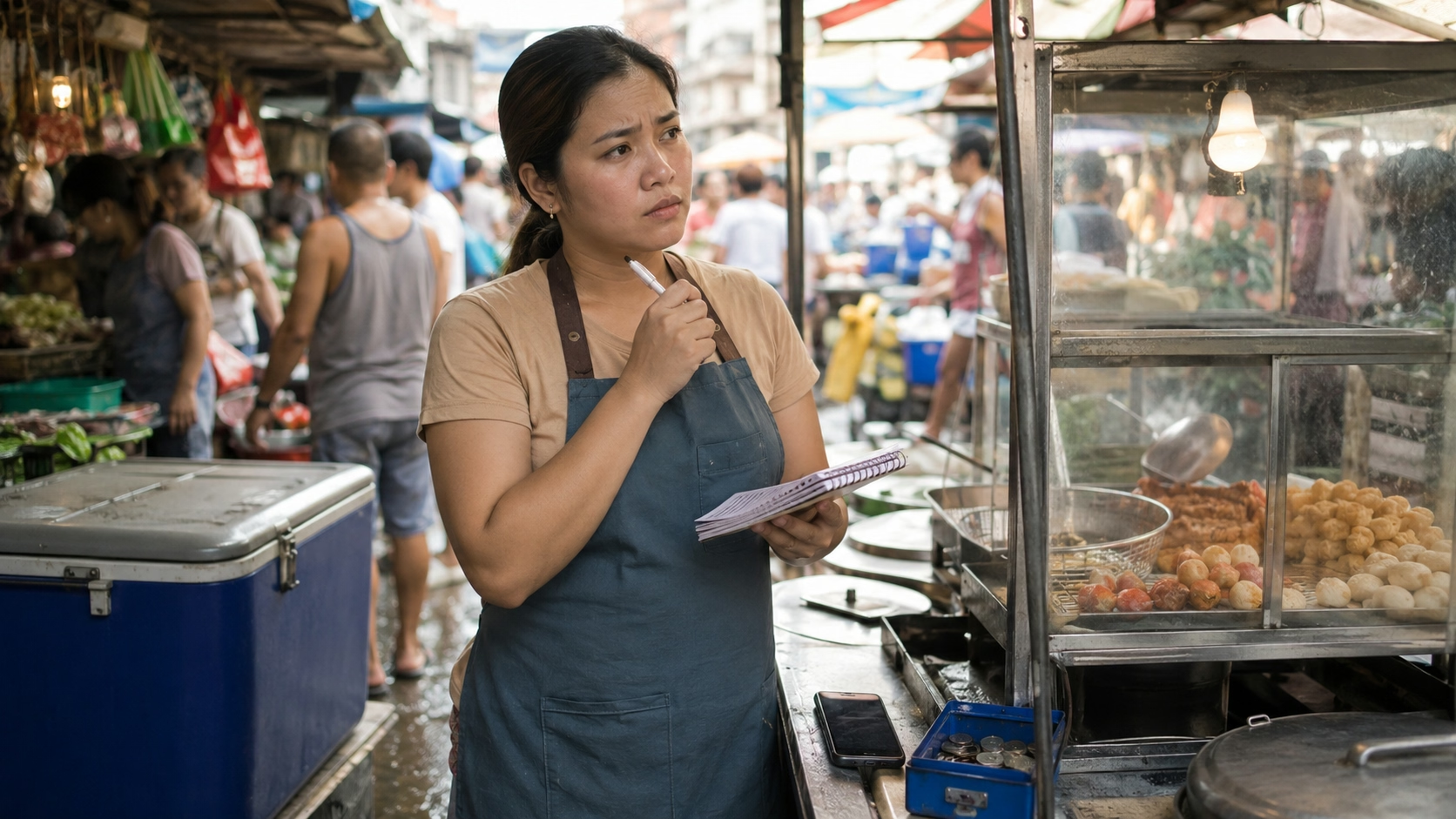
Consider a 34-year-old food cart owner in Tondo who needs PHP 150,000 to buy a second cart and a small freezer. She maintains daily sales notebooks, has a clean repayment history with a microfinance nongovernmental organization, and owns no land title. Her application to a commercial bank was denied within five days due to insufficient collateral and incomplete tax documentation. Her fallback option was an informal 5-6 lending scheme charging 20 percent per month, which would erase nearly all her profit margin.
What 2026 Lending Data Shows
According to the Asian Development Bank’s 2026 Philippines overview, micro and small enterprises account for more than 99 percent of registered businesses but receive less than 10 percent of total bank loans. The credit gap for Philippine MSMEs remains one of the widest in Southeast Asia. The same report notes that digital credit scoring is still in its infancy, leaving traditional collateral rules dominant in most lending decisions. Access the Asian Development Bank’s 2026 Philippines overview here.
Alternative Funding Routes and Policy Shifts
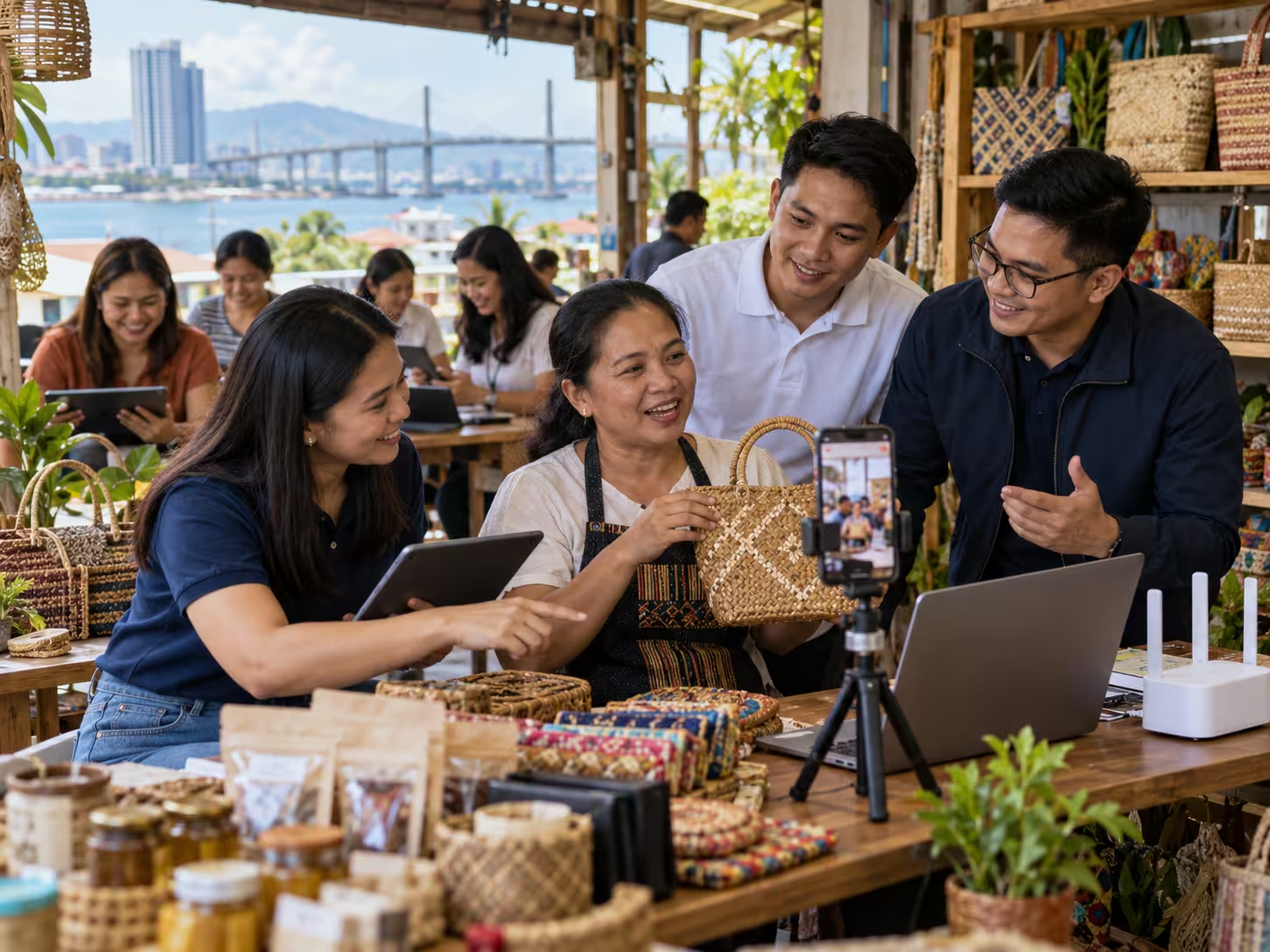
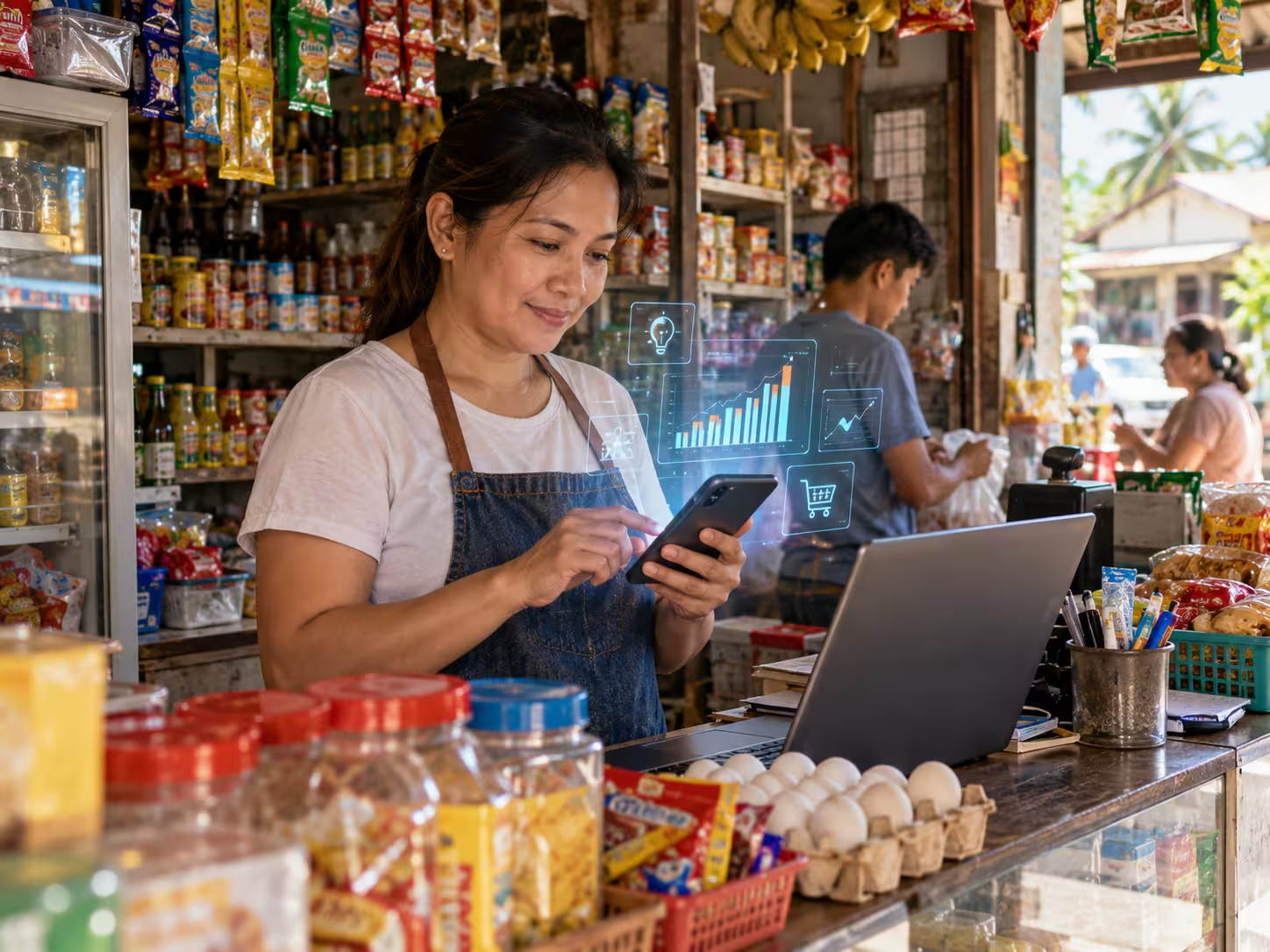
The Bangko Sentral ng Pilipinas has pushed banks to accept cash-flow data and mobile wallet transaction history as alternative credit evidence. Microfinance institutions and government programs such as Pondo sa Pagbabago at Pag-asenso offer lower rates, but geographic coverage remains limited. Financial technology lenders using artificial intelligence to assess merchant payment flows are expanding in Metro Manila, Cebu, and Davao, yet rural areas remain underserved. For small businesses, the practical path includes joining a cooperative, building digital transaction records, and seeking credit from government-backed facilities rather than relying solely on traditional bank loans.









Leave a Reply