


In a nation where over 52% of the population is under 25, the Philippines is betting big on its youngest minds to drive post-pandemic economic recovery. The landmark Youth Entrepreneurship Act (YEA) of 2026, signed into law in March, represents the government’s most aggressive push yet to transform students and out-of-school youth into job creators rather than job seekers.
Mandatory Business Incubation in Higher Education
A core provision of YEA 2026 requires all state universities and colleges (SUCs) and private higher education institutions to establish campus-based business incubators by the end of 2027. These hubs offer free co-working spaces, mentorship from seasoned entrepreneurs, and seed funding matching grants of up to PHP 150,000 (USD 2,700). The Commission on Higher Education (CHED) reports that 112 incubators were already activated in the first half of 2026, directly supporting more than 4,200 student-led ventures in agri-tech, e-commerce, and creative industries.
The Digital Pivot: Tech-Voc Training 4.0
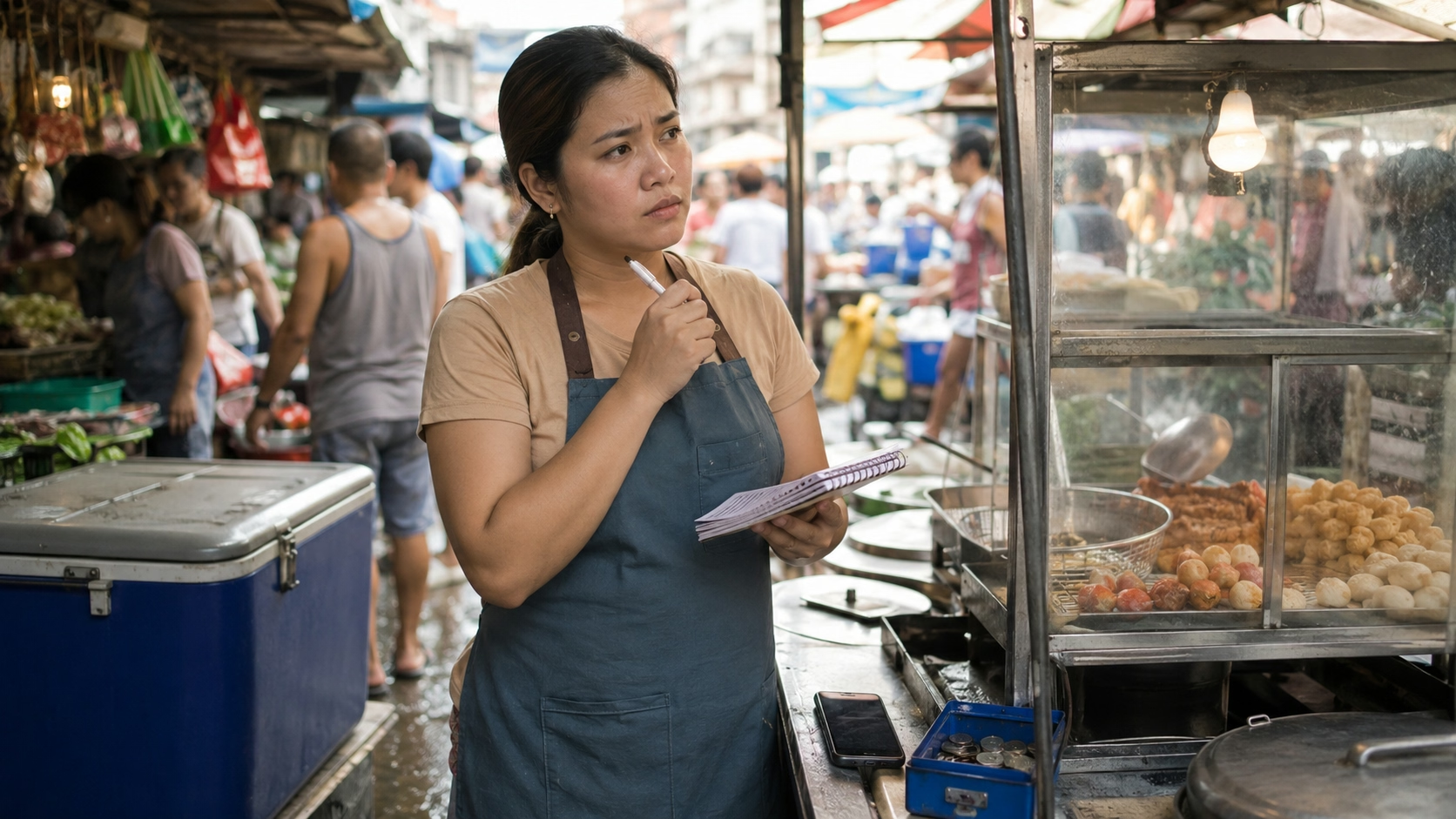
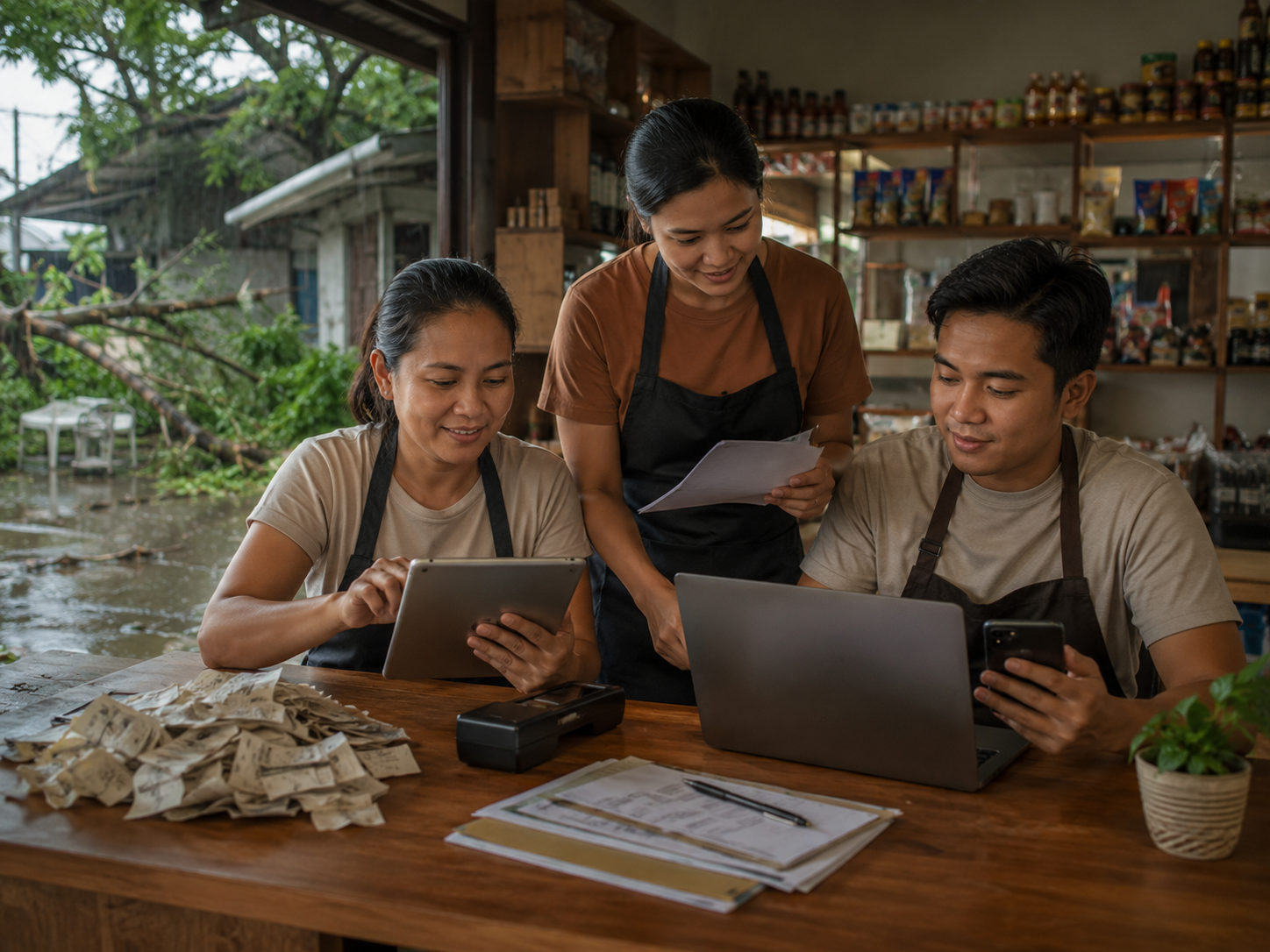
Recognizing that 68% of youth-led micro-enterprises still lack an online presence, the Technical Education and Skills Development Authority (TESDA) partnered with DTI and PLDT-Smart to roll out “Digital Negosyo 2026.” This nationwide bootcamp trains 50,000 young Filipinos annually in social media marketing, inventory management apps, and cashless payment integration. A participant from Cebu, 22-year-old artisan bag maker Liza Tumulak, tripled her monthly revenue to PHP 80,000 within three months of completing the program, underscoring how digital skills directly amplify earning potential.
Accessible Capital: The Youth Negosyo Loan Window
Capital remains the top barrier. The Small Business Corporation’s Youth Negosyo Loan Program, relaunched under YEA 2026, now offers collateral-free loans up to PHP 300,000 at 0% interest for the first two years. According to the Philippine Statistics Authority’s April 2026 Labor Force Survey, youth self-employment rates climbed to 12.3% from 8.9% in early 2024, a surge linked to improved credit access. Loan disbursements reached PHP 1.2 billion by June 2026, with a 94% repayment rate, debunking myths about young borrowers’ creditworthiness.
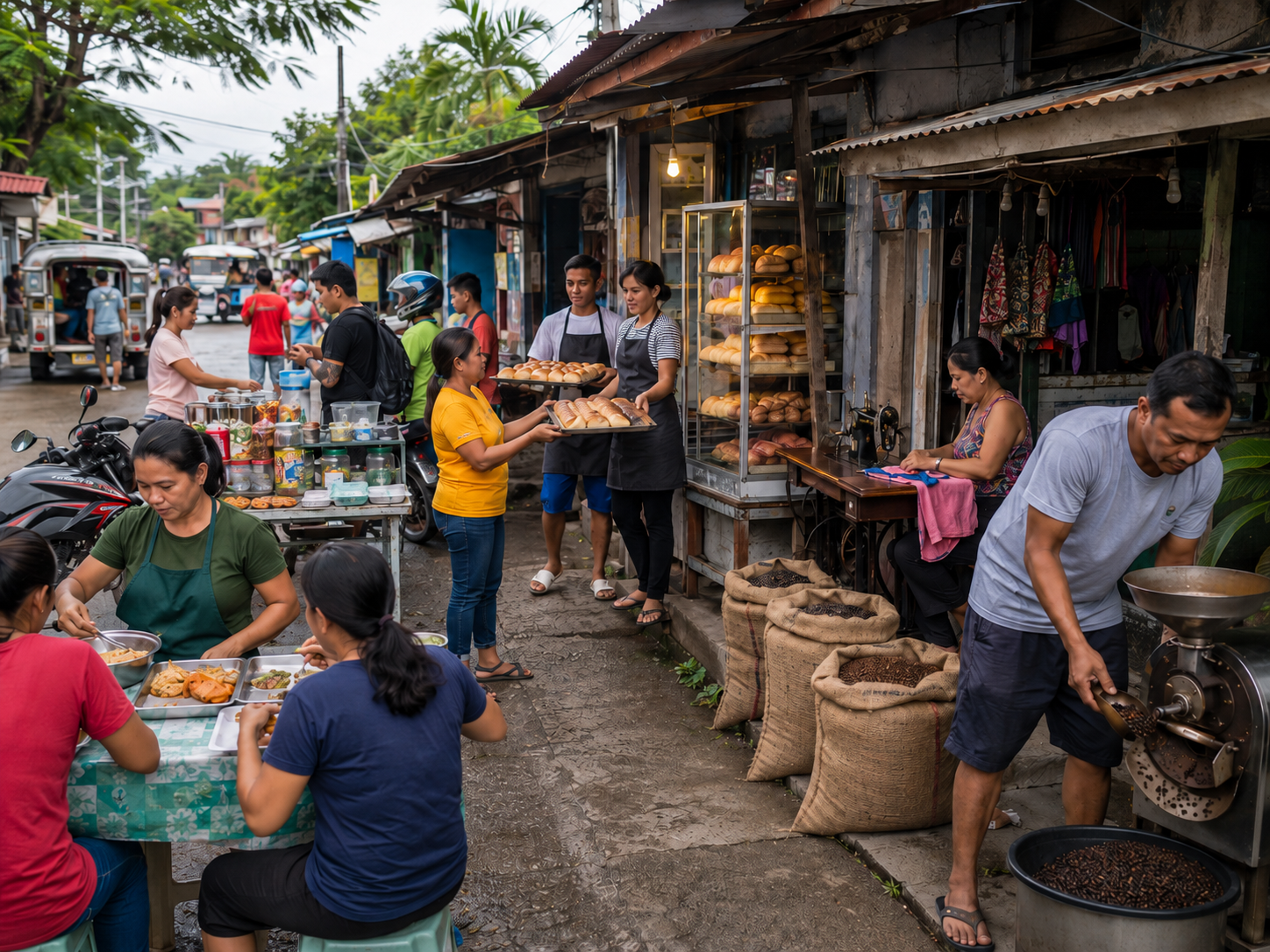
Private sector alliances amplify this momentum. GCash’s “GCash for Business” zero-fee onboarding for registered youth enterprises processed over PHP 200 million in transactions in Q1 2026 alone. Meanwhile, Ayala Foundation’s “Young Leaders for Social Enterprise” grants are building sustainable ventures in conflict-affected Mindanao regions, proving that inclusive entrepreneurship can be a peace-building tool. The entire ecosystem signals a clear message: the Philippines no longer views youth entrepreneurship as a mere extracurricular activity but as a legitimate, well-funded career path.









Leave a Reply