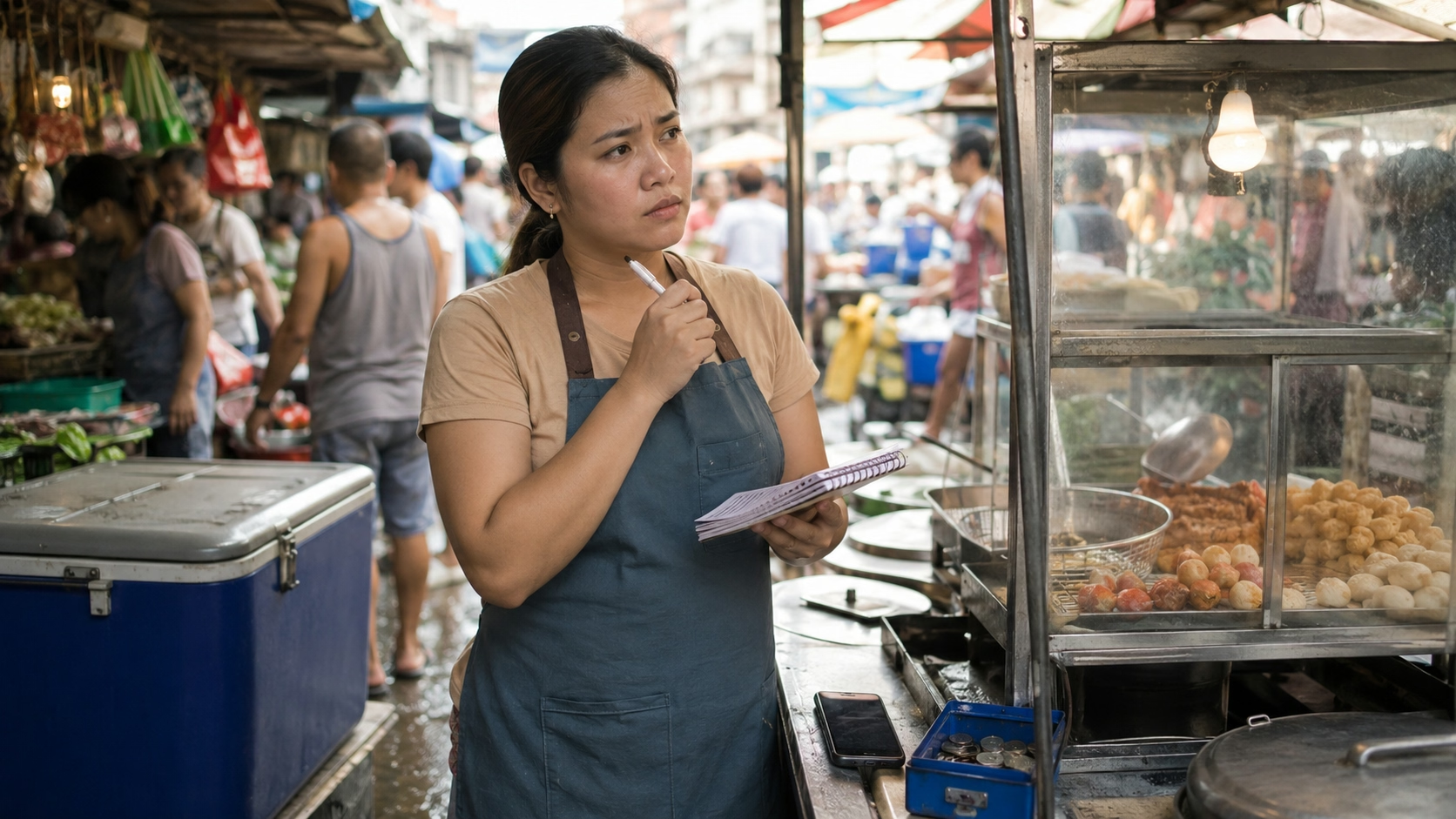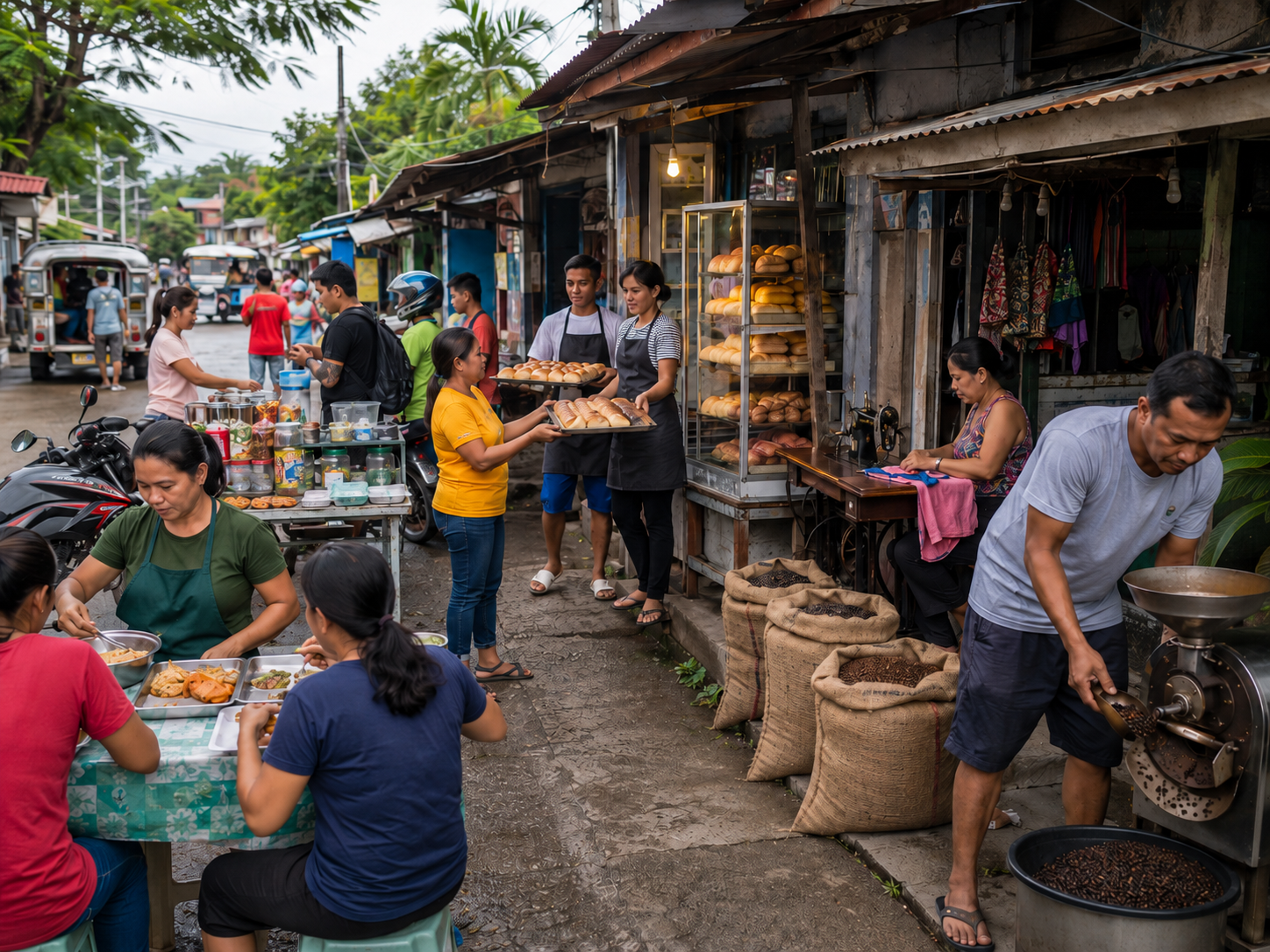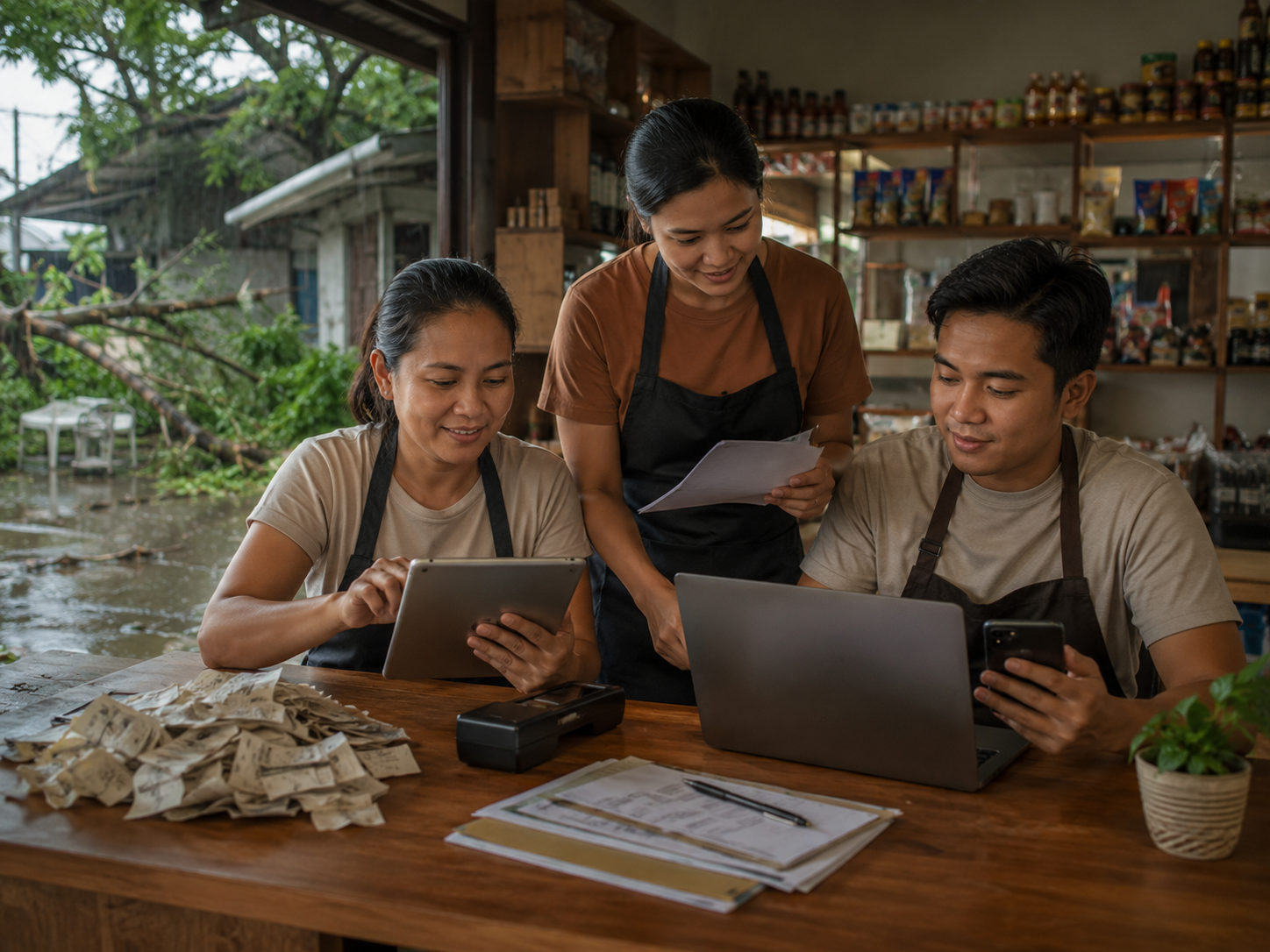

The startup ecosystem in the Philippines has been growing rapidly, spurred by technological advancements, a growing middle class, and increasing support from both the public and private sectors. A key part of this ecosystem is the presence of incubators and accelerators, which help nurture early-stage startups and provide the resources necessary for their growth and success.
The Growth of the Startup Scene in the Philippines
In recent years, the Philippines has become a hotspot for new businesses, particularly in sectors such as fintech, e-commerce, and software development. The country’s strategic location in Southeast Asia, coupled with a young and tech-savvy population, has made it an attractive destination for entrepreneurs looking to launch innovative startups. The government has also been supportive, with policies aimed at fostering entrepreneurship and innovation, which include financial support and legal incentives.
The Role of Incubators in the Philippines
Startups face a multitude of challenges, particularly in the early stages, and incubators play a critical role in addressing these hurdles. Incubators provide startups with essential resources, such as office space, funding, mentorship, and networking opportunities. In the Philippines, incubators help early-stage startups refine their business models, develop their products, and build a strong foundation for long-term growth.
Some prominent incubators in the Philippines include IdeaSpace Foundation, which has helped launch a number of successful tech startups, and QBO Innovation Hub, which offers a wide range of programs designed to foster innovation and collaboration among entrepreneurs. These incubators not only offer logistical support but also create an ecosystem of innovation, where startups can interact with other entrepreneurs, investors, and experts to enhance their chances of success.
The Role of Accelerators in the Philippines
While incubators focus on providing a nurturing environment for early-stage companies, accelerators cater to startups that are more mature and looking for the next phase of growth. Accelerators offer more intensive, time-limited programs designed to rapidly scale businesses in exchange for equity. These programs often last between three to six months and provide startups with seed funding, mentorship, and the chance to network with investors.
In the Philippines, one notable accelerator is Launchgarage, a program that helps startups with product-market fit, customer acquisition, and scaling strategies. Another significant player is Philippine Business Incubator (PBI), which provides startups with mentorship, funding opportunities, and access to a wide range of business development services.
Accelerators in the Philippines are increasingly focusing on creating opportunities for cross-border collaborations, connecting local startups with international markets and investors. This is crucial for the growth of startups that want to scale globally, and it also helps to improve the competitiveness of the Philippine startup ecosystem on the world stage.
Key Differences Between Incubators and Accelerators
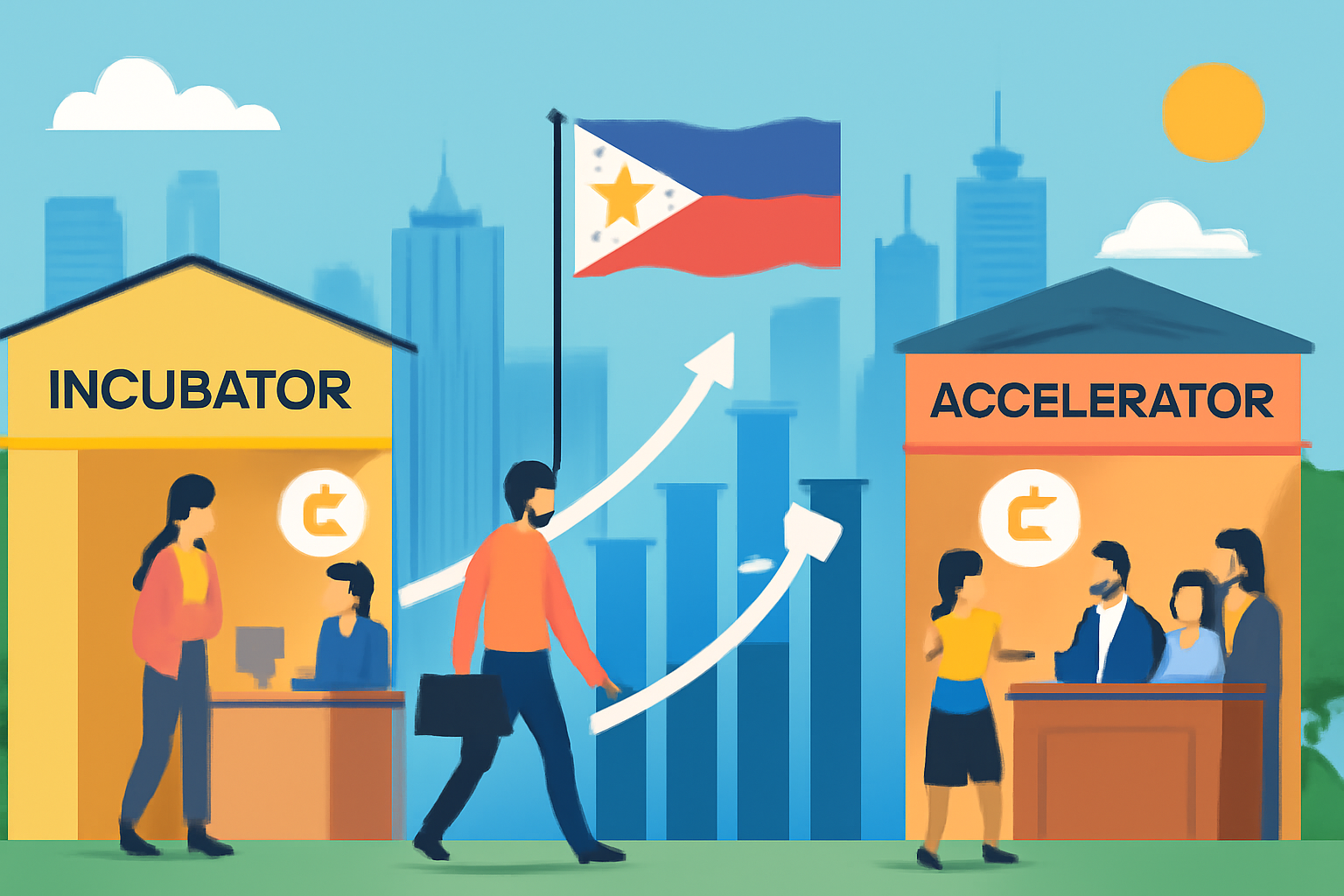
Although both incubators and accelerators share the goal of helping startups grow, their approaches and target stages are quite different. Incubators generally work with very early-stage companies that need support in terms of concept validation, prototype development, and business model refinement. They typically offer longer-term support and may not require equity in exchange for their services.
On the other hand, accelerators are more focused on high-growth startups that are already established and ready to scale. These programs are time-sensitive and often come with an equity stake, but they provide startups with the tools, mentorship, and investment they need to fast-track their development.
The Future of Startups in the Philippines
The ecosystem of incubators and accelerators in the Philippines is only expected to grow in the coming years. With increasing investor interest, government support, and the emergence of new industries, the Philippines has the potential to become one of the leading startup hubs in Southeast Asia. As these programs evolve and collaborate more with global markets, Filipino startups are likely to see greater access to funding, talent, and opportunities for expansion.
With the continued development of incubators and accelerators, the startup ecosystem in the Philippines will be well-positioned to drive innovation and contribute to the country’s economic growth in the coming decades.