
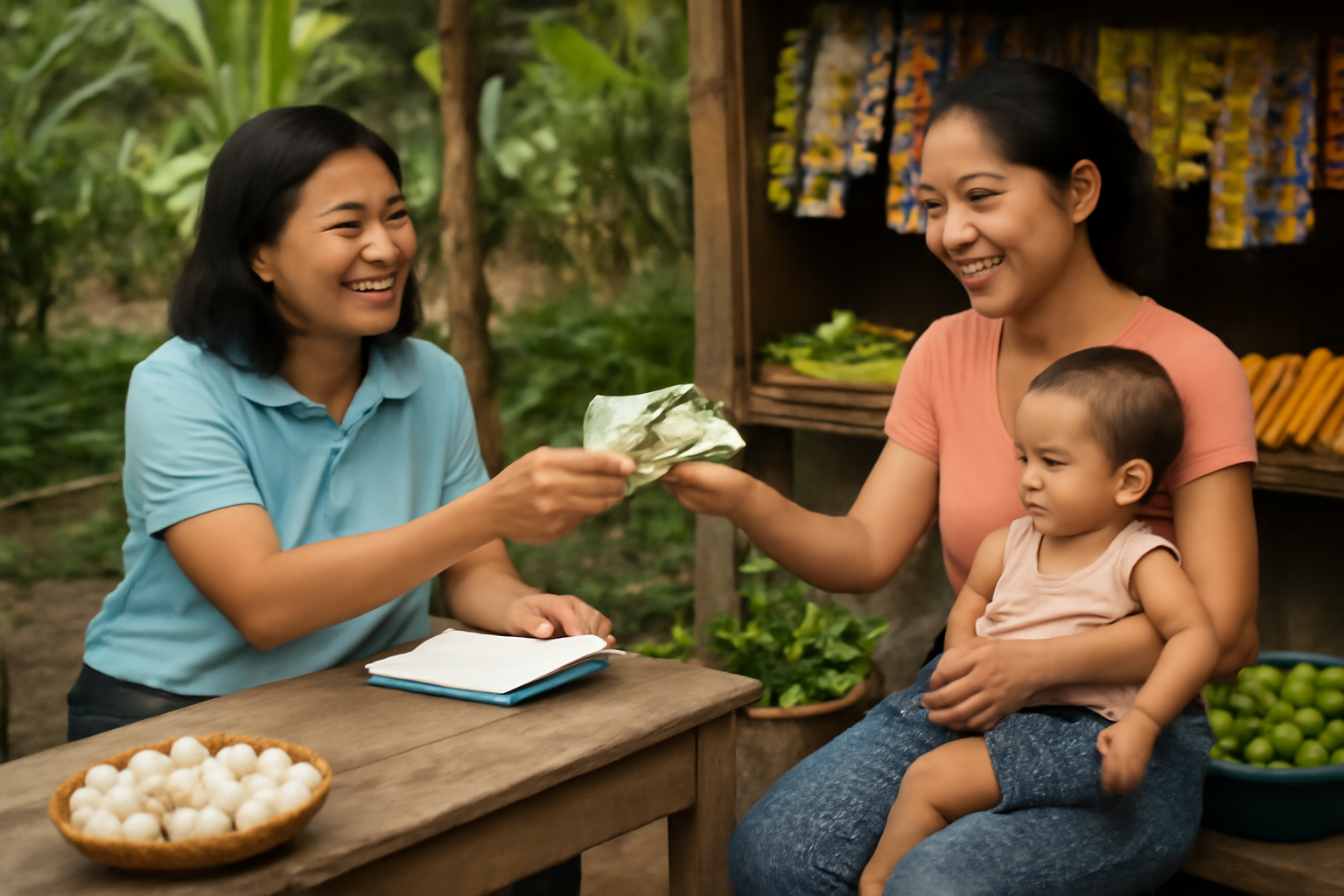
Microcredit has emerged as an essential tool in the fight against poverty and in fostering economic growth, particularly in developing countries. The Philippines, a nation characterized by economic disparities, has witnessed the significant impact of microcredit in improving the livelihoods of its citizens. Microcredit refers to the provision of small loans to individuals who lack access to traditional banking services. This financial model aims to empower low-income families, especially in rural areas, by providing them with the capital needed to start or expand small businesses.
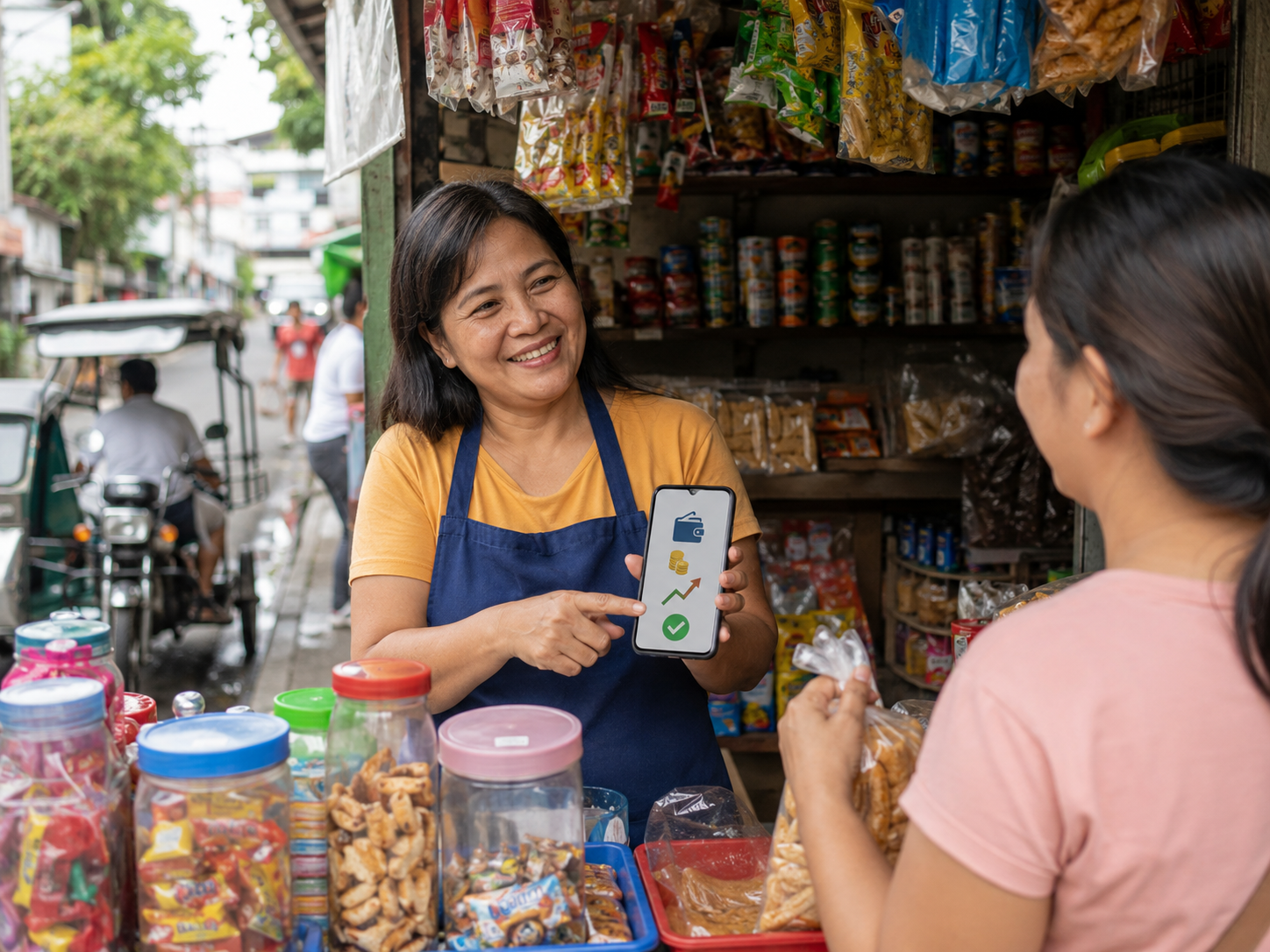
One of the key benefits of microcredit in the Philippines is its ability to empower women, who often face gender-based barriers to financial independence. By offering women the opportunity to access small loans, microcredit programs enable them to establish businesses, become financially self-sufficient, and contribute to the family income. Many Filipino women, especially in rural areas, rely on these microloans to support agricultural activities, retail businesses, or service-oriented enterprises, leading to economic improvement within their communities.
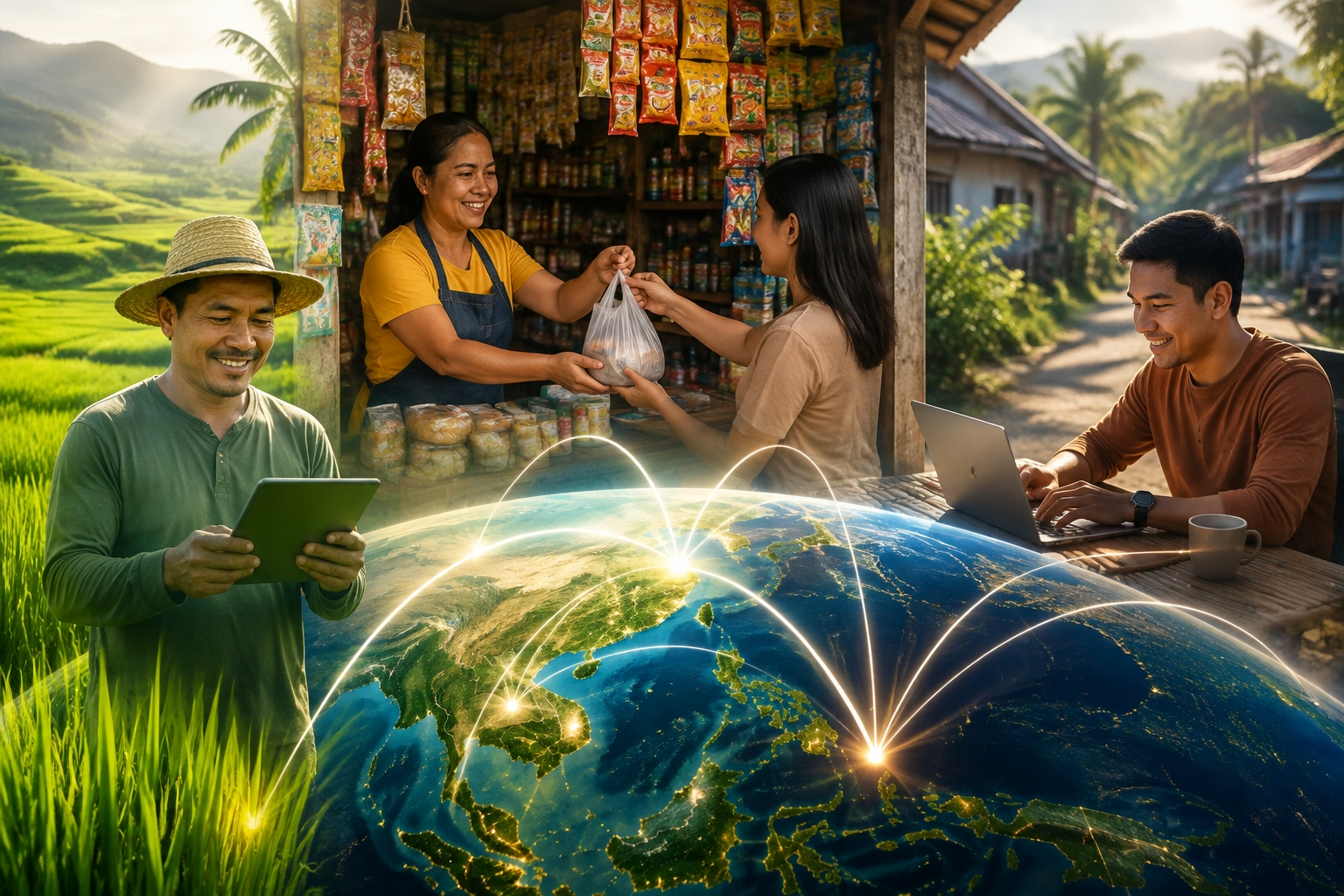
The impact of microcredit extends beyond individual success. As more people gain access to financial resources, entire communities experience growth. Small-scale businesses, particularly in rural regions, help stimulate local economies by creating jobs and generating income. As these businesses thrive, they contribute to the overall development of infrastructure, such as roads and markets, creating a ripple effect that enhances the welfare of the broader population.
Microcredit also plays a crucial role in improving access to education and healthcare. By empowering families economically, microcredit enables parents to afford schooling for their children and invest in better health services. Many microcredit institutions in the Philippines partner with local health providers to offer affordable medical services, ensuring that borrowers’ families can maintain a healthy lifestyle, further enhancing their ability to work and prosper.
However, while microcredit has proven successful in many ways, there are challenges to consider. One of the main concerns is the interest rates attached to microloans, which can sometimes be higher than traditional bank loans. This could place borrowers in a difficult position if they are unable to repay on time, leading to further financial stress. Additionally, not all borrowers have the necessary financial literacy to manage loans effectively, which could result in poor loan utilization and defaults.
Despite these challenges, microcredit continues to be a pivotal tool in the Philippines’ economic development strategy. The government, along with non-governmental organizations (NGOs) and microfinance institutions (MFIs), has been working to ensure that microcredit programs are more accessible, transparent, and effective. By improving financial literacy and reducing interest rates, the Philippines can further harness the potential of microcredit to uplift millions of its citizens from poverty and contribute to a more inclusive economy.