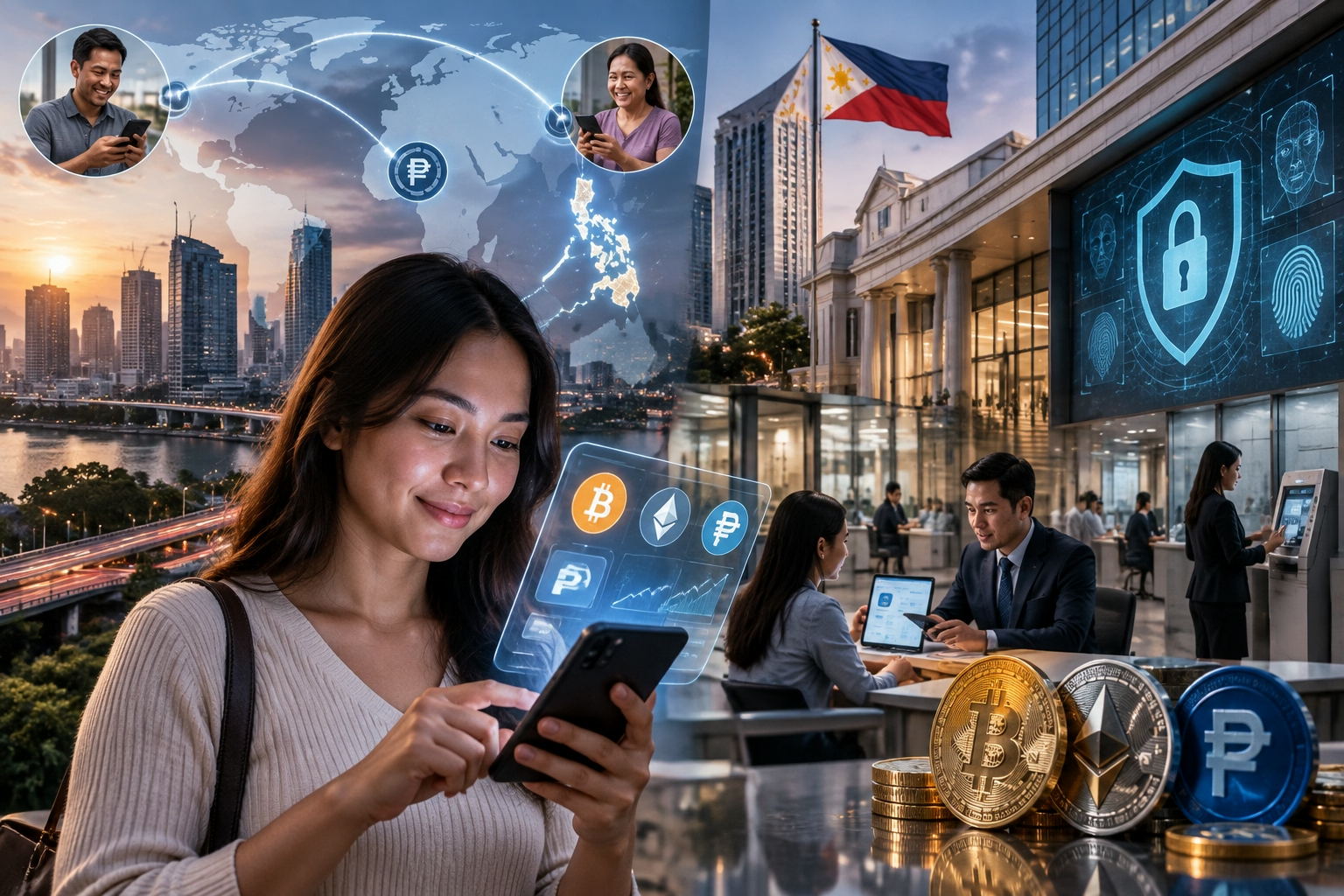

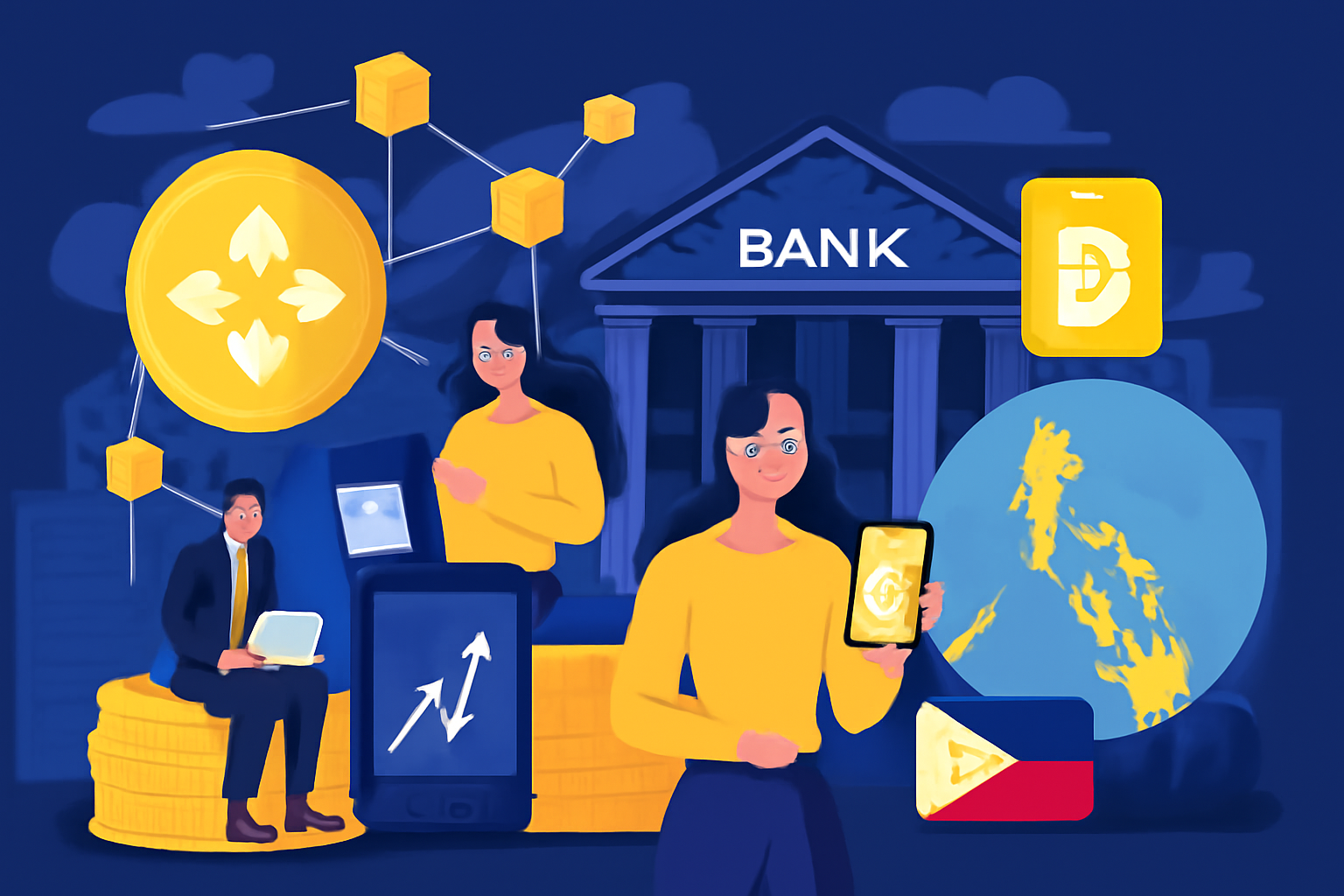
In recent years, the financial industry across the globe has been experiencing a paradigm shift due to the increasing integration of blockchain technology. The Philippines, known for its rapidly growing digital economy, is no exception. Blockchain, with its decentralized ledger system, has the potential to transform the banking landscape by improving security, transparency, and efficiency. In the context of the Philippine banking sector, the role of blockchain technology is becoming more pivotal as it addresses long-standing challenges, including financial inclusion, fraud, and inefficiencies in cross-border payments.
One of the key advantages of blockchain technology is its ability to reduce fraud and enhance security. Blockchain operates on a decentralized and immutable ledger, meaning that once a transaction is recorded, it cannot be altered. For banks in the Philippines, where cybersecurity risks are a concern, this feature offers a secure and transparent way to conduct financial transactions. For example, transactions made through blockchain are verified by multiple participants, reducing the chances of data manipulation or fraudulent activity. This is crucial for the Philippine banking sector, where a large number of consumers still rely on traditional banking methods, leaving them vulnerable to various forms of financial fraud.
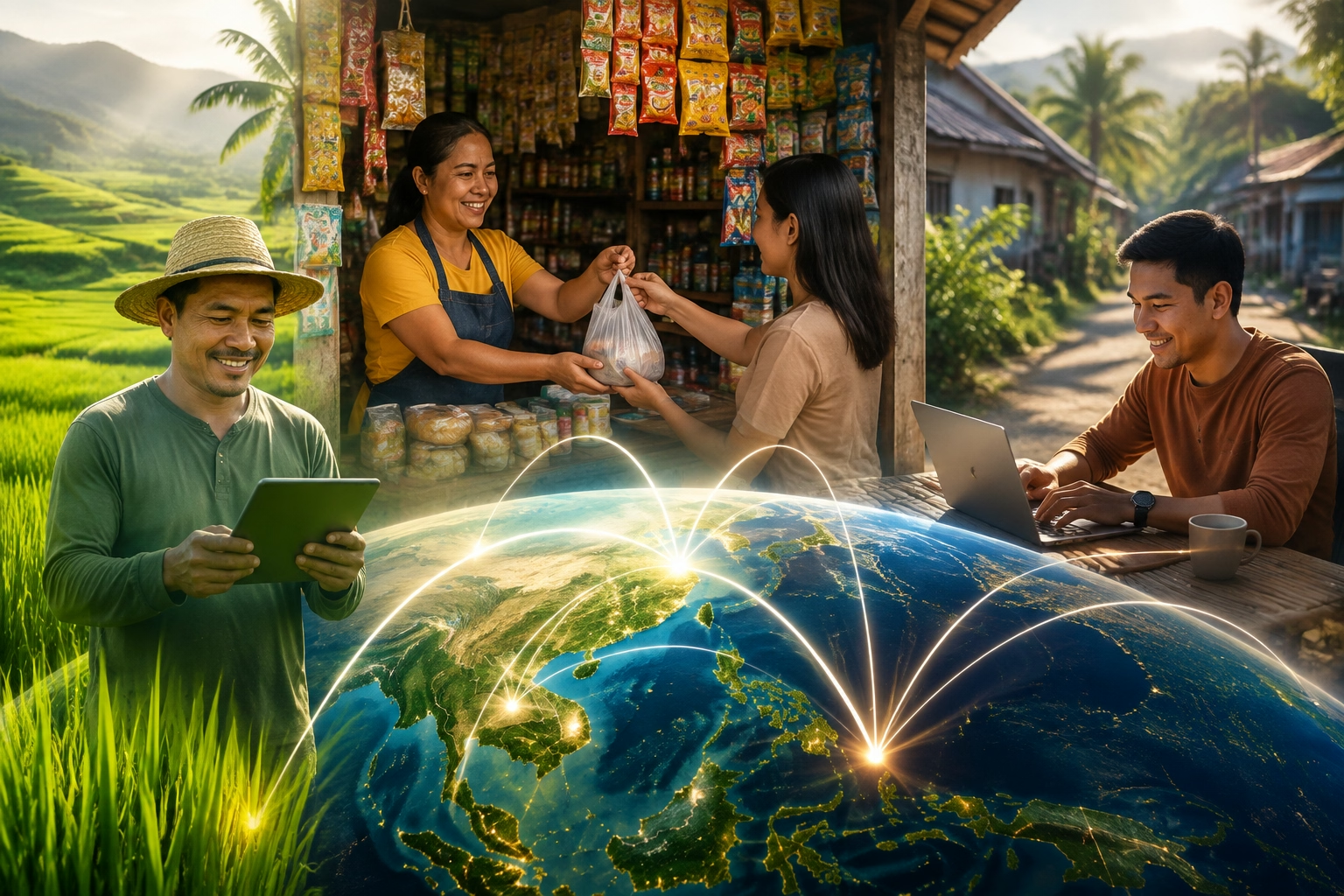
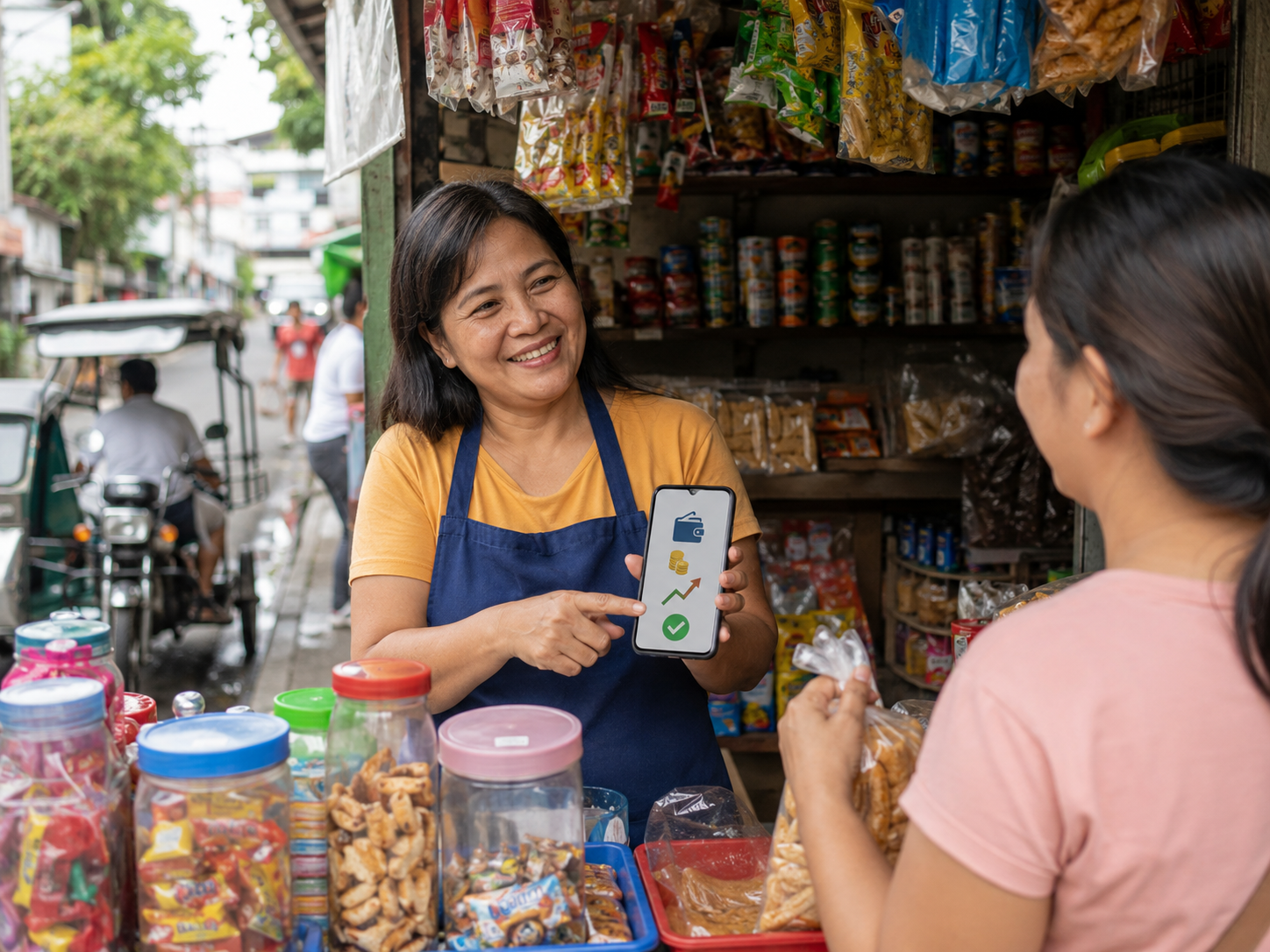
Moreover, blockchain technology can significantly improve financial inclusion in the Philippines. Despite the country’s growing economy, many Filipinos, particularly those in rural areas, lack access to traditional banking services. Blockchain enables the creation of decentralized financial services (DeFi), which could allow these unbanked populations to access financial products and services. By using blockchain, banks and fintech companies can develop mobile wallets and digital identity systems that provide secure and easy access to financial services without requiring physical bank branches. This could help bridge the gap between the unbanked population and formal financial systems.
Cross-border payments are another area where blockchain can make a significant impact on the Philippine banking industry. The Philippines is one of the largest recipients of remittances globally, with millions of overseas Filipino workers (OFWs) sending money back home. Traditional remittance services, such as wire transfers, often involve high fees, slow processing times, and limited transparency. Blockchain, however, enables faster, cheaper, and more transparent cross-border transactions. With blockchain, remittance transfers can be processed in real-time, with lower transaction fees, benefiting both the senders and recipients.
In addition to remittances, blockchain can also streamline domestic payments within the Philippines. By eliminating intermediaries, blockchain can reduce transaction costs and speed up the settlement process. This can be particularly beneficial for businesses and individuals who need to make frequent or urgent payments. The efficiency brought by blockchain would not only enhance the user experience but also improve the overall operational effectiveness of banks.
Furthermore, regulatory bodies in the Philippines are starting to take steps towards integrating blockchain into the financial sector. The Bangko Sentral ng Pilipinas (BSP), the central bank of the Philippines, has expressed its support for blockchain technology by introducing regulations to facilitate its adoption. The BSP has also launched initiatives to promote financial technology innovations, positioning the country as a leader in digital finance within Southeast Asia. This regulatory environment is vital in ensuring the secure and compliant use of blockchain in the banking sector, providing both institutions and consumers with the confidence to adopt the technology.
In conclusion, the adoption of blockchain technology in the Philippine banking sector has the potential to drive significant changes in financial security, inclusion, and efficiency. By leveraging blockchain, Philippine banks can improve transparency, reduce fraud, and enhance cross-border payment systems. As the technology continues to evolve, it is likely that the role of blockchain in the Philippine financial sector will only expand, shaping the future of banking in the country.