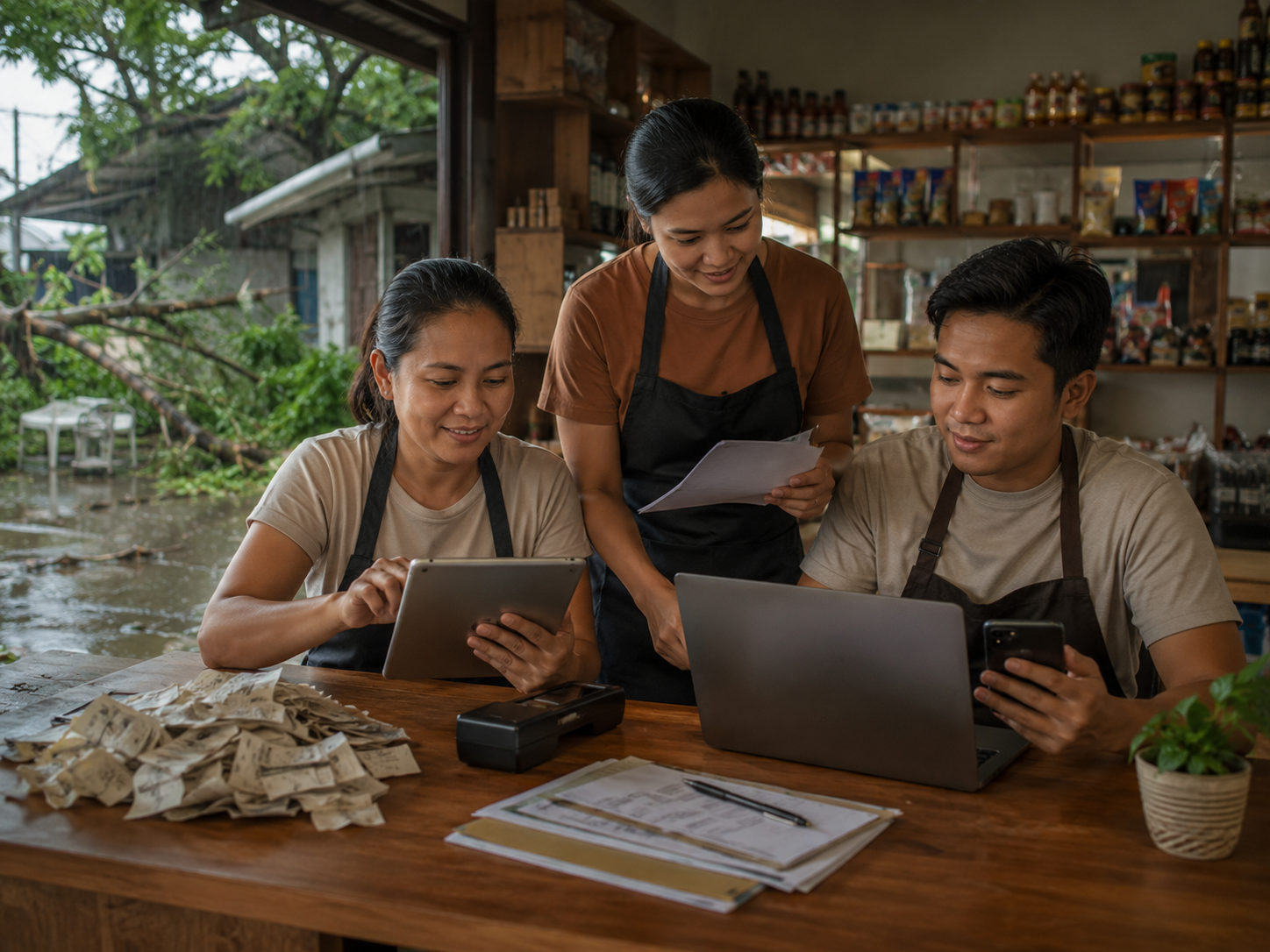


The rise of technology has had a significant impact on the development of Small and Medium Enterprises (SMEs) in the Philippines, propelling them towards innovation, efficiency, and global reach. In the past, SMEs in the Philippines faced numerous challenges due to limited resources, infrastructure, and access to markets. However, with the advent of new technological advancements, these enterprises now have the tools and capabilities to thrive in a competitive environment.
One of the major technological advancements driving the growth of SMEs in the Philippines is the widespread adoption of the internet and mobile technology. With mobile phones and internet connectivity, small business owners can now engage in online marketing, sales, and communication with customers, suppliers, and partners. This allows SMEs to reach a wider audience beyond their local markets, even competing on a global scale. E-commerce platforms such as Lazada, Shopee, and even Facebook have made it easier for these enterprises to showcase and sell their products, thereby increasing revenue streams.
Cloud computing has also revolutionized the way SMEs operate in the Philippines. By using cloud-based services, small business owners can access software and storage solutions that were once only available to large corporations. These services reduce the need for significant upfront investments in hardware and IT infrastructure, allowing SMEs to focus on their core business operations. For example, cloud accounting tools enable business owners to manage finances in real-time, while cloud-based communication platforms help streamline internal processes and communication.
Social media platforms such as Facebook, Instagram, and Twitter have become essential tools for marketing and branding for SMEs in the Philippines. These platforms provide a low-cost way for small businesses to promote their products or services to a larger audience. Through targeted advertising, businesses can reach specific demographics, improving the efficiency of their marketing efforts. Furthermore, social media allows SMEs to engage with their customers directly, building brand loyalty and trust.
Digital payment systems have also played a crucial role in the growth of SMEs in the Philippines. With mobile wallets, credit cards, and other digital payment solutions, transactions have become faster and more secure. This has increased customer satisfaction and improved cash flow for small businesses. The government’s push for a cashless society has further facilitated the adoption of these technologies, ensuring that SMEs can cater to the growing demand for convenient payment options.
The Philippine government has also supported SMEs in adopting technology through various programs and incentives. For example, the Department of Trade and Industry (DTI) has initiated programs aimed at enhancing the digital skills of local entrepreneurs and providing financial assistance to small businesses adopting new technologies. The government’s “Go Negosyo” initiative and other similar programs aim to provide SMEs with the necessary tools and resources to grow their businesses in the digital era.
Despite these advancements, challenges remain for SMEs in the Philippines in fully capitalizing on technological opportunities. One of the primary barriers is the digital divide, particularly in rural areas where internet access and technical skills may be limited. Additionally, some small business owners are reluctant to embrace technology due to concerns over costs, technical complexity, or lack of knowledge.
Nevertheless, the role of technology in the growth of SMEs in the Philippines cannot be overstated. With ongoing support from both the government and the private sector, small businesses are poised to continue their digital transformation, driving economic growth and job creation in the country. As technology continues to evolve, SMEs in the Philippines are presented with unprecedented opportunities to expand, innovate, and contribute to the country’s economic development.