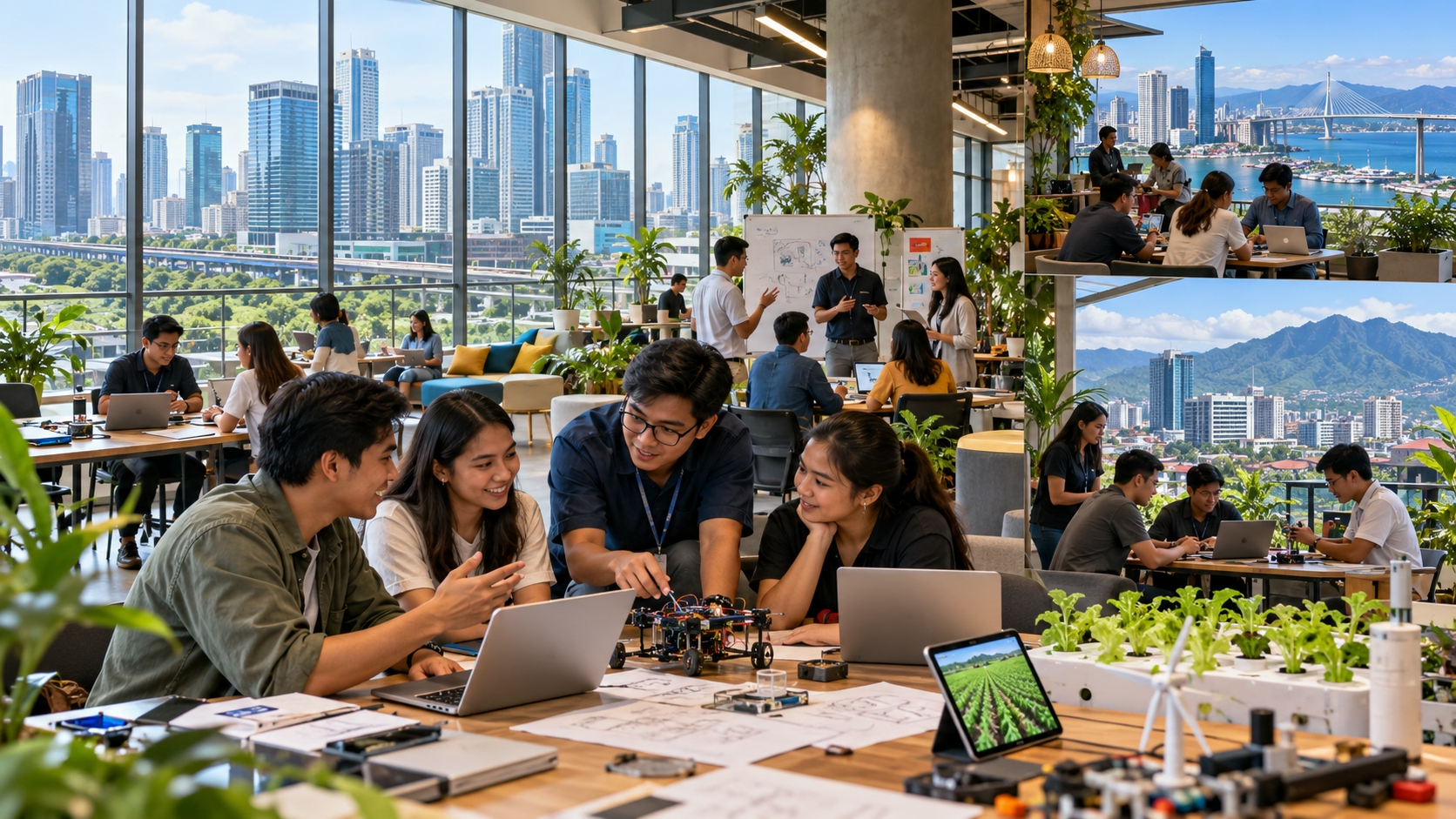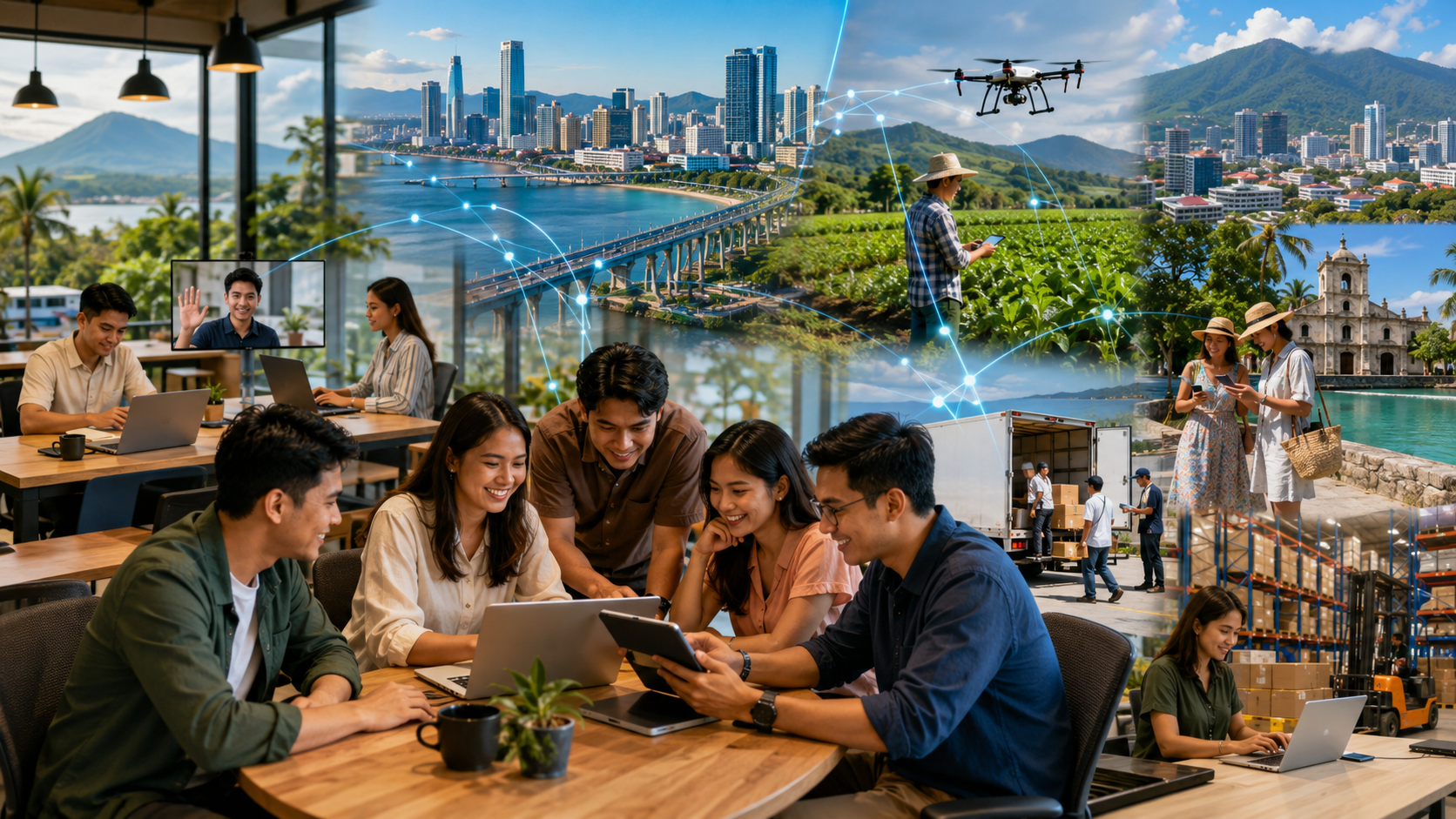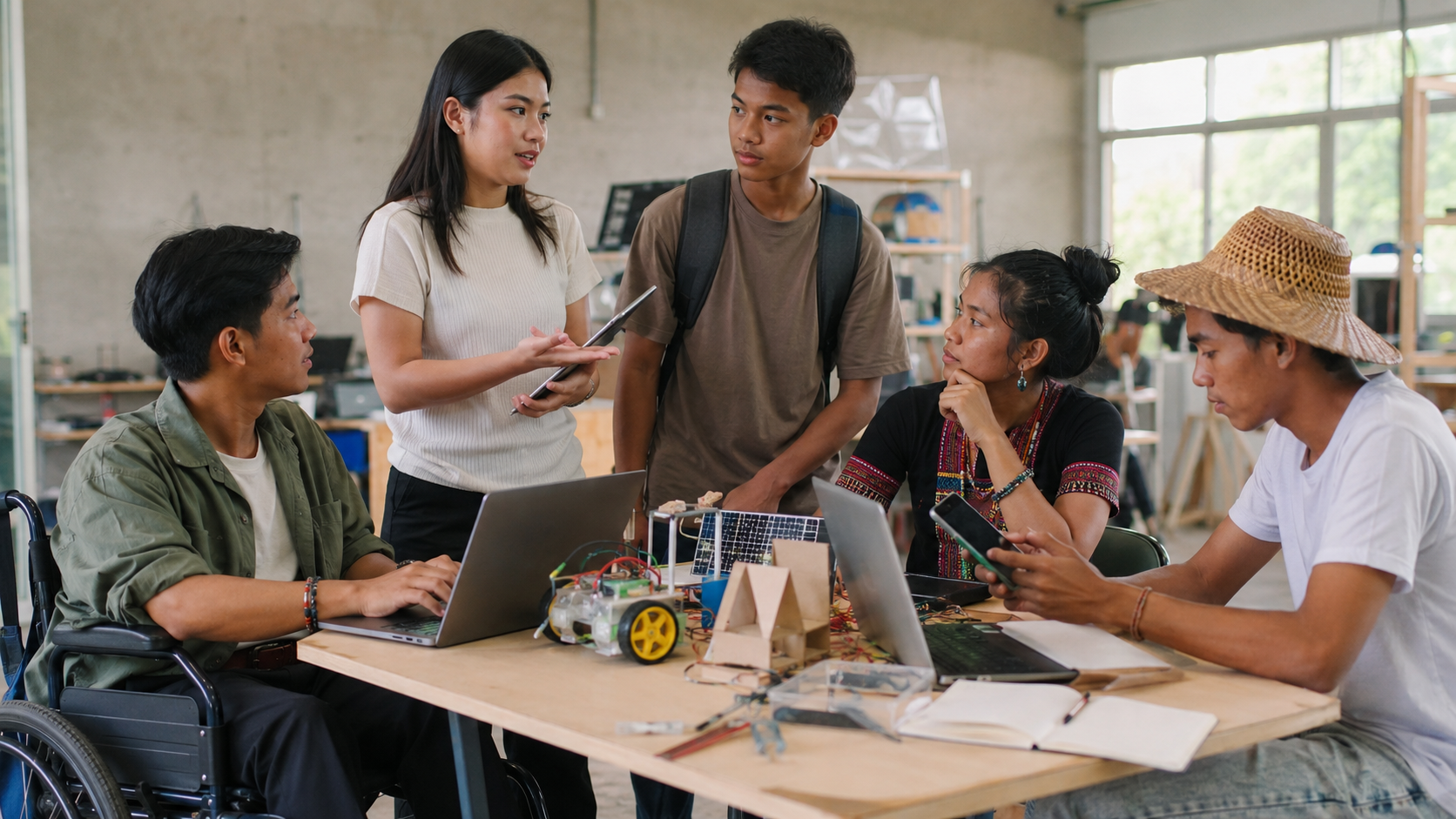

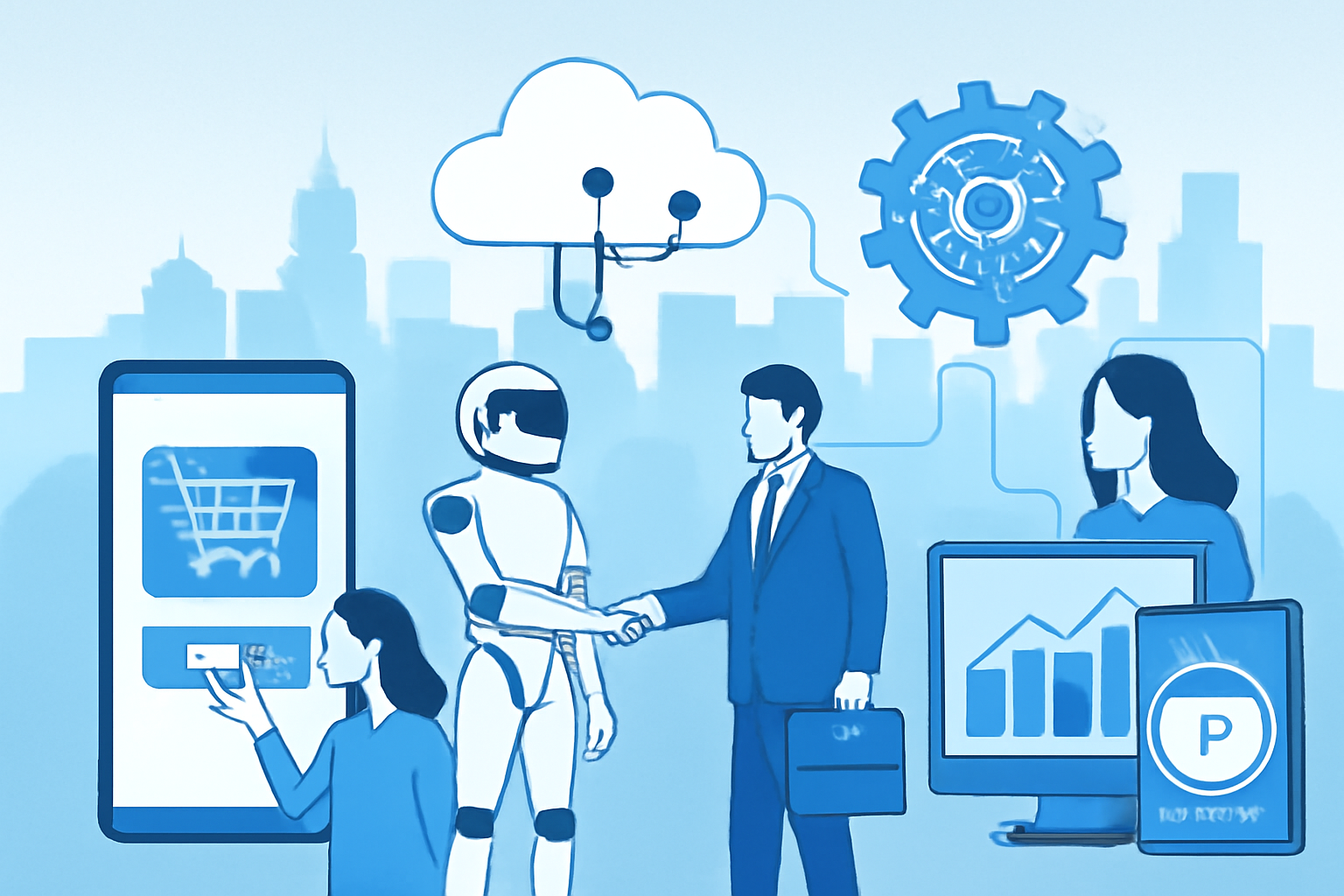
In recent years, the Philippines has witnessed a rapid transformation in the business landscape, largely driven by technological advancements. The integration of digital tools, automation, and data analytics has revolutionized traditional business practices across various sectors, including retail, finance, and manufacturing. Technology has not only improved efficiency but also opened new opportunities for growth and innovation.
One of the most significant impacts of technology in business transformation is the rise of e-commerce. With the Philippines having a large and growing online population, businesses are increasingly adopting online platforms to sell products and services. E-commerce giants like Lazada, Shopee, and Zalora have seen exponential growth, capitalizing on the country’s digital penetration. By integrating payment gateways, mobile applications, and customer relationship management (CRM) systems, these businesses have successfully met consumer demands for convenience and speed.
Moreover, the use of cloud computing has enabled Filipino businesses to scale operations more efficiently. Small and medium-sized enterprises (SMEs) now have access to affordable and scalable software solutions that were once only available to larger corporations. Cloud-based tools such as Google Workspace, Microsoft 365, and QuickBooks have simplified business processes such as accounting, project management, and communication, reducing operational costs.
Automation is another area where technology has had a profound impact. In industries like manufacturing and logistics, automation tools and robotics are enhancing productivity and reducing human error. For example, in the manufacturing sector, robotic arms are now used to assemble products, while drones and autonomous vehicles are being tested in the logistics industry for faster and more efficient delivery.
In addition to automation, big data and analytics are playing an increasingly crucial role in decision-making. By leveraging data insights, businesses in the Philippines are able to identify consumer trends, optimize supply chains, and forecast demand more accurately. This data-driven approach not only improves profitability but also helps businesses stay competitive in a fast-evolving market.
Despite the promising potential, businesses in the Philippines still face challenges in fully embracing technology. One of the major barriers is the digital divide, with rural areas lagging behind urban centers in terms of internet connectivity and technological access. However, government initiatives and private sector investments are steadily bridging this gap, ensuring that more Filipinos can benefit from the digital revolution.
In conclusion, technology is undeniably shaping the future of business in the Philippines. As businesses continue to adopt and integrate digital tools, they will be better positioned to thrive in an increasingly globalized and technology-driven world. The ongoing digital transformation is not just a trend but a necessary evolution for businesses looking to remain competitive and relevant.