
In recent years, the concept of sustainability has become central to business strategies around the world. In the Philippines, this growing trend towards sustainable business practices is creating significant opportunities for Micro, Small, and Medium Enterprises (MSMEs). These businesses, which represent the backbone of the Filipino economy, are increasingly adopting eco-friendly practices to not only reduce their environmental footprint but also boost their competitiveness and appeal in a market that is becoming more environmentally conscious.
The Philippines has long been vulnerable to the effects of climate change, with frequent typhoons, rising sea levels, and other environmental challenges. These realities have accelerated the push for sustainable business models that prioritize long-term environmental health. For MSMEs, adopting such practices is not just about being environmentally responsible, but also about tapping into new consumer demands and gaining a competitive edge.
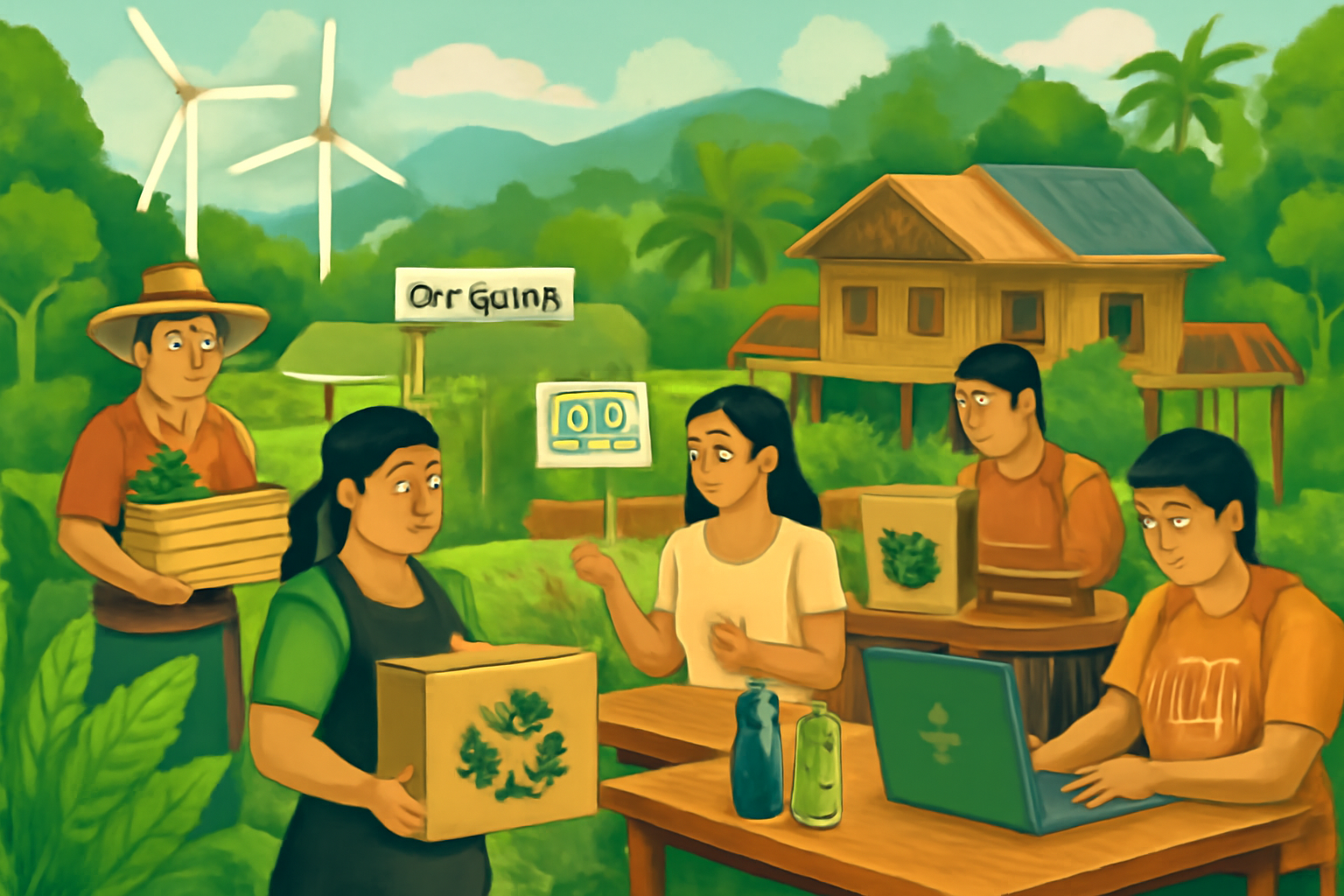
One major trend in the country is the rise of “green” products and services. Filipino consumers are becoming more aware of the impact their purchases have on the environment. As a result, there is a growing demand for products that are eco-friendly, such as biodegradable packaging, organic food, and energy-efficient appliances. MSMEs that focus on producing sustainable products have a unique opportunity to cater to this expanding market. Furthermore, by reducing waste, recycling, and using eco-friendly materials, businesses can also lower their operational costs.
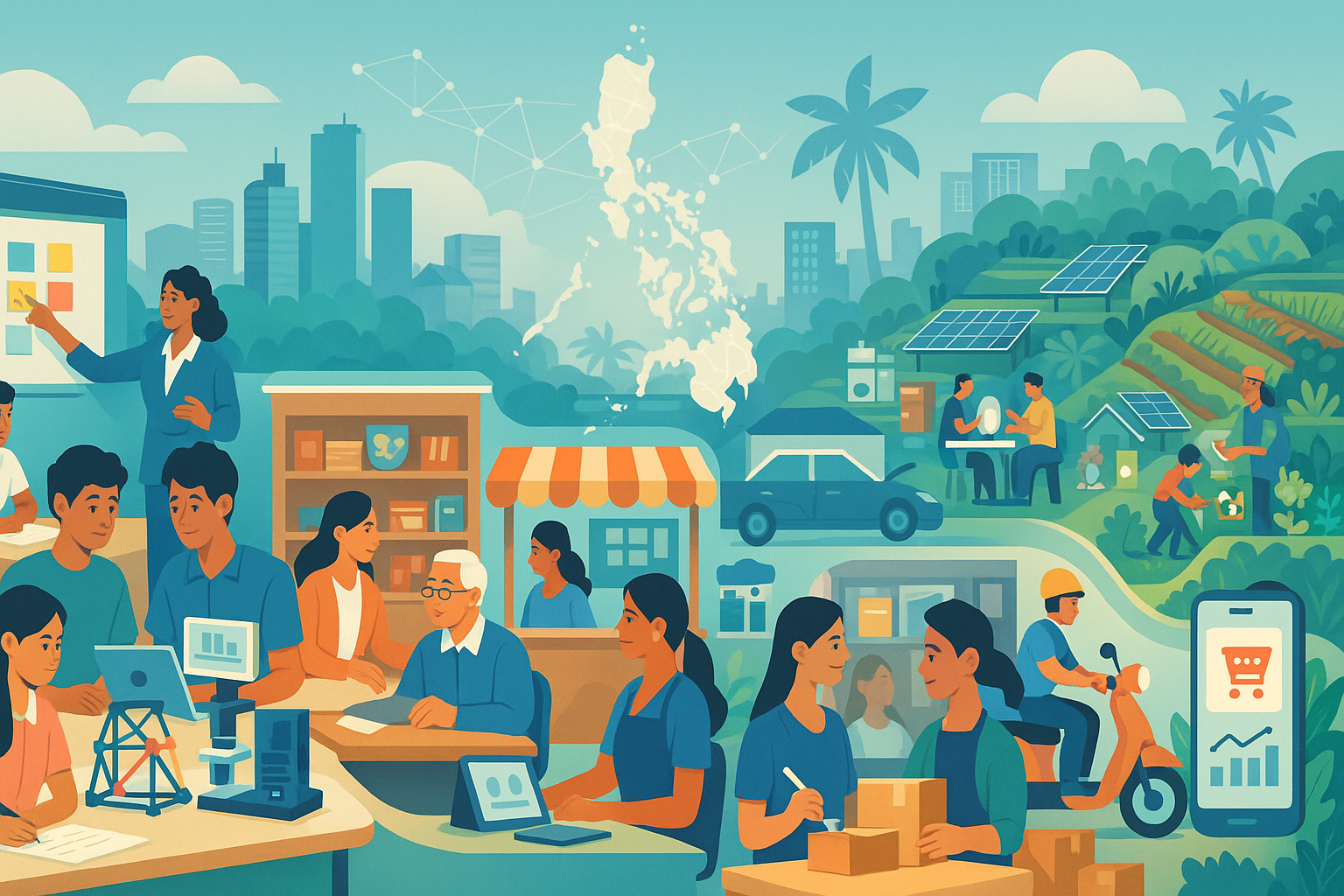
Another opportunity for MSMEs lies in adopting renewable energy sources. The Philippines is blessed with an abundance of natural resources, including sunlight, wind, and geothermal energy. By shifting to renewable energy, MSMEs can reduce their dependence on fossil fuels, cut energy costs, and lessen their carbon footprint. Solar power, for instance, is becoming an increasingly viable option for small businesses, especially in rural areas where access to the national grid may be limited.
Moreover, sustainable practices in agriculture are gaining traction in the Philippines. With agriculture being a critical sector for the economy and the livelihoods of millions, adopting sustainable farming practices such as organic farming, crop rotation, and water conservation techniques is essential. MSMEs in the agricultural sector can leverage these practices to improve yields, reduce costs, and cater to the rising demand for organic products both locally and internationally.
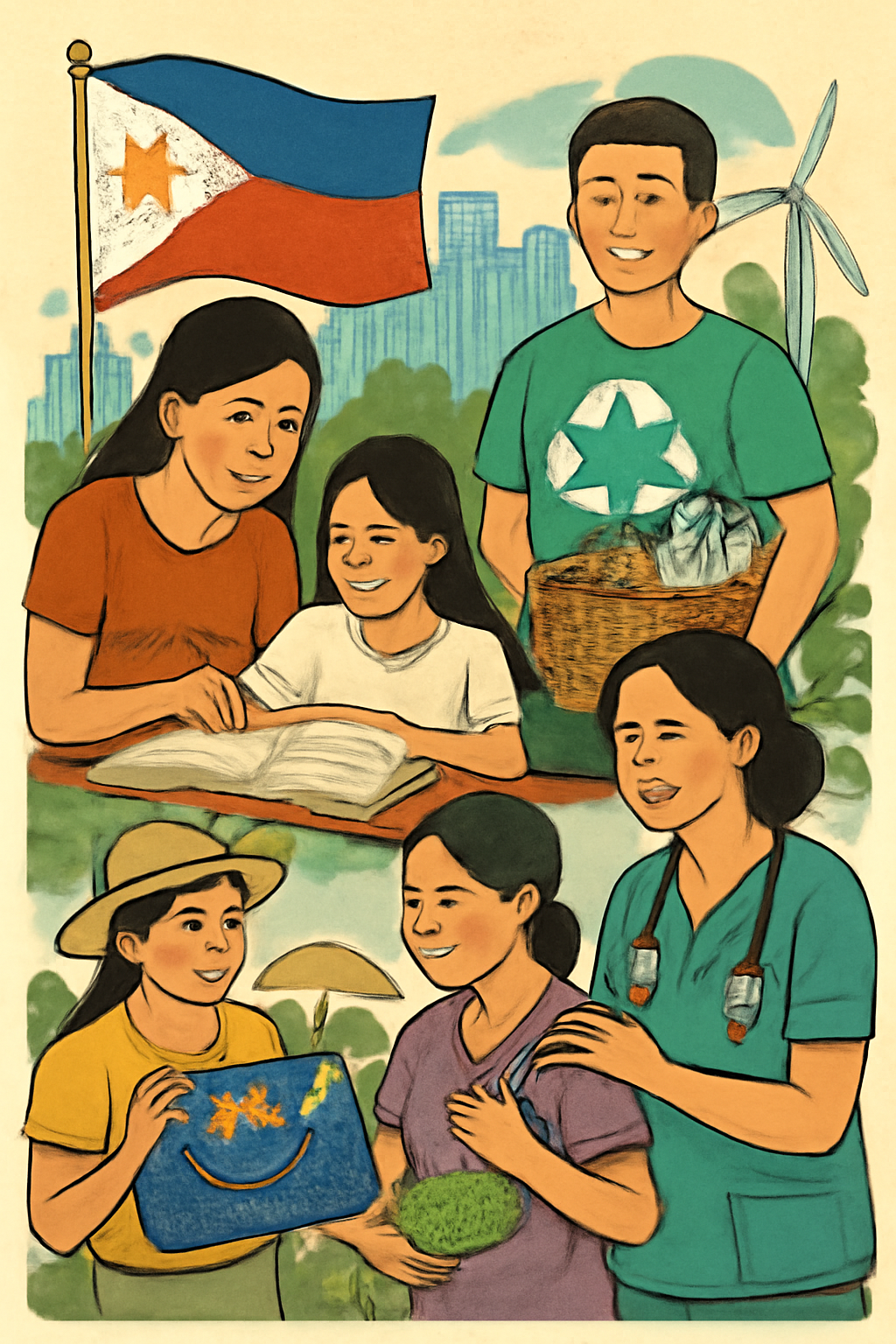
In addition, many Filipino MSMEs are looking into sustainable supply chain practices. The movement towards ethical sourcing and fair trade is gaining momentum, with an increasing number of consumers supporting businesses that promote social justice and environmental sustainability. MSMEs that align themselves with these values can improve their reputation and build trust with customers who are more conscious about the social and environmental impacts of their purchases.
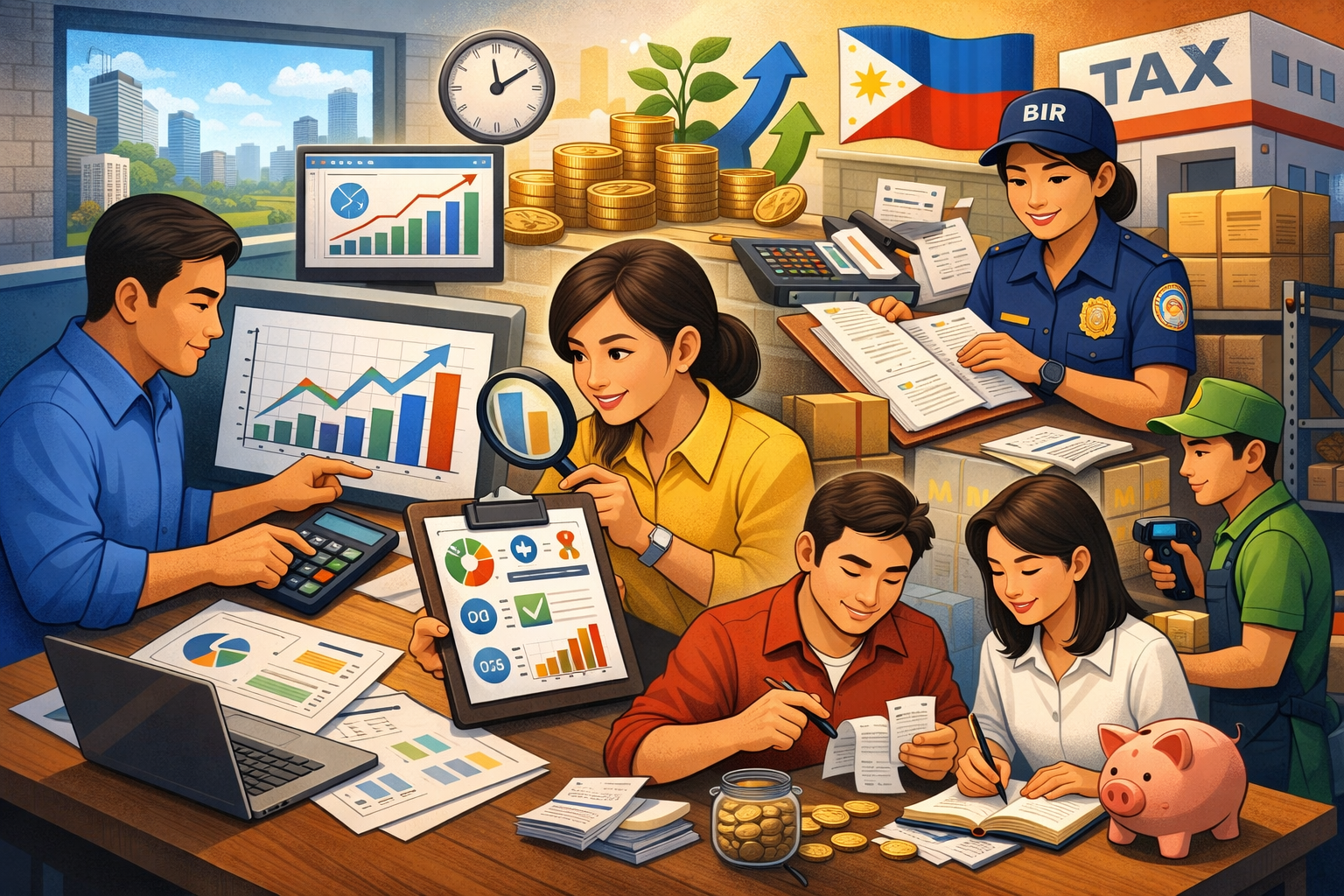
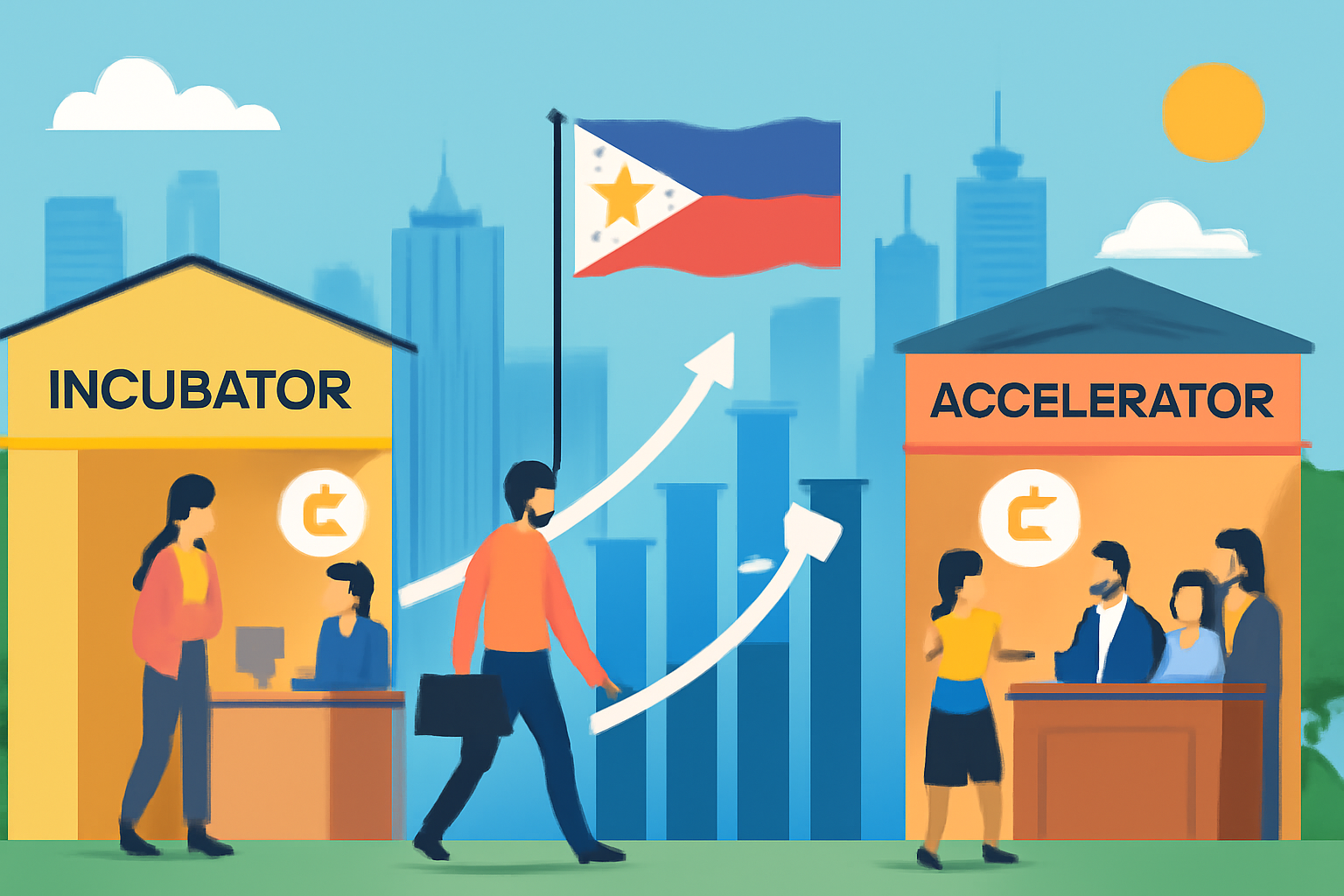
Lastly, the government and various organizations in the Philippines are beginning to support MSMEs that engage in sustainable practices. Through financial incentives, tax breaks, and grants, there are numerous opportunities for small businesses to integrate sustainability into their operations. By taking advantage of these programs, MSMEs can not only reduce their financial burdens but also create positive impacts for the environment and society.
In sum, the shift towards sustainable business practices in the Philippines presents a wealth of opportunities for MSMEs. By embracing sustainability, small businesses can cater to the growing demand for eco-friendly products and services, reduce costs, improve their reputation, and contribute to a more sustainable future for the nation.