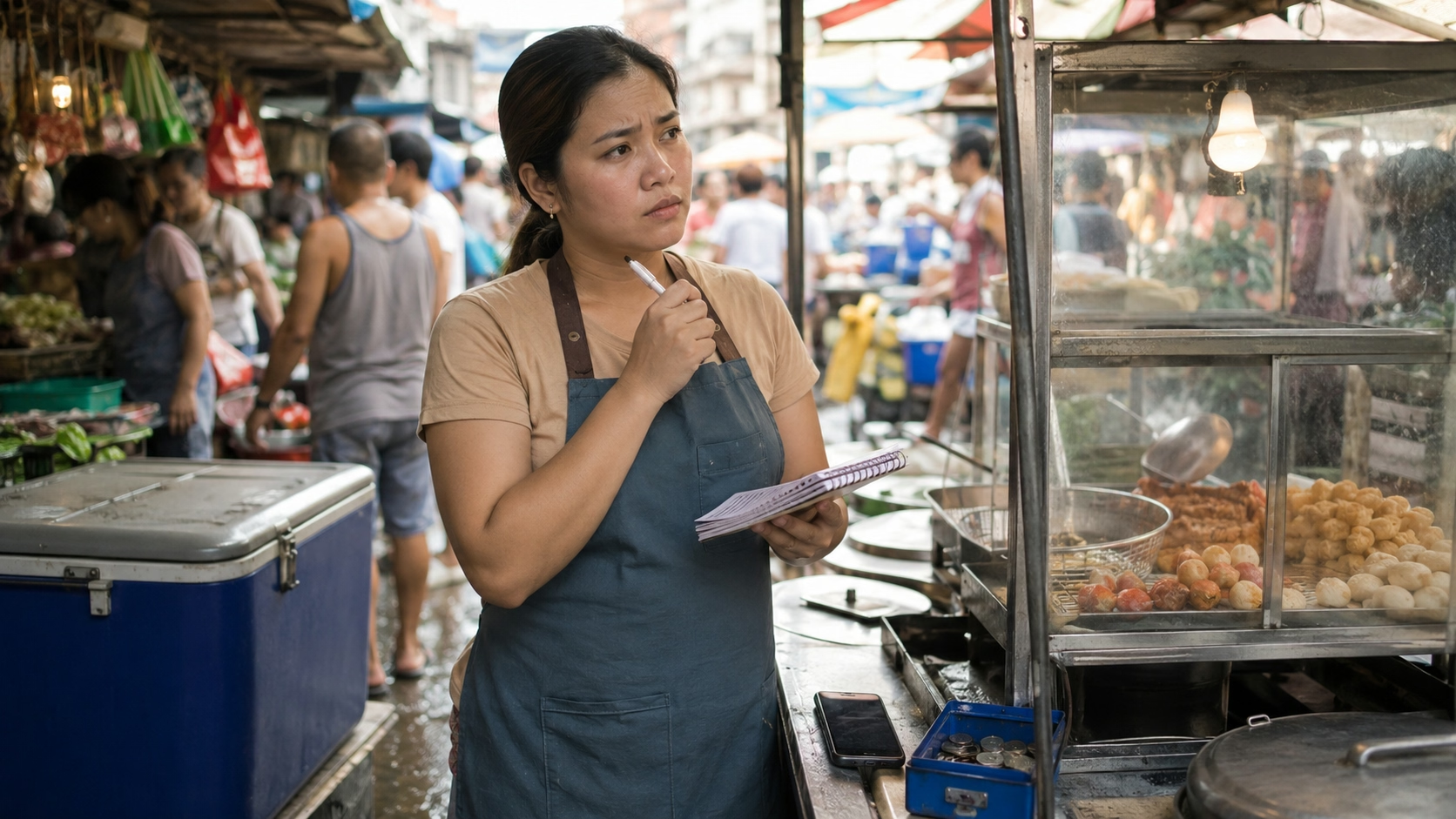


Entrepreneurship training in the Philippines has evolved into a structured pipeline that starts in basic education and runs through university, technical training, and public–private programs. The K–12 system introduced exposure early: in the Academic track, the Accountancy, Business, and Management (ABM) strand incorporates core subjects in business planning and marketing, while Technical-Vocational-Livelihood (TVL) pathways let students experience product design, costing, and small-scale selling. Even at this level, capstone mini-ventures—food kiosks, print services, or online pre-order businesses—move learning beyond theory.
At the tertiary level, universities offer entrepreneurship degrees with increasingly experiential curricula. Students write investor-ready business plans, pitch to panels, and take up internships in startups rather than only in large firms. Incubation and acceleration are now part of campus life: many institutions run incubators that provide workspace, coaching, and links to early-stage capital. Faculty development—short courses in lean startup methods, design thinking, and market validation—helps keep instruction aligned with current practice.
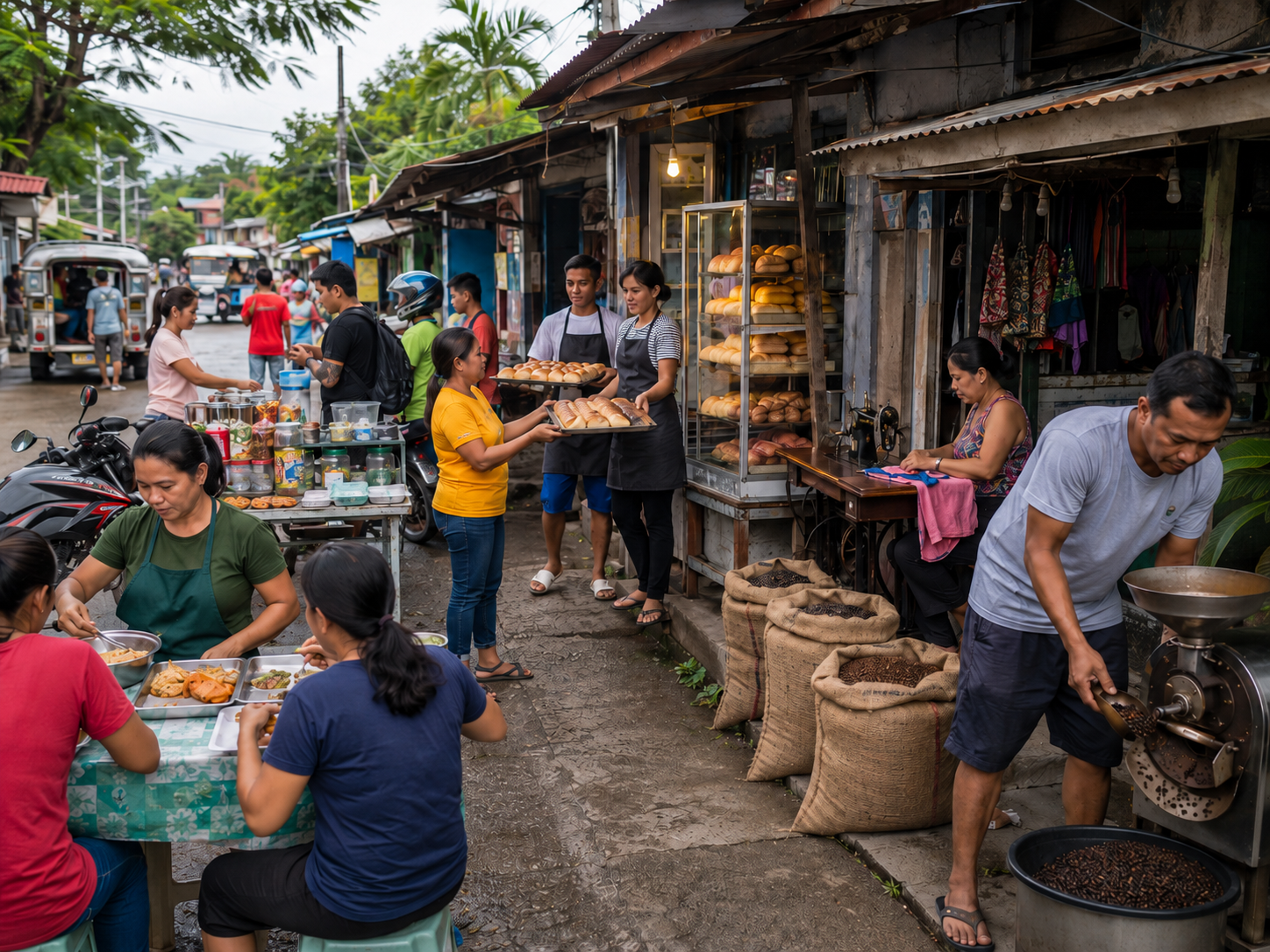
Technical and vocational training through the Technical Education and Skills Development Authority (TESDA) complements academic routes. Short courses in bookkeeping, food processing, welding, or digital services are paired with modules on pricing, supply chain, and customer acquisition. For many would-be entrepreneurs, these units form a sturdy skills base for micro-enterprises, from neighborhood bakeries to online freelancing agencies.
Government policy scaffolds this ecosystem. The Go Negosyo Act established Negosyo Centers nationwide that deliver mentoring, registration assistance, and market linkage services, especially to micro, small, and medium enterprises (MSMEs). For innovation-driven ventures, the Innovative Startup Act created a friendlier environment—facilitating permits, providing grants, and encouraging collaboration with research institutions. Alongside these, industry-led efforts and hubs such as QBO Innovation Hub and various corporate accelerators add coaching depth and investor connectivity.
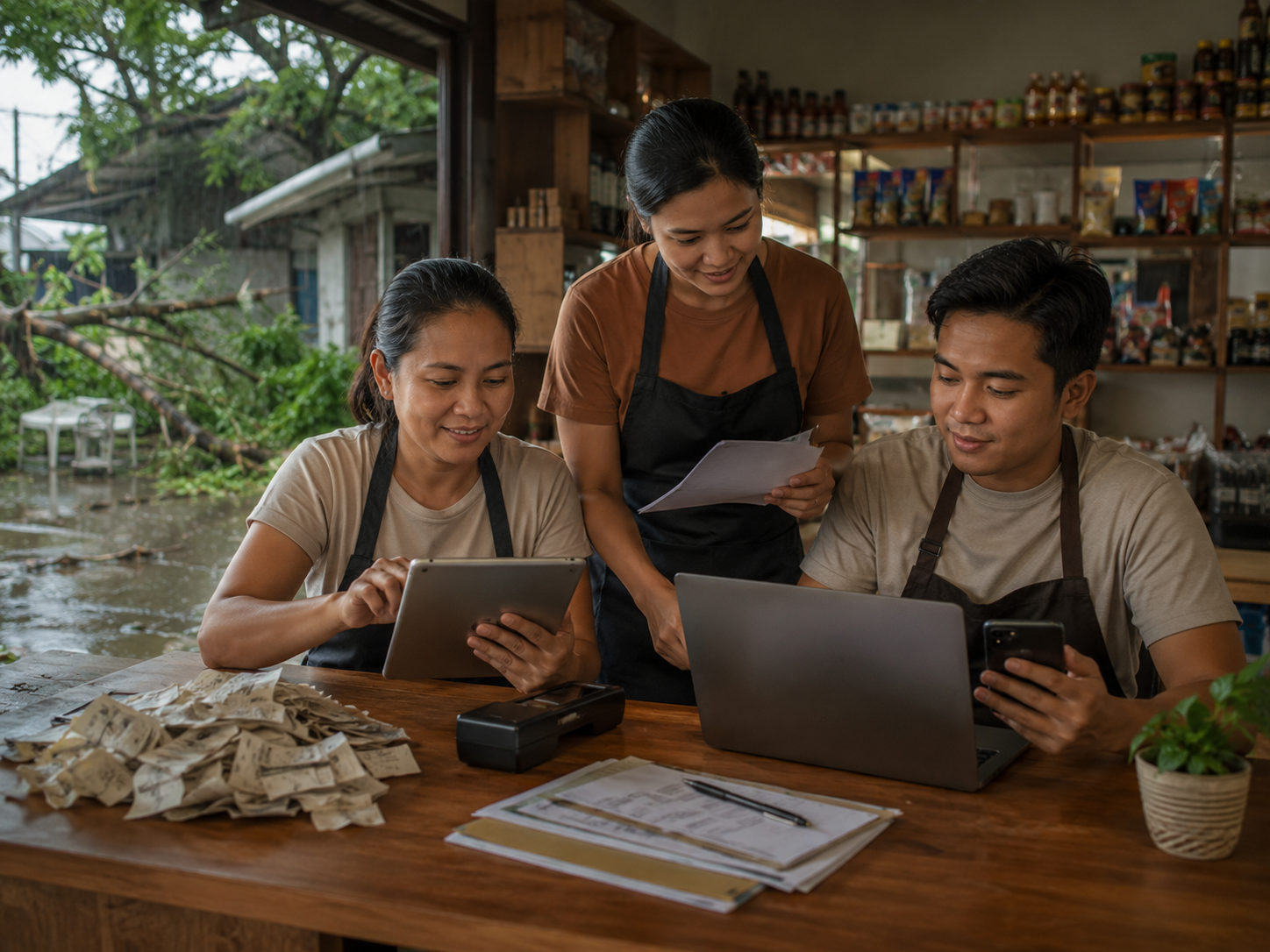
Digital readiness features strongly in current training. E-commerce literacy—store setup, product photography, logistics, and customer retention—sits beside lessons on using e-wallets, payment gateways, and basic analytics. Trainers emphasize omnichannel strategies that combine physical presence with online reach, enabling entrepreneurs to serve both local and diaspora markets. Modules on compliance demystify business name registration, BIR requirements, and municipal permits, decreasing the friction of formalization.
Inclusion and regional equity remain central. Programs that target women founders, youth, and agripreneurs extend training to provinces where access to capital and mentorship can be thin. Agribusiness workshops on post-harvest handling, cooperative development, and branding lift incomes beyond raw commodity sales. Social entrepreneurship is likewise featured, teaching models that balance mission and margins and encouraging community-based enterprise.
Quality assurance is an ongoing challenge, so many providers now track outcomes like venture survival, revenue growth, and job creation. Schools adopt industry advisory boards to keep curricula relevant, while trainers use live case studies and market-immersion assignments. The strongest programs are those that close the loop: ideation, validation, launch, compliance, and continuous improvement—supported by mentors who have actually built and scaled ventures.
Taken together, the Philippines’ approach is less a single program and more an interconnected road system. Whether a student starts through ABM, TVL, TESDA, or a university incubator, the route leads toward practical capability: building value, managing risk, and earning the trust of customers.