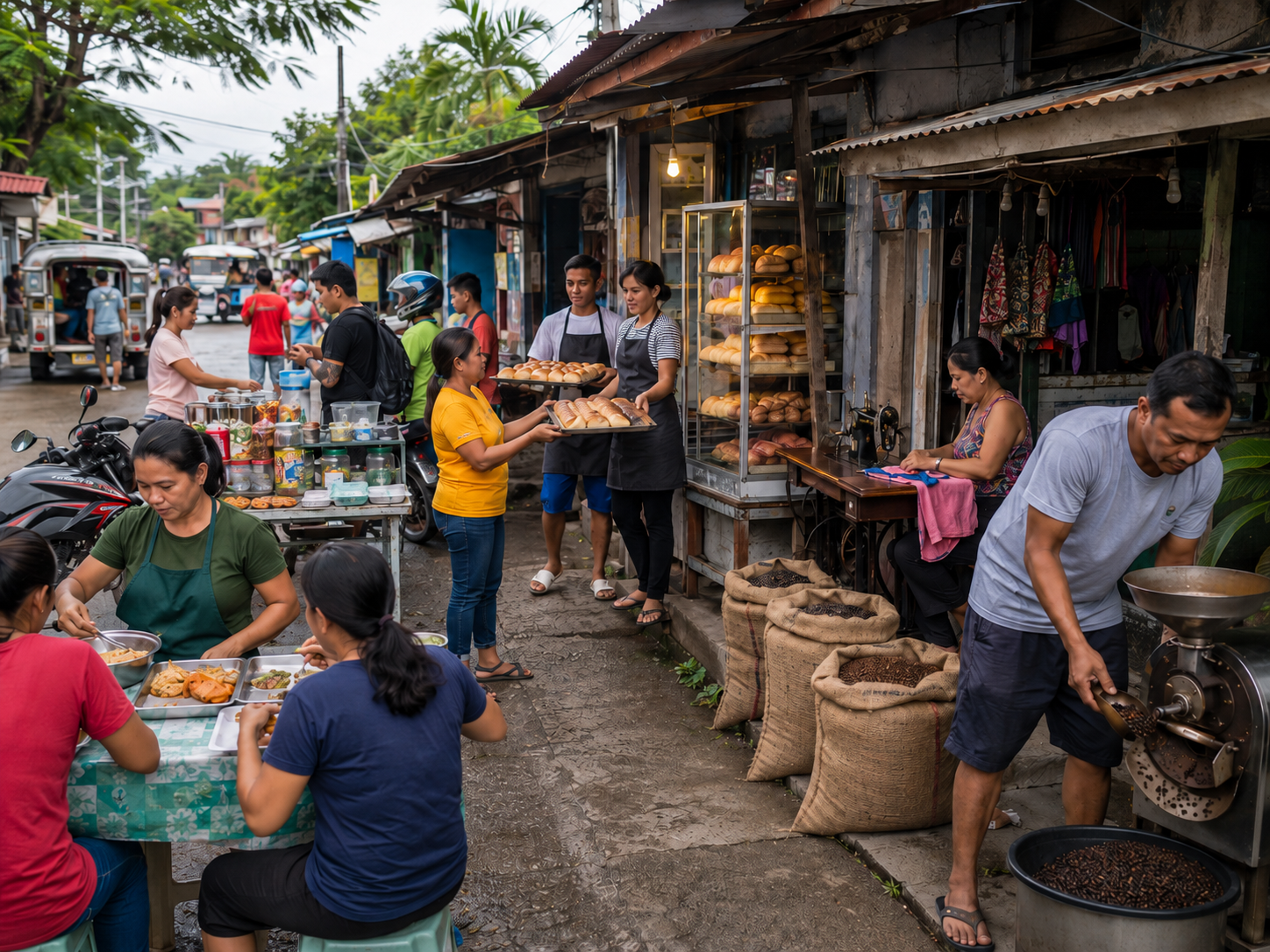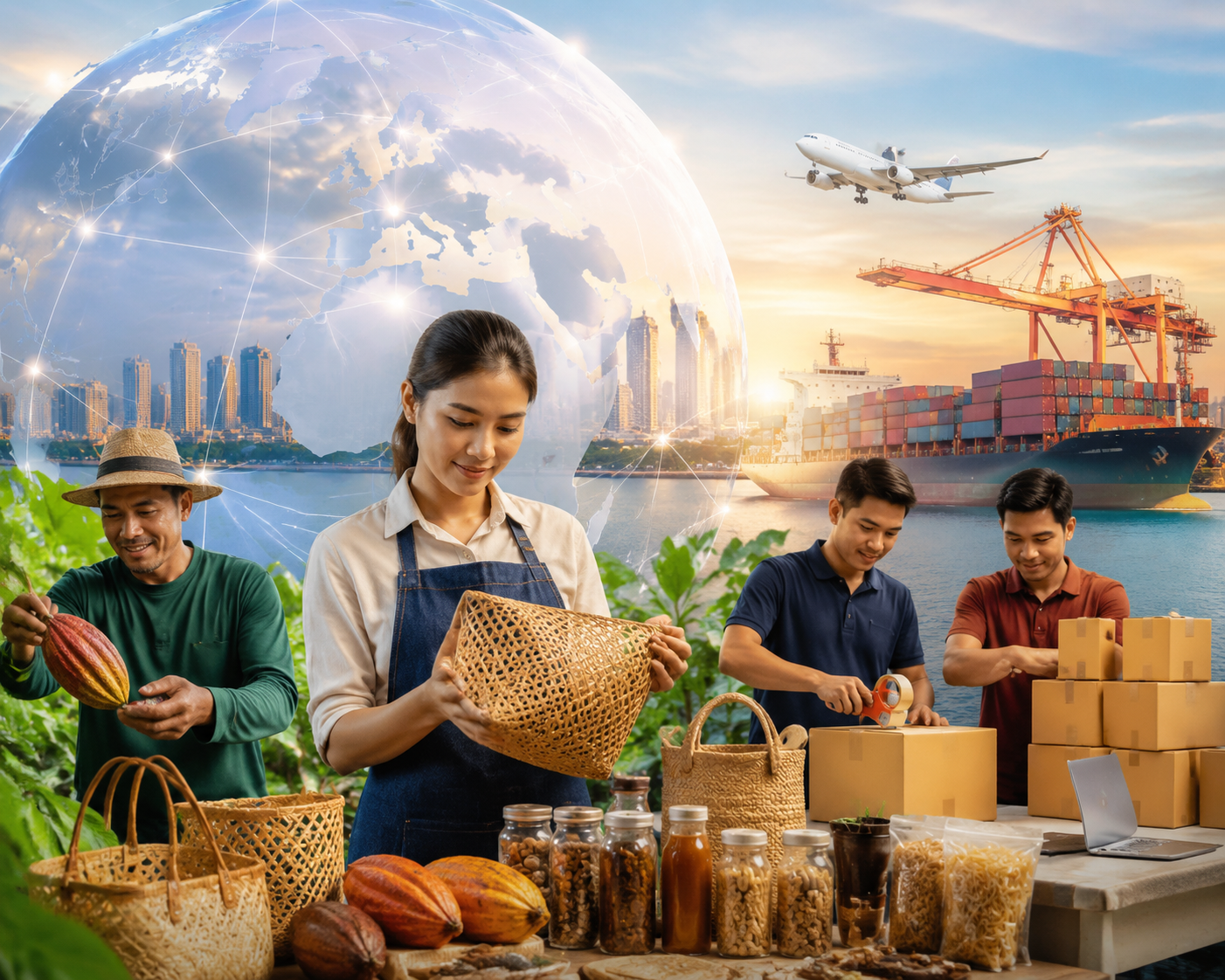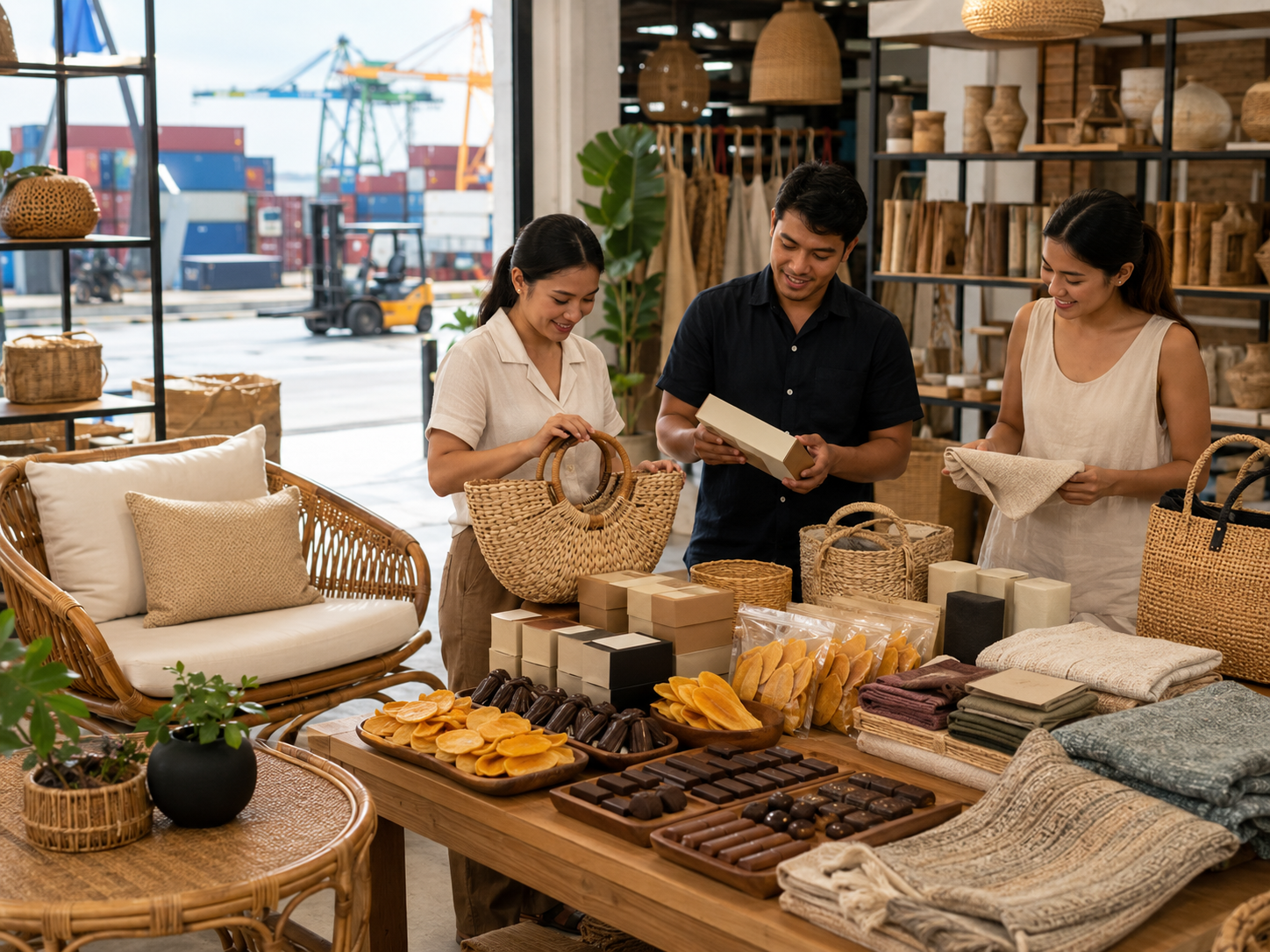

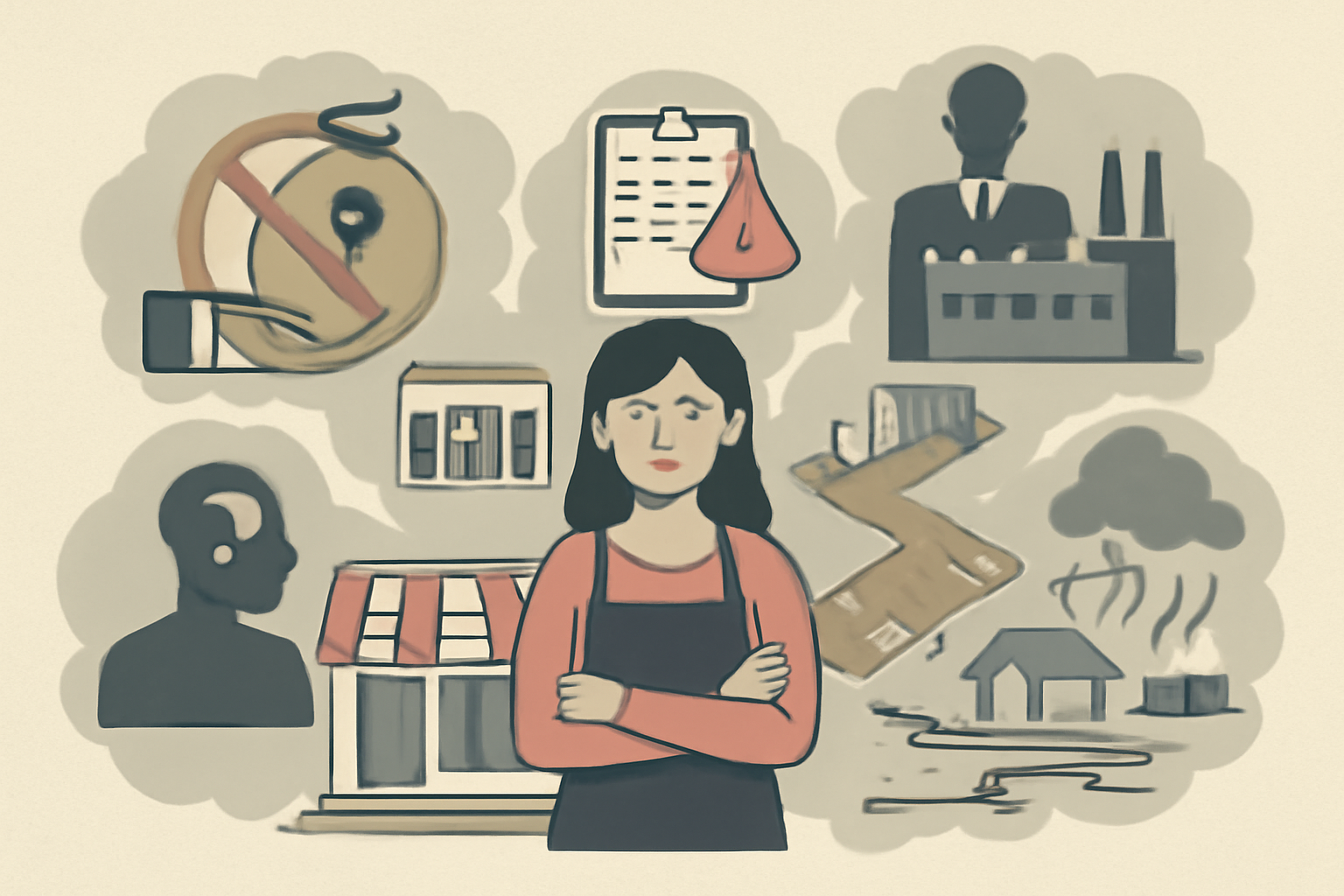
Small and Medium Enterprises (SMEs) are often described as the backbone of the Philippine economy, contributing significantly to employment and economic development. However, despite their vital role, SMEs in the Philippines face numerous obstacles that hinder their growth and sustainability. Understanding these challenges is crucial for anyone looking to support these businesses or for entrepreneurs who aim to navigate the business landscape.
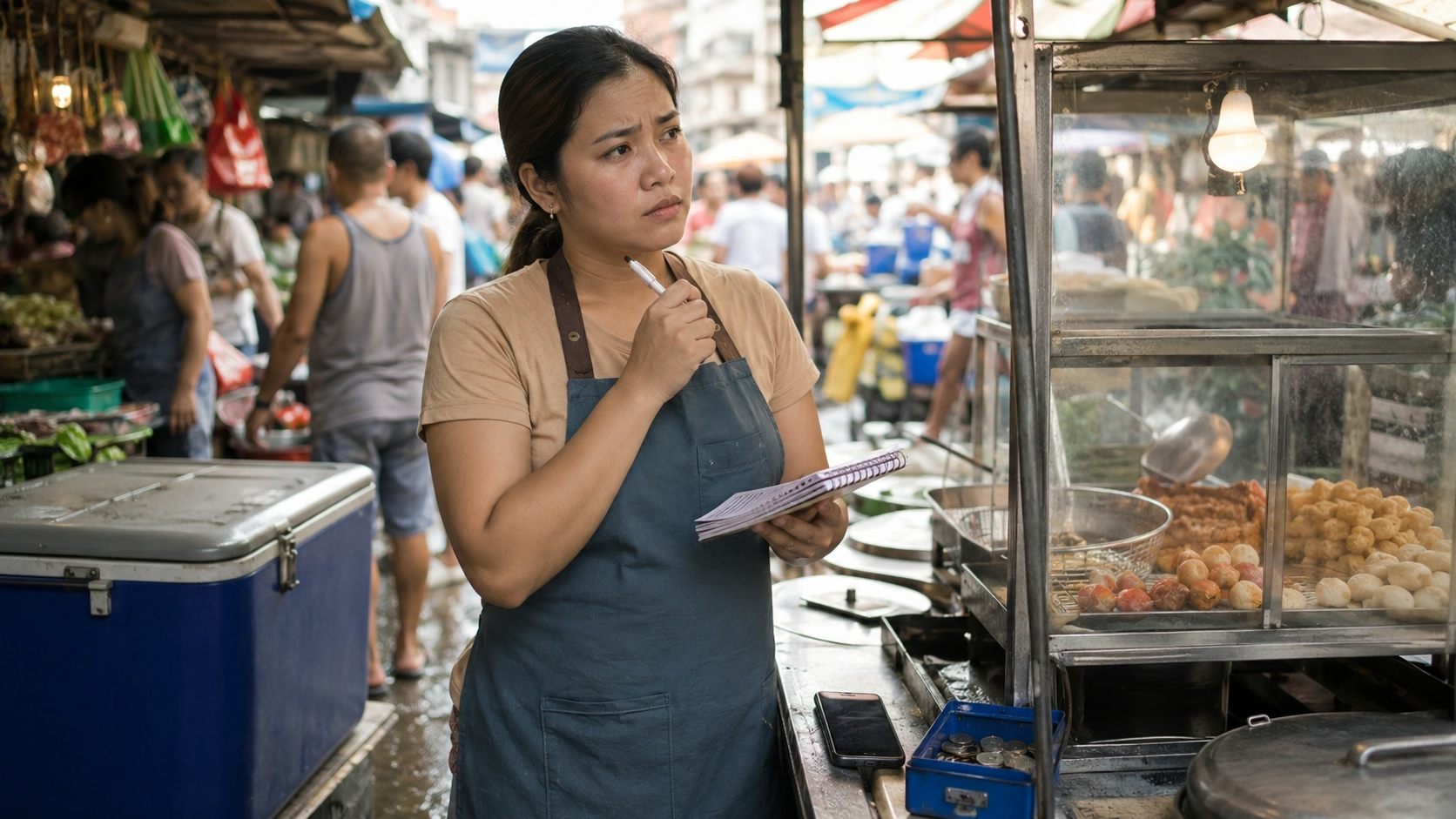
One of the primary challenges faced by SMEs is limited access to capital. Traditional financial institutions, such as banks, are often reluctant to lend to small businesses due to perceived risks. Many SMEs lack the necessary collateral or credit history, making it difficult for them to obtain loans at favorable rates. Without sufficient funding, these businesses struggle to invest in technology, expand their operations, or even sustain daily operations.
Another significant barrier is the regulatory environment. SMEs in the Philippines often encounter complex and inconsistent regulations. The process of obtaining permits and licenses can be time-consuming and bureaucratic, with overlapping regulations from different government agencies. This administrative burden makes it difficult for small business owners to focus on their core operations and growth.
Moreover, the lack of skilled labor is a persistent challenge. While the Philippines has a young and growing workforce, many SMEs struggle to find employees with the necessary skills and experience. The gap between the skills taught in schools and the demands of the business world is one factor contributing to this issue. Training programs and continuous professional development are needed to bridge this gap.
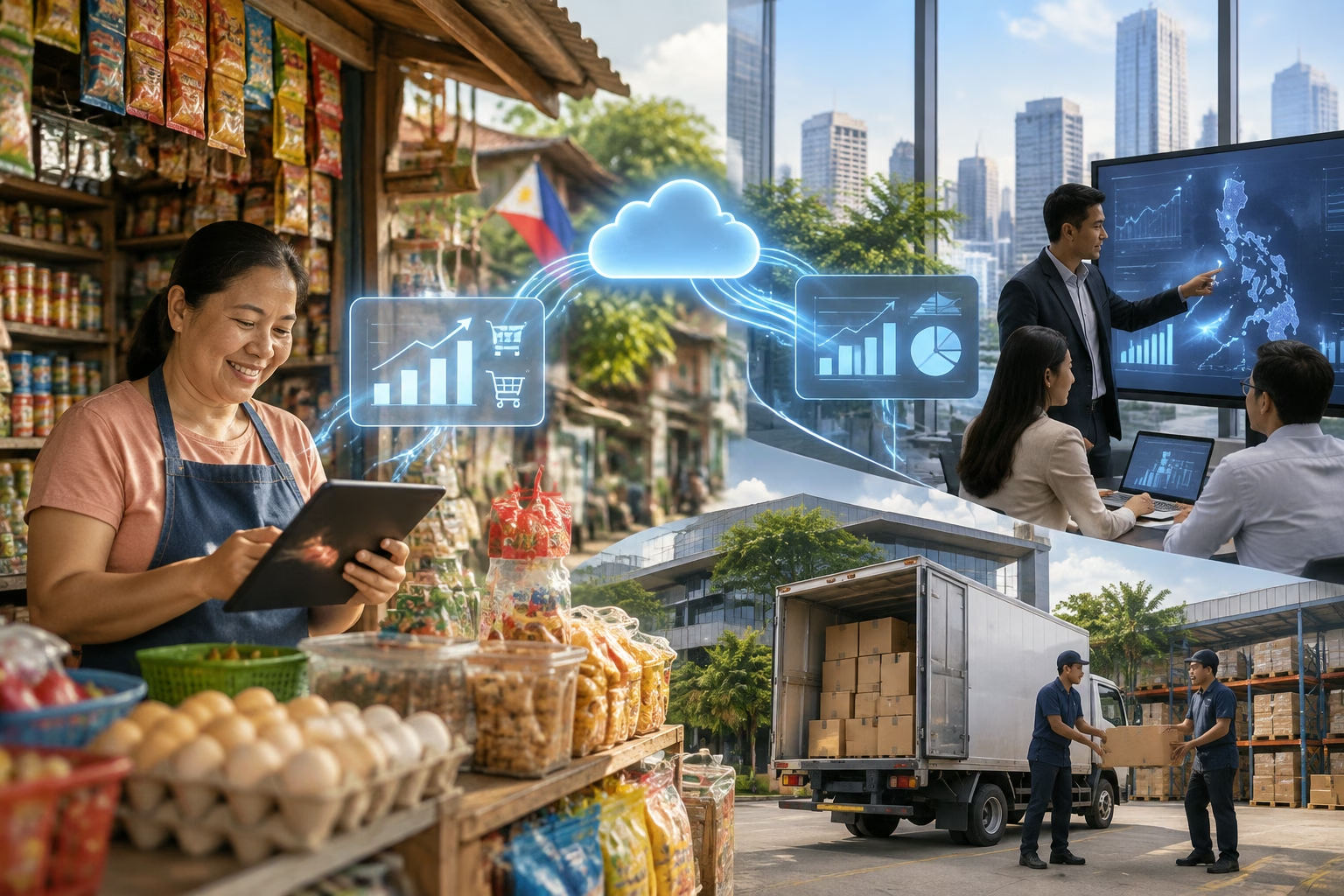
Another hurdle for SMEs is competition from larger businesses and multinational corporations. Large companies often have more resources, established brand recognition, and economies of scale, making it hard for smaller businesses to compete on price and quality. SMEs also face difficulties in marketing their products or services effectively, especially with the growing trend of online shopping and digital platforms.
Furthermore, logistical and infrastructure challenges add to the woes of SMEs. Poor infrastructure, especially in rural areas, can make it difficult for businesses to transport goods efficiently. Limited access to reliable internet services also hampers the ability of SMEs to leverage digital tools for marketing, sales, and customer engagement.
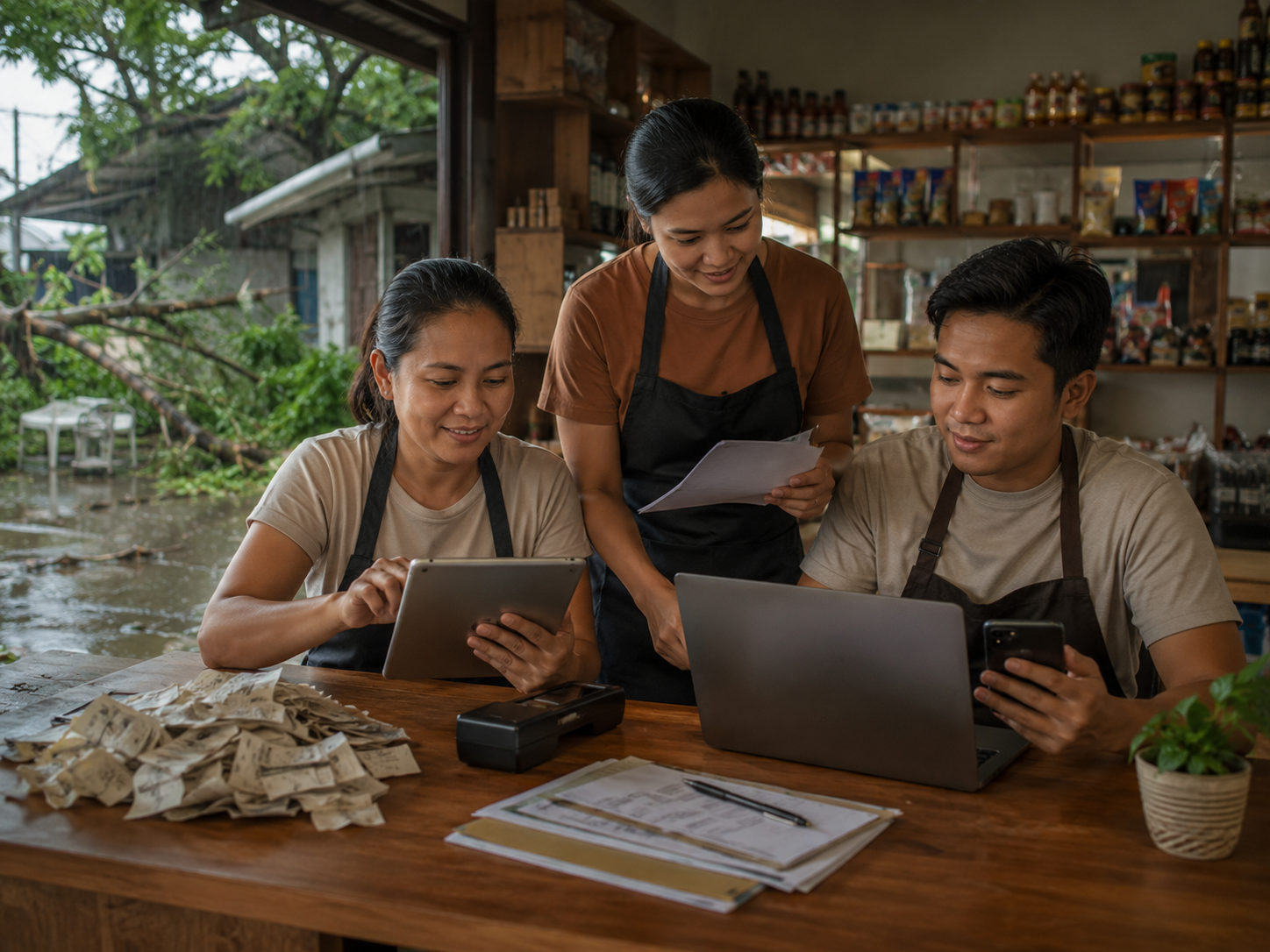
In addition, the economic uncertainty in the Philippines, exacerbated by global events such as the COVID-19 pandemic, poses a risk to small businesses. Fluctuating demand, supply chain disruptions, and rising costs of raw materials have made it increasingly difficult for SMEs to maintain profitability.
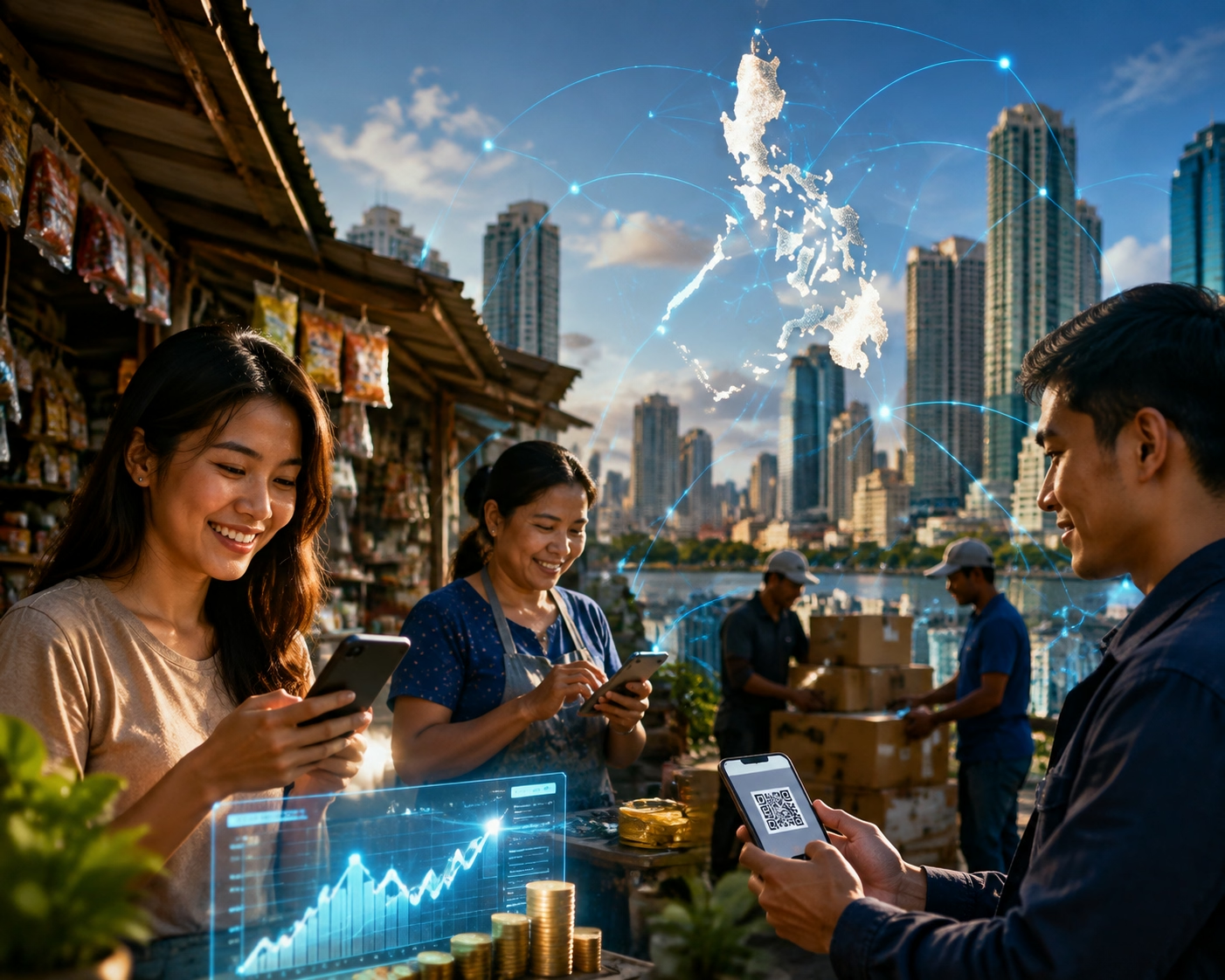
Despite these obstacles, many SMEs in the Philippines have shown resilience and adaptability. Solutions such as government support programs, digital transformation, and partnerships with larger firms can help mitigate these challenges. It is important for the government to streamline regulatory processes, provide access to financing, and invest in infrastructure to ensure that SMEs can thrive in a competitive global market.