

Cryptocurrency investment in the Philippines has grown from a niche hobby into a mainstream financial behavior shaped by mobile-first platforms, pandemic-era digitization, and a tech-savvy youth population. This surge is not happening in isolation; it is actively reshaping how banks think about products, risks, and the broader payments ecosystem. The trend sits at the intersection of three powerful forces: remittance flows, e-wallet dominance, and a proactive regulatory stance from the Bangko Sentral ng Pilipinas (BSP).
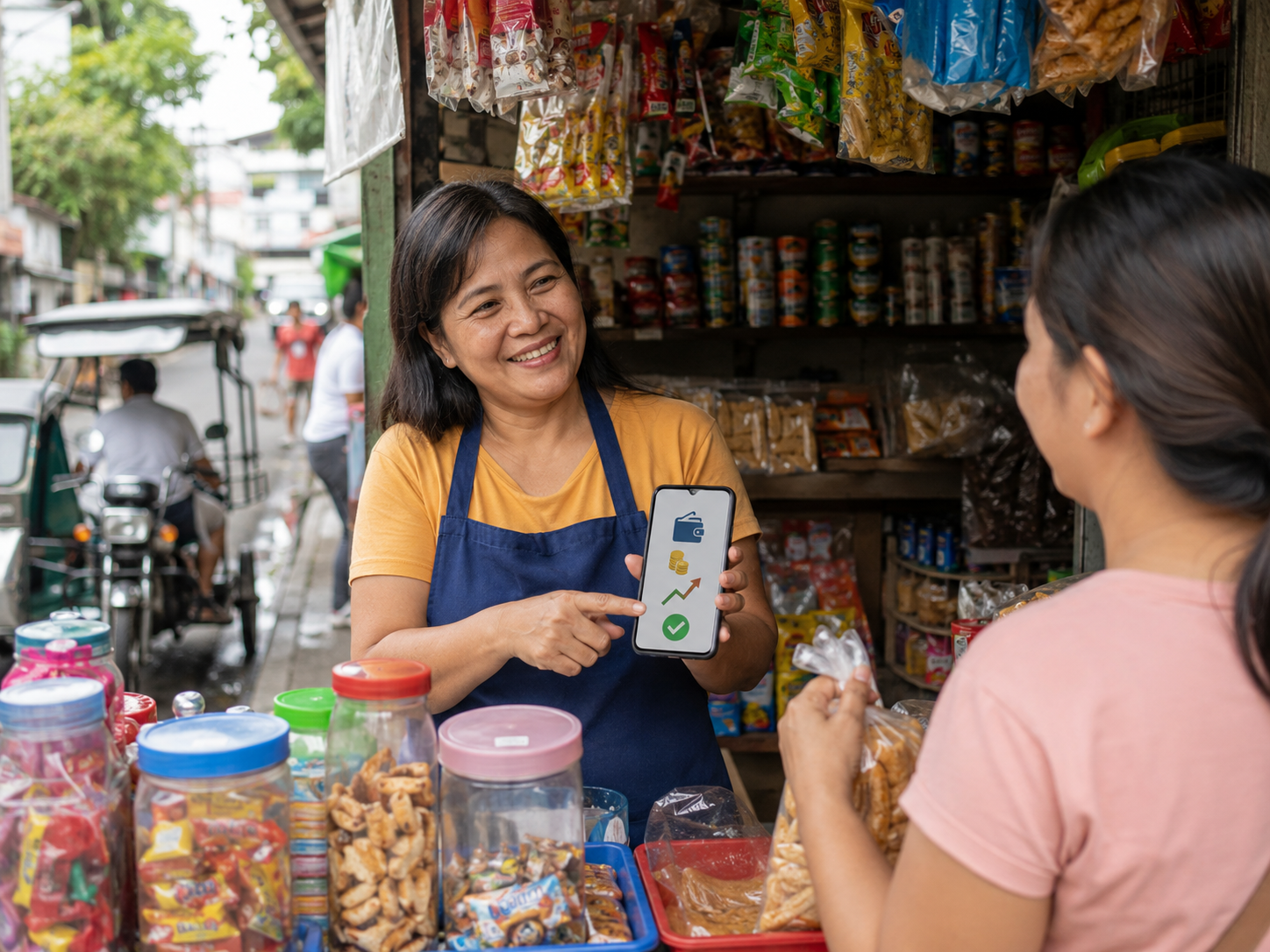
Retail adoption is the entry point. Filipinos are discovering crypto through familiar gateways—e-wallets, localized exchanges, and promotional campaigns that mirror telco-style onboarding. Micro-investing (buying a few pesos’ worth of crypto) lowers psychological barriers and makes diversification feel approachable. For banks, this behavior signals a shift in client expectations: users want 24/7 access, instant settlement, and seamless transfers between pesos and digital assets. Where traditional onboarding could take days, crypto users expect minutes.
Remittances add a unique Philippine flavor. The country’s status as a top remittance recipient means any cost-saving innovation in cross-border transfers gets fast attention. Stablecoins and crypto rails can compress fees and settlement times for overseas Filipino workers and their families. While banks have historically dominated this corridor through correspondent networks, crypto on- and off-ramps now compete on speed and price. Some banks respond by partnering with licensed virtual asset service providers (VASPs) to capture flows while limiting balance sheet exposure.
Regulation is a key enabler. Licensing for VASPs, anti-money laundering (AML) expectations, and consumer protection guidance build a compliant perimeter where innovation can occur. For banks, this creates a clear choice: integrate crypto services via regulated partners or pilot in-house capabilities in a sandbox setting. Either path requires upgrades in know-your-customer (KYC), travel rule compliance, and transaction monitoring. Risk teams are expanding playbooks to include wallet analytics, blockchain forensics, and revised suitability frameworks for retail investors.
On the product side, banks see a multi-pronged opportunity. First, custody: secure storage for high-net-worth and institutional clients who want exposure without dealing with private keys. Second, brokerage and on-ramping: enabling clients to buy and sell crypto within familiar banking apps, often with spending controls and educational prompts. Third, treasury and settlements: experimenting with tokenized deposits or stablecoins as operational liquidity tools to reduce friction in interbank transfers. And fourth, cross-border: lowering remittance costs by routing parts of the journey over blockchain rails while keeping last-mile delivery in fiat.
Risks are real. Price volatility, cyberthreats, and operational complexity raise the bar for governance. Banks introduce caps, suitability checks, and disclosures. They treat crypto as a high-risk asset class for retail, emphasize education, and segment access. Meanwhile, capital and liquidity teams assess the prudential treatment of crypto exposures, and boards set risk appetite statements that define where and how the institution plays.
The competitive landscape is evolving from a binary “banks vs. crypto” narrative to a layered stack of partnerships. Banks bring compliance rigor, brand trust, and deep liquidity. Crypto-native firms bring speed, new rails, and user experience. For the Philippines, the fusion of these strengths—anchored by remittance economics—suggests a pragmatic path: regulated innovation, customer-first design, and a gradual migration of useful functions to tokenized forms. The banks that win will be those that modularize quickly, integrate safely, and meet customers where they already are—on their phones, in real time.