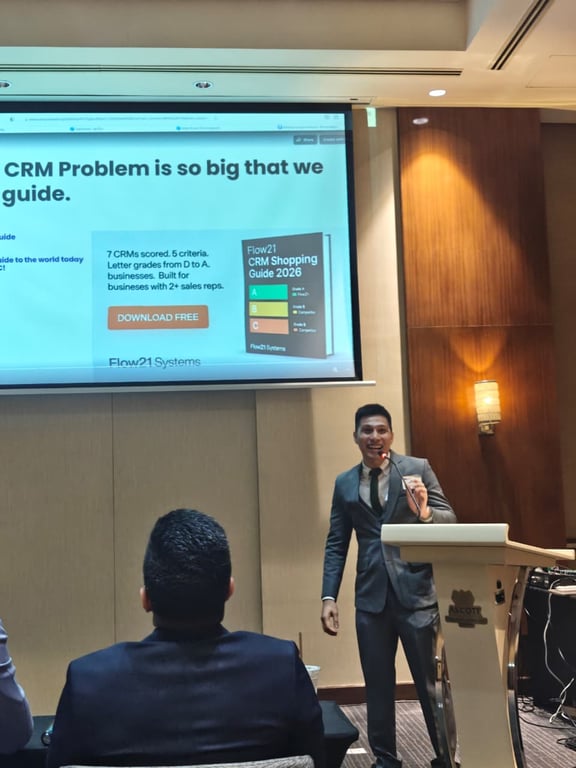


Filipino entrepreneurs today face an increasingly interconnected and competitive global marketplace. With the advancement of technology, trade liberalization, and cultural exchange, businesses are no longer confined by borders. For Filipino entrepreneurs, succeeding in such an environment requires not just local business acumen but a set of crucial skills tailored to the global stage.
One of the first essential skills is cultural intelligence. Understanding the cultural nuances of different regions is key to building successful international partnerships. Entrepreneurs must be aware of communication styles, business etiquettes, and consumer behavior in various markets. Filipino entrepreneurs, often known for their warm and hospitable nature, must adapt this charm to fit the cultural expectations of other countries. For instance, businesses in Asian markets may require more formality in communication, while European counterparts may appreciate directness and efficiency.
Another critical skill is digital literacy. In today’s world, almost every business function—from marketing and sales to customer service—relies heavily on digital tools. Filipino entrepreneurs must be adept at using digital platforms, whether it’s for e-commerce, digital marketing, or managing remote teams. The ability to harness the power of social media, search engine optimization (SEO), and data analytics can make or break a business in the global marketplace.
Furthermore, financial literacy is a must-have skill for managing cross-border operations. Filipino entrepreneurs need to understand global financial systems, including foreign exchange, international banking, and the impact of tariffs and taxes on their business models. Properly managing international transactions, understanding the costs of import-export, and setting appropriate pricing strategies can help businesses stay competitive and profitable.
The ability to adapt and innovate is also essential for success in a dynamic global market. The business landscape is constantly changing, with new technologies and market trends emerging all the time. Filipino entrepreneurs must be able to pivot quickly and implement innovative solutions to meet the evolving demands of their customers. Innovation might involve developing new products or services, streamlining business processes, or adopting new technologies that can provide a competitive edge.
Finally, networking and relationship-building are vital for long-term success in global business. Establishing strong relationships with suppliers, partners, and even competitors can open doors to new opportunities and collaborations. Filipino entrepreneurs need to cultivate strong personal and professional networks both locally and internationally. Having a robust network can help businesses gain insights into market trends, find new clients, and build trust with potential investors.
In conclusion, to succeed in the global market, Filipino entrepreneurs must possess a combination of cultural intelligence, digital literacy, financial understanding, adaptability, and strong networking skills. These competencies will enable them to navigate the complexities of international trade and position their businesses for success on the world stage.