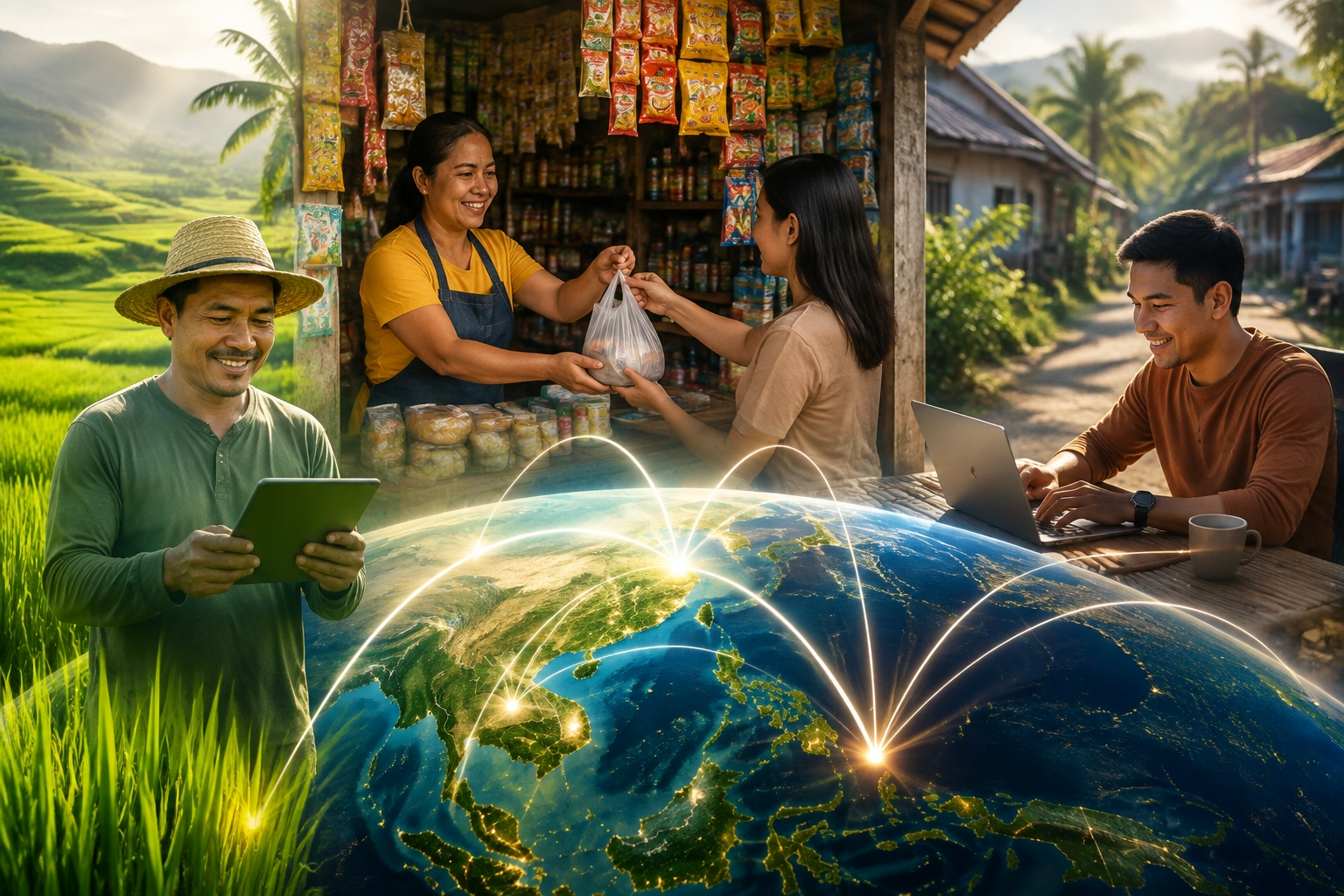

Financial inclusion has become a key focus for economic development in the Philippines. With over 7,000 islands and numerous remote areas, many Filipinos, particularly those in rural or underserved locations, still lack access to essential financial services. The government, private sector, and non-governmental organizations are working to change this landscape through various innovative solutions aimed at expanding financial services to isolated communities.
One of the major challenges facing financial inclusion in the Philippines is the low penetration of formal banking services. According to a 2021 survey, around 70% of Filipinos do not have access to formal banking services. This is largely due to factors like geographical isolation, lack of financial literacy, and limited banking infrastructure in rural areas.
To address these challenges, the Philippine government has introduced several initiatives, including the National Financial Inclusion Strategy (NFIS), which aims to increase access to a wide array of financial services, including savings, loans, insurance, and payments. The initiative emphasizes the need to promote digital financial solutions, recognizing that mobile phones and internet connectivity are increasingly becoming essential tools for financial transactions.
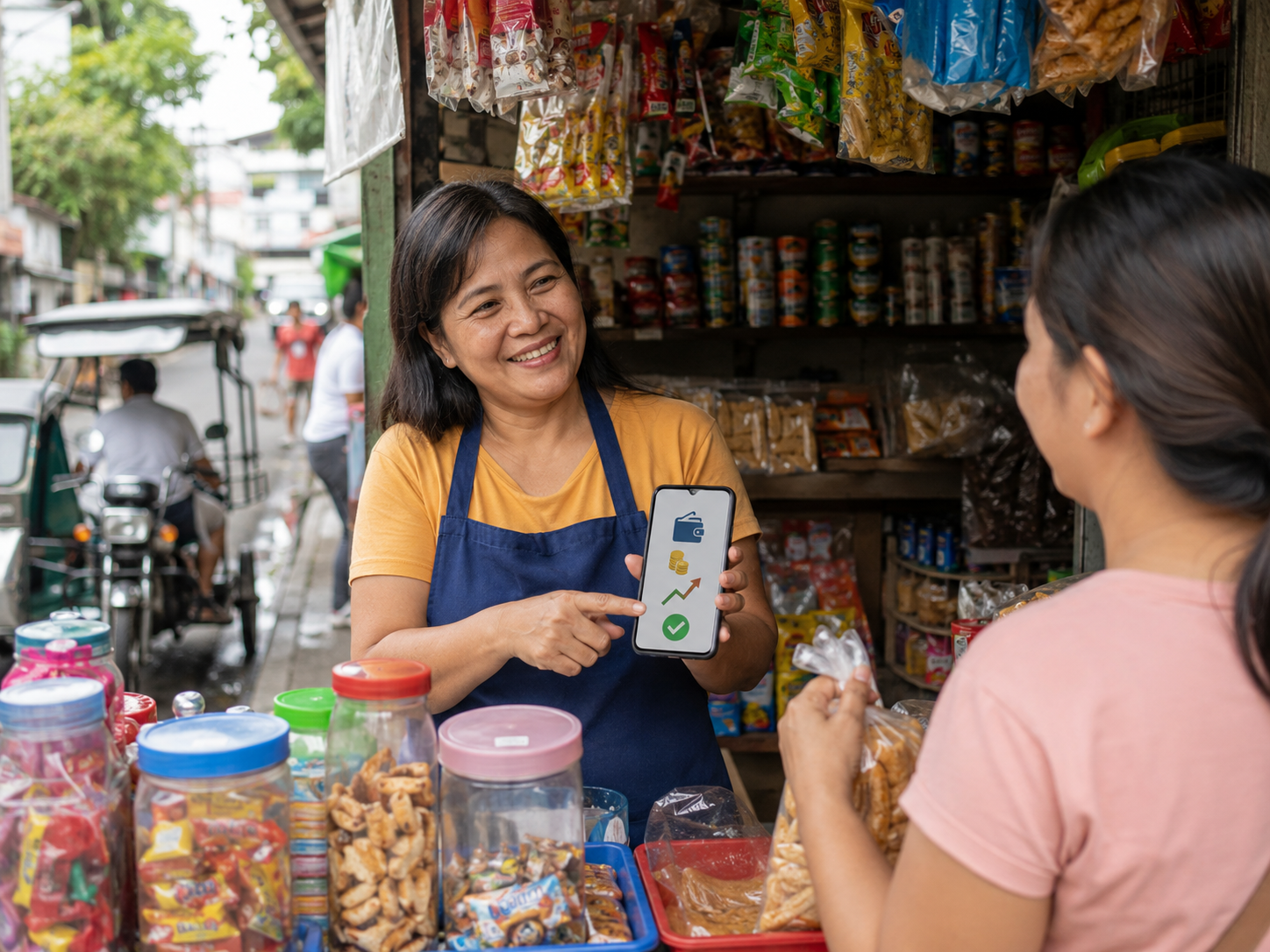
In addition to government efforts, private companies have also recognized the potential for reaching remote populations. Mobile money services, such as GCash and PayMaya, have gained significant traction in urban areas and are gradually expanding into more rural regions. These services allow users to transfer money, pay bills, and purchase goods without the need for a physical bank branch. With the support of partnerships between telcos, financial institutions, and local businesses, digital payment systems are becoming more accessible, even in remote barangays (villages).
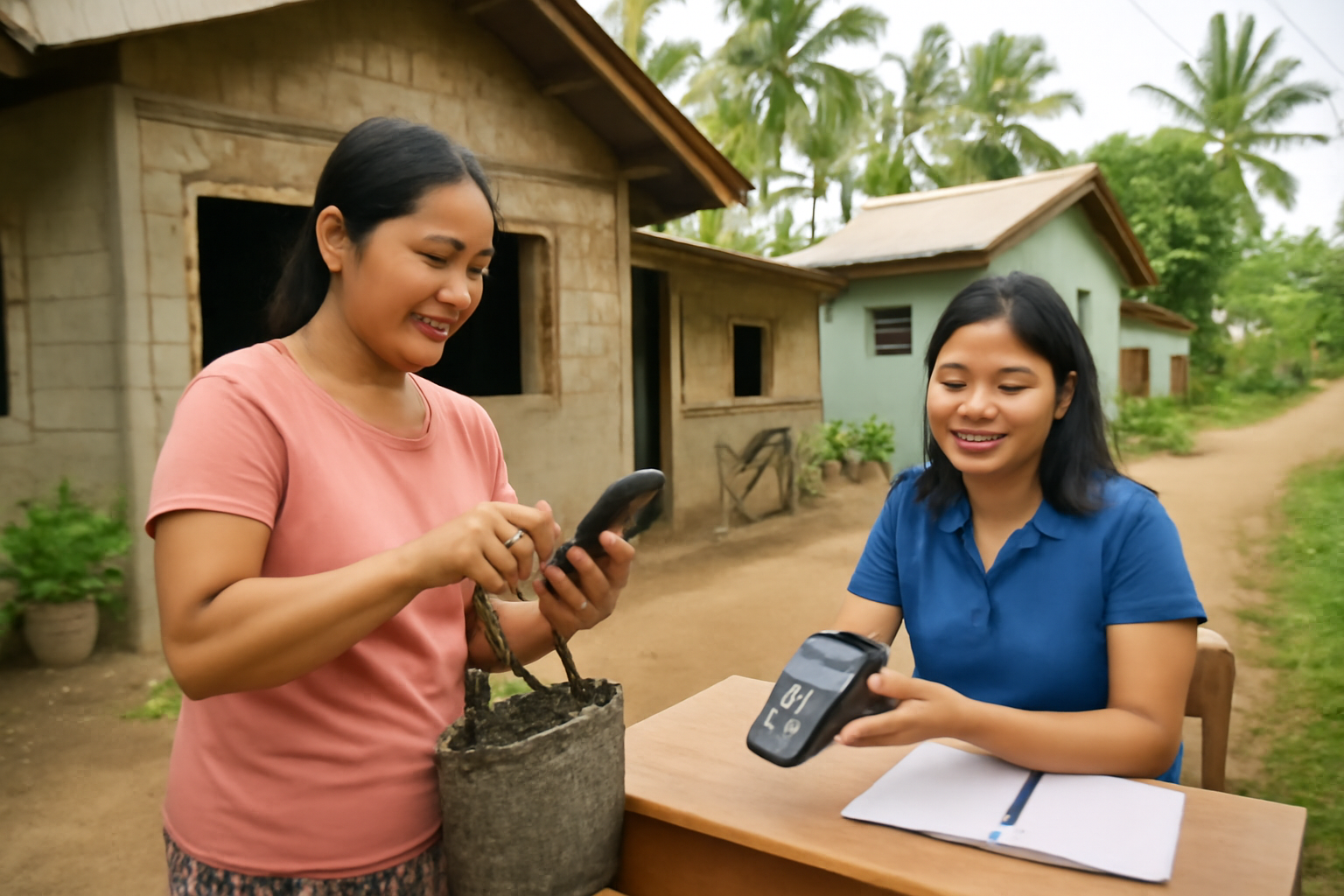
Moreover, microfinance institutions (MFIs) and cooperatives play a crucial role in bringing financial services to communities that traditional banks may overlook. By offering microloans, insurance, and savings products designed for low-income families, these institutions are helping to uplift vulnerable groups, particularly women and farmers, by providing them with access to capital to grow their small businesses.
Despite the progress being made, several barriers remain. For one, the digital divide continues to be an issue, as many rural areas lack reliable internet access or mobile coverage. Financial literacy remains another obstacle, with many Filipinos still unfamiliar with digital banking or hesitant to trust new technologies. Addressing these issues will require continued investments in infrastructure, education, and outreach programs.
The future of financial inclusion in the Philippines looks promising, but it will require the collective efforts of all sectors—government, private companies, NGOs, and communities themselves. By continuing to innovate and prioritize inclusivity, the Philippines has the potential to unlock new economic opportunities for its citizens, including those living in the most remote and underserved areas.