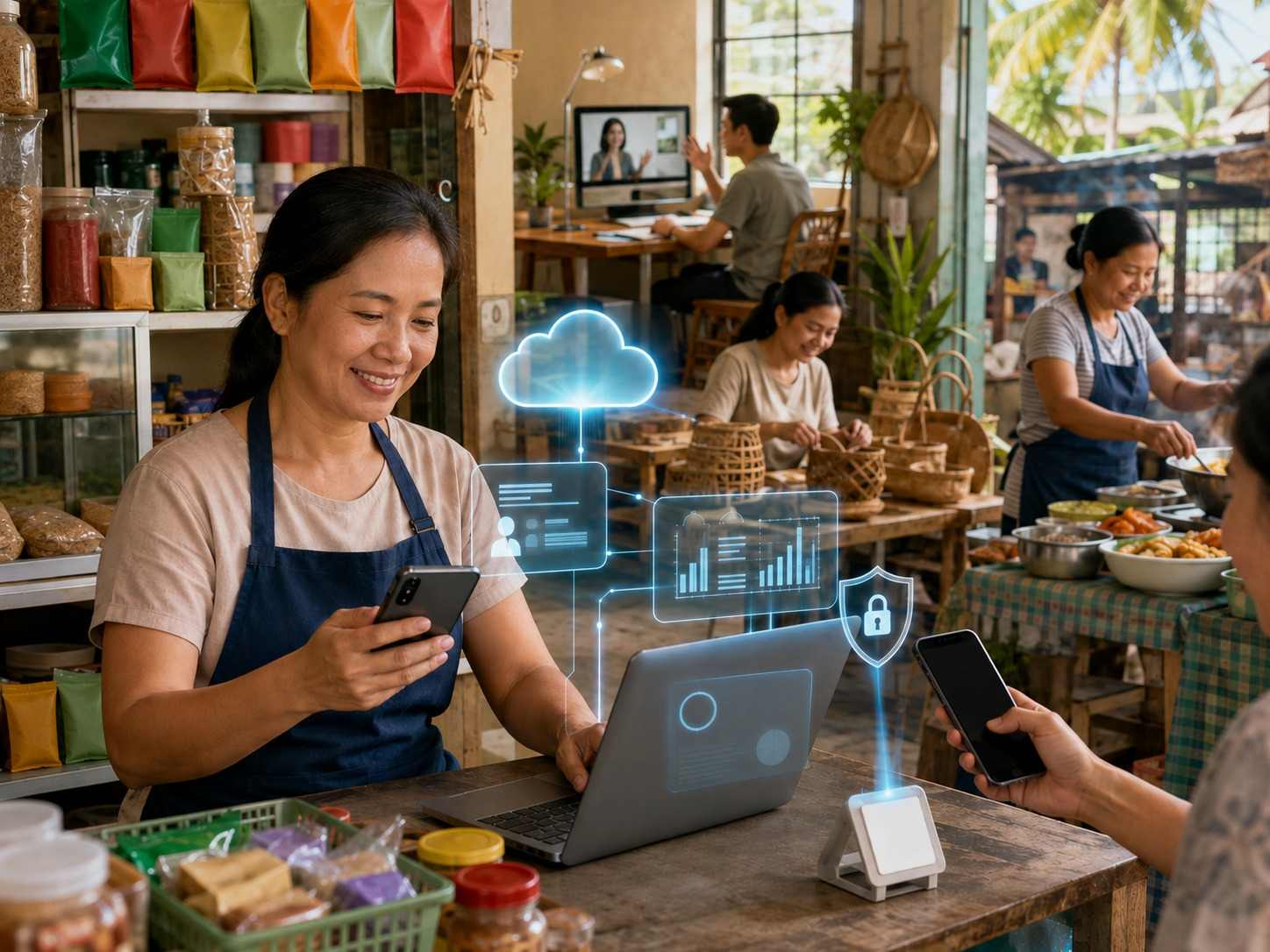

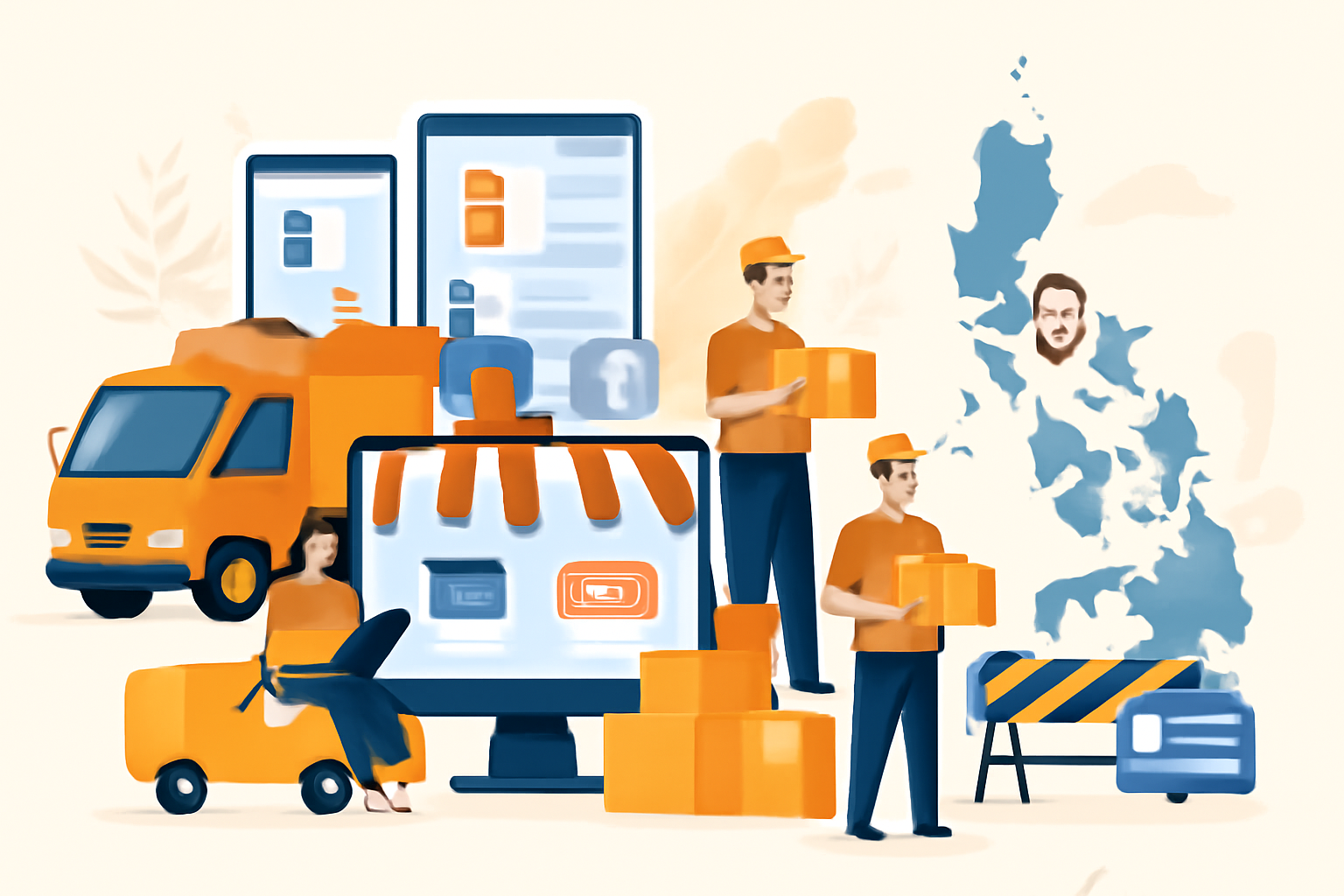
The Philippines has become one of Southeast Asia’s most promising e-commerce markets. With a young and tech-savvy population, the country offers numerous opportunities for startups to tap into the growing online shopping trend. In 2023, the Philippines’ e-commerce market was valued at approximately $12 billion and is expected to grow rapidly in the coming years.
Opportunities for Startups
One of the primary advantages for e-commerce startups in the Philippines is the country’s rapidly expanding internet and mobile penetration. According to recent statistics, over 73 million Filipinos have access to the internet, and mobile phones are the most common device for online shopping. This creates a large customer base for startups to target.
Furthermore, the Filipino consumer’s shopping habits have significantly shifted towards online platforms. E-commerce giants like Lazada and Shopee have set the trend for online retail, providing a platform for smaller businesses to thrive. For startups, this means less capital investment in establishing brick-and-mortar stores and the opportunity to reach customers nationwide with a few clicks.
Another significant opportunity lies in the diverse range of products that Filipinos are willing to purchase online. Categories such as electronics, fashion, beauty products, and food delivery services are particularly popular, presenting startups with several niche markets to explore.
Challenges to Overcome
Despite the promising opportunities, e-commerce startups in the Philippines face numerous challenges. One of the most significant is logistics. Although urban areas like Metro Manila have well-developed infrastructure, delivery to remote provinces remains problematic due to poor roads and limited transportation networks. This challenge affects the cost of delivery and often leads to delayed shipments, which can damage customer satisfaction.
Payment systems also pose a challenge for startups. Although the use of digital wallets and online banking has been growing, cash-on-delivery (COD) remains the preferred payment method for many Filipinos. This complicates the payment process for e-commerce businesses, as managing COD logistics can be complex and prone to fraud.
Lastly, competition in the e-commerce space is fierce. Large, established companies dominate the market, leaving smaller startups to compete for a limited share. To succeed, new businesses must focus on creating unique value propositions, such as offering personalized customer service, product differentiation, or targeted marketing strategies.
Conclusion
The e-commerce landscape in the Philippines is ripe with opportunities for startups. However, businesses need to overcome logistical hurdles, address payment challenges, and distinguish themselves from the competition. By embracing these challenges, startups can thrive in the rapidly growing Philippine e-commerce ecosystem.