

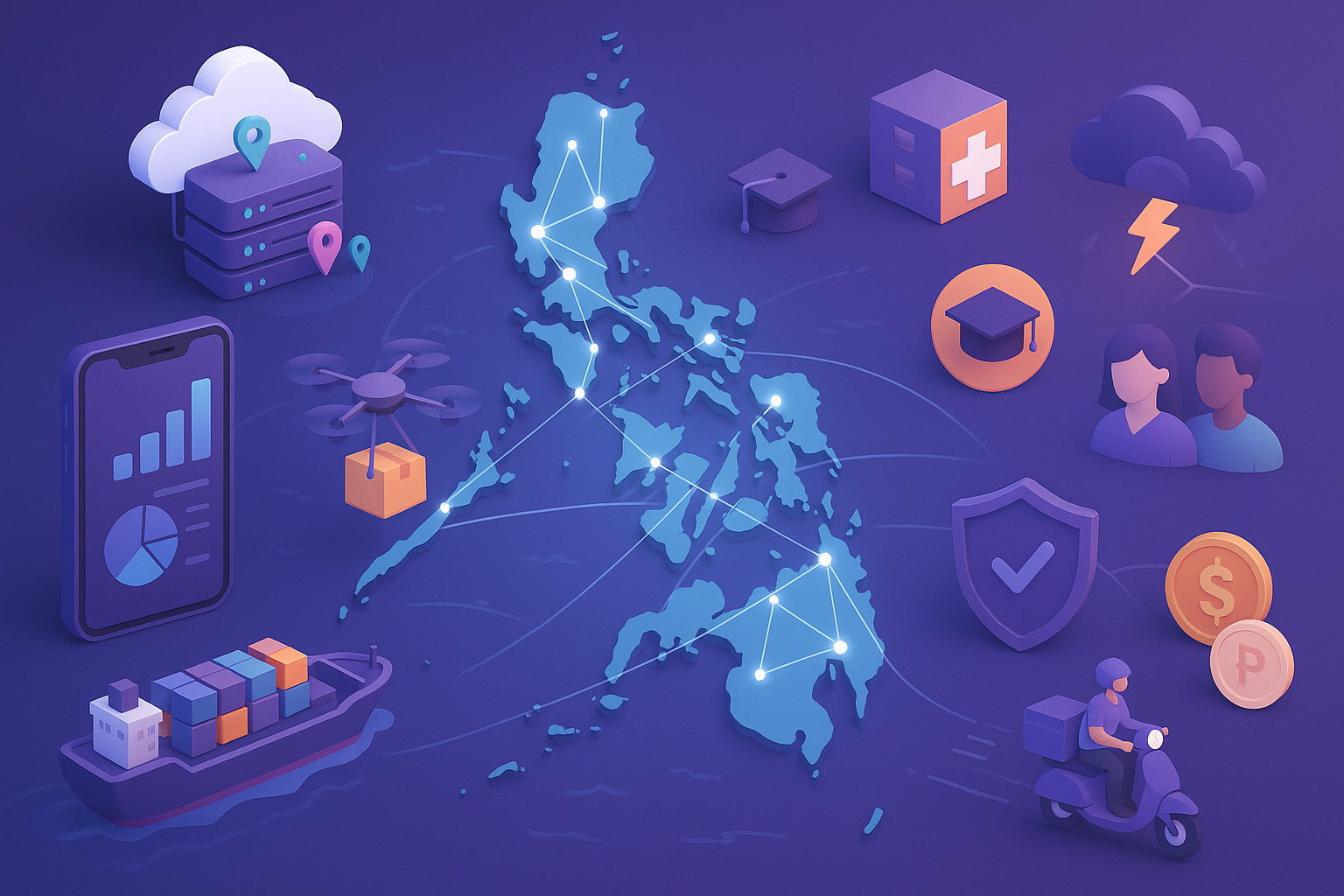
For tech founders in the Philippines, the earliest hurdle is rarely the idea—it’s funding. The country’s venture capital pool remains comparatively shallow, especially at the seed and Series A stages where risk tolerance is crucial. Domestic funds are growing, but many are corporate-backed and favor later-stage bets with clearer paths to profitability. International investors show interest in fintech, logistics, and healthtech, but often require traction that’s hard to achieve without the very capital they are reluctant to deploy. This chicken-and-egg problem pushes founders toward bootstrapping, revenue-based financing, or diaspora angels, but these sources can be sporadic and insufficient for capital-intensive build-outs.
Government programs (e.g., startup grants, innovation funds, and incentives under the Philippine Startup Act) help signal legitimacy, yet application cycles are slow and compliance-heavy. Banks typically avoid early-stage ventures because asset-light startups lack collateral and operate with uncertain cash flows. Even when capital is secured, currency volatility and conservative valuations can dilute proceeds, forcing tight burn management and extended runway planning.
Infrastructure presents an equally stubborn barrier. While urban fiber coverage has improved, digital connectivity still lags outside major hubs. Network redundancy is thin; submarine cable issues or typhoon-season outages can cripple operations, customer support, or cloud-reliant products. Power reliability and costs are perennial concerns, particularly for data-intensive businesses and those requiring high availability. Cloud services mitigate on-premises needs, but egress fees, latency, and recurring dollar-denominated expenses add complexity to pricing and margins.
Logistics is another friction point. Operating across an archipelago means higher last-mile costs, variable service quality, and longer delivery windows. For startups in e-commerce enablement, cold chain, or hardware, these factors complicate unit economics. Even pure software ventures feel the drag when serving SMEs in secondary cities with intermittent internet or limited digital payments adoption.
Regulation sits in the middle—both a gate and a catalyst. Compliance under data privacy rules, KYC/AML in fintech, and sector-specific licensing imposes a heavy documentation load. Sandboxes and innovation-friendly initiatives exist, but navigation requires legal spend that many early teams underestimate. That said, regulatory clarity can be a competitive moat once achieved, and partnerships with banks, telcos, or PEZA-registered facilities can unlock scale.
Talent is a quiet third rail. The Philippines has strong engineering and design pools, but competition from BPOs, remote-first global startups, and Big Tech drives up wages. Retention strategies—ESOPs, learning budgets, flexible work—are now essential, and boards increasingly view talent operations as part of the fundraising narrative.
What works? Founders who plan financing as a staged portfolio—grants to prove feasibility, angels to validate PMF, and targeted VCs for scale—tend to fare better. Building with resilience in mind (multi-cloud, offline-first features, power and network contingencies) lowers infrastructure risk. Finally, aligning with national priorities—financial inclusion, logistics modernization, health access, and climate resilience—makes it easier to argue for capital in a cautious market.