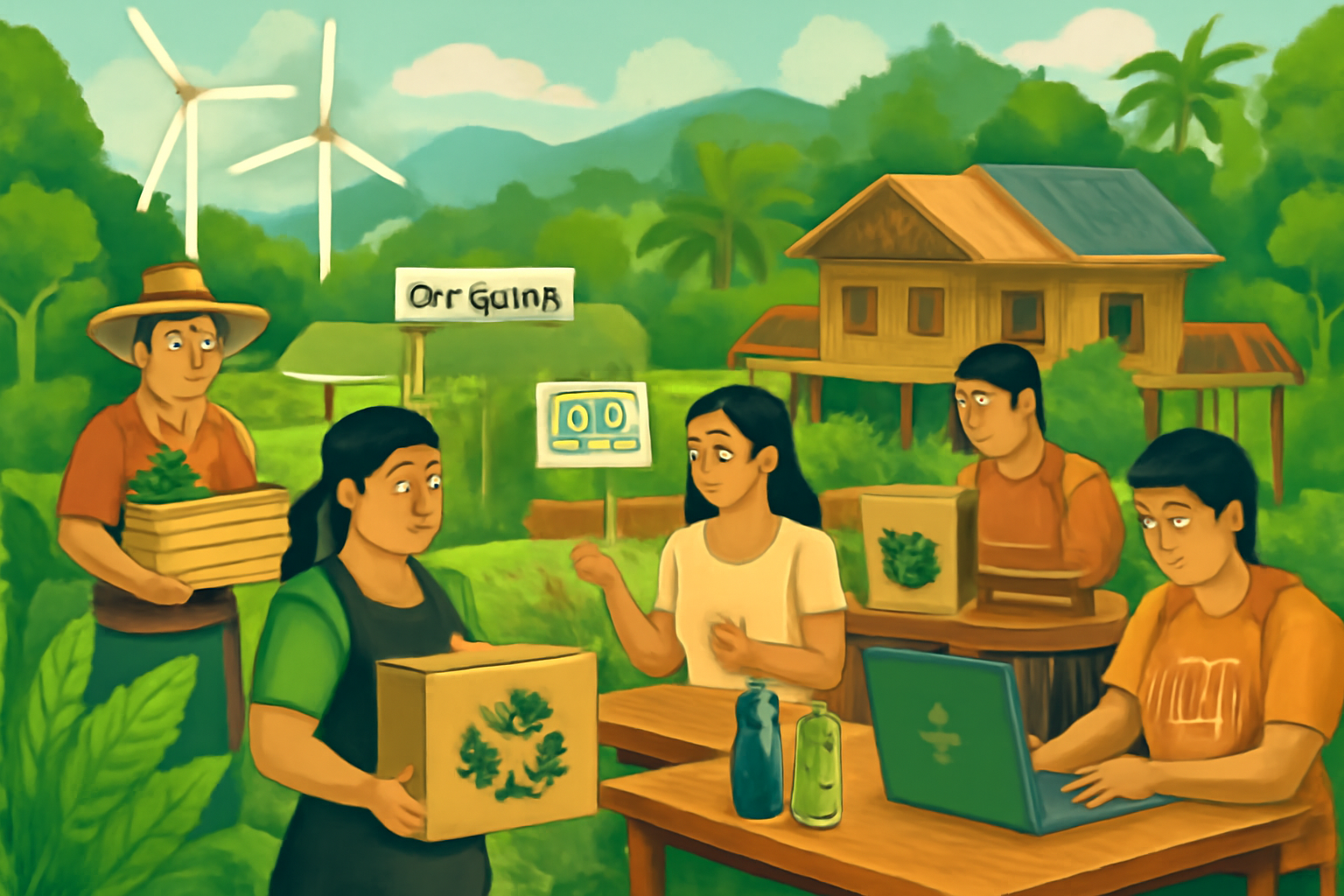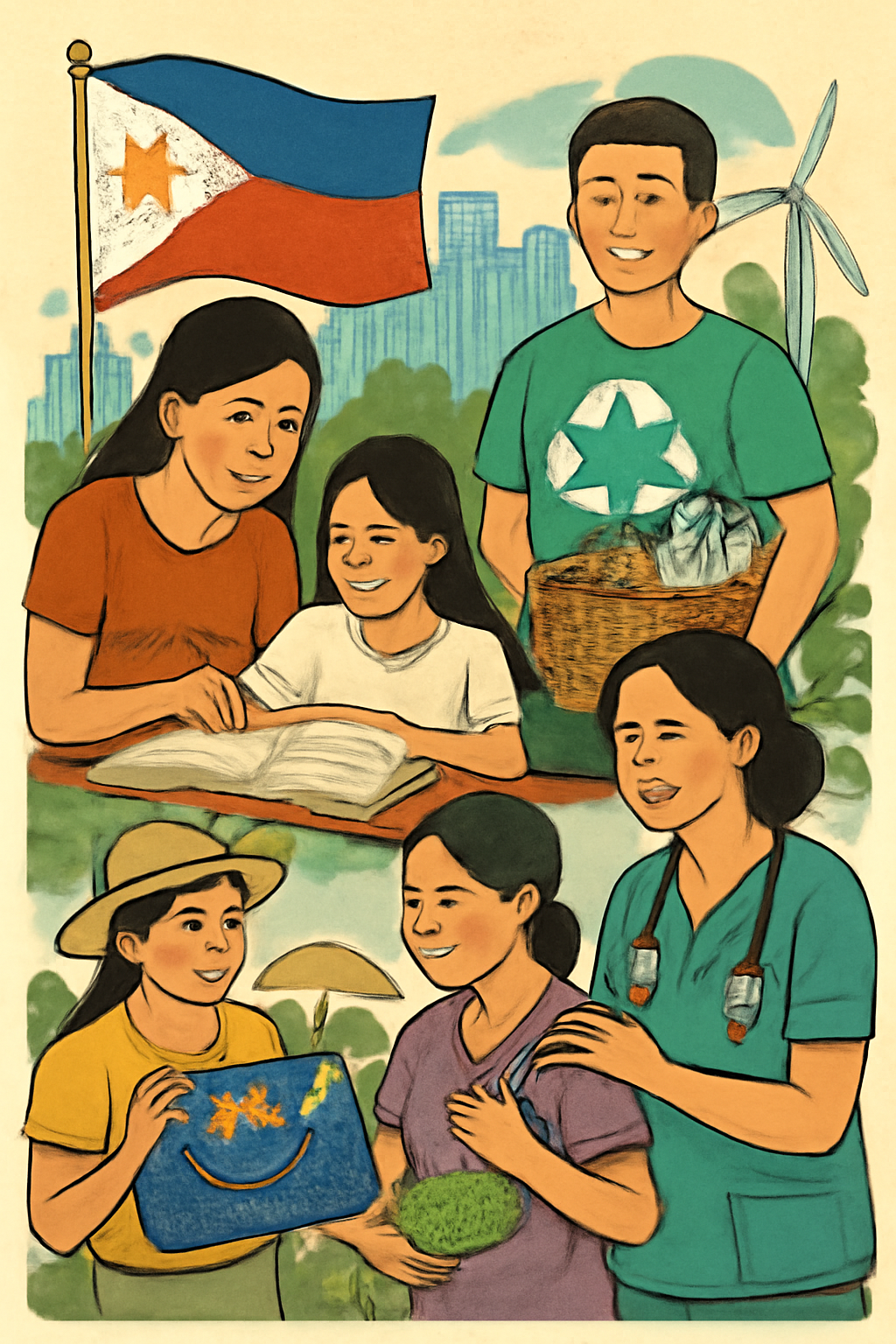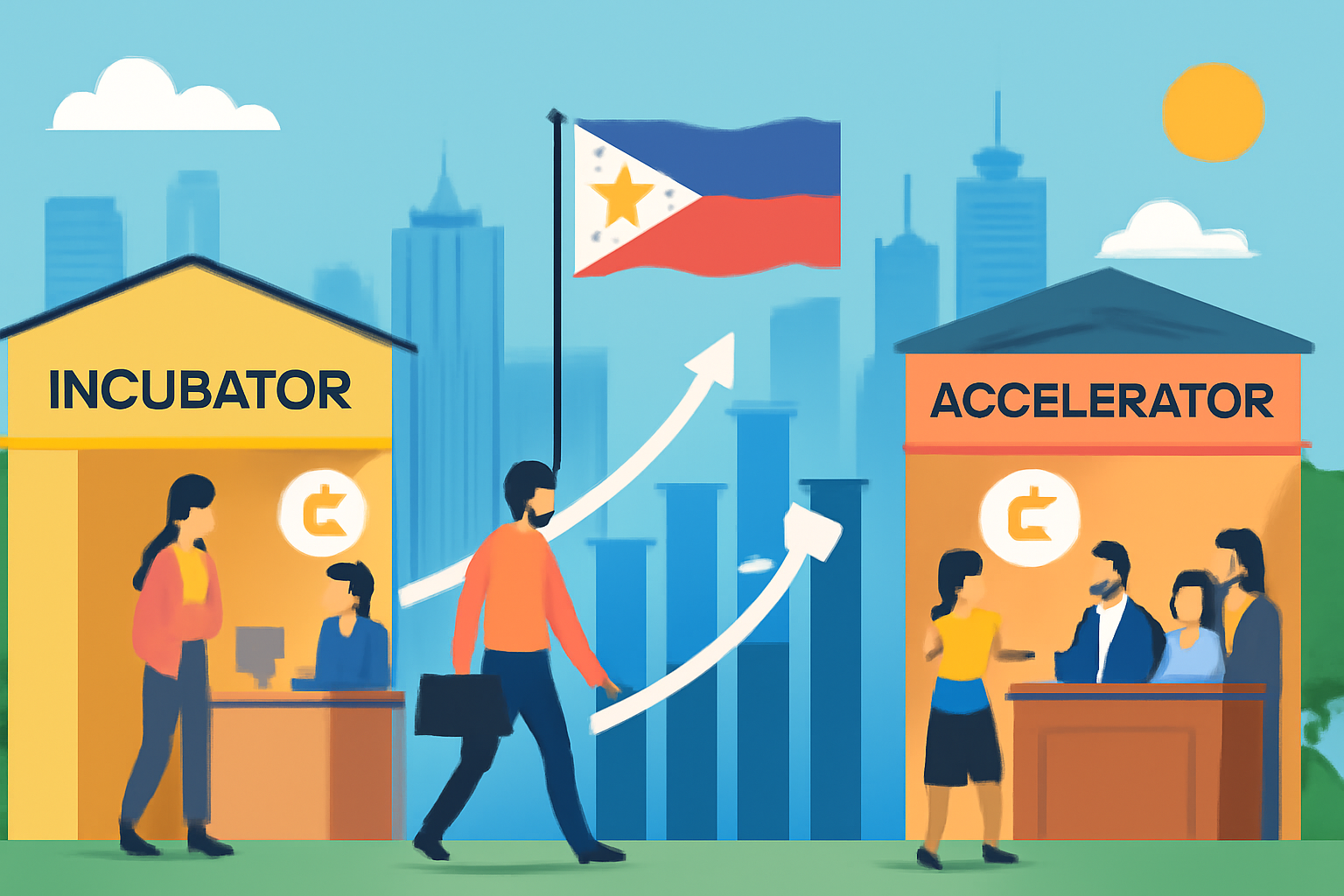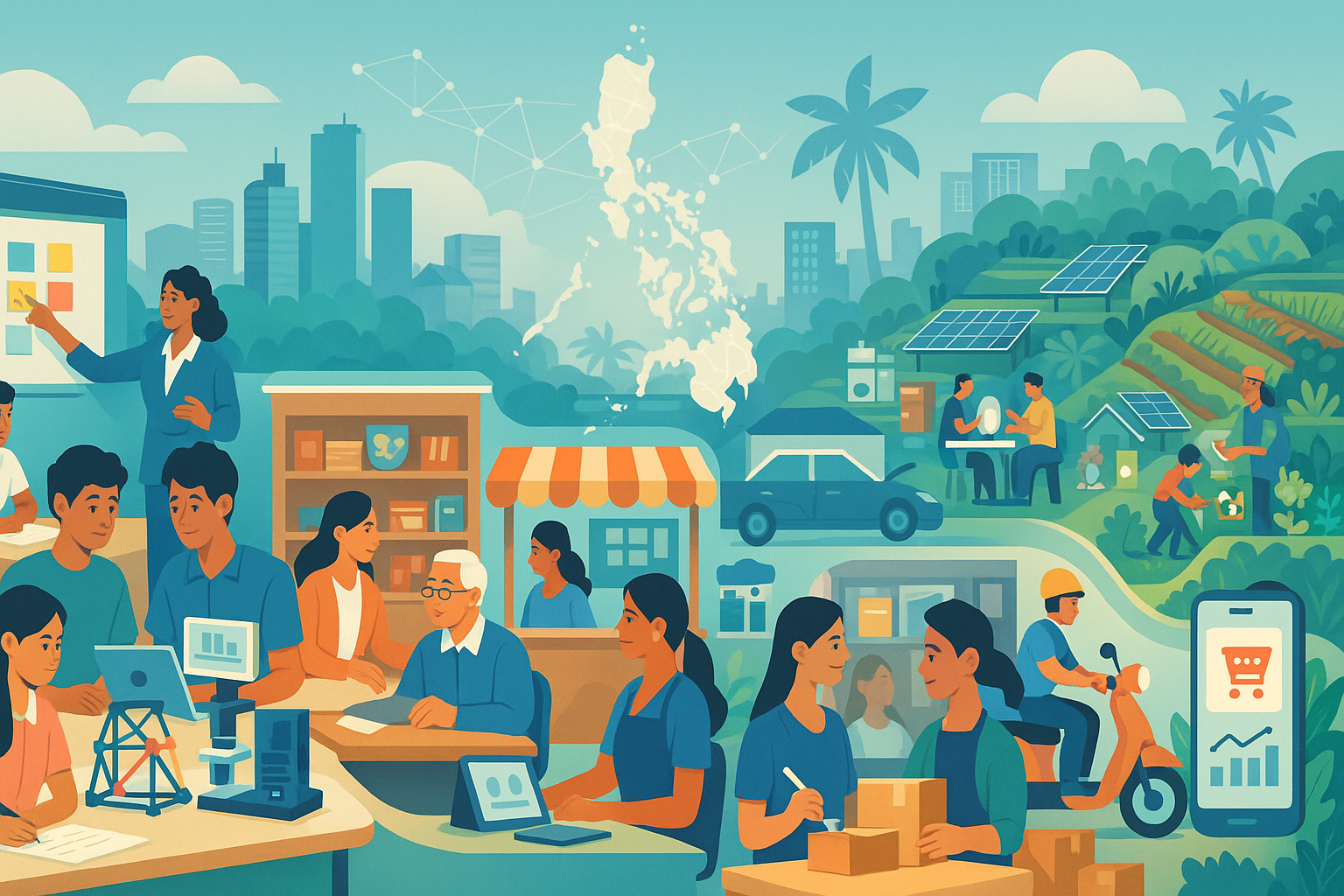

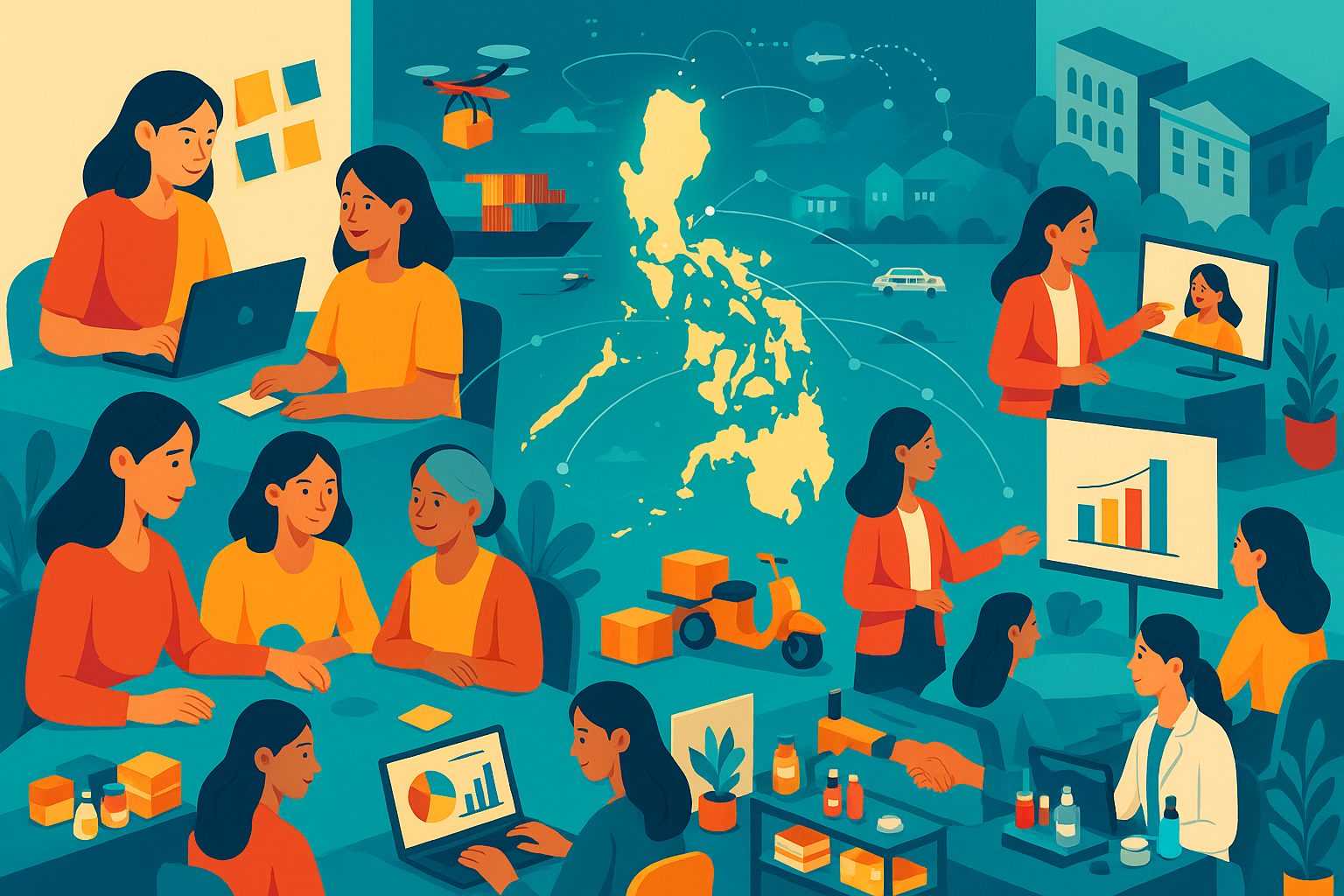
Women entrepreneurs in the Philippines sit at the heart of inclusive growth. From home‑based sellers and sari‑sari store owners to founders piloting tech‑enabled services, their efforts power family incomes, stabilize communities, and seed innovation. The country’s long history of women’s leadership in civil society and commerce provides a cultural foundation, yet translating that tradition into scaled, capital‑efficient, and export‑ready enterprises still requires intentional support.
The entrepreneurial landscape is diverse. Many women operate in retail, food services, personal care, education, creative industries, and social enterprises that solve community needs. Others leverage business‑process outsourcing know‑how to build online agencies, virtual assistance firms, and digital studios serving overseas clients. This breadth is a strength, but it also reveals structural hurdles: thin margins, informality, and exposure to shocks—from typhoons to platform policy changes—can slow growth or force premature exits.
Policy scaffolding matters. The Magna Carta of Women strengthened gender‑responsive governance; the Barangay Micro Business Enterprises law lowered barriers for micro‑firms; and the Go Negosyo Act expanded access to mentorship and advisory support through Negosyo Centers nationwide. Gender mainstreaming within national and local agencies has nudged programs to consider women’s time poverty, care work, mobility limits, and uneven digital access. What moves the needle is consistent execution: predictable rules, simpler registrations, and efficient local permitting.
Practical levers for greater participation are clear. First, close the skills gap through short, stackable courses in accounting, pricing, e‑commerce operations, and brand storytelling. Second, improve access to childcare and safe transport so women can attend trainings, trade fairs, and investor meetings. Third, expand market linkages via corporate supplier diversity, tourism circuits, and export development for design‑forward products. Fourth, invest in the “boring but vital” infrastructure—reliable internet, cold storage, shared kitchens, and fulfillment hubs—that compresses costs and opens regional markets.
Measurement keeps ambition honest. Track not just how many women register firms but whether those firms survive, raise capital, adopt digital tools, hire beyond family, and reach new geographies. Build feedback loops with women‑led associations and local governments so programs adapt quickly. With a steady mix of policy follow‑through, ecosystem partnerships, and targeted capability building, the Philippines can turn its cultural advantage into a competitive edge—one where women entrepreneurs are not exceptions but exemplars of how to grow with resilience and purpose.