

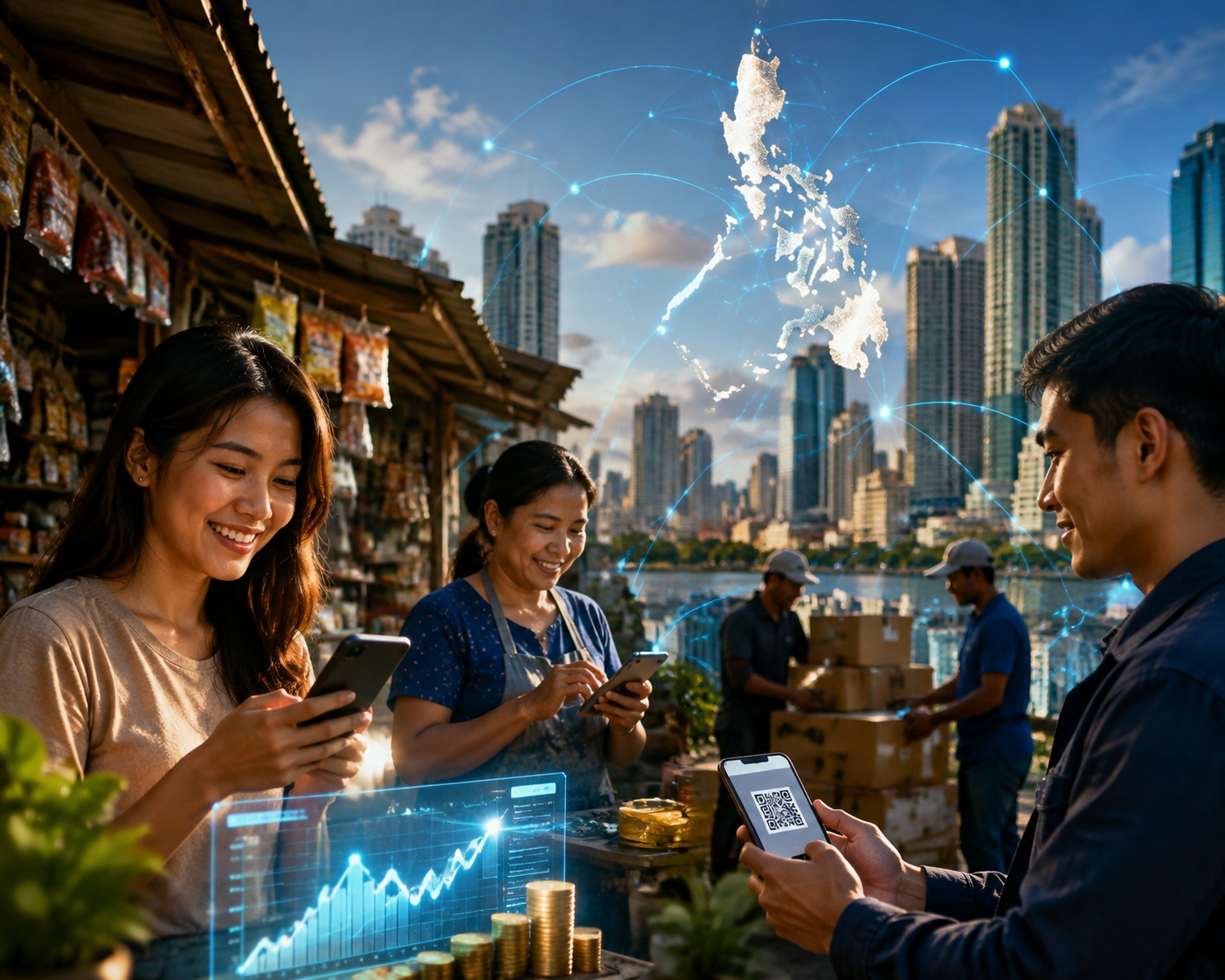
The Philippine archipelago, with its complex geography and historically cash-heavy economy, has long struggled with financial inclusion. However, in 2026, the narrative has shifted dramatically. Local fintech startups are no longer just facilitating payments; they are building an entire digital economic ecosystem that is the envy of Southeast Asia. The shift from mere digital wallets to comprehensive financial platforms marks a new era of maturity for the local tech scene.
The Evolution from E-Wallets to Micro-Investment Hubs
Gone are the days when mobile wallets were used solely for sending remittances or buying load. In 2026, Filipino startups have successfully democratized wealth management. Platforms have integrated micro-savings and micro-investment features directly into their user interfaces, allowing users to purchase fractions of government bonds or blue-chip stocks with as little as PHP 50.
This hyper-localized approach addresses the psychological barriers of traditional banking, which many low to middle-income Filipinos find intimidating. By gamifying the savings process and utilizing vernacular language in their UX, local developers have achieved retention rates that traditional banks can only dream of.
Data-Driven Lending for MSMEs
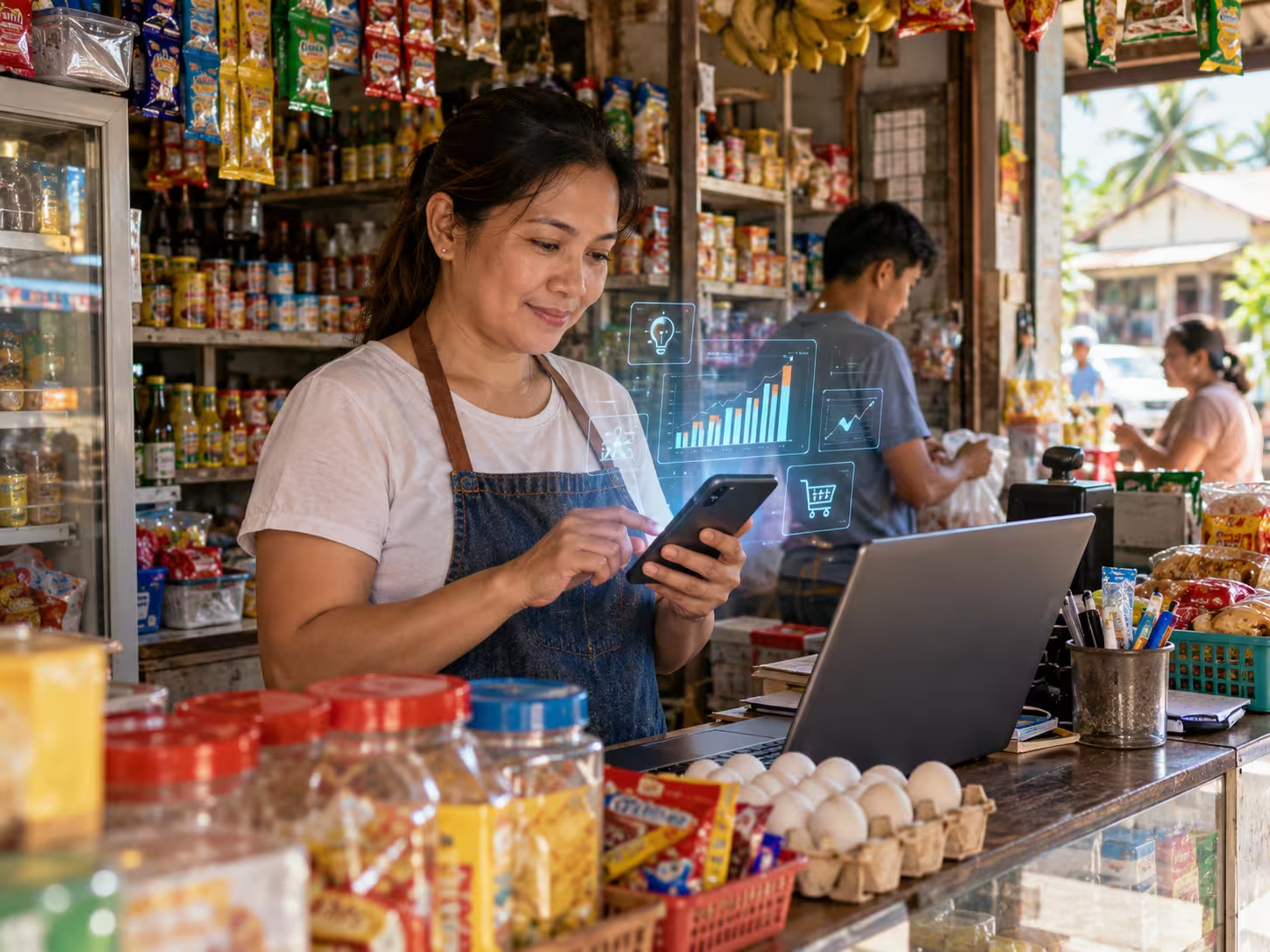
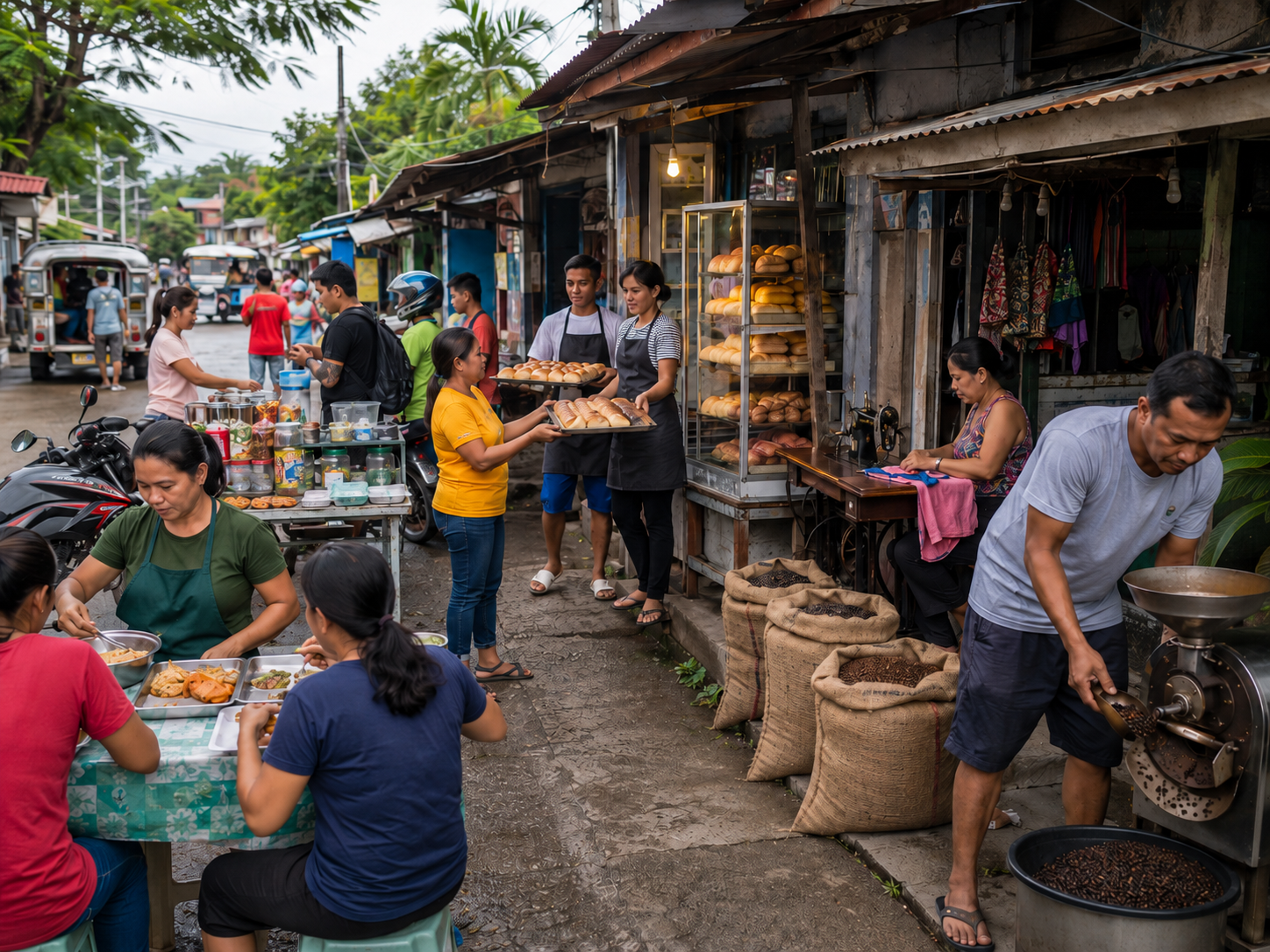
The backbone of the Philippine economy is the Micro, Small, and Medium Enterprise (MSME) sector. Historically, these “sari-sari” stores and local eateries were invisible to credit scoring agencies. In 2026, fintech startups are utilizing alternative data—such as utility payment history, social media commerce activity, and supply chain consistency—to underwrite loans.
This innovation has unlocked billions of pesos in credit. Instead of relying on collateral, lenders are using AI to predict cash flow. This has empowered female entrepreneurs specifically, who dominate the micro-retail space, to scale their operations from single stalls to multi-branch entities within a fiscal year.
For further context on the economic impact of this sector, the Bangko Sentral ng Pilipinas (BSP) continues to report significant growth in digital transactions, with data available on their official portal: BSP Digital Payments Transformation.
The Blockchain Backbone
While cryptocurrency trading remains volatile, the underlying blockchain technology is being utilized for something more stable: remittances. OFW (Overseas Filipino Worker) remittances are a lifeline for the economy. Startups in 2026 have deployed stablecoin corridors that reduce transfer fees from an average of 5% to under 1%, ensuring that more money reaches Filipino families instantly, bypassing slow correspondent banking networks.
This integration of deep tech into daily life signifies that the Philippine startup ecosystem is no longer copying Western models but is innovating out of necessity.








Leave a Reply