

The BSP’s 2026 Banked Population Milestone
The Bangko Sentral ng Pilipinas (BSP) has set an ambitious target: bring 50% of Filipino adults into the formal banking system by 2026. According to the central bank’s roadmap reported by Philstar, reaching this milestone will fundamentally reshape the credit landscape for the country’s smallest enterprises (Philstar, May 2022). For decades, sari-sari store owners, market vendors, and home-based food entrepreneurs operated almost entirely in cash, leaving no digital footprint that banks could use to assess creditworthiness. With 50% of adults holding accounts, the pool of potential borrowers with verifiable transaction histories expands dramatically.
From Cash to Credit: The Connection
A bank account is more than a savings vessel; it is the entry point to affordable credit. Transaction data from everyday deposits and withdrawals gives lenders a reliable picture of cash flow, making it possible to offer small working-capital loans without traditional collateral. A micro-entrepreneur who previously relied on informal lenders charging 20% monthly interest can now access a formal loan at a fraction of the cost. The BSP’s push is complemented by the Philippine Identification System (PhilSys), which provides a single, verifiable identity for loan applications, further reducing the risk and cost of lending to unserved segments.
Fintech and Digital Lending Fill the Gap
Technology companies are moving faster than traditional banks to serve this emerging market. Platforms like Tala and Digido use smartphone data—call patterns, mobile wallet top-ups, and social media activity—to generate instant credit scores. In 2025, Tala reported disbursing over $2 billion in microloans globally, with the Philippines as one of its largest markets. These fintech lenders typically approve loans within minutes, and amounts as low as PHP 1,000 help a home baker purchase ingredients or a tricycle driver repair his vehicle. The synergy between BSP’s financial inclusion targets and private-sector innovation is accelerating access at an unprecedented pace.
Real-World Impact on Sari-Sari Stores
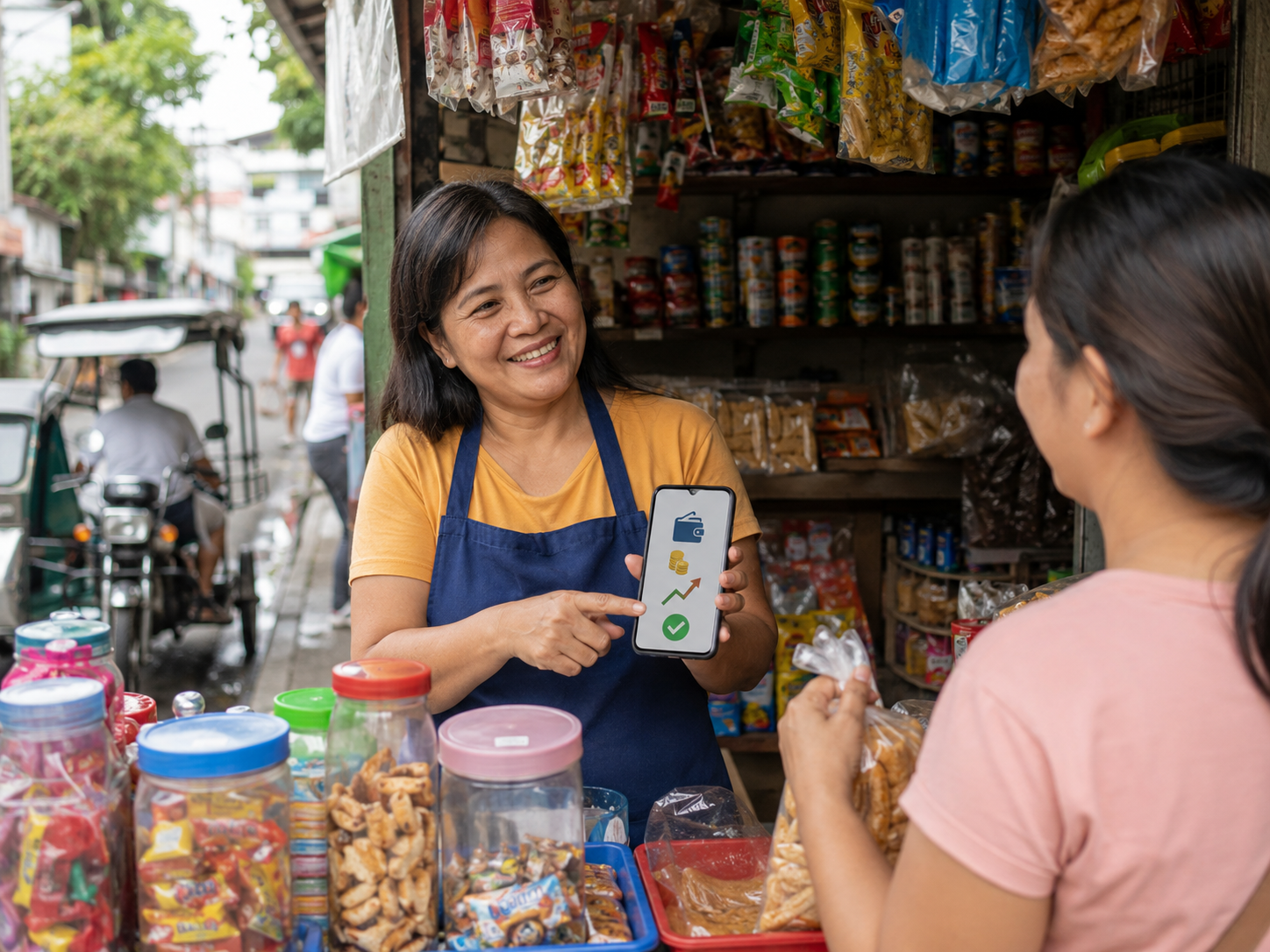
Consider Nanay Lorna, who runs a sari-sari store in Quezon City. Until 2024, her only credit option was a loan shark demanding PHP 200 in weekly interest on a PHP 2,000 loan. After opening a basic deposit account through a digital bank and using GCash for supplier payments, she qualified for a PHP 5,000 loan via a fintech app. The loan was disbursed directly to her e-wallet, and automated daily micro-repayments were deducted from her sales. Her story mirrors thousands of similar transitions from informal to formal credit, made possible by digitization.
Regulatory Tailwinds and Credit Scoring
The BSP has introduced key regulations to nurture this ecosystem. Circular No. 1177 allows alternative credit scoring models that incorporate telco, utility, and e-commerce data. Meanwhile, the National Privacy Commission has issued guidelines to ensure responsible use of personal information. These frameworks give lenders the confidence to extend credit to thin-file borrowers while protecting consumers. As the 2026 deadline approaches, the convergence of digital identity, open banking, and progressive regulation is set to make credit access not a privilege for the few but a routine tool for millions of Filipino entrepreneurs.









Leave a Reply