

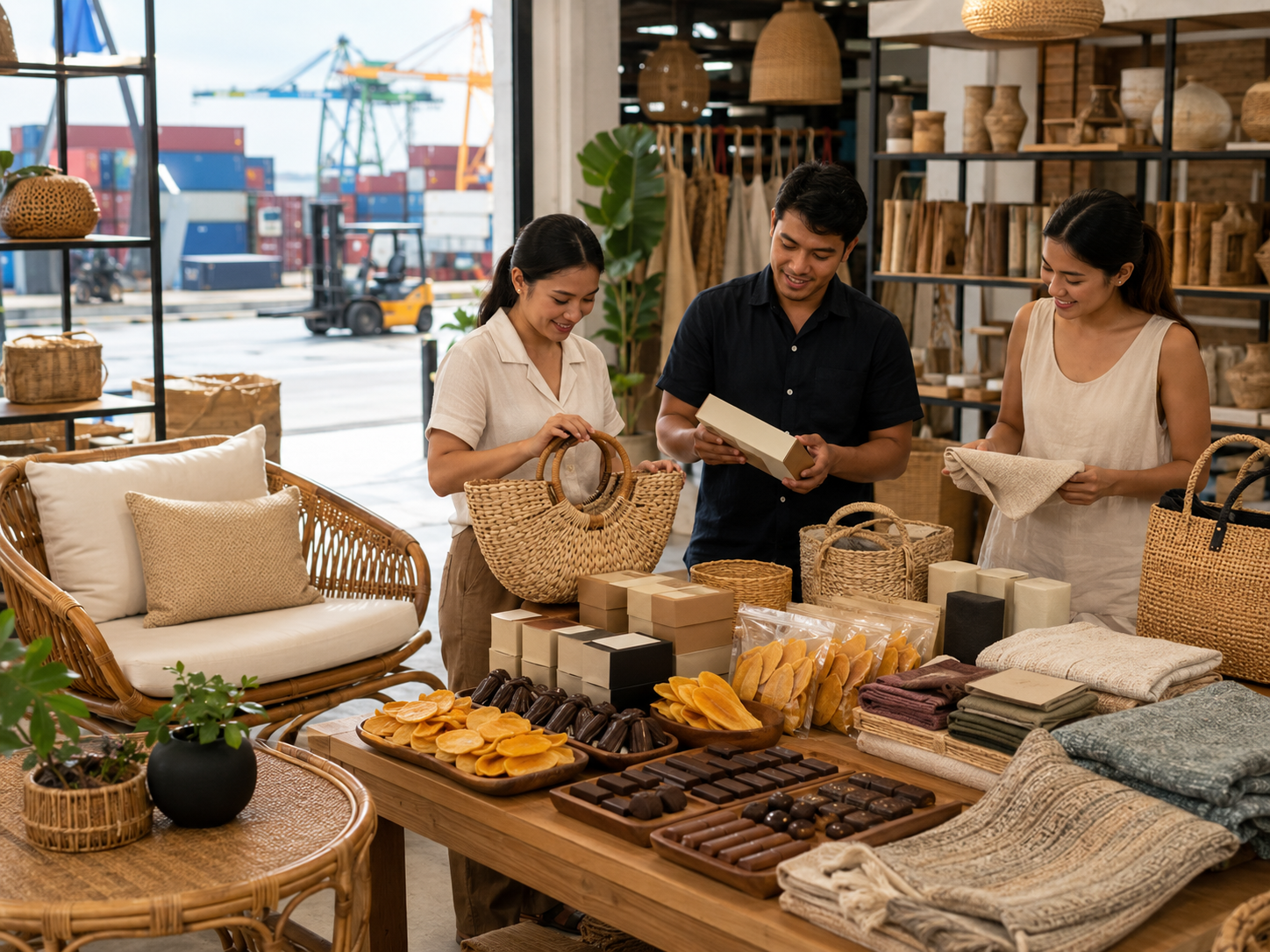
Filipino entrepreneurs have played an important role in bringing local products from community workshops, farms, and small factories to international markets. Their success shows that exports are not built only through large-scale manufacturing, but also through creativity, consistent quality, strong branding, and a clear understanding of what global buyers want. Many Filipino business owners have transformed traditional materials and local skills into products that can compete abroad.
One well-known example is Kenneth Cobonpue, a Cebu-based designer who helped raise the global reputation of Philippine furniture. Instead of presenting rattan, bamboo, abaca, and other natural materials as ordinary handicraft components, he turned them into premium design elements. His furniture became known for its sculptural forms, modern appeal, and strong Filipino identity. By combining traditional craftsmanship with contemporary design, Cobonpue showed that local materials could be positioned as luxury products in international markets.
Another strong example is Reese Fernandez-Ruiz, co-founder of Rags2Riches. The enterprise began by working with women artisans who turned scrap fabric and excess textile materials into bags, fashion accessories, and home items. What made the business exportable was not only the product itself, but also its story: sustainability, fair livelihood, and community empowerment. International buyers often look for products with ethical value, and Rags2Riches successfully connected Filipino craftsmanship with the global demand for socially responsible goods.
In the food sector, Filipino entrepreneurs have also expanded export opportunities by improving packaging, quality control, and brand positioning. Profood International, associated with entrepreneur Justin Uy, became widely known for processed fruit products such as dried mangoes. Philippine mangoes already had a strong natural advantage because of their sweetness and flavor, but export growth required more than good raw ingredients. It required food safety standards, attractive packaging, reliable supply, and distribution partnerships abroad.
Premium chocolate brands such as Auro Chocolate have also helped promote Philippine cacao internationally. By working with local cacao farmers and focusing on tree-to-bar production, Filipino entrepreneurs have shown that the country can offer high-value chocolate instead of simply exporting raw agricultural materials. This shift allows more value to remain in the Philippines and gives local farmers better opportunities to participate in global supply chains.
The success of these entrepreneurs offers several lessons. First, local products need strong storytelling. Buyers abroad are not only purchasing furniture, bags, dried fruits, or chocolate; they are also buying culture, origin, and authenticity. Second, quality must be consistent. A beautiful product may attract attention once, but repeat export orders depend on reliability. Third, entrepreneurs must understand international preferences without losing local identity. The most successful Filipino exporters adapt their products for global markets while preserving the materials, flavors, and craftsmanship that make them unique.
These entrepreneurs prove that the Philippines has more to offer than raw materials or low-cost labor. With innovation, discipline, and market awareness, local products can become globally respected brands. Their achievements also inspire smaller businesses to think beyond domestic sales and prepare their products for buyers in Asia, North America, Europe, and the Middle East.










Leave a Reply