


The Platform Becomes the Storefront
TikTok Shop Philippines confirmed in 2026 that its active creator base had doubled year-on-year, a figure disclosed at its Creator Awards as brands increasingly route product discovery and conversion through livestreamers, affiliates, and short-form storytellers. The platform’s marketing lead, Franco Aligaen, framed the shift in structural terms: creators are “evolving from content producers into business builders and entrepreneurs capable of shaping purchasing behaviour at scale”.
The numbers behind that evolution are difficult to ignore. Research and Markets values the Philippine social commerce market at US$28.77 billion in 2026, with a projected compound annual growth rate of 10.2% through 2031, when it could reach US$46.68 billion. Meanwhile, Meltwater data cited in industry reporting shows influencer marketing spending in the Philippines reached US$109 million in 2024, accounting for 5.6% of total digital advertising spend. The infrastructure is no longer experimental. It is the channel.
Why Discovery Commerce Fits the Philippine Market
The Philippines has one of the most saturated social media environments on earth. Meltwater’s Digital 2026 report shows Filipino users spending between 30 minutes and over an hour daily on Instagram and TikTok. In that environment, attention is selective, and purchase decisions increasingly begin inside the feed rather than at a search bar.
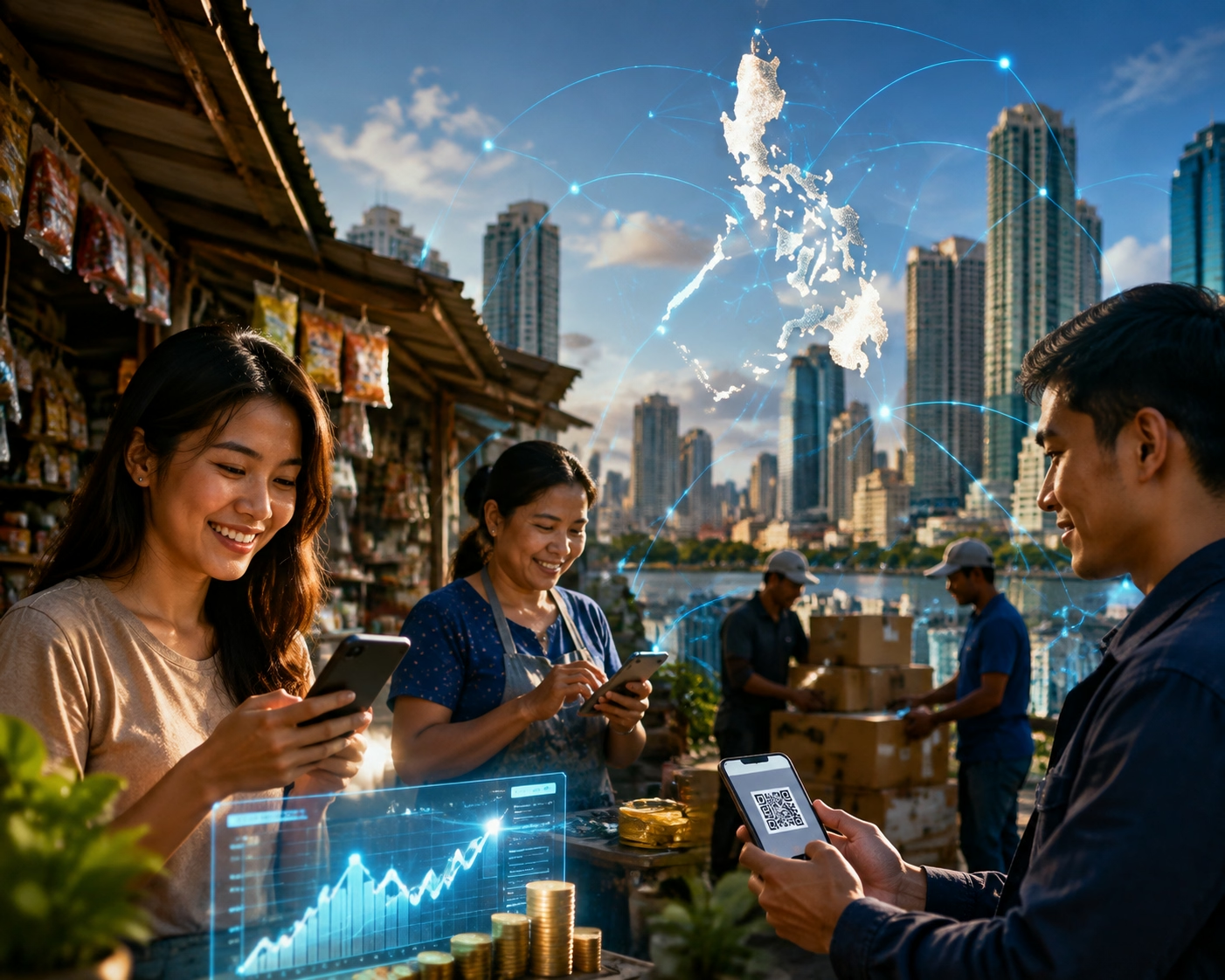
The market intelligence points to a deeper structural change: the movement of shopping “from the content feed to the transaction point”. YouTube Shopping’s partnership with Shopee allows creators to tag products directly in video, while TikTok Shop’s “Live to Shine” initiative trains creators in sales and audience interaction. The creator is no longer an awareness layer bolted onto a media plan. The creator is the selling layer.
The Creator as a Small Business, Not a Billboard
The distinction matters for anyone building a creator-led brand. A 2026 report from Cube x Impact found that 83% of consumers in Southeast Asia have made purchases through affiliate links. That statistic reframes the creator’s economic function: the audience relationship is the asset, and the platform is the distribution rail.
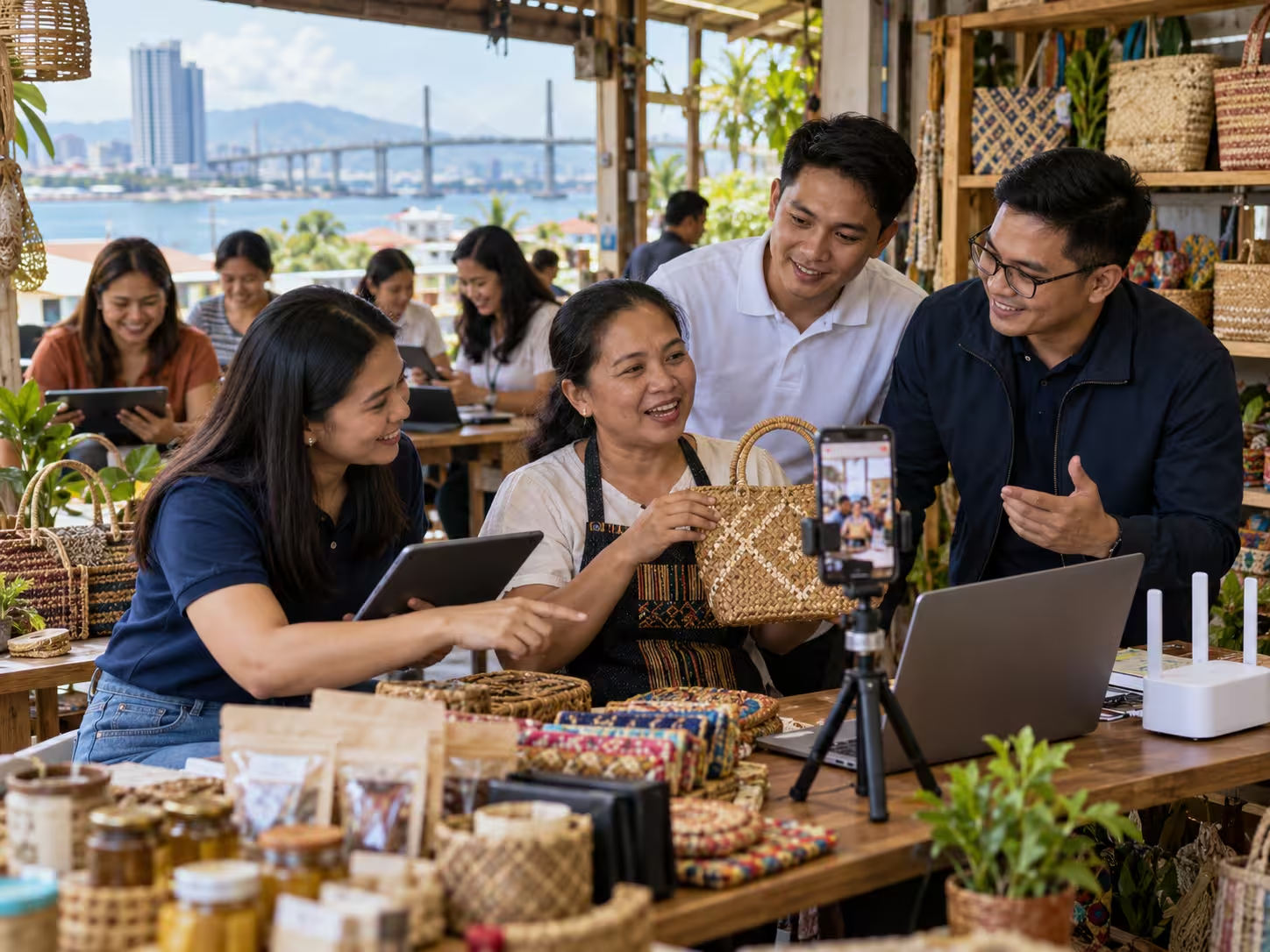
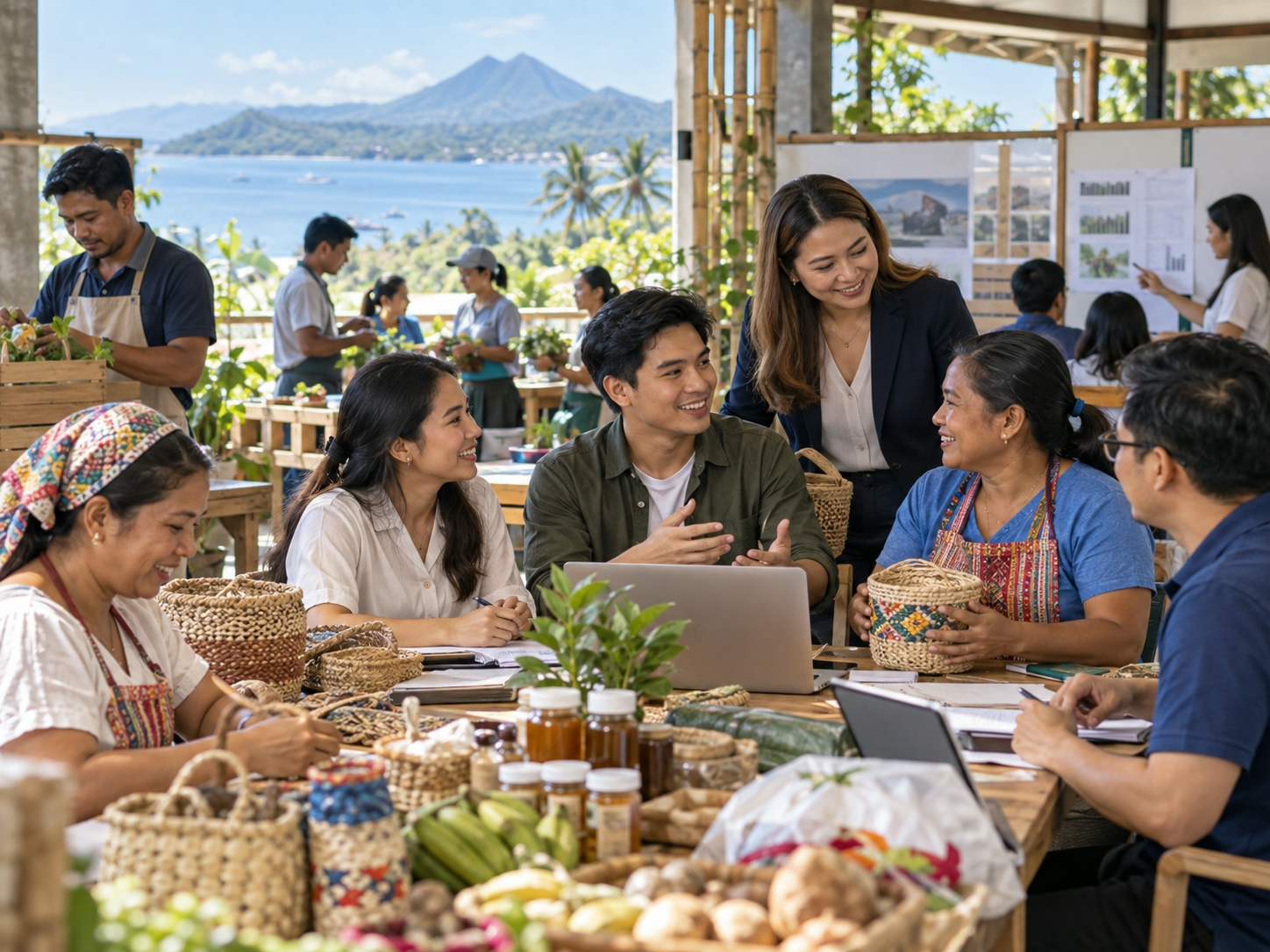
TikTok Shop has responded with structured partnership programmes, including Joint Business Planning for top-performing creators and regional expansion beyond Metro Manila into Cebu, the Visayas, and Mindanao. The geographic broadening is significant. Creator-led business is no longer a capital-city phenomenon; it is becoming a nationwide commercial pattern.
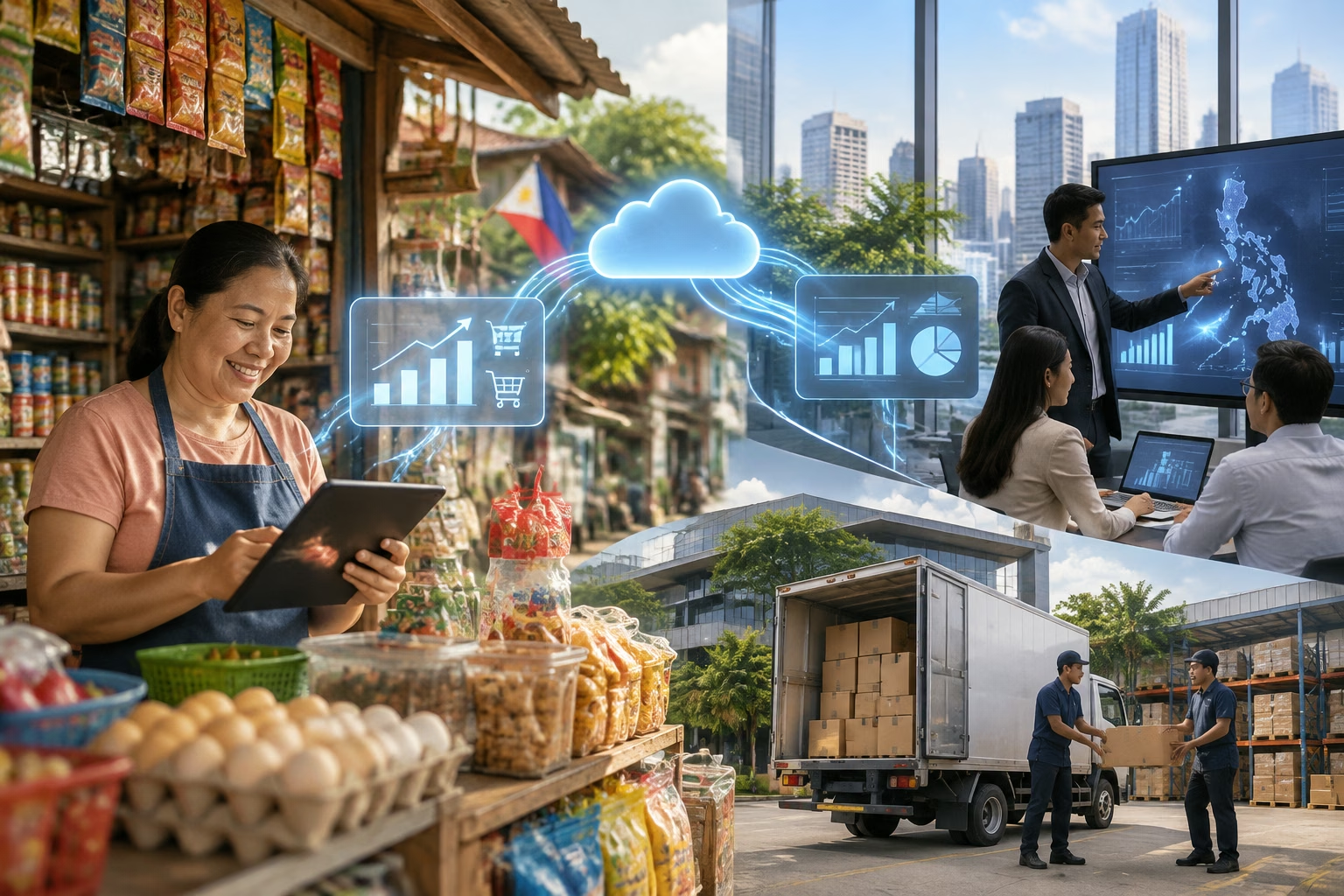
The Philippine creator-led business story in 2026 is therefore less about charisma than about commercial architecture: payments, fulfilment, affiliate tracking, and live-selling training. The creators who build durable brands will be those who treat the platform not as a stage but as a supply chain.



Leave a Reply