

The $7 Billion Shift Nobody Saw Coming
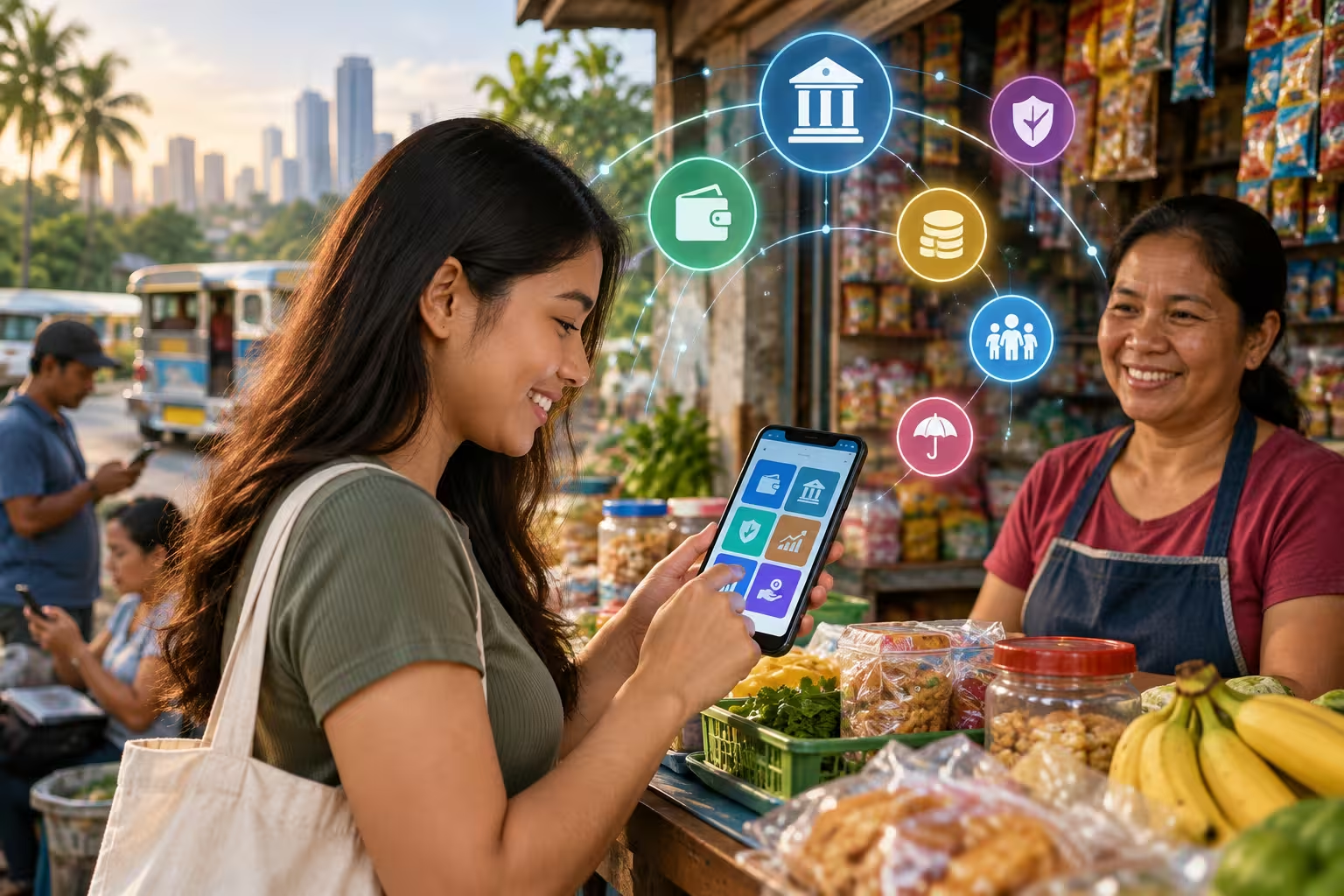
The Philippines has long been a country where traditional banking failed to reach the masses. With roughly 50% of the adult population still unbanked, the idea of walking into a brick-and-mortar branch to open a savings account has remained an intimidating, document-heavy ordeal for millions. But a quiet revolution is unfolding — not inside bank branches, but inside the apps Filipinos already open every day to chat, shop, and pay bills.
Embedded finance — the integration of banking, lending, and insurance services directly into non-financial digital platforms — is rapidly becoming the Philippines’ most powerful tool for financial inclusion. According to a 2025 Research and Markets report, the Philippine embedded finance market is expected to grow by 14.2% annually to reach US$7.02 billion in 2025**, with projections to hit **US$10.27 billion by 2030. This is not a niche trend. It is a fundamental restructuring of how financial services reach the Filipino consumer.
Beyond the Super App: Banking Where People Already Are
The most visible manifestation of this shift is the rise of super apps like GCash and Maya, which have evolved from simple e-wallets into full-fledged financial ecosystems. GCash now serves more than 90 million users, embedding savings, insurance, wealth products, and credit directly into its interface. Maya, meanwhile, has expanded into digital banking, offering savings accounts and credit cards through its integrated platform.
But the real story lies deeper than consumer-facing wallets. A 2026 industry analysis notes that embedded finance is “quietly changing how Filipinos access financial services” by powering the financial infrastructure behind the country’s digital economy. Banks and fintech firms are no longer just building apps — they are becoming the invisible rails that enable non-bank platforms to offer regulated financial products.
The RCBC–PalawanPay Model: Grassroots Banking at Scale
A compelling case study comes from RCBC and the Palawan Group of Companies, which launched “PalaSave” in March 2026 — a savings feature embedded directly into the PalawanPay app. This partnership marks RCBC’s first live implementation of banking-as-a-service, integrating its DiskarTech savings platform into a non-bank app used by 23 million Filipinos.
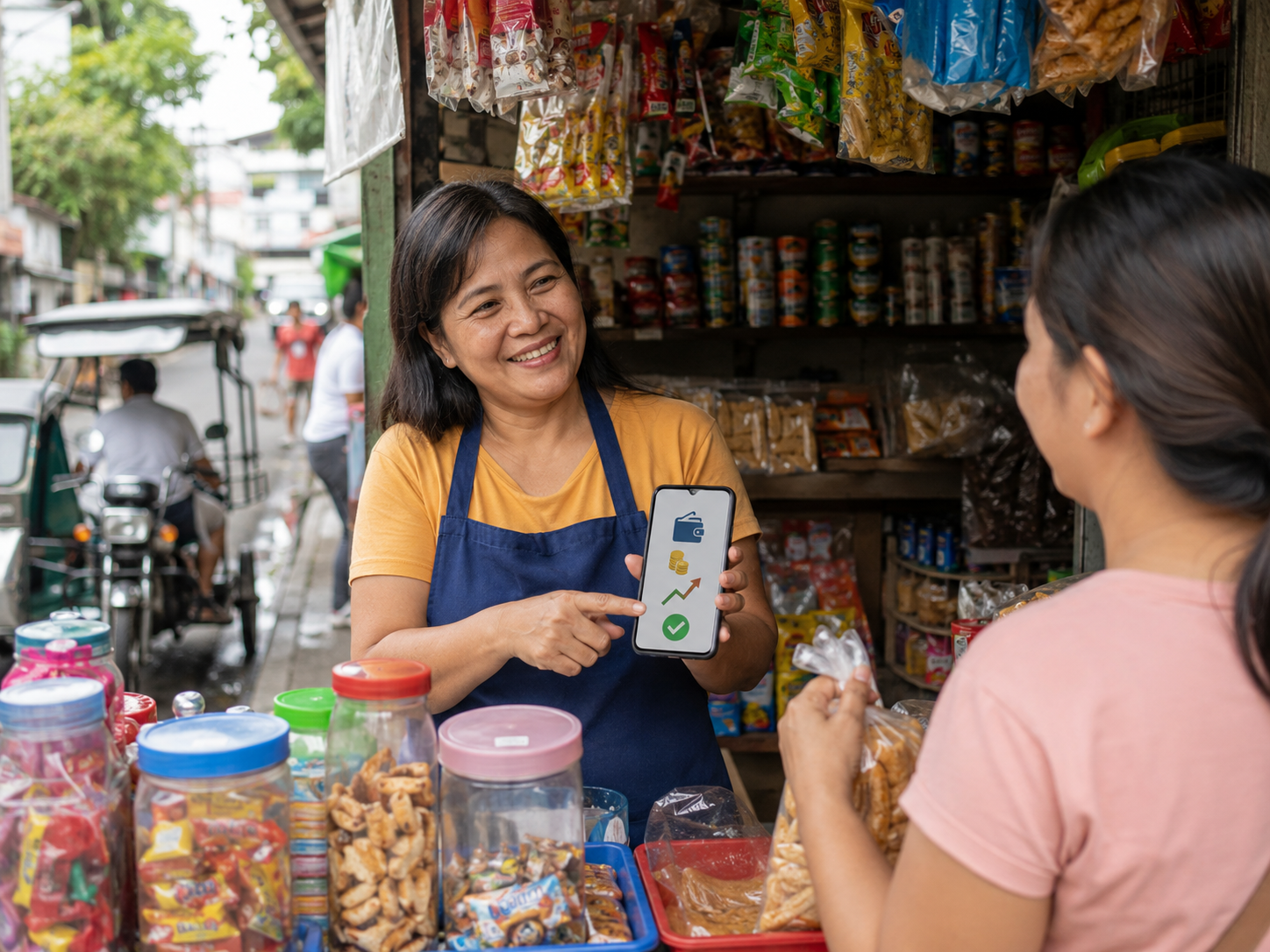
The results were immediate. Within days of launch, PalaSave had onboarded 60,000 new depositors and generated over ₱50 million in deposits, with a target of one million users within the year. RCBC President and CEO Reginaldo Anthony Cariaso framed the initiative as a philosophical shift: “The key is about access and relevance. How do we make banking feel less like a chore and more like a natural extension of a Filipino’s daily life? The answer lies in meeting people exactly where they already are”.
Regulatory Tailwinds Accelerate Adoption
The Bangko Sentral ng Pilipinas (BSP) has recognized this shift and is actively shaping the regulatory environment to support it. In February 2025, the BSP released draft guidelines for a digital marketplace model, allowing banks and electronic money issuers to offer both financial and non-financial products through a single platform. The framework emphasizes governance, risk management, and consumer protection while enabling ecosystem partnerships that expand financial access.
This regulatory clarity is critical. It signals to both traditional banks and fintech innovators that embedded finance is not a temporary workaround but a sanctioned, sustainable model for delivering financial services at scale.










Leave a Reply