

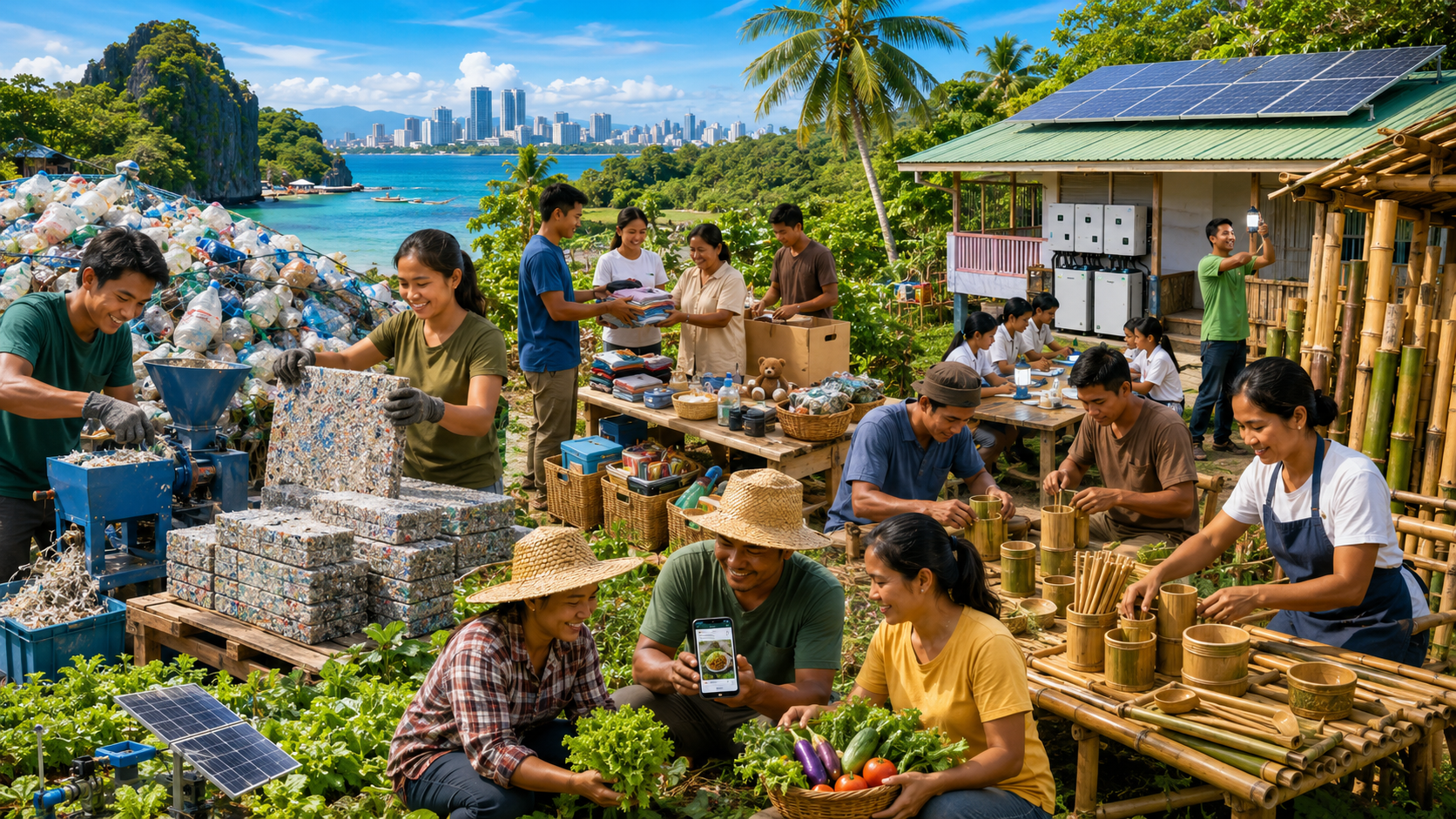
The Philippines is one of Southeast Asia’s most promising markets for environmental innovation. As an island nation exposed to typhoons, flooding, plastic pollution, food waste, and pressure on natural resources, the country has created a strong need for practical climate and sustainability solutions. In response, a growing number of technology startups and social enterprises are developing tools that help communities, businesses, and local governments reduce environmental damage while creating economic value.
One important area is waste management. The Philippines has long struggled with plastic waste, especially in urban centers and coastal communities. Startups such as Green Antz Builders show how technology can turn discarded plastics into usable construction materials. By processing plastic waste into eco-bricks, pavers, and other building products, companies like this help reduce landfill pressure while supporting more sustainable construction. Their model is important because it connects waste collection, materials engineering, and community participation.
Another notable example is Humble Sustainability, a circular economy platform that helps businesses manage excess inventory, returned goods, and usable surplus items. Instead of allowing products to become waste, the platform gives companies a way to resell, donate, or redirect items to people and organizations that can still use them. This type of startup proves that environmental solutions do not always require completely new products. Sometimes, the biggest impact comes from designing better systems for products that already exist.
Bambuhay is another Philippine enterprise connected to sustainability, especially through bamboo-based alternatives to single-use plastics. Bamboo grows quickly and can be used to create products such as toothbrushes, straws, and packaging materials. By combining product design, livelihood development, and environmental awareness, bamboo-focused businesses support both ecological protection and rural income generation. This matters in the Philippines, where many sustainability challenges are linked to poverty and limited local livelihood options.
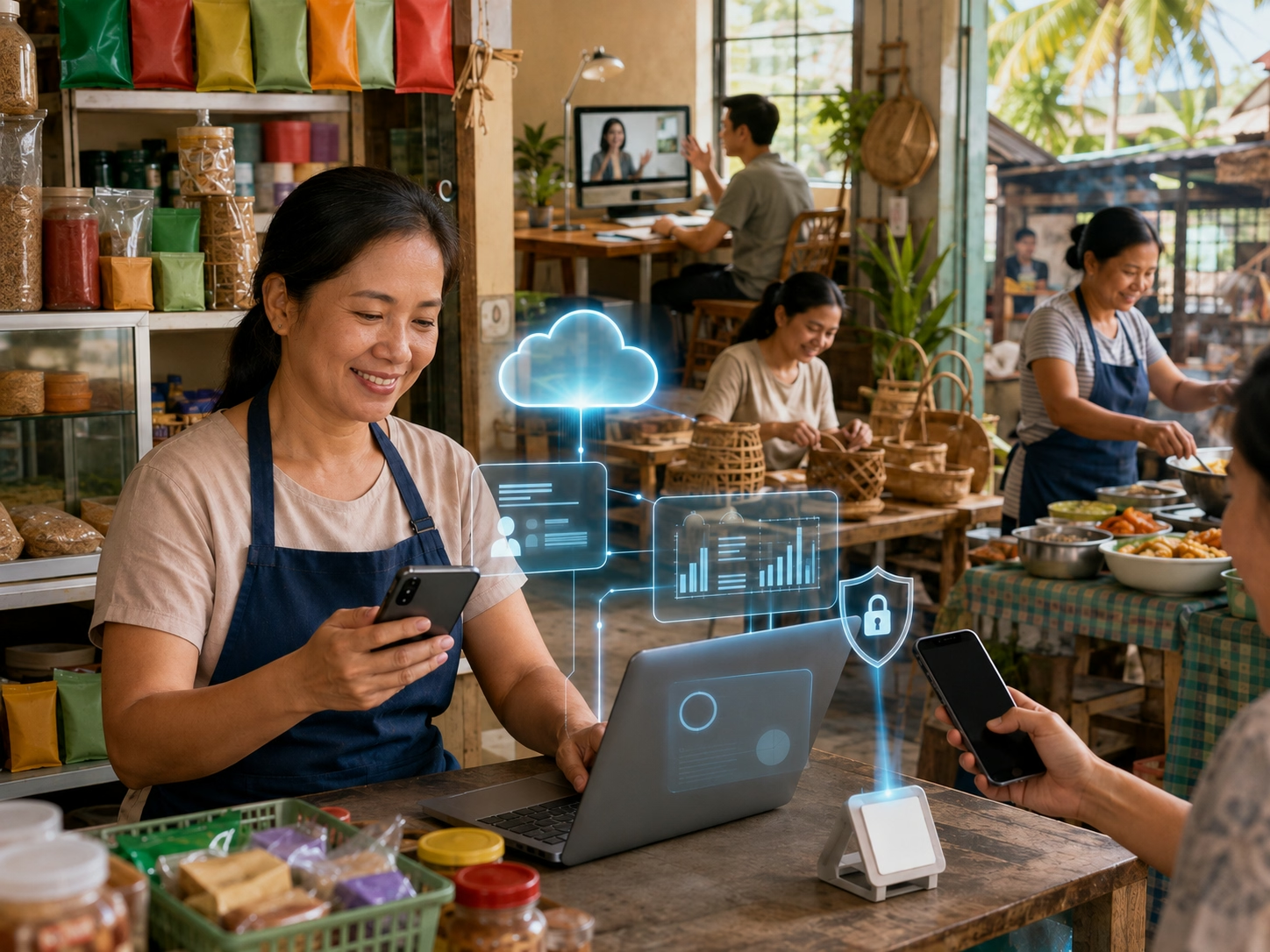
Agritech startups also play a role in environmental protection. Platforms that connect farmers directly with buyers can reduce food waste, improve logistics, and help small producers earn better income. When food moves through fewer middlemen and better digital systems, there is less spoilage and more efficient use of resources. These solutions may not look as dramatic as ocean cleanup projects, but they are essential because agriculture, transportation, and food distribution all have environmental consequences.
Renewable energy and clean technology are also gaining attention. Solar-powered systems, energy-monitoring tools, and off-grid lighting solutions can help communities reduce dependence on diesel generators and unreliable electricity sources. In rural and disaster-prone areas, decentralized clean energy can support schools, households, and small businesses while lowering emissions.
What makes environmental startups in the Philippines especially valuable is their local understanding. Many solutions are designed for real conditions: narrow streets, island communities, informal waste systems, small farms, limited infrastructure, and frequent natural disasters. These startups are not simply copying models from wealthier countries. They are adapting technology to Filipino realities.
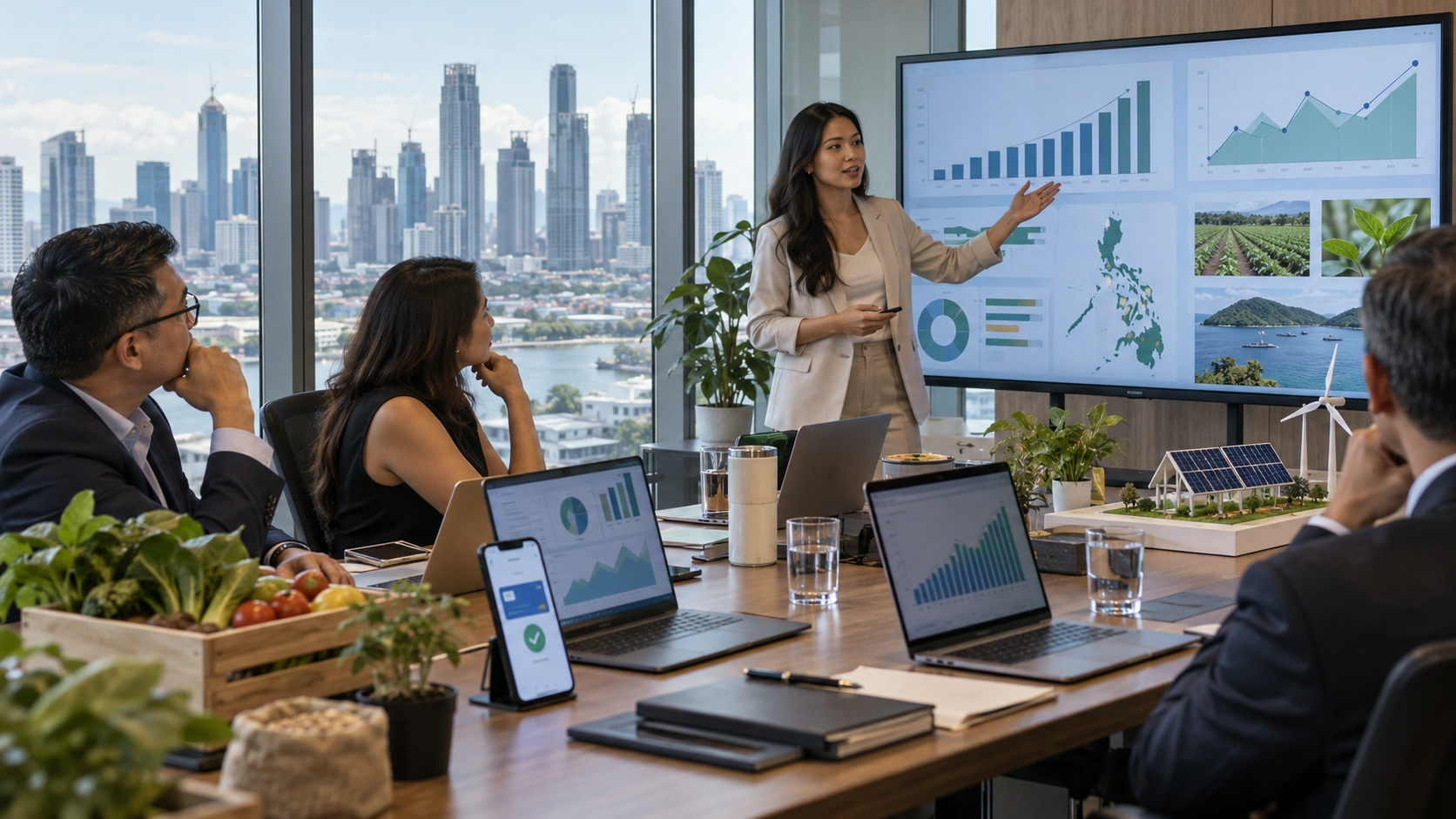
The future of green technology in the Philippines will depend on stronger investment, supportive regulation, partnerships with local governments, and consumer awareness. If these elements continue to improve, environmental startups can become a major force in building a cleaner, more resilient, and more inclusive Philippine economy.






Leave a Reply