

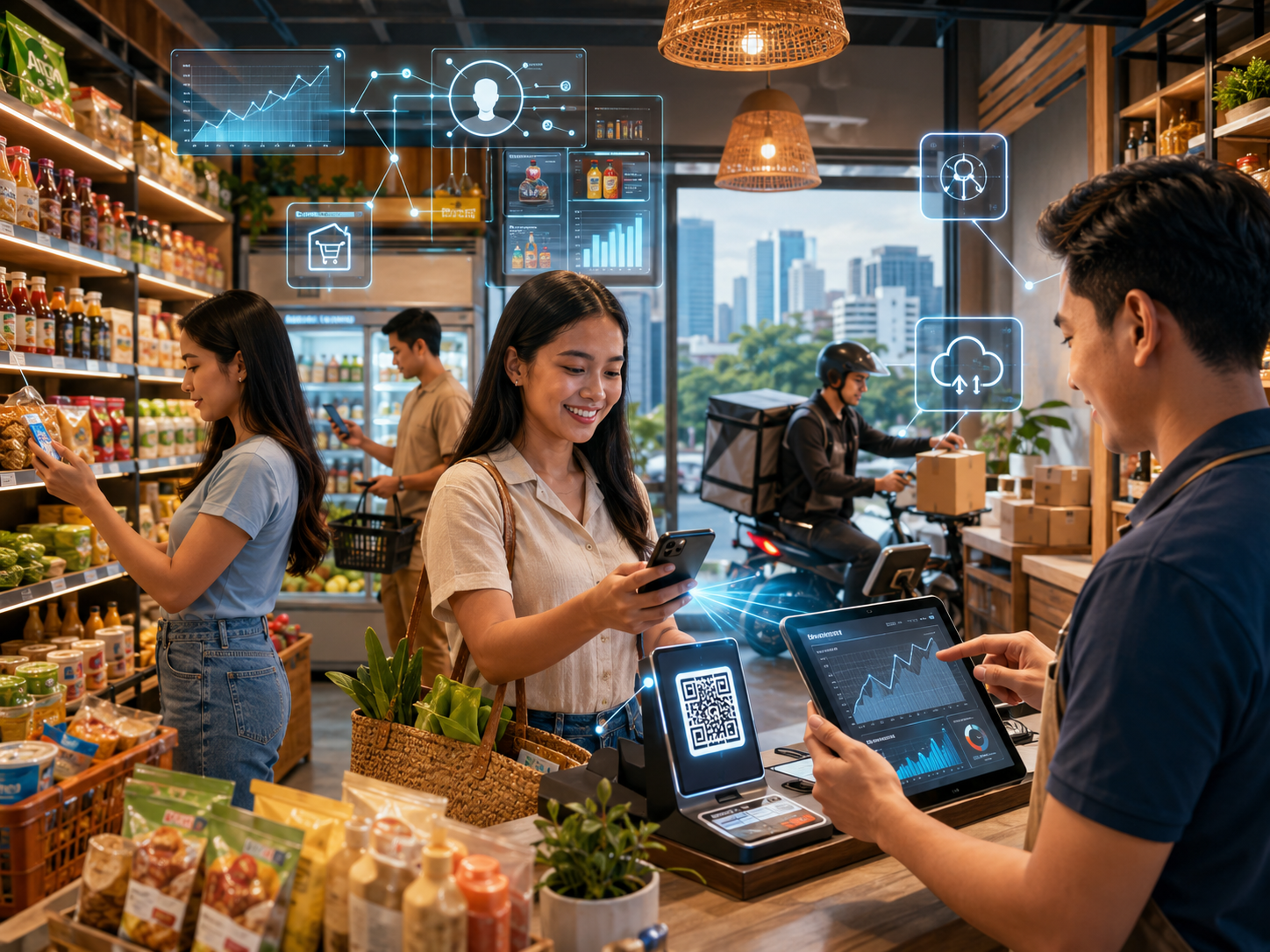
The retail landscape in the Philippines is undergoing a profound transformation as digitalization reshapes consumer behavior and business operations. Fueled by increasing internet penetration, smartphone adoption, and evolving consumer expectations, the sector is embracing technology at an unprecedented pace. For technology startups, this digital shift represents a unique opportunity to introduce innovative solutions that cater to the demands of modern retail.
One of the key drivers of digitalization in Philippine retail is the growing e-commerce sector. According to recent studies, online retail sales in the country have experienced double-digit growth over the past five years, accelerated by the pandemic. Consumers increasingly prefer online shopping for its convenience, personalized experiences, and contactless transactions. This surge in e-commerce creates a fertile ground for startups to develop solutions such as mobile apps, AI-powered recommendation engines, and integrated payment systems that enhance the online shopping experience.
Beyond e-commerce, brick-and-mortar stores are also integrating digital technologies to remain competitive. Retailers are adopting point-of-sale (POS) systems, inventory management software, and customer relationship management (CRM) tools to streamline operations. These digital tools enable businesses to collect real-time data, optimize inventory levels, and tailor marketing strategies based on consumer preferences. Startups offering AI analytics platforms, smart logistics solutions, or automated inventory tracking systems can tap into this growing demand and position themselves as essential partners for retailers.
Payment technology is another critical area of growth. The Philippines has witnessed a rise in digital wallets, QR code payments, and cashless transactions, driven by the younger, tech-savvy population. For startups, opportunities exist in creating secure and seamless payment gateways, fraud detection software, and loyalty programs that integrate with digital payment systems. Such innovations not only enhance convenience but also build trust between retailers and consumers, fostering long-term engagement.
Moreover, data-driven marketing has become a focal point for retailers aiming to differentiate themselves in a competitive market. Leveraging big data and artificial intelligence, retailers can gain insights into consumer behavior, purchasing patterns, and emerging trends. Technology startups specializing in AI-powered marketing automation, personalized recommendation engines, and predictive analytics tools can help retailers optimize campaigns, improve customer retention, and increase revenue.
Lastly, logistics and last-mile delivery are critical components in the digital retail ecosystem. With the rise of online shopping, efficient delivery solutions are essential to meet consumer expectations. Startups that provide smart logistics platforms, route optimization algorithms, or real-time delivery tracking can offer significant value to retailers striving to improve operational efficiency.
In conclusion, the ongoing digital transformation in the Philippine retail sector presents a wealth of opportunities for technology startups. By focusing on e-commerce enhancement, operational automation, secure payment solutions, data-driven marketing, and advanced logistics, startups can establish themselves as key enablers of innovation. As retailers continue to embrace digitalization, the demand for innovative tech solutions is poised to grow, offering startups a dynamic and lucrative landscape to explore.








Leave a Reply