

The Payout Gap That Conventional Insurance Could Not Close
When a typhoon flattens a rice field in Nueva Ecija or a flood inundates a sari-sari store in Marikina, the clock starts ticking immediately. Farmers need capital to replant. Families need cash to rebuild. Yet traditional indemnity insurance often takes weeks—sometimes months—to process claims, leaving the most vulnerable waiting while their livelihoods deteriorate. This structural delay has been a defining feature of disaster recovery in the Philippines, one of the world’s most climate-exposed nations. In 2026, a new generation of startup-driven insurance models is attacking that gap directly, replacing loss adjusters with rainfall thresholds and bureaucratic forms with API calls.
CLIMBS and the Rise of Cooperative-Led Parametric Cover
At the forefront of this shift is CLIMBS Life, a cooperative network that launched the Philippines’ first cooperative-led parametric insurance product, Weather Protect Insurance (WPI). Instead of verifying individual damage, WPI triggers payouts automatically when objective weather indicators—rainfall, wind speed, drought, or heat—cross pre-agreed thresholds. Beneficiaries receive support within 10 to 15 days of a disaster, a timeline that fundamentally changes what recovery looks like for smallholder farmers and fisherfolk. The model is supported by cooperative-led capacity building on financial literacy and climate-smart agriculture, and includes Shari’ah-compliant Takaful protection to extend risk financing to Muslim communities. CLIMBS also channels a portion of insurance returns into mangrove restoration through its Plant a SEED initiative, linking fast financial relief with long-term ecosystem adaptation.
CashKO’s API-Driven Microinsurance Goes Nationwide
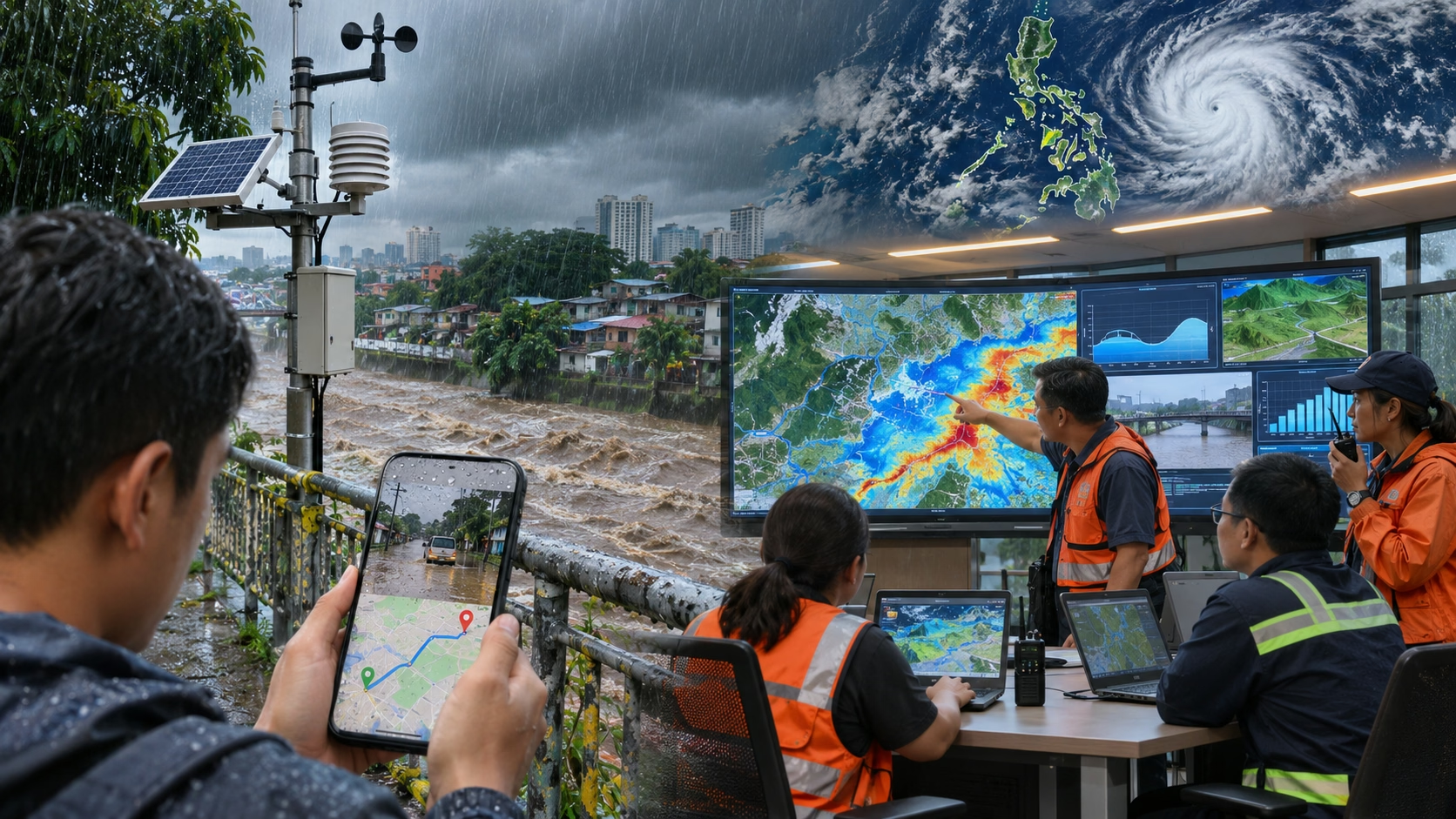
A parallel innovation is unfolding on the microinsurance side. CashKO, the microinsurance subsidiary of Philippine InsurTech firm RuralNet, is scaling its calamity microinsurance program nationwide in 2026, targeting underserved households that have historically been excluded from formal risk protection. The urgency is stark: NDRRMC data cited by the company shows that about 7.5 million people were affected by the combined effects of tropical cyclones Luis, Maymay, Neneng, and the southwest monsoon alone. CashKO’s approach integrates directly into partner financial systems through RuralNet’s digital, API-driven platform, allowing microfinance institutions to embed tailored coverage parameters, payout thresholds, and loan integration into their members’ financial lives. The company combines traditional indemnity insurance with an upcoming parametric model launching in Q4 2026, using predefined disaster conditions such as typhoon category to activate payouts supported by satellite and ground-station data.
Why the Model Matters Beyond the Payout
The significance of these startups extends beyond speed. Parametric and API-driven insurance transforms climate risk from an unpredictable shock into a manageable variable for households that operate on thin margins. When a farmer knows that a verified rainfall threshold will trigger a payout within days, the calculus of whether to invest in the next planting season changes. When a microfinance borrower knows that calamity cover is embedded in her loan, the fear of climate-induced default diminishes. The Philippines’ climate vulnerability—typhoons, floods, droughts, and rising seas—is not disappearing. But the financial architecture around that vulnerability is finally beginning to move at the speed of the disasters themselves.













Leave a Reply