

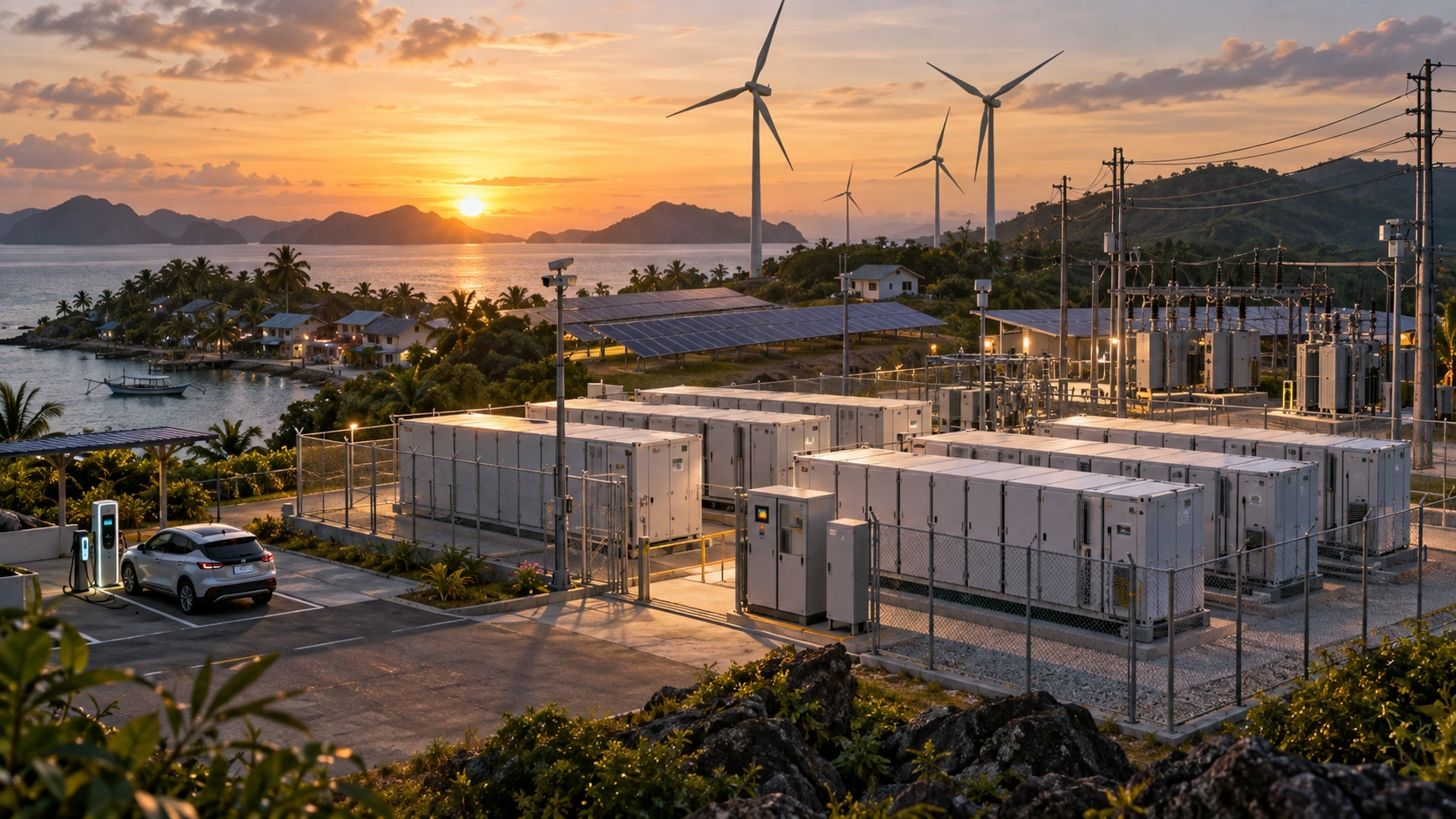
A Competitive Bidding Revolution Takes Hold
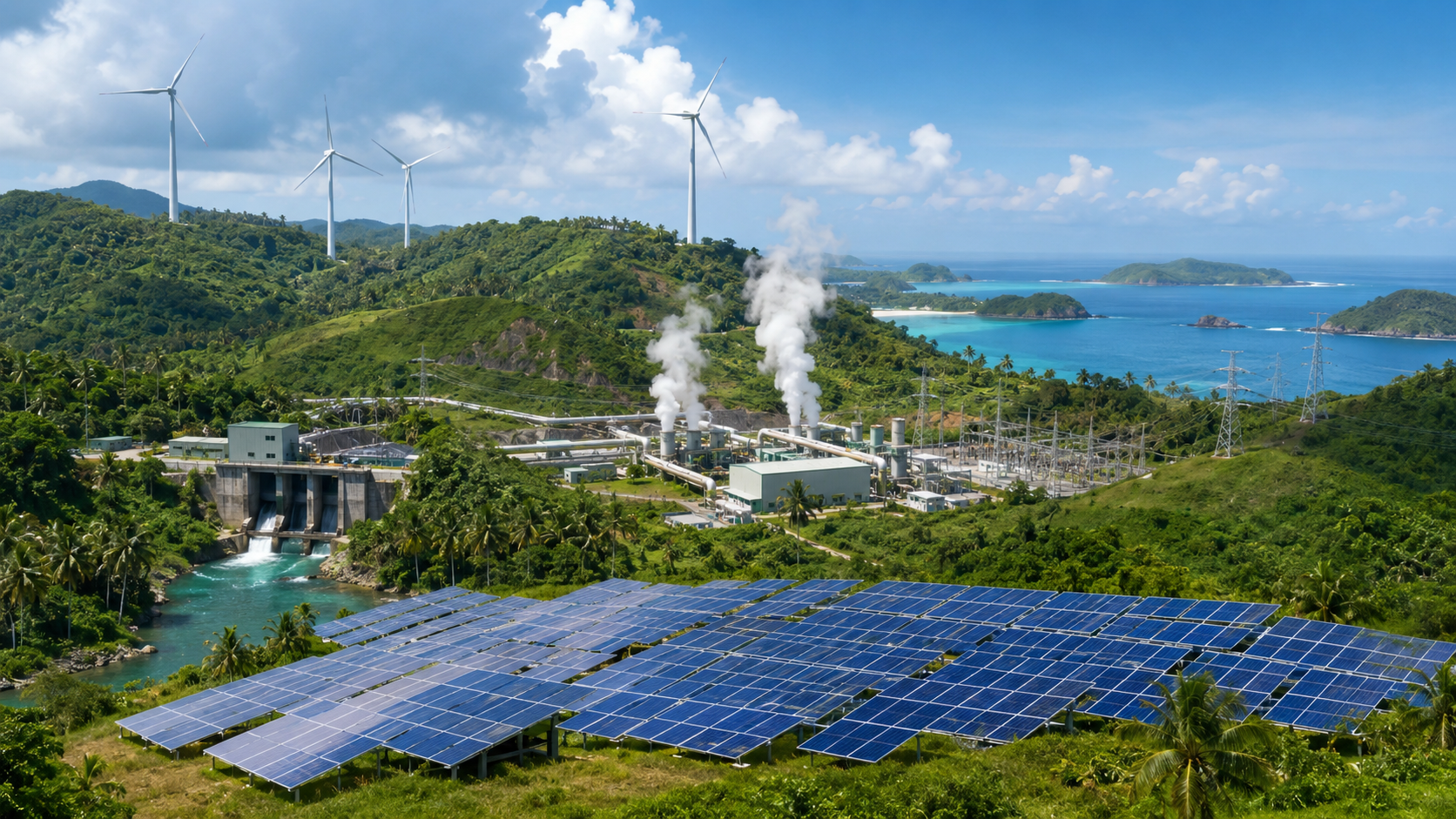
The Philippines’ energy landscape is undergoing a structural transformation, driven largely by the Department of Energy’s (DOE) Green Energy Auction Program (GEA). Launched to accelerate the shift away from coal-dependent generation, the GEA has evolved into a powerful mechanism that forces energy companies to compete on price, technology, and delivery speed. By the third auction round (GEA-3), the program had already allocated thousands of megawatts of renewable capacity, covering solar, wind, hydro, and geothermal technologies. According to the Philippine Department of Energy, the auction framework is central to the government’s target of reaching 35% renewable share in the power mix by 2030 and 50% by 2040.
How ACEN and AboitizPower Are Responding
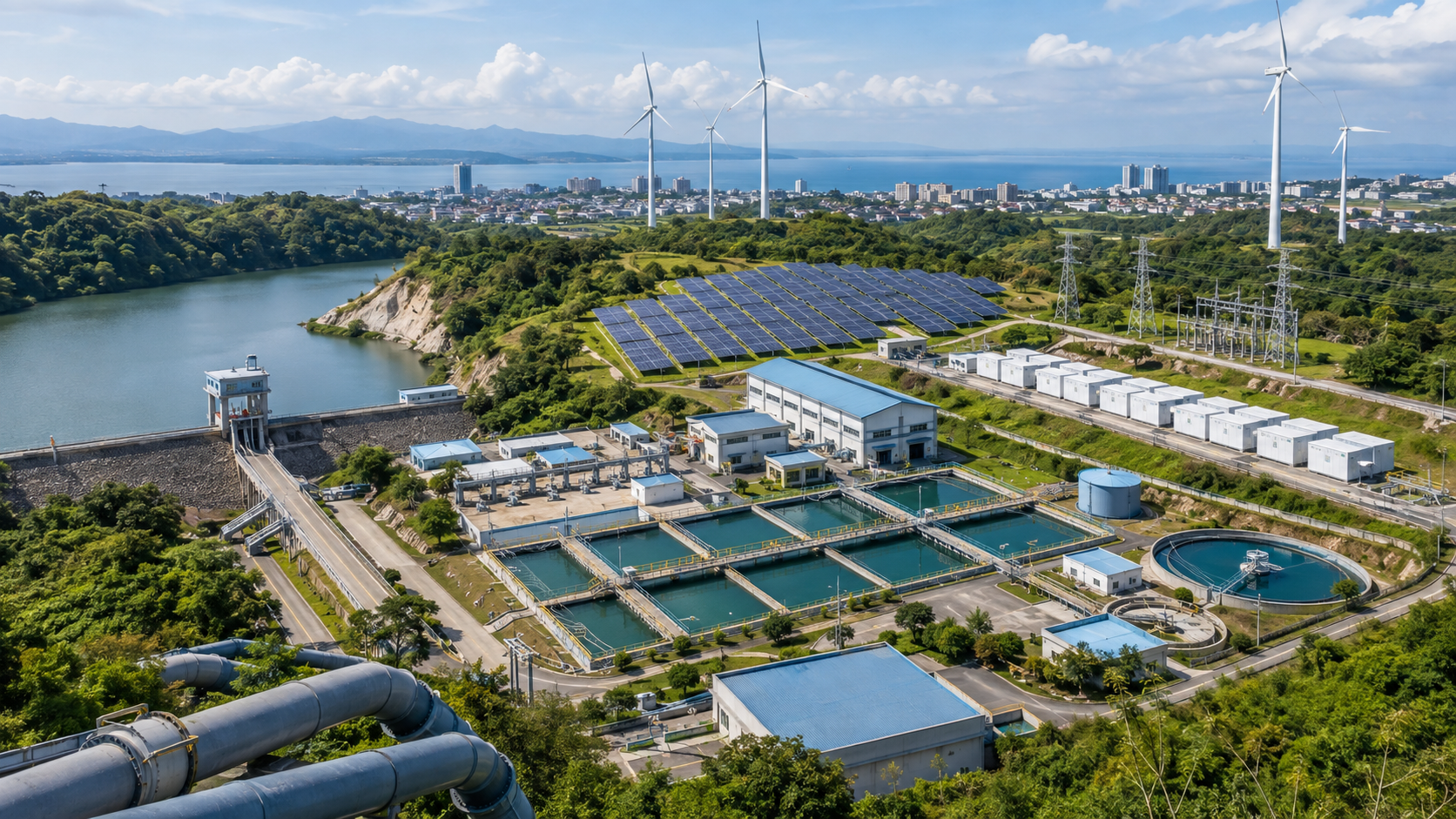
Corporate giants have recalibrated their strategies. ACEN Corporation, the listed energy platform of the Ayala Group, has aggressively expanded its renewable portfolio across wind and solar projects, while AboitizPower has diversified into large-scale battery storage and floating solar. The competitive pressure from the GEA has forced these firms to innovate not only in generation but also in supply chain management and grid integration. Energy analysts note that auction winners must now guarantee delivery timelines, which pushes companies to adopt modular construction techniques and digital project management tools.
The Transmission Bottleneck and Innovation Push
A recurring challenge is the congestion of the transmission network managed by the National Grid Corporation of the Philippines (NGCP). Renewable projects often sit in remote areas where grid capacity is limited, prompting companies to invest in energy storage and microgrid solutions. The DOE’s Energy Virtual One-Stop Shop (EVOSS) has streamlined permitting, but industry insiders argue that transmission upgrades remain the critical bottleneck.
Real-World Impact on Consumers and Industry
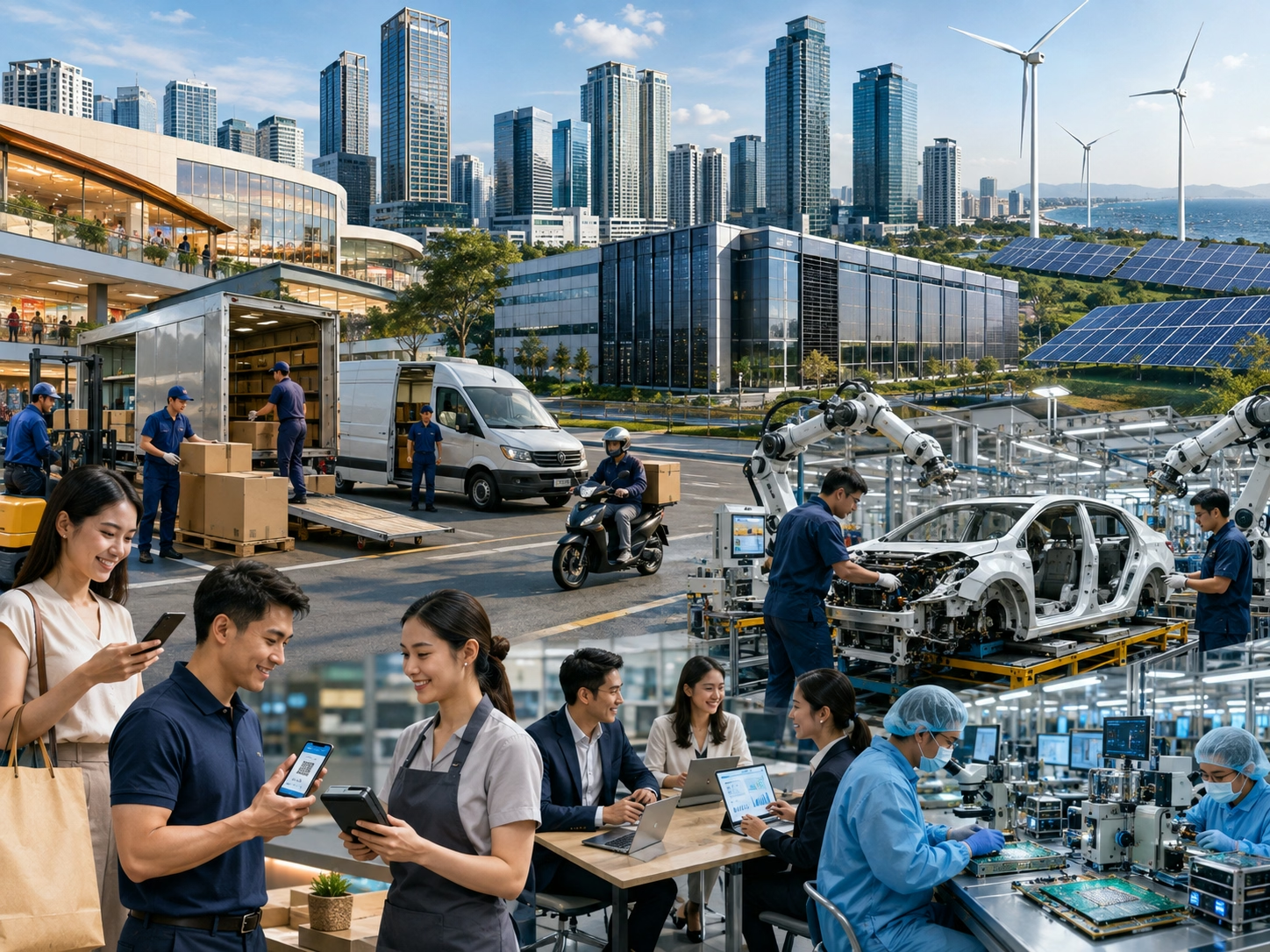
The GEA’s competitive nature has driven down bid prices, which translates into lower power rates over time. For commercial and industrial consumers, this opens doors to green power procurement through Retail Competition and Open Access (RCOA). Moreover, the program has attracted foreign investors, particularly from Japan, Singapore, and Europe, who view the Philippines as an emerging renewable hub in Southeast Asia.
What Lies Ahead for 2026
With GEA-4 on the horizon and offshore wind contracts gaining traction, the Philippines is positioning itself as a laboratory for market-driven renewable policy. The key question is whether infrastructure—both physical and regulatory—can keep pace with the ambition. Energy companies that master agility and local partnership will likely lead the next phase of the transition.








Leave a Reply