

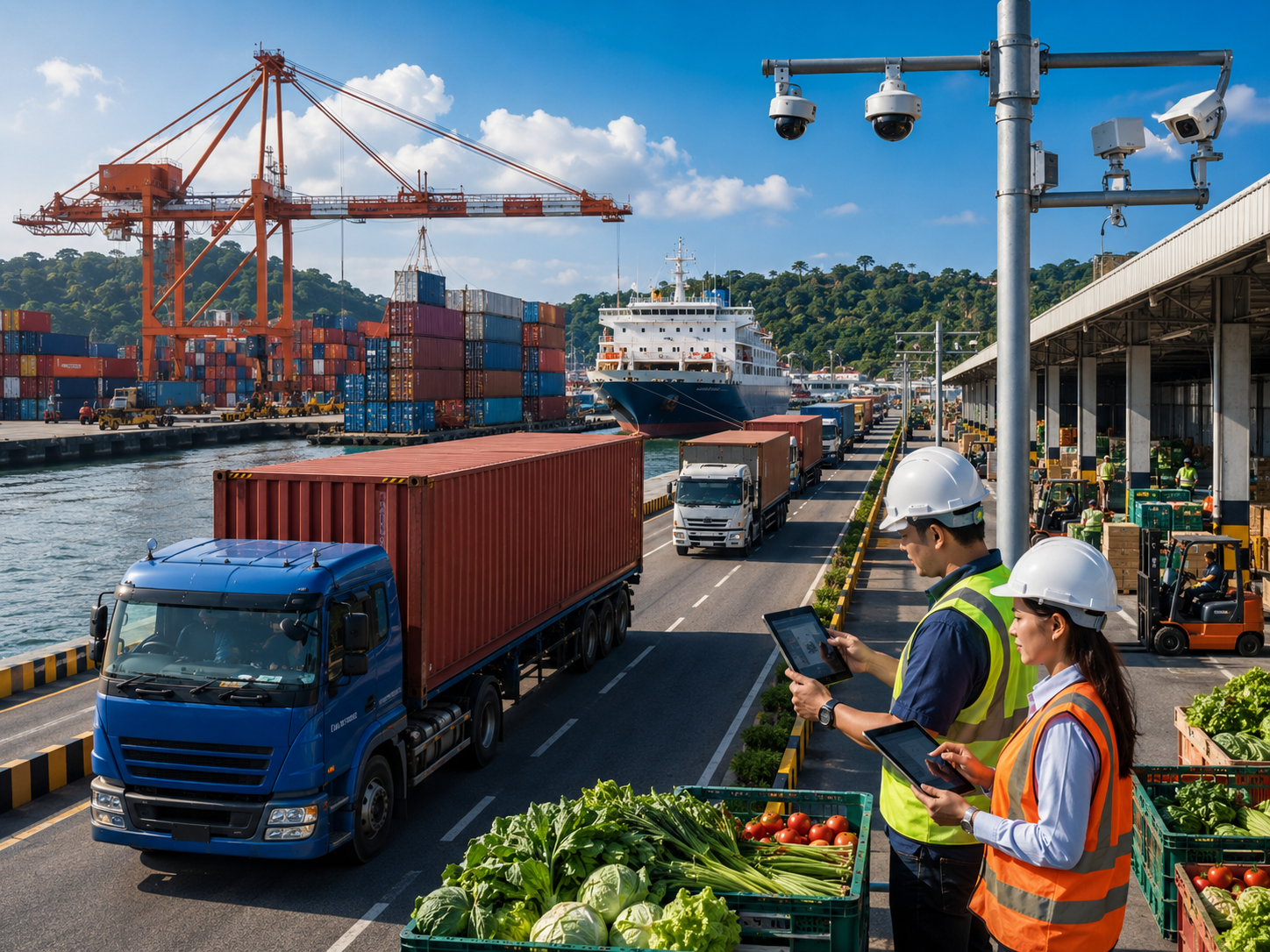
The transportation and logistics industry in the Philippines is undergoing a remarkable transformation, fueled by robust domestic consumption, the relentless expansion of digital commerce, and a historic infrastructure push. As an archipelago of over 7,600 islands, the country has long grappled with high logistics costs, but 2026 marks a turning point where strategic investments are beginning to reconfigure the entire supply chain ecosystem.
Market Size and Macroeconomic Catalysts
According to a Mordor Intelligence report updated in 2026, the Philippines freight and logistics market is projected to grow at a compound annual growth rate (CAGR) of 8.5% from 2026 to 2031. This expansion is anchored on a young, tech-savvy population exceeding 115 million and GDP growth forecasts hovering above 6%. Consumer spending, which accounts for roughly 70% of the economy, directly feeds demand for faster last-mile delivery, modern warehousing, and cold chain capabilities. [Link: https://www.mordorintelligence.com/industry-reports/philippines-freight-and-logistics-market]
Infrastructure Overhaul: Build Better More
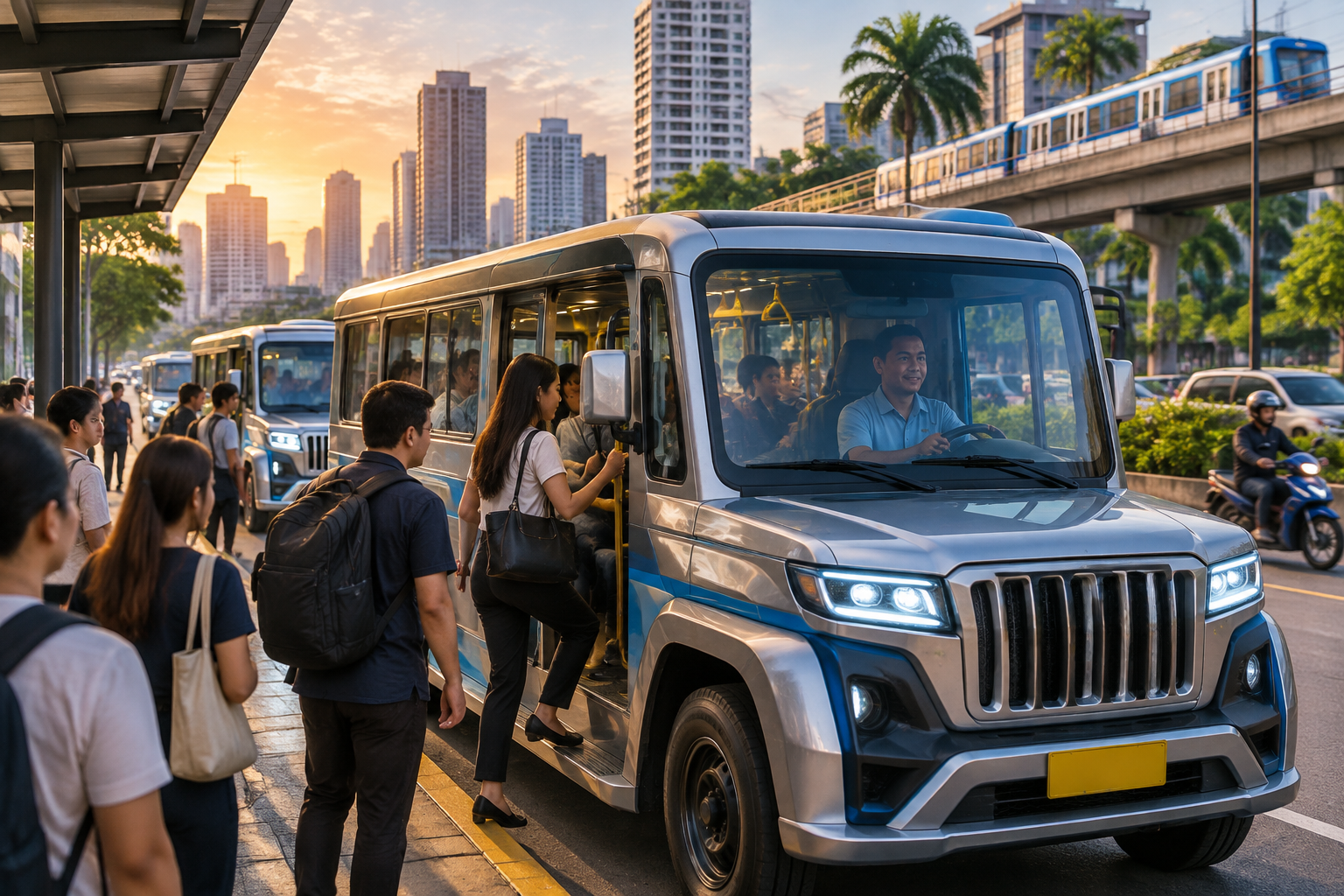
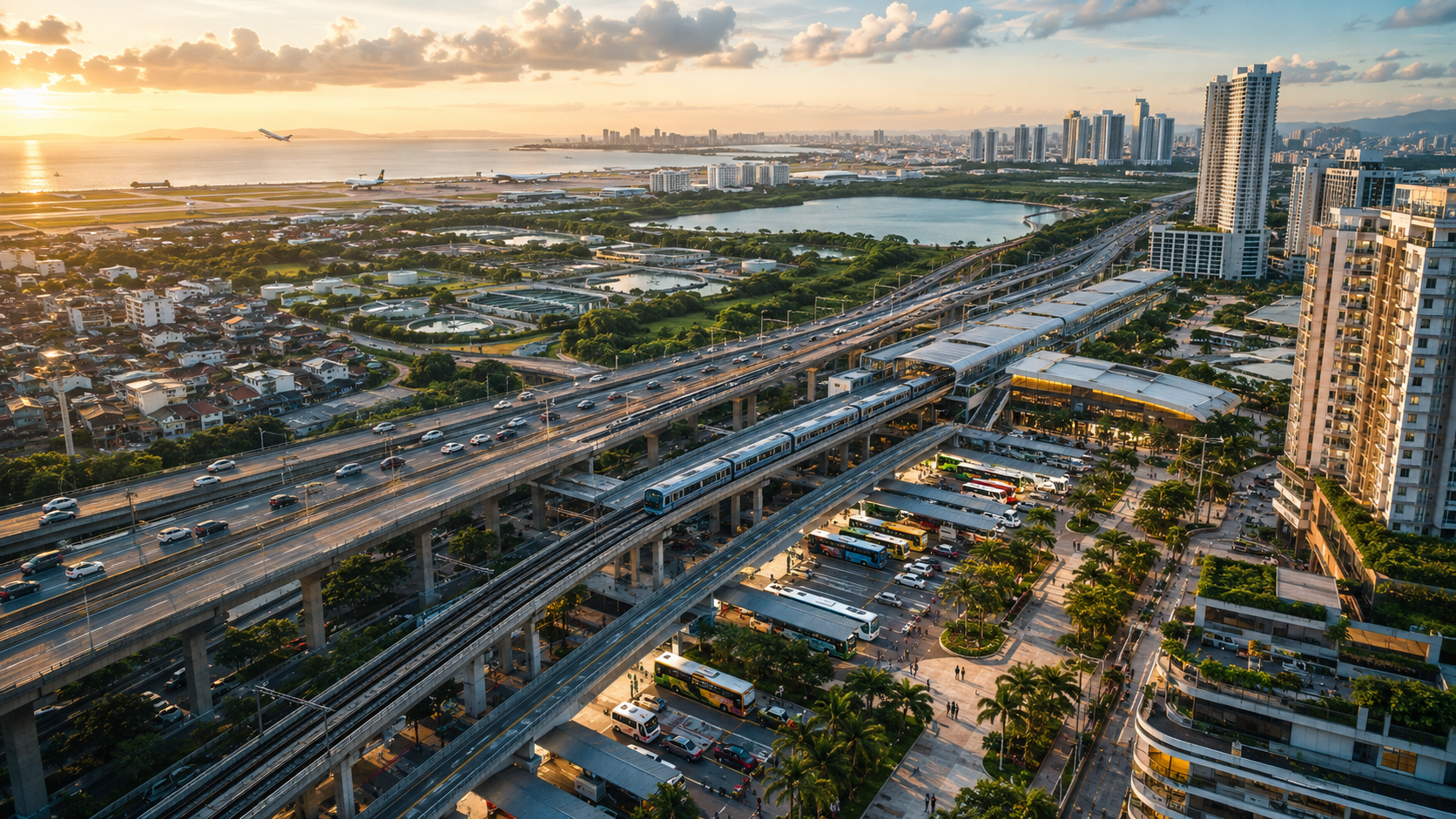
The government’s “Build Better More” program is the backbone of this logistics renaissance. Flagship projects like the North-South Commuter Railway, the Metro Manila Subway, and the New Manila International Airport in Bulacan are radically compressing travel times. The Department of Transportation (DOTr) has also pushed for the development of integrated logistics hubs outside Metro Manila, aiming to decongest the capital. Port modernization is equally critical; the Manila International Container Terminal and Batangas Port have undergone significant capacity upgrades, while the Cebu International Port now accommodates larger vessels, improving inter-island connectivity.
Key Companies Dominating the Landscape
The sector’s landscape is defined by a mix of conglomerate-backed giants and agile tech startups. 2GO Group, now firmly under the SM Investments umbrella, remains the country’s largest integrated logistics provider, offering shipping, freight forwarding, and express delivery. Its fleet expansion in early 2026, which included new roll-on/roll-off vessels, strengthened the crucial Manila-Visayas-Mindanao corridor. In the express and courier space, LBC Express, J&T Express, and Ninja Van engage in fierce competition, while DHL and Maersk continue to dominate international freight. The domestic shipping segment also sees stalwarts like Chelsea Logistics sustaining the flow of goods across islands.
E-Commerce as the Great Disruptor
The dramatic rise of Shopee, Lazada, and TikTok Shop has fundamentally altered warehousing needs. Developers like Filinvest Land and AyalaLand Logistics Holdings are racing to build multi-story fulfillment centers in strategic nodes like Laguna and Bulacan. This e-commerce boom has also propelled third-party logistics (3PL) players and digital freight platforms such as Transportify and Lalamove, which use AI for route optimization and real-time tracking.
Cold Chain and a Green Shift
The cold chain segment is witnessing explosive growth, driven by rising demand for fresh food delivery and pharmaceutical distribution. Startups like Mober, which operates an all-electric vehicle fleet, have attracted fresh funding in 2026. Mober’s partnership with IKEA Philippines for emission-free last-mile delivery illustrates how sustainability is becoming a competitive differentiator, pushing legacy providers to follow suit.
By bridging its archipelagic gap with technology and concrete, the Philippines is not just moving goods but accelerating its own economic trajectory, making its logistics sector one of the most dynamic in Southeast Asia.







Leave a Reply