

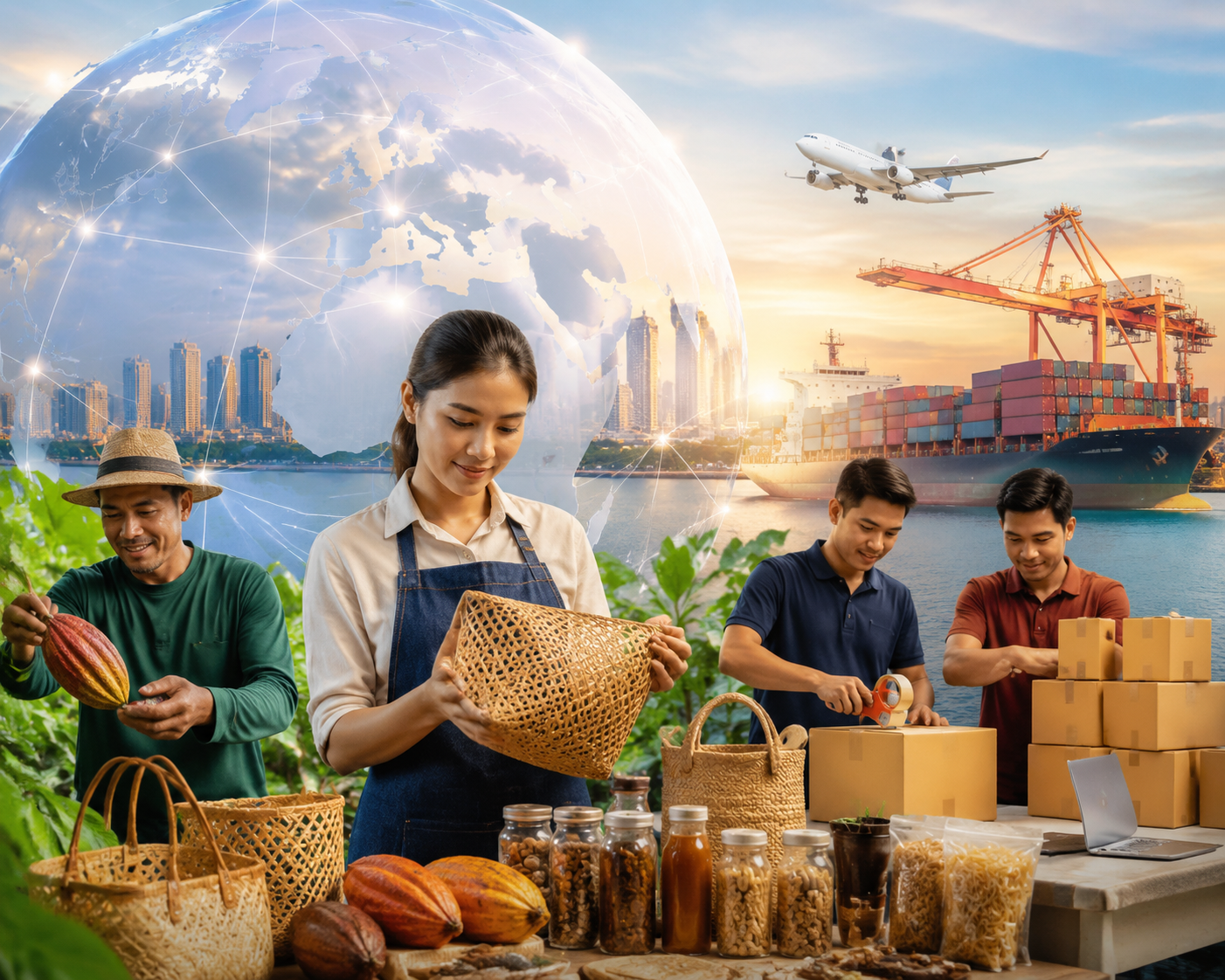
The Growing Importance of Government Support for Philippine MSMEs
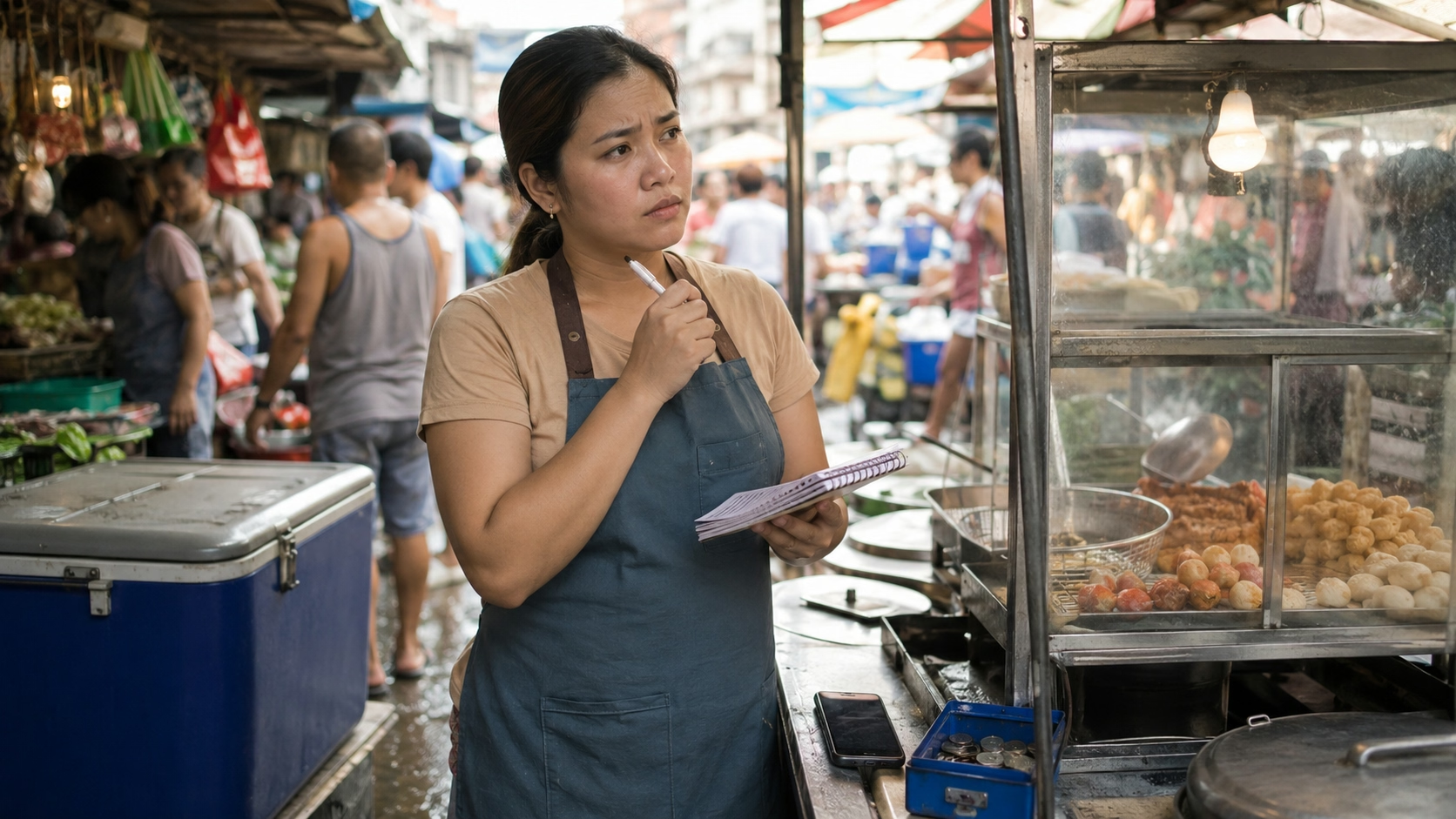
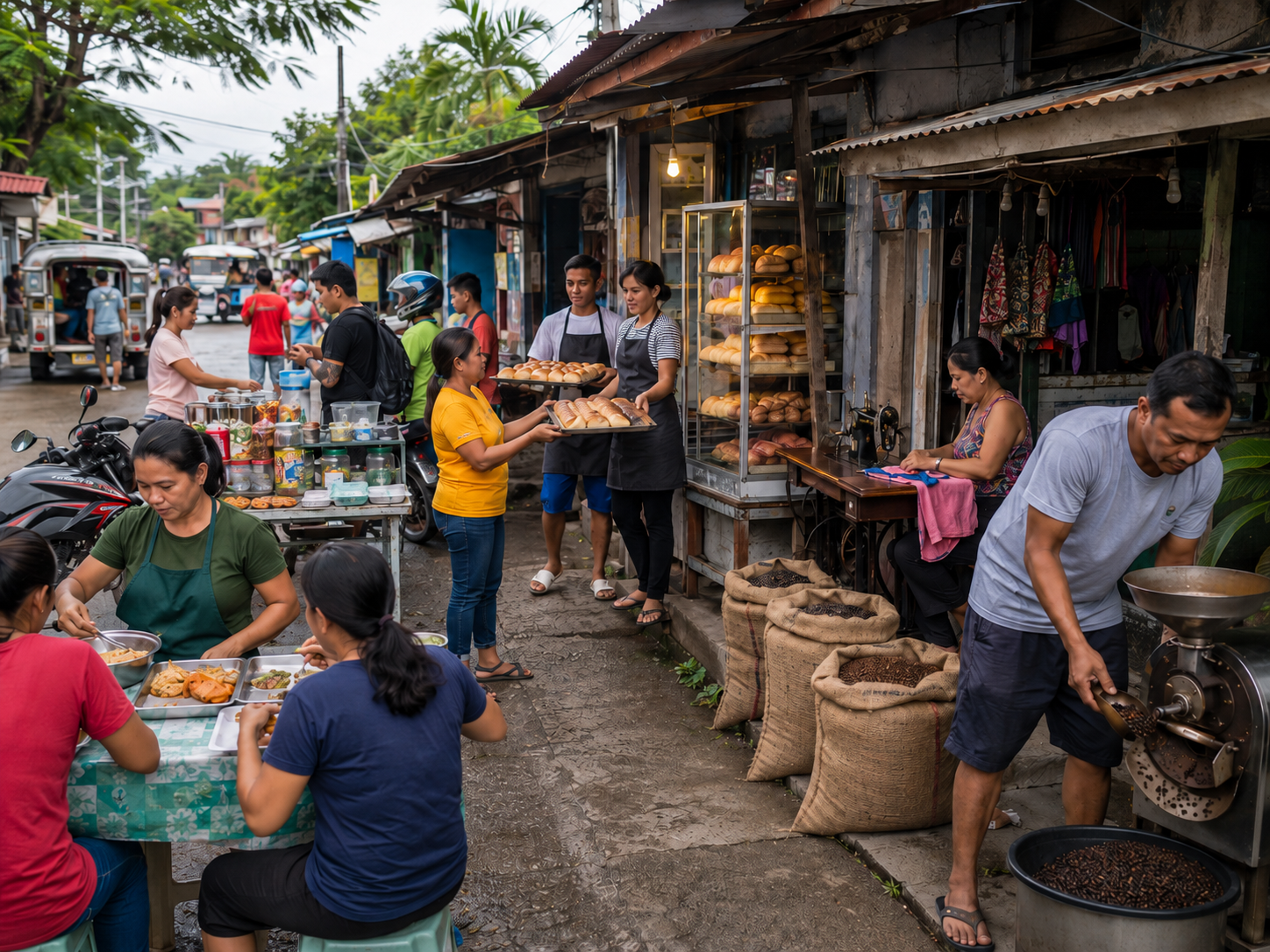
Micro, small, and medium enterprises (MSMEs) represent one of the most important foundations of the Philippine economy. These businesses provide employment opportunities, support local supply chains, and help communities develop economically. However, many MSMEs face challenges such as limited access to capital, weak digital capabilities, lack of market exposure, and difficulties competing with larger corporations.
To address these issues, local government units (LGUs) across the Philippines have increasingly strengthened partnerships with MSME owners through training programs, digital platforms, financial assistance, and market development initiatives.
The collaboration between government institutions and entrepreneurs has become a major strategy for creating more resilient local economies, especially after the economic disruptions caused by the COVID-19 pandemic.
According to the Philippine Statistics Authority (PSA), MSMEs account for more than 99% of registered businesses in the country and generate millions of jobs. Data source: https://psa.gov.ph
This significant contribution explains why government-led MSME programs have become a national priority.
Digital Transformation as a Result of Government-MSME Collaboration
One of the strongest impacts of government and MSME cooperation in the Philippines is the acceleration of digital transformation.
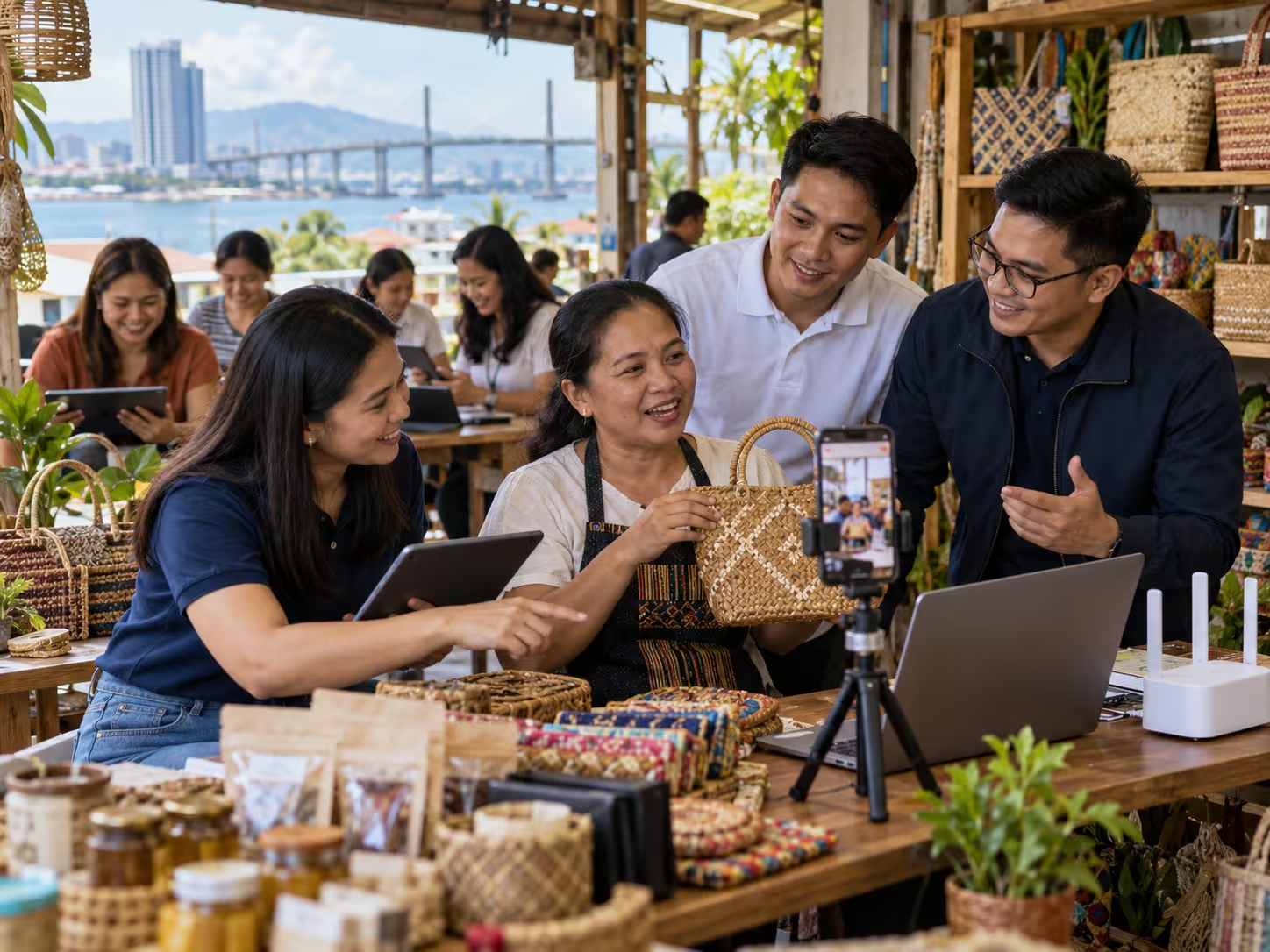
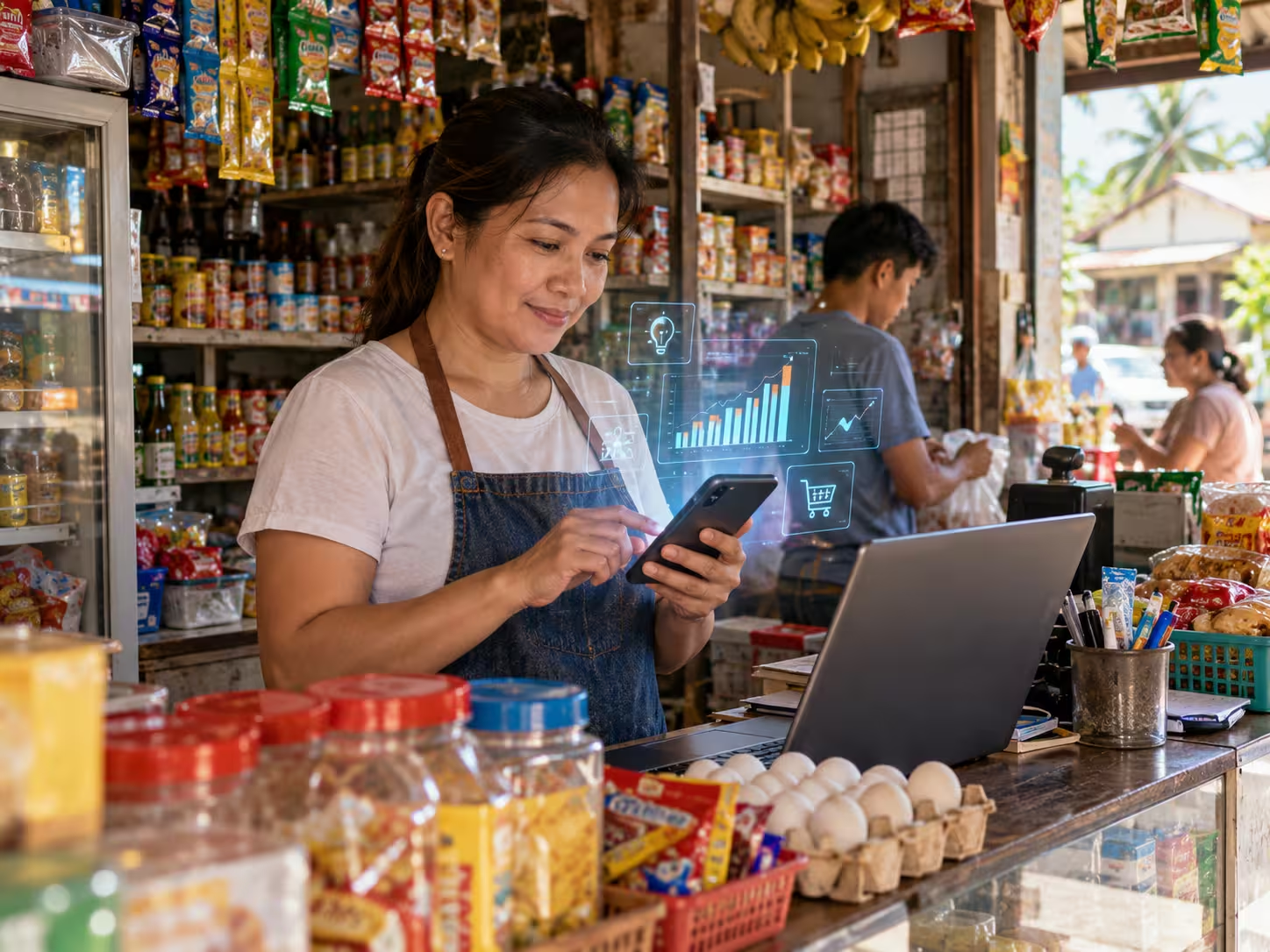
Many small businesses previously depended on traditional selling methods through physical stores and local markets. Through partnerships with government agencies such as the Department of Trade and Industry (DTI), entrepreneurs have gained access to digital marketing training, e-commerce opportunities, and online payment solutions.
Programs such as DTI’s Negosyo Centers provide business owners with consultation, entrepreneurship education, and assistance in improving their operations.
A practical example can be seen among small food producers in provinces such as Cebu, Iloilo, and Davao. Local governments have worked with MSMEs to promote locally produced goods through online marketplaces and regional trade events. These efforts allow small businesses to reach customers beyond their immediate communities.
Strengthening Local Supply Chains Through Public-Private Cooperation
Government collaboration with MSMEs also improves local supply chain development. When municipalities support local producers, they create stronger connections between farmers, manufacturers, retailers, and consumers.
For example, several Philippine cities have introduced local procurement programs that prioritize products made by community-based enterprises. This approach allows government institutions to become stable buyers while helping MSMEs achieve consistent revenue.
The partnership model creates a cycle of economic growth:
Supporting Local Producers
Small farmers, food processors, handicraft makers, and service providers receive greater opportunities to enter formal markets.
Expanding Business Opportunities
With government assistance, MSMEs can improve packaging, branding, quality standards, and business management skills.
Creating Community Employment
As local enterprises grow, they create additional jobs and encourage entrepreneurship among residents.
Real Impact on Community Economic Resilience
A key lesson from recent years is that strong cooperation between governments and MSMEs increases economic resilience.
During periods of economic uncertainty, small businesses are often the most vulnerable because they have fewer financial resources. However, communities with active government support systems have demonstrated stronger recovery capabilities.
Local government programs that provide business training, financial guidance, and market access help entrepreneurs adapt faster to changing consumer behavior.
The Philippine experience shows that MSME development is not only about supporting individual businesses but also about building stronger communities.
Future Opportunities for Philippine MSME Partnerships
Moving forward, collaboration between local governments and MSMEs will likely focus on sustainability, digital innovation, and global market expansion.
Future programs can prioritize artificial intelligence tools, online business management systems, green entrepreneurship, and international trade opportunities.
The continuing partnership between government institutions and entrepreneurs demonstrates that economic growth becomes more inclusive when small businesses receive the necessary support to compete and innovate.








Leave a Reply