

A New Corporate Race in Philippine Clean Energy
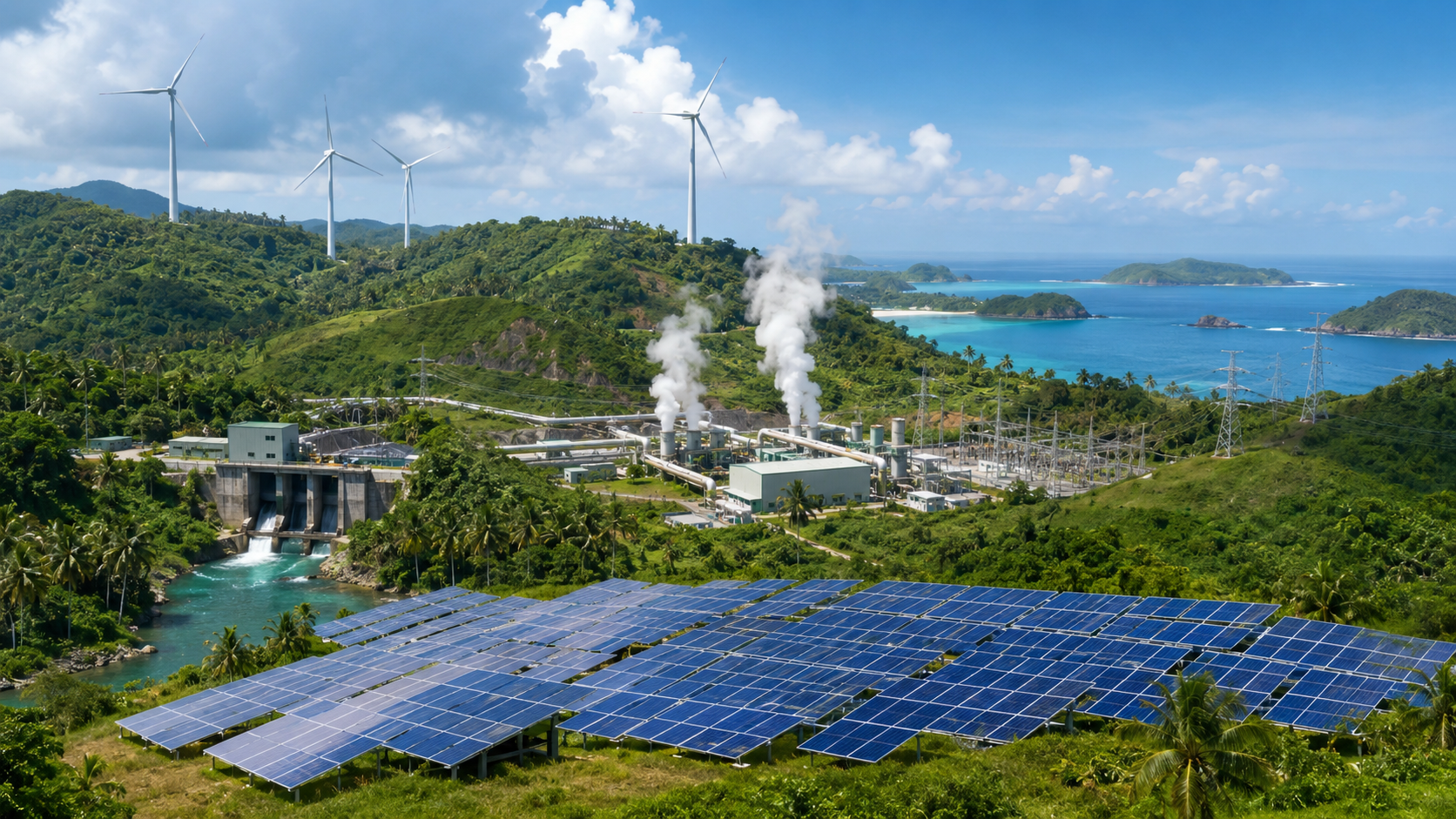
The Philippines is becoming one of Southeast Asia’s most closely watched renewable energy markets, not only because of government targets but also because private companies are moving faster than ever. Firms such as ACEN, AboitizPower, Energy Development Corporation, Solar Philippines, Citicore Renewable Energy Corporation, and Alternergy are reshaping the country’s power landscape through solar farms, wind projects, geothermal plants, battery-ready facilities, and hybrid energy platforms.
This corporate push is happening against a real and urgent backdrop. The Philippines remains exposed to imported fuel prices, grid instability in some regions, and rising electricity demand from cities, industry, and digital infrastructure. The Department of Energy has promoted a target of increasing renewable energy’s share in the power generation mix to 35% by 2030 and 50% by 2040, a policy direction outlined on the DOE renewable energy portal.
ACEN’s Regional Ambition Starts at Home
ACEN, the energy platform of the Ayala Group, has become one of the most visible renewable energy companies connected to the Philippines. Its strategy combines domestic solar and wind development with regional expansion across Asia-Pacific. In the Philippine market, ACEN’s importance lies not only in building projects but also in proving that a local company can compete in the global clean energy sector.
Its solar and wind portfolio reflects a shift from traditional power expansion to climate-aligned growth. For investors, ACEN represents a Philippine corporate story tied to ESG capital, long-term electricity demand, and the rising competitiveness of renewable power.
AboitizPower Balances Scale and Transition
AboitizPower is another major player, especially because it operates across different energy sources and has been increasing its renewable energy capacity. The company’s transition strategy matters because large utilities carry the difficult responsibility of balancing reliability, affordability, and decarbonization.
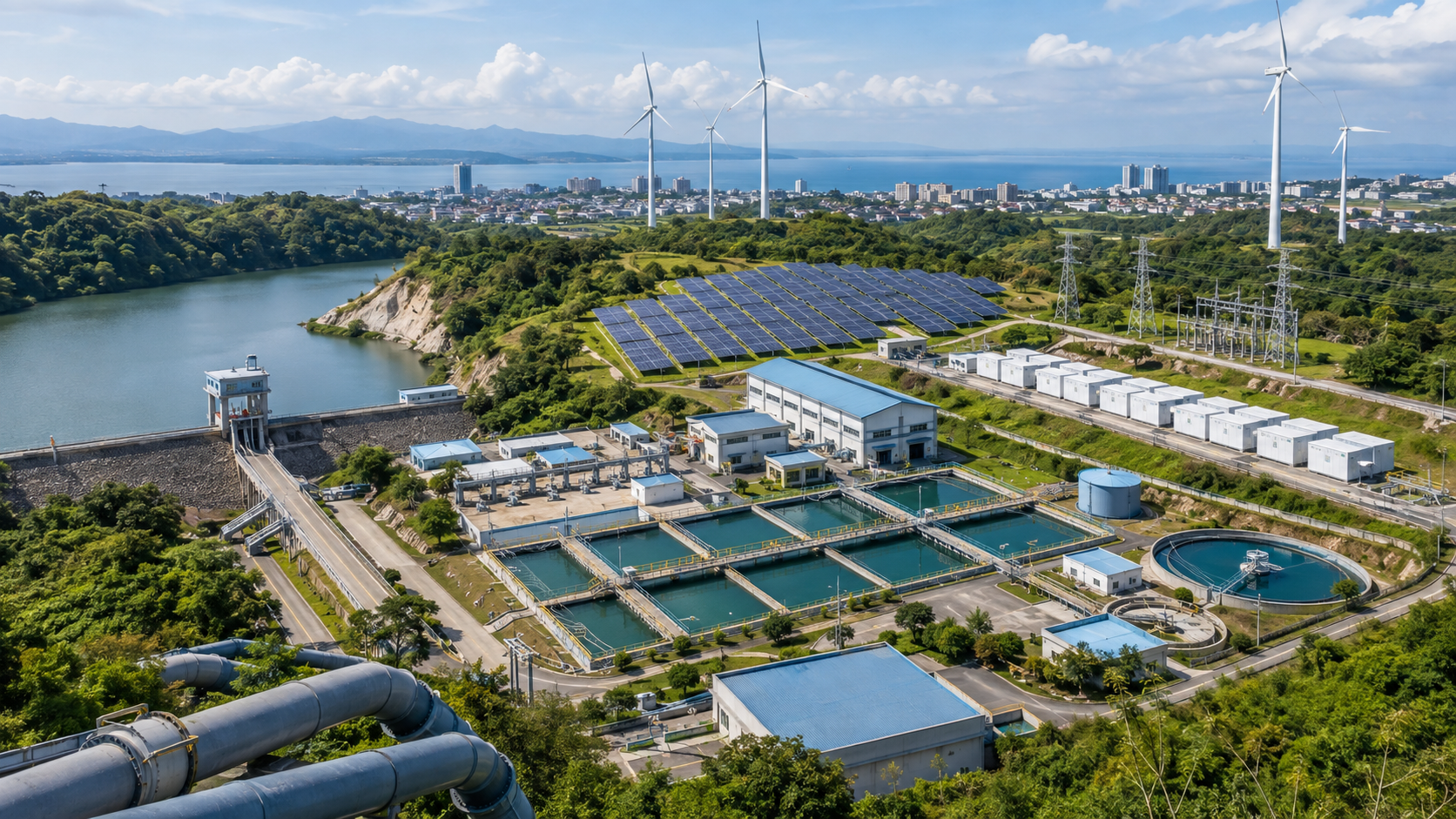
Its hydro, geothermal, and solar interests show how established power producers are adapting to policy and market pressure. In a country where energy security is as important as emissions reduction, AboitizPower’s role is less about abandoning legacy systems overnight and more about expanding cleaner generation while keeping the grid supplied.
Geothermal Strength Gives the Philippines a Unique Edge
Energy Development Corporation, part of the First Gen group, gives the Philippines a competitive advantage that many countries do not have: decades of geothermal expertise. Geothermal energy is especially valuable because it can provide stable baseload power, unlike solar and wind, which depend on weather conditions.
That makes EDC’s role strategic. As the country adds more variable renewable energy, geothermal plants can support grid stability while reducing dependence on imported fossil fuels. This is one of the reasons geothermal remains central to the Philippine clean energy conversation.
Solar Specialists Are Changing the Cost Equation
Solar Philippines and Citicore Renewable Energy Corporation have helped make large-scale solar more visible to policymakers, investors, and consumers. Their projects highlight how falling solar technology costs can unlock power generation across provinces with high sunlight exposure.
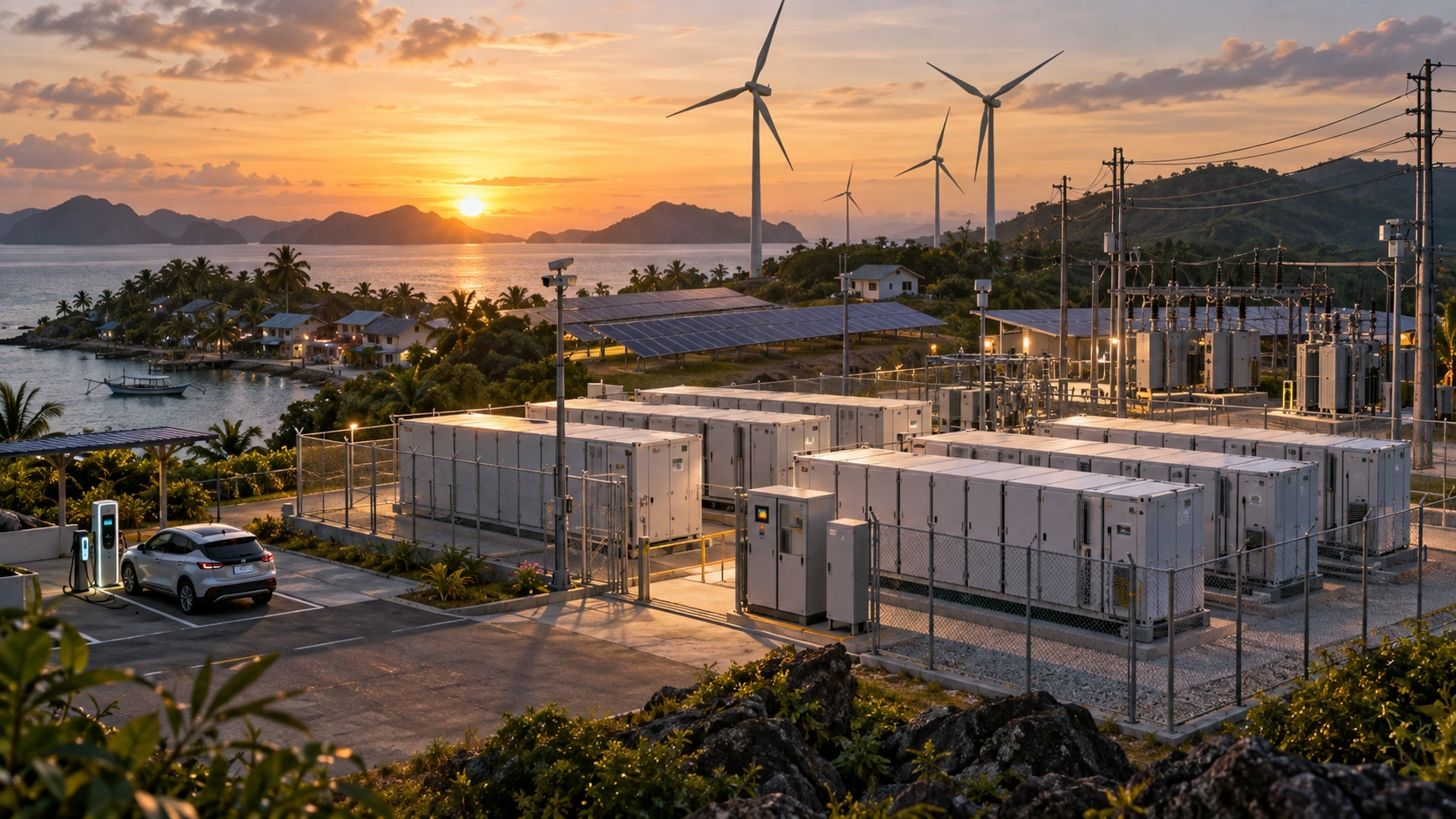
The most interesting development is not just the construction of solar farms but the emergence of business models built around land aggregation, merchant power, corporate power supply agreements, and future storage integration.
Why These Companies Matter Now
The innovation happening in the Philippine renewable energy sector is not limited to technology. It includes financing, project development, land use, community engagement, and grid integration. These companies are building the foundation for a cleaner power system in a country where energy demand will likely keep rising.
For the Philippines, renewable energy is no longer a side industry. It is becoming a national competitiveness issue, a climate strategy, and a long-term business opportunity at the same time.











Leave a Reply