


Starting a business at a young age in the Philippines is both exciting and difficult. Many young entrepreneurs are driven by passion, creativity, and the dream of financial independence. However, turning an idea into a functioning business often requires more than motivation. It demands patience, strategic thinking, and the ability to overcome practical barriers.
One of the most common challenges is limited access to capital. Many young people do not have enough savings to launch a business, and banks are often hesitant to approve loans for founders without collateral, credit history, or a proven business record. This makes it hard to pay for inventory, equipment, marketing, and daily operations. A practical solution is to begin with a small and manageable model. Instead of launching a large physical store, a young founder can start with online selling, made-to-order services, or a home-based operation. This reduces overhead costs and allows the entrepreneur to test demand before expanding. Small business grants, cooperative lending, and government-backed programs can also help bridge funding gaps.
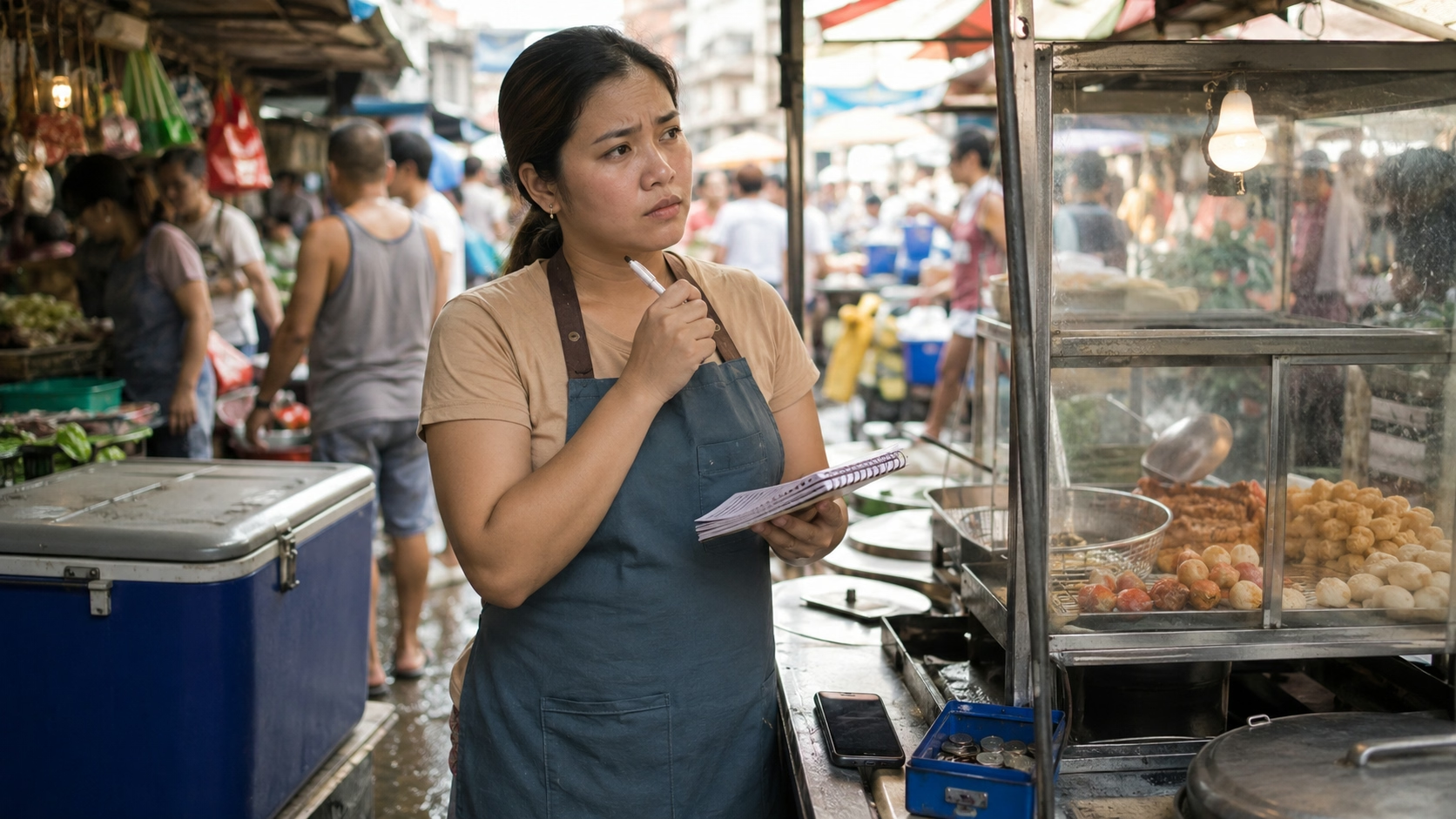
Another major issue is lack of business experience. Many first-time entrepreneurs know their product well but struggle with pricing, financial management, customer retention, and legal requirements. In the Philippines, registration processes, tax compliance, and permit applications can feel overwhelming, especially for young founders doing everything alone. The best response to this problem is continuous learning. Entrepreneurs can attend webinars, join startup communities, study free business materials online, or seek mentorship from experienced business owners. Practical knowledge often makes the difference between a business that survives and one that closes early.
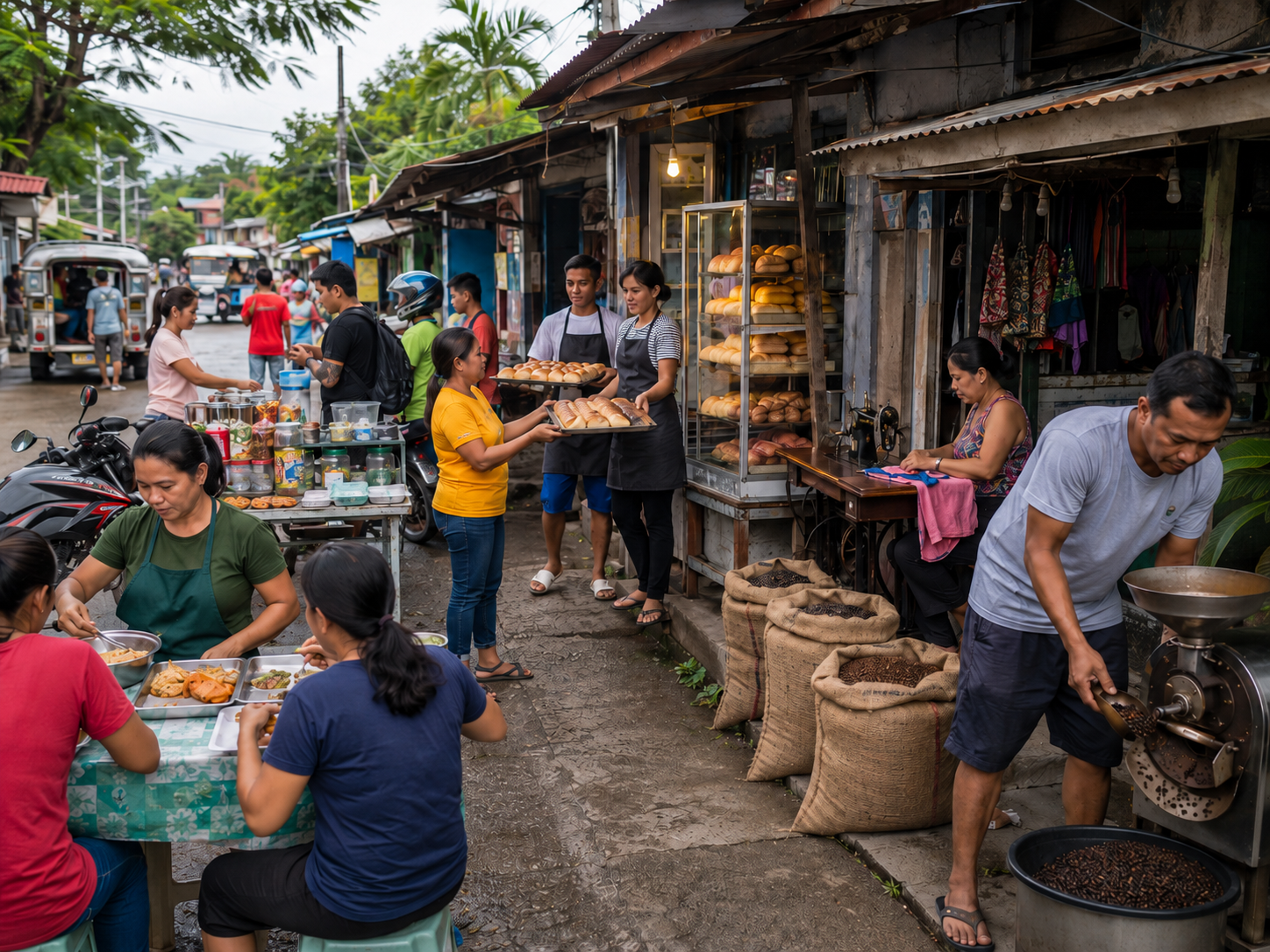
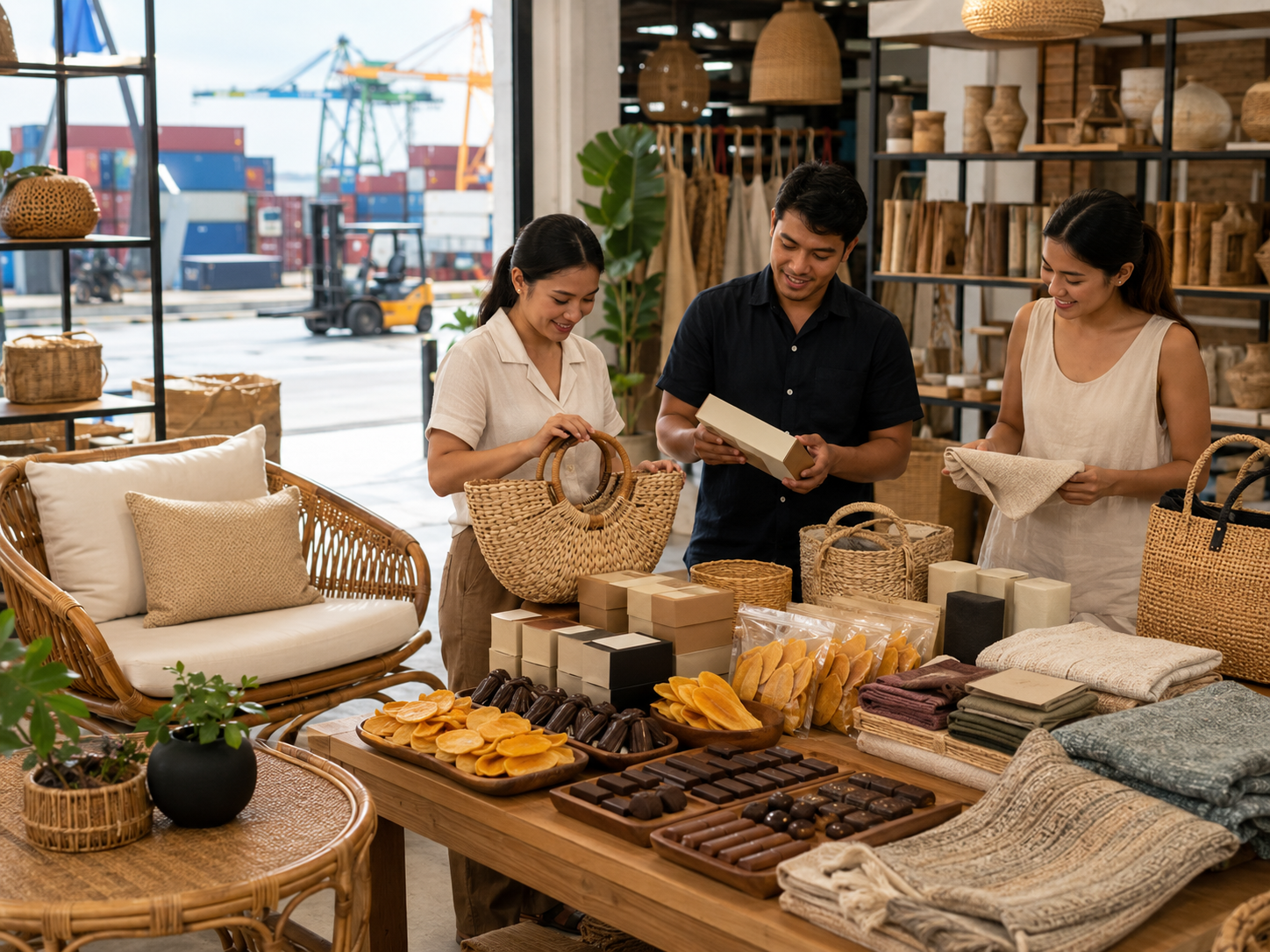
Market competition is also intense. Young entrepreneurs are not only competing with businesses in their local area, but also with larger brands and online sellers offering cheaper alternatives. This can make it difficult to stand out. A strong solution is differentiation. Instead of trying to compete only on price, young business owners can focus on product quality, customer experience, unique branding, or serving a niche audience. For example, a local food startup may gain loyal customers by highlighting authentic regional flavors or eco-friendly packaging. A clothing brand may attract attention by promoting Filipino-made materials and cultural identity.
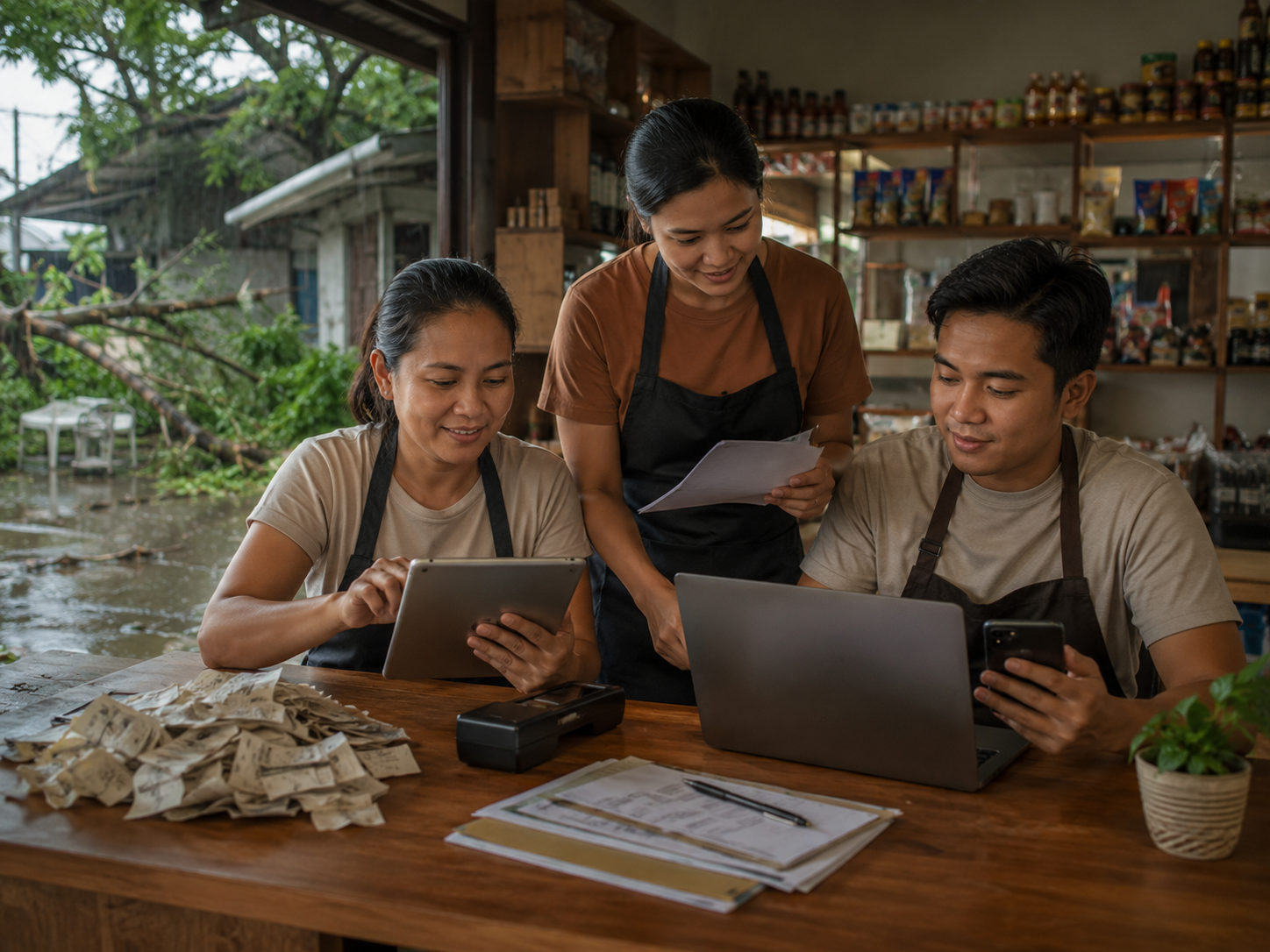
Digital visibility has become essential, yet many young entrepreneurs underestimate the importance of marketing. Having a good product is not enough if people do not know it exists. Social media, content creation, and online customer engagement are especially important in the Philippine market, where digital platforms heavily influence buying behavior. A clear and affordable solution is to learn basic digital marketing skills. Posting consistently, creating useful content, responding quickly to customers, and encouraging reviews can help build trust. Entrepreneurs do not always need a large advertising budget; they need consistency and a strong understanding of their audience.
Another challenge is emotional pressure. Building a business from zero often means dealing with uncertainty, slow growth, criticism, and failure. Young entrepreneurs may feel discouraged when sales are inconsistent or when family members doubt their decision. This is where resilience becomes vital. It helps to set realistic goals, track progress in small steps, and view mistakes as lessons instead of personal defeats. Support systems such as peer groups, mentors, and entrepreneurial communities can also reduce isolation.
The Philippine business environment offers real opportunities for young entrepreneurs, especially in food, retail, services, technology, and online commerce. While the road is rarely easy, success becomes more achievable when young founders combine creativity with discipline, learning, adaptability, and persistence. Starting small, using digital tools wisely, and staying committed to long-term growth can turn a simple idea into a sustainable enterprise.









Leave a Reply