


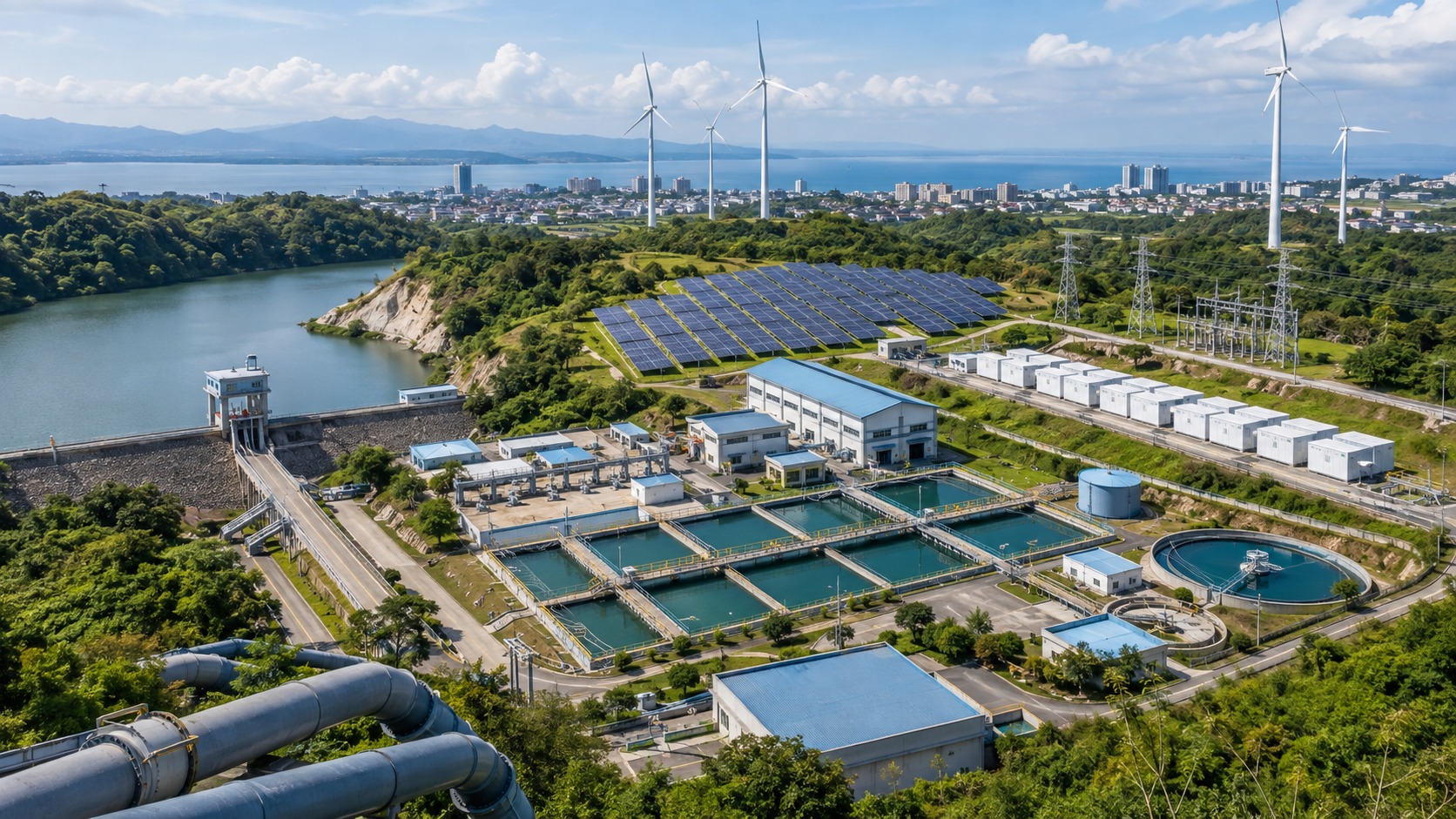
In recent years, the Philippines has seen a surge in infrastructure development, largely due to the collaborative efforts between the government and private companies. This partnership is crucial for addressing the country’s growing infrastructure needs, which are necessary for fostering economic growth and improving public services. The Philippine government, through various agencies, has been working hand-in-hand with both local and foreign private companies to develop large-scale projects in sectors such as transportation, energy, and utilities.
One of the most prominent examples of public-private collaboration in the Philippines is the “Build, Build, Build” program, initiated by the Duterte administration. This program aims to improve the country’s infrastructure significantly by constructing new roads, bridges, airports, and mass transit systems. Through the collaboration with private enterprises, the government has been able to fast-track these projects without solely relying on public funds, which can be limited.
Private companies play a vital role in financing and executing these projects. The government often enters into Public-Private Partnerships (PPPs) with these companies, where both parties share the risks, costs, and rewards. The private sector typically provides the capital and expertise, while the government ensures regulatory support and access to necessary land or resources. Such arrangements have led to the successful development of many critical infrastructure projects in the country, such as the NAIA Expressway, the Mactan-Cebu International Airport terminal, and the MRT-7 mass transit project in Metro Manila.
These collaborations benefit both parties. For the government, working with private firms accelerates the completion of projects and mitigates the financial burden on the public sector. For private companies, these projects offer substantial returns on investment and provide a stable business environment. Moreover, these ventures create thousands of jobs and improve the overall quality of life for the population.
Despite the successes, challenges remain in public-private partnerships in the Philippines. Regulatory delays, bureaucratic hurdles, and occasional political instability can hamper project timelines. However, the ongoing commitment to infrastructure development and the increasing recognition of the importance of public-private partnerships signal a positive outlook for the future.
In conclusion, the partnership between private companies and the Philippine government is essential for the country’s infrastructure growth. Through continued collaboration, the nation can expect to see further advancements in transportation, energy, and utilities, ultimately contributing to economic progress and better living standards for Filipinos.












Leave a Reply