
The banking sector in the Philippines is a critical component of the nation’s economy, facilitating transactions, fostering investments, and ensuring financial stability. Over the years, the Philippine government has implemented a series of regulations and policies to safeguard the financial system and maintain investor confidence. However, these regulations also have a significant impact on businesses operating within the country. Understanding these policies and their effects is crucial for business owners, entrepreneurs, and foreign investors looking to thrive in the Philippine market.
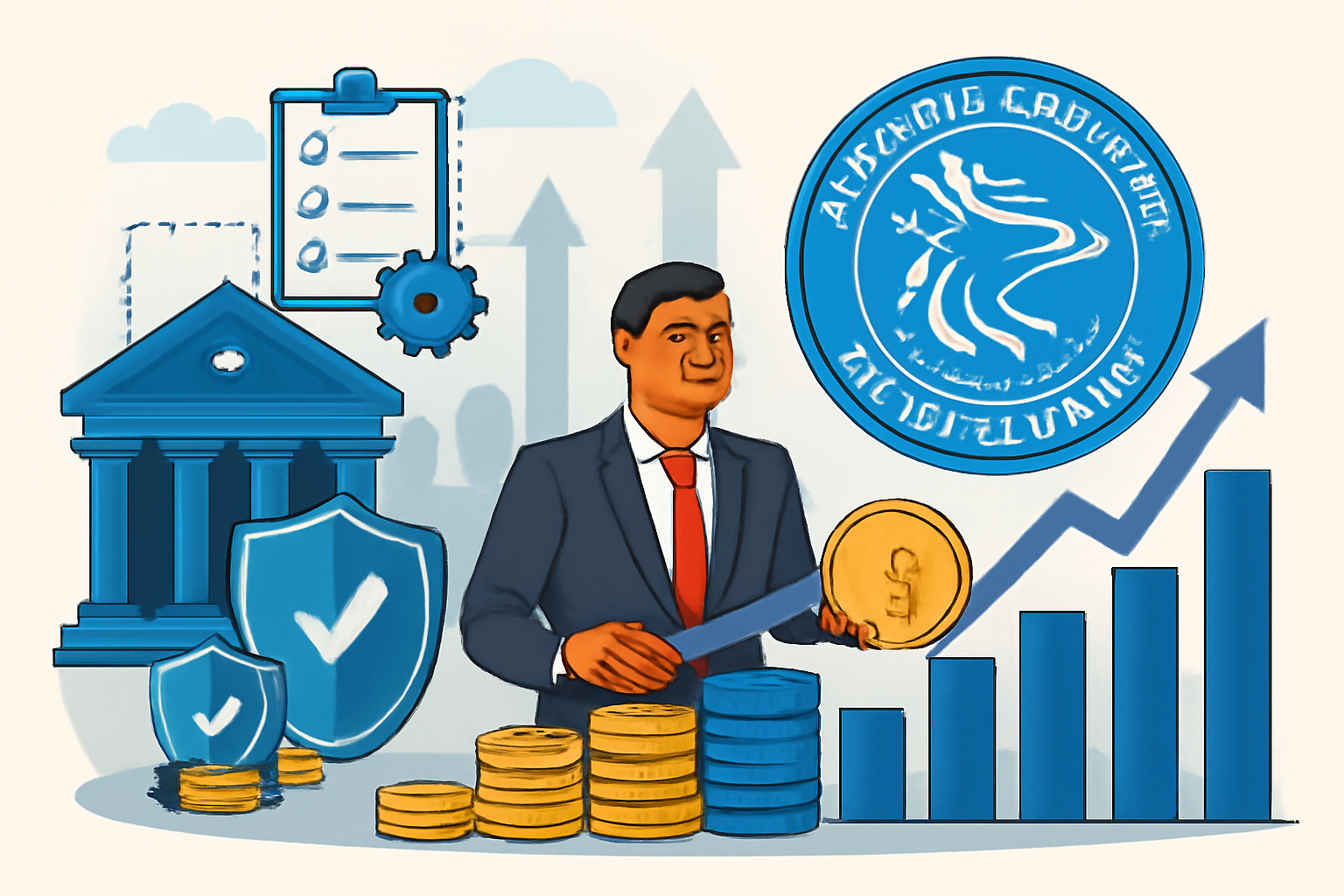
One of the primary regulatory bodies overseeing the Philippine banking system is the Bangko Sentral ng Pilipinas (BSP). The BSP ensures that the financial sector adheres to prudential standards, promotes financial inclusion, and maintains the stability of the monetary system. Among its key regulations are those related to capital adequacy, liquidity, and risk management, which are intended to mitigate risks within the banking sector.
For businesses, these regulations often translate into stricter lending policies and increased costs. Banks, required to maintain higher capital reserves and lower exposure to high-risk assets, may be less inclined to lend to small and medium-sized enterprises (SMEs) or startups. Consequently, businesses might face challenges in obtaining financing for expansion, operations, or capital investment.
Moreover, businesses with international exposure need to navigate complex foreign exchange controls and anti-money laundering (AML) regulations. While these policies aim to protect against illegal financial activities, they can also create administrative hurdles for businesses engaged in cross-border trade or investment. The requirement for businesses to comply with stringent AML regulations can increase operational costs and administrative burdens.
Additionally, regulations governing interest rates play a significant role in shaping the business environment in the Philippines. The BSP sets the benchmark rates for borrowing, which directly influences the interest rates charged by commercial banks. When interest rates are high, borrowing costs increase, putting additional strain on businesses relying on loans for capital. On the other hand, when rates are low, businesses may find it easier to access credit but may also face lower returns on savings and investments.
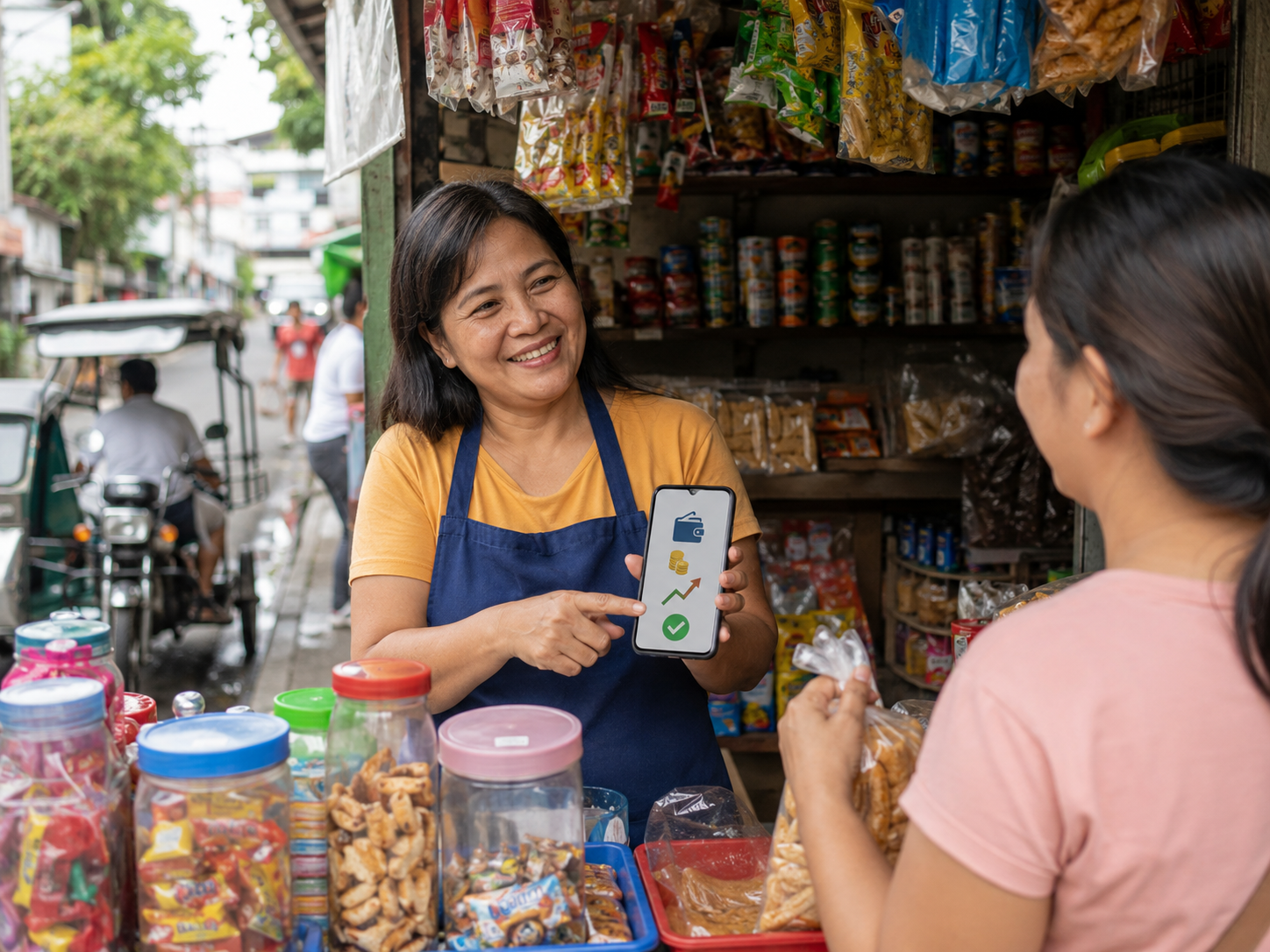
Furthermore, the Philippine government has introduced measures aimed at enhancing financial literacy and access to banking services for underserved communities. For businesses operating in rural or remote areas, this is particularly important as it opens up new markets and customer segments. With the government’s push to expand digital banking services, businesses can also leverage technology to improve financial inclusion and streamline their financial operations.
Despite the challenges, the regulatory environment in the Philippines also offers opportunities for businesses to grow and thrive. For instance, tax incentives and favorable policies for foreign investments can provide businesses with a competitive advantage. The Philippine government has also been proactive in modernizing the banking sector, adopting digital banking technologies, and introducing policies that align with global financial standards.
Understanding and adapting to the regulatory landscape in the Philippines is essential for businesses to succeed. By staying informed about the changes in banking regulations, businesses can better navigate the challenges and capitalize on the opportunities presented by the evolving financial sector.