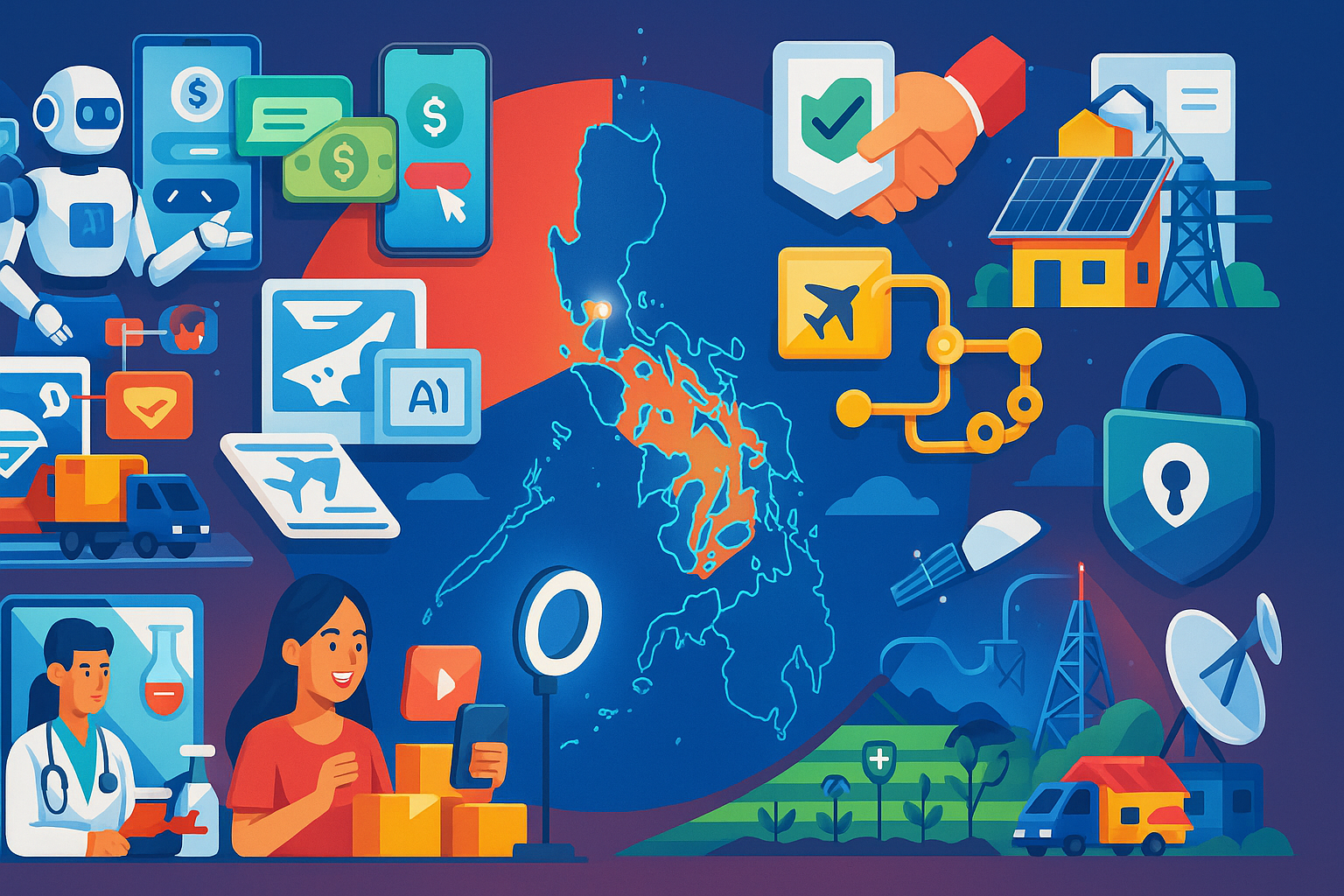

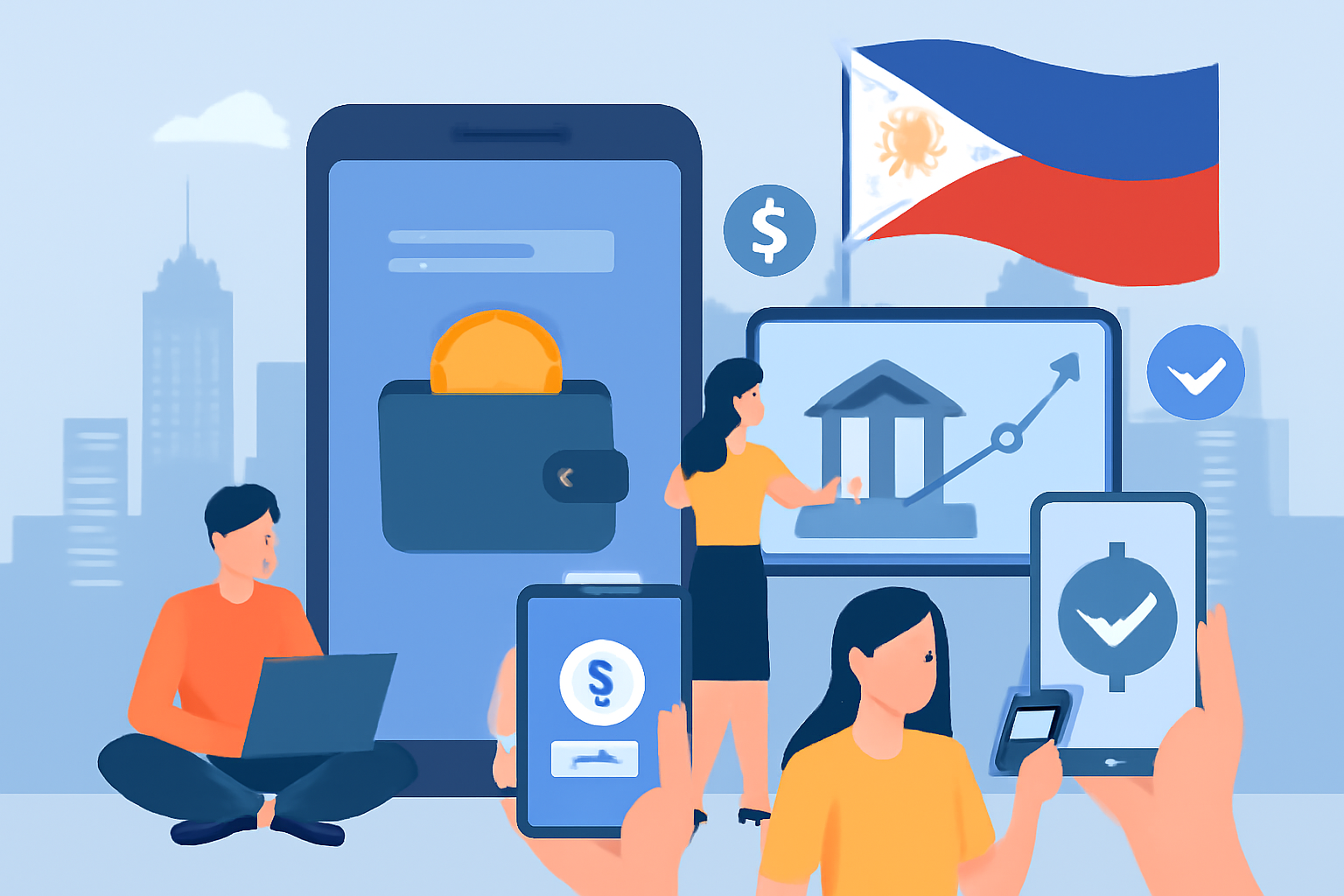
In recent years, the Philippines has emerged as one of the most dynamic markets for fintech startups in Southeast Asia. With the country’s growing digital landscape, a rising middle class, and increasing smartphone penetration, the Philippines presents a fertile ground for financial technology innovations. Fintech startups are helping redefine how Filipinos access financial services, making banking, payments, lending, insurance, and investments more accessible, efficient, and affordable.
One of the main driving forces behind the fintech revolution in the Philippines is the nation’s relatively low financial inclusion rate. According to the World Bank, about 70% of Filipino adults do not have access to formal financial services, making it difficult for them to save, borrow, or invest. This gap presents a huge opportunity for fintech startups to introduce digital solutions that cater to the underbanked and unbanked population, driving financial inclusion across the country.
A significant number of fintech companies in the Philippines have been focused on mobile payments. Platforms such as GCash and PayMaya have become household names in the Philippines, allowing users to transfer money, pay bills, purchase goods, and even save and invest—all from their smartphones. These apps have expanded their offerings, integrating features such as QR code payments, contactless transactions, and even microloans. By making these services accessible to people in both urban and rural areas, these fintech solutions have successfully addressed the issue of financial inclusion.
Lending is another area where fintech startups in the Philippines are making an impact. Companies like First Circle and FinScore have developed innovative models to provide loans to small businesses and individuals who might otherwise be unable to access traditional credit. By using alternative data points—such as transaction history, mobile phone usage, and social media activity—these startups are able to offer credit to borrowers with limited or no credit history, thereby fostering financial growth and entrepreneurship.
In addition to payments and lending, the insurance sector in the Philippines has also seen a surge in digital transformation. Insurtech companies like Coherent and The Spark Project are bringing affordable and accessible insurance products to the market. By leveraging technology to simplify the underwriting process and reduce operational costs, these companies are able to offer flexible and low-cost insurance products to a wider audience.
The Philippine government has also played a supportive role in nurturing fintech innovation. The Bangko Sentral ng Pilipinas (BSP) has introduced initiatives such as the National Retail Payment System (NRPS) to enhance digital payments and improve the country’s financial infrastructure. Additionally, the government has been working on increasing financial literacy, promoting digital banking, and addressing regulatory challenges that could impede the growth of fintech startups.
However, while the potential for fintech startups in the Philippines is enormous, the industry still faces challenges. Issues related to cybersecurity, digital literacy, and regulatory frameworks need to be addressed to ensure the long-term success and sustainability of these digital financial solutions. Startups must also compete with traditional banks and large corporations that are increasingly entering the fintech space, creating a competitive environment that requires constant innovation.
Despite these challenges, the outlook for fintech in the Philippines remains bright. The rapid growth of mobile internet access, along with a youthful and tech-savvy population, presents a unique opportunity for the fintech sector to continue to evolve and expand. With ongoing support from both the public and private sectors, fintech startups in the Philippines are poised to revolutionize the way Filipinos manage their finances and access financial services.