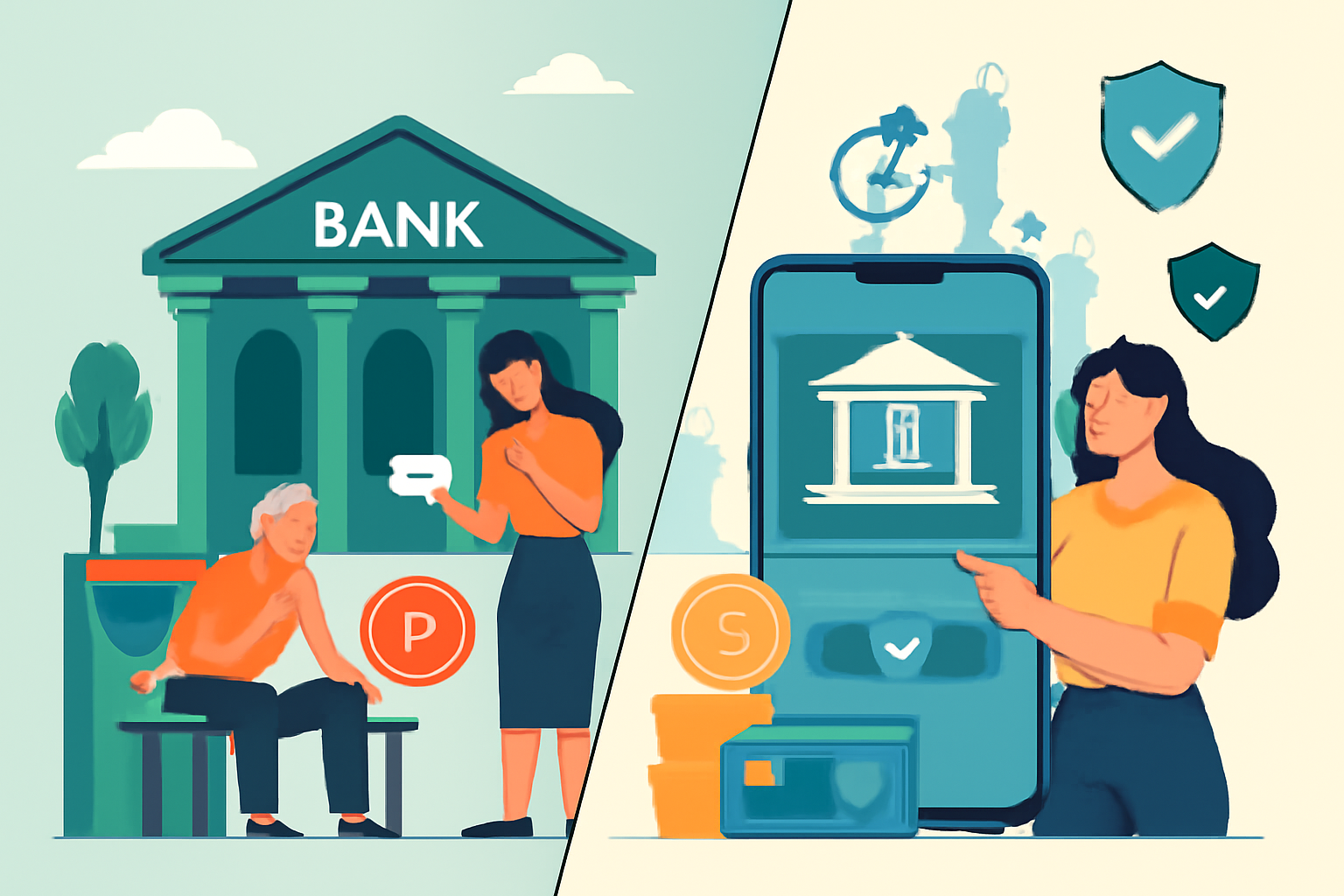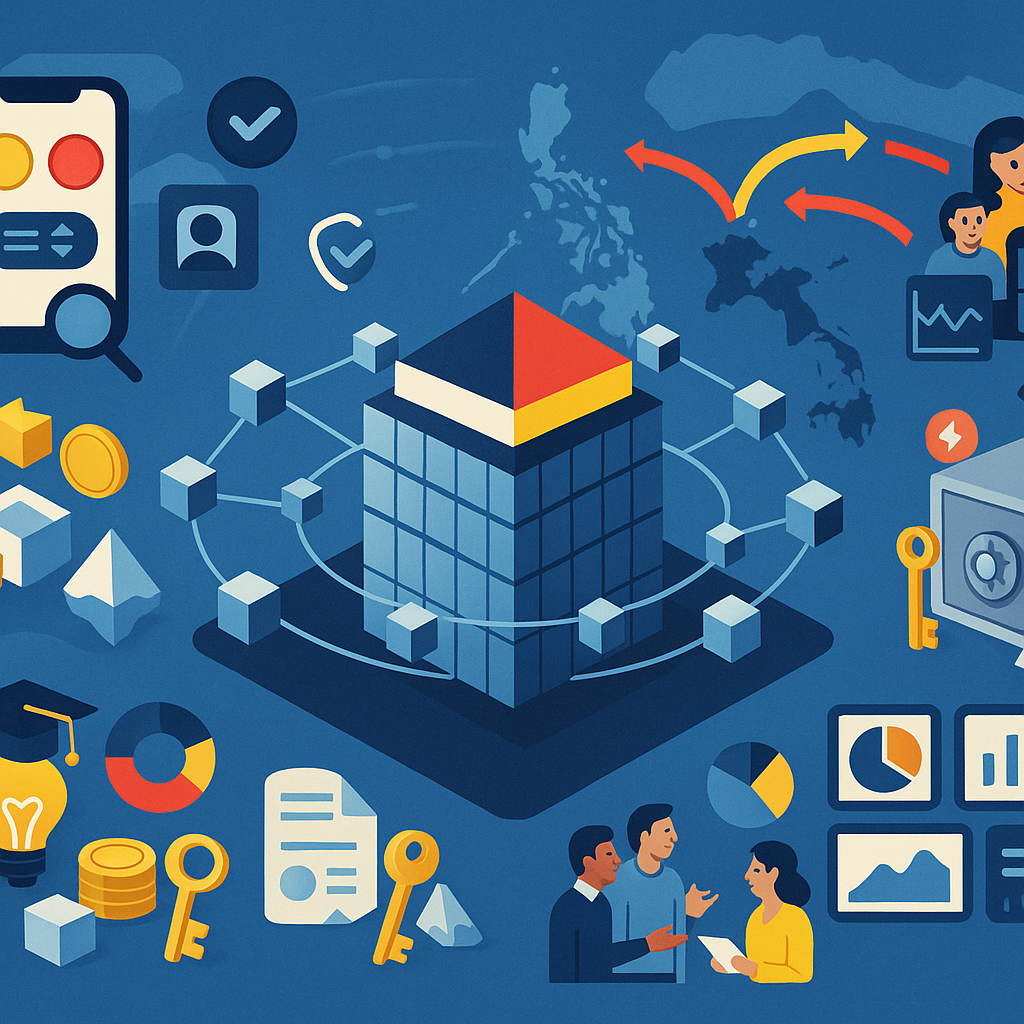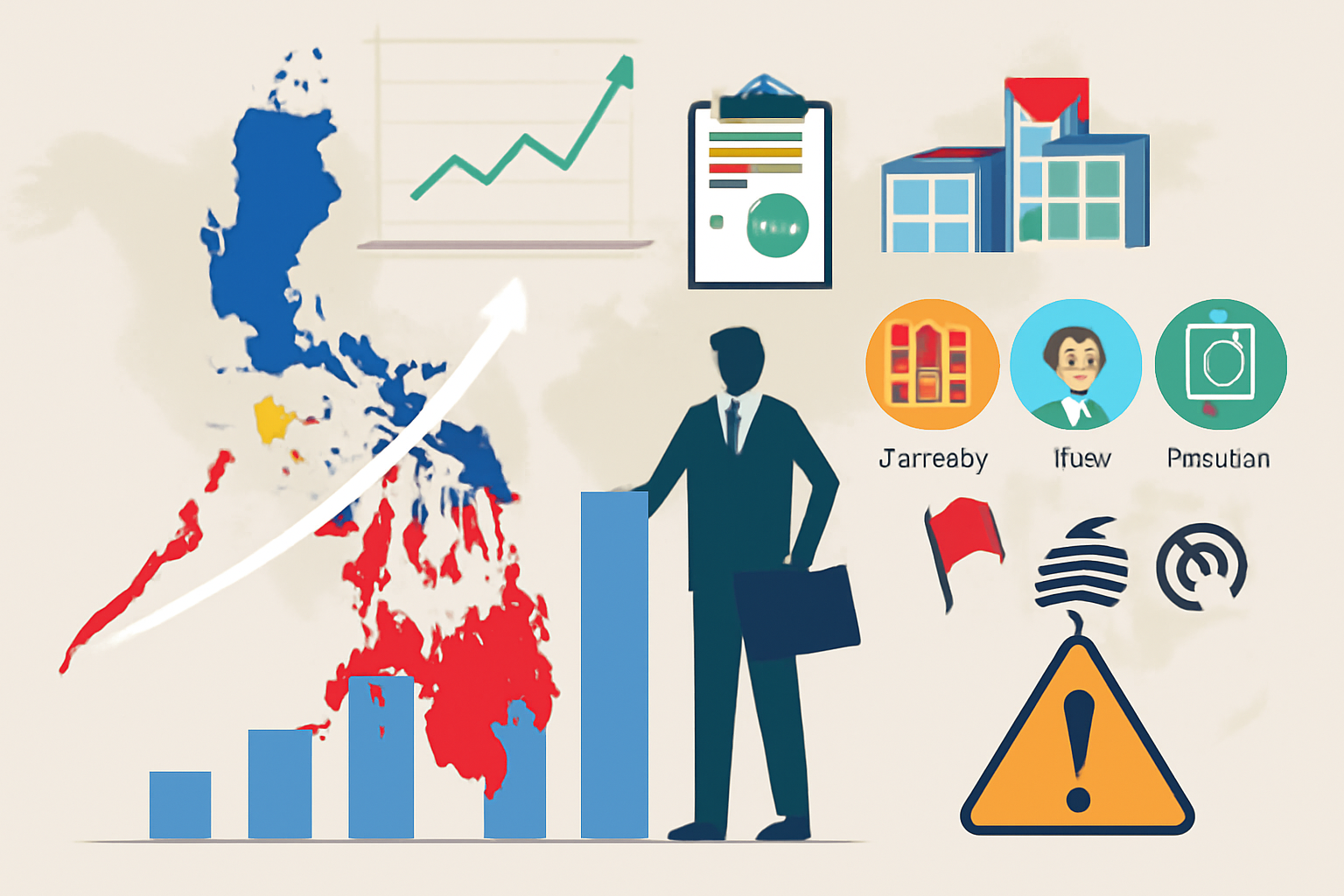

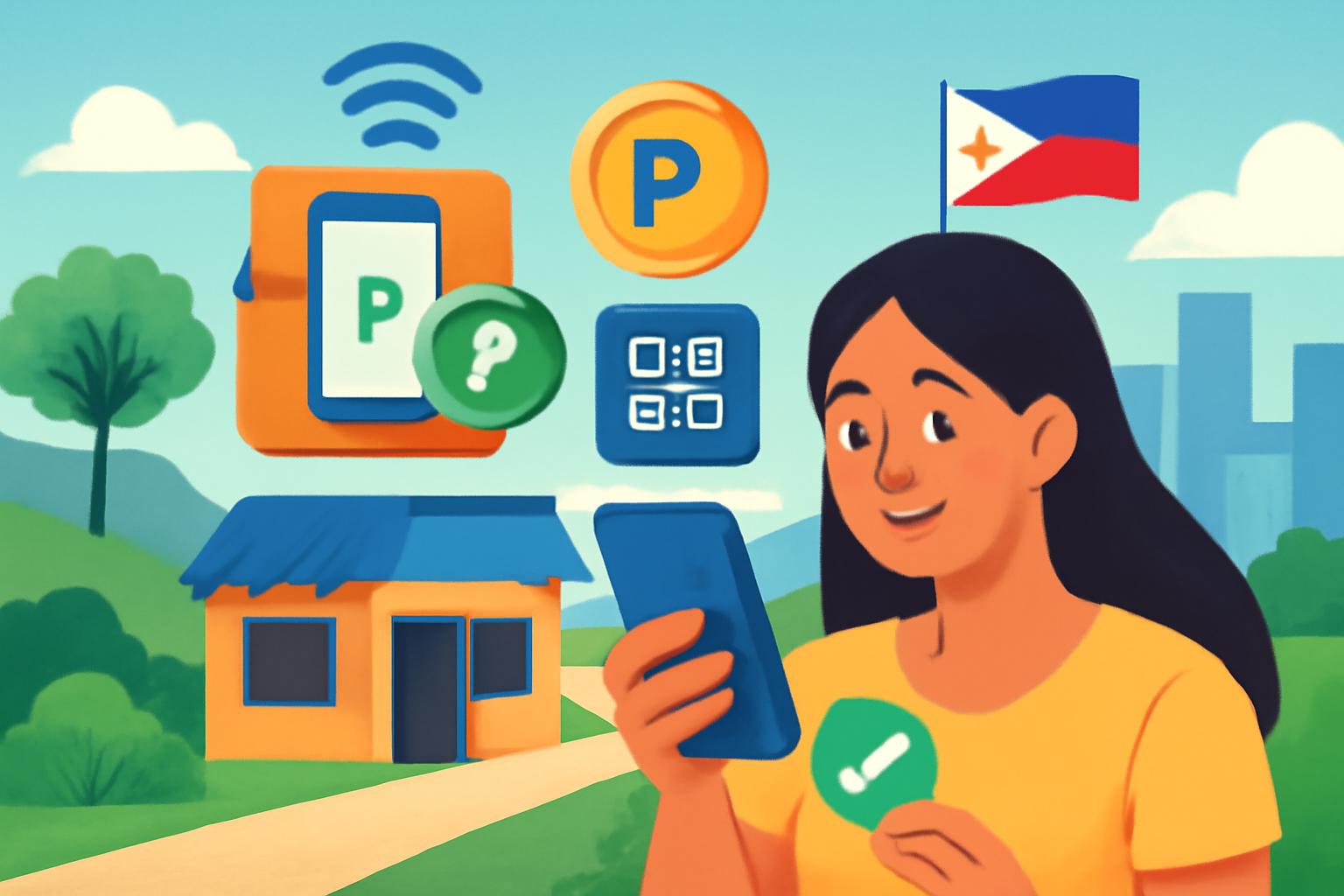
In recent years, the Philippines has witnessed a significant transformation in its financial landscape, thanks to the rapid adoption of digital payment systems. The country’s growing interest in digital financial services reflects a global shift toward cashless transactions, driven by technological advancements and the increasing penetration of mobile phones and internet access. This shift is not only reshaping the way people conduct transactions but is also providing a pathway to greater financial inclusion, especially for underserved populations.
The Philippine government has made substantial efforts to foster the growth of digital payments through initiatives such as the National Retail Payment System (NRPS) and its commitment to reaching the goal of a cashless economy by 2023. As a result, digital platforms like mobile wallets, QR code payments, and online banking services have gained popularity among Filipinos, contributing to the widespread adoption of digital payments in both urban and rural areas.
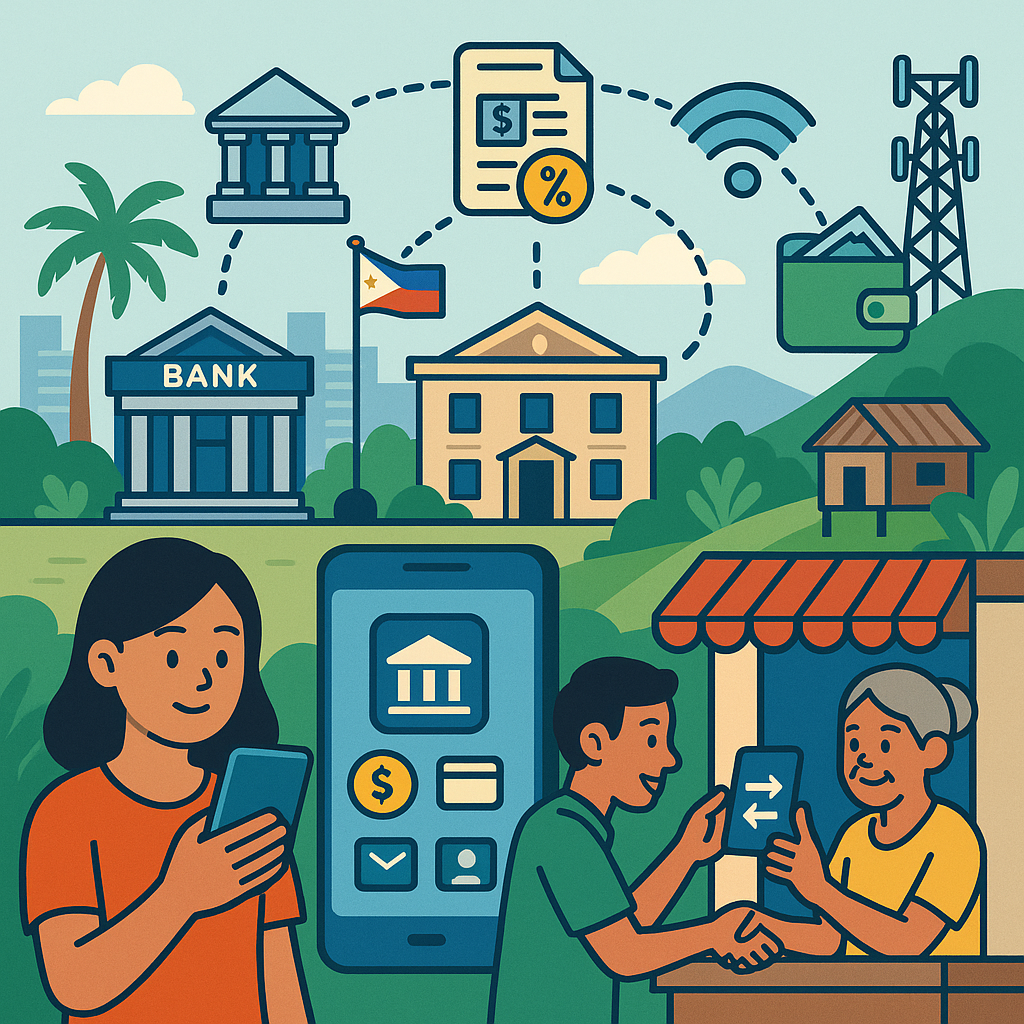
For many Filipinos, mobile wallets such as GCash and PayMaya have become an essential part of daily life. These platforms offer a wide range of services, from paying bills to transferring money and even buying groceries. The convenience and accessibility of these digital payment solutions have allowed individuals without access to traditional banking services to manage their finances more efficiently. With over 70 million mobile phone subscribers in the country, mobile payments have proven to be an effective means of financial inclusion, particularly in remote areas where traditional banking infrastructure is limited.
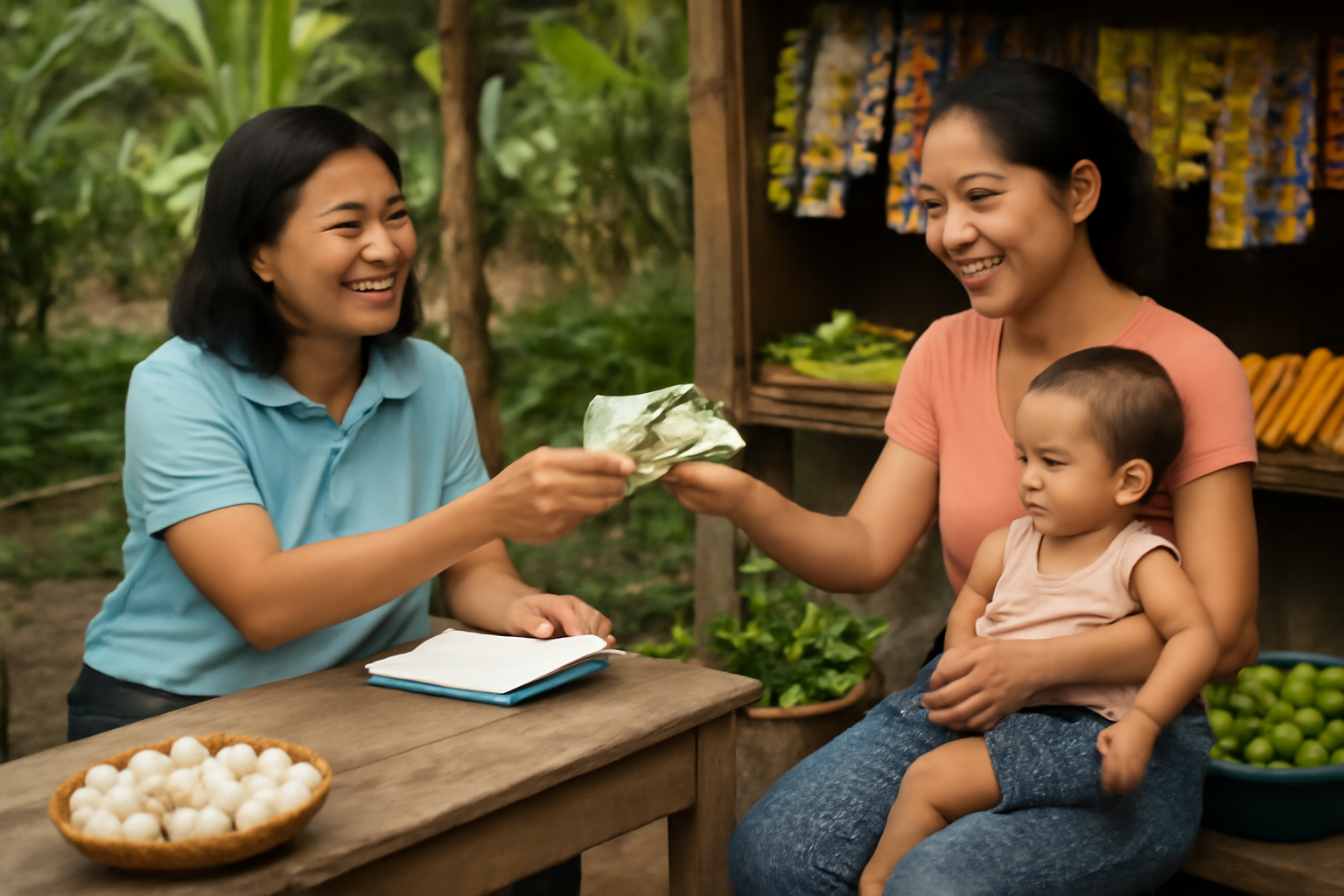
In addition to providing more accessible financial services, digital payments have also empowered small businesses in the Philippines. Vendors and entrepreneurs in rural areas, who previously relied on cash transactions, can now reach a broader customer base by adopting mobile payment systems. This not only boosts their sales but also improves their ability to manage and track financial transactions.
Moreover, the COVID-19 pandemic accelerated the adoption of digital payments in the Philippines. With social distancing measures and health concerns pushing people to avoid physical contact, many Filipinos turned to digital wallets and online payment systems as safer alternatives. As a result, the use of digital payments has surged, and it has become an integral part of daily life, contributing to the resilience of the economy during challenging times.
The growth of digital payment systems in the Philippines has also been accompanied by enhanced financial literacy initiatives. Government agencies, banks, and fintech companies are working together to educate the public on the benefits and security of digital transactions. As awareness increases, more people are embracing digital payment methods, which further drives the development of the financial ecosystem.